


Aerogel Blanket vs Traditional Insulation: Which Performs Better in Industrial Applications
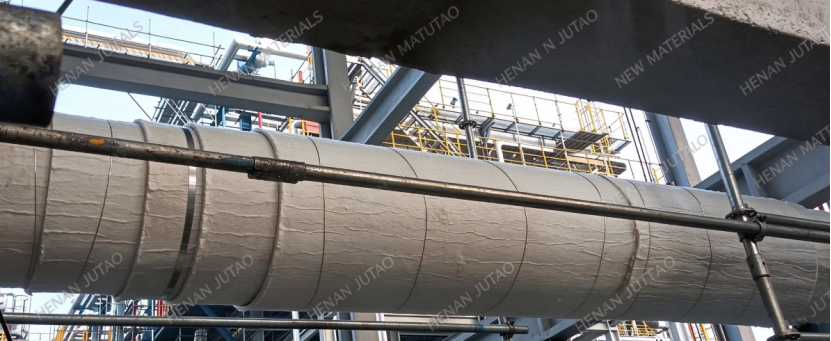
Aerogel blankets are challenging fiberglass, mineral wool, and foam insulation in industrial applications, and the performance gap is significant. Thermal conductivity, maximum service temperature, compression resistance, and installation time all differ dramatically between aerogel and traditional materials. This comparison helps procurement teams and engineers make data driven insulation choices for pipelines, vessels, and building envelopes.
Featured Products:
Thermal Conductivity Comparison
Thermal conductivity is the single most important metric for insulation selection. Aerogel blankets typically achieve lambda values between 0.014 and 0.018 W per meter Kelvin at room temperature. Traditional fiberglass insulation ranges from 0.035 to 0.040, and mineral wool sits around 0.038 to 0.044. This means aerogel provides roughly twice the thermal resistance per unit thickness.
For high temperature applications, the gap widens further. At 200 degrees Celsius, aerogel blankets maintain a lambda below 0.025, while mineral wool degrades to 0.060 or higher. For engineers specifying insulation for steam lines or process vessels, this conductivity difference directly translates to energy savings and smaller insulation thickness.
Temperature Range and Thermal Stability
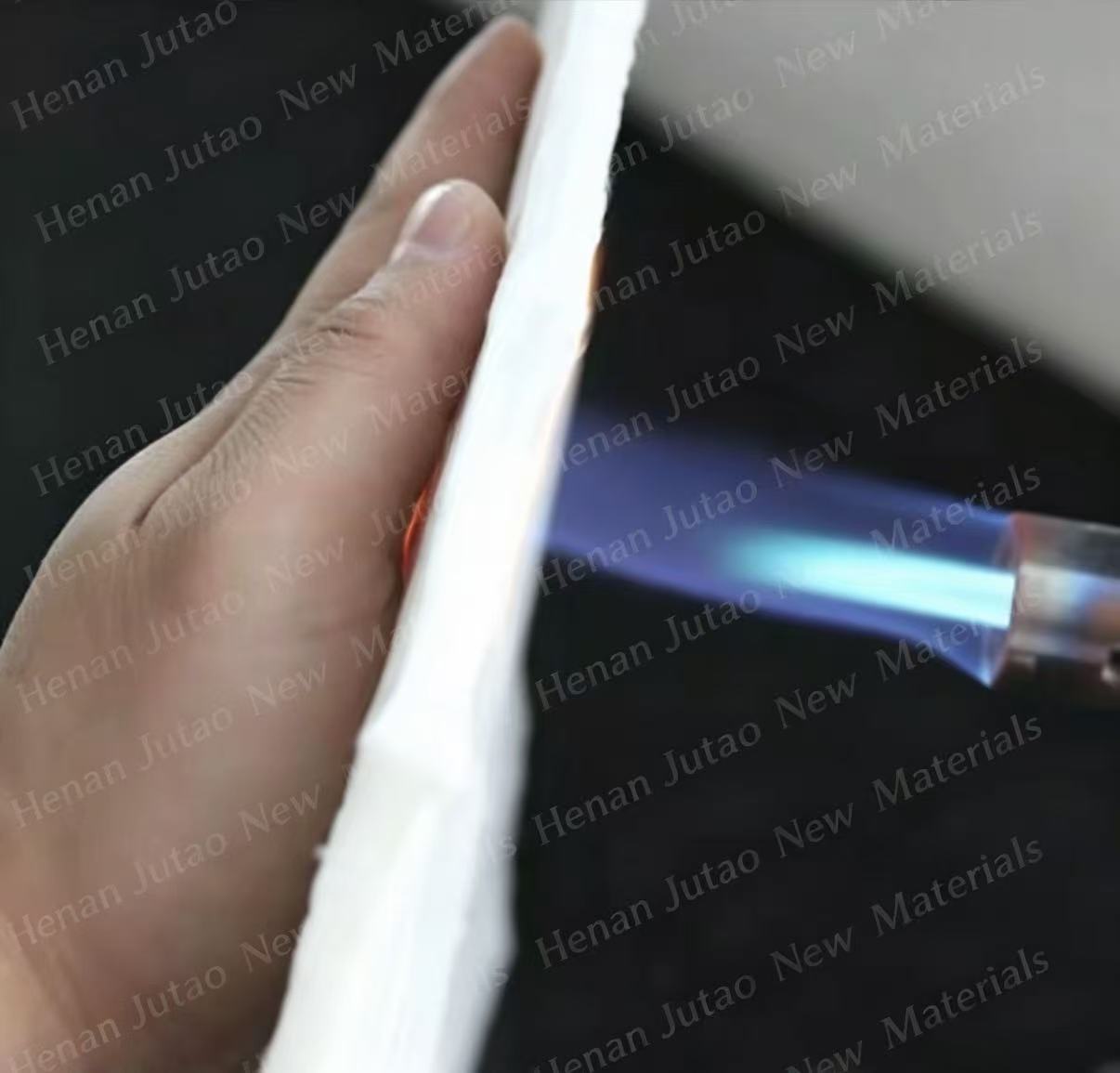
Aerogel blankets sustain continuous service temperatures up to 650 degrees Celsius without structural breakdown. Mineral wool handles similar temperatures but experiences binder burnout around 250 degrees, which causes shrinkage and gap formation over time. Fiberglass typically tops out around 230 degrees for standard grades.
Thermal stability matters more than peak temperature rating. An insulation material that survives one cycle at 600 degrees but degrades after repeated thermal cycling is a poor investment. Aerogel maintains its dimensional stability and thermal performance through thousands of thermal cycles, making it suitable for cyclic process equipment.
Thickness and Space Savings
In retrofits and confined spaces, insulation thickness drives the project. To achieve the same thermal resistance as 25 millimeters of aerogel blanket, you would need approximately 50 millimeters of mineral wool or fiberglass. On a 300 meter pipeline, this thickness difference affects pipe rack spacing, tunnel clearance, and shipping volume.
Space savings compound across a facility. Thinner insulation means smaller pipe supports, narrower trenches, and less structural steel. In offshore platforms and shipbuilding where every cubic meter costs thousands of dollars, aerogel thickness savings often justify the higher material unit price.
Compression and Mechanical Durability
Aerogel blankets compress under load but recover most of their thickness when the load is removed. Mineral wool and fiberglass suffer permanent compression damage when stepped on or subjected to vibration. In high traffic areas such as walkways and pipe racks, compressed traditional insulation creates thermal bridges that waste energy.
Specify the right compression grade for your application. Some aerogel blankets include a fiber reinforcement layer that improves puncture resistance and tensile strength. For insulated vessels subject to foot traffic or maintenance activity, this reinforcement prevents the permanent damage that plagues traditional insulation systems.
Installation Time and Labor Cost
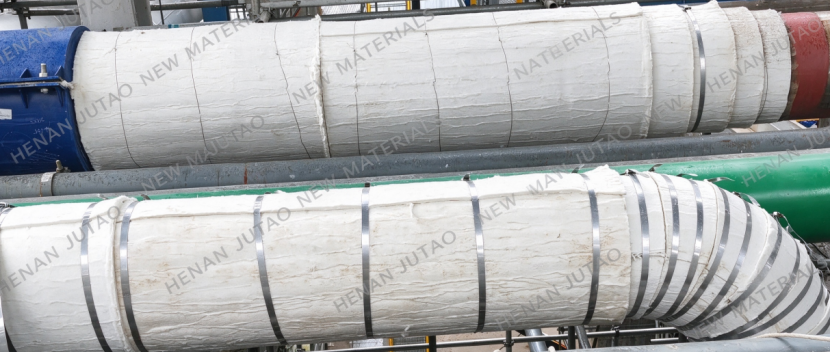
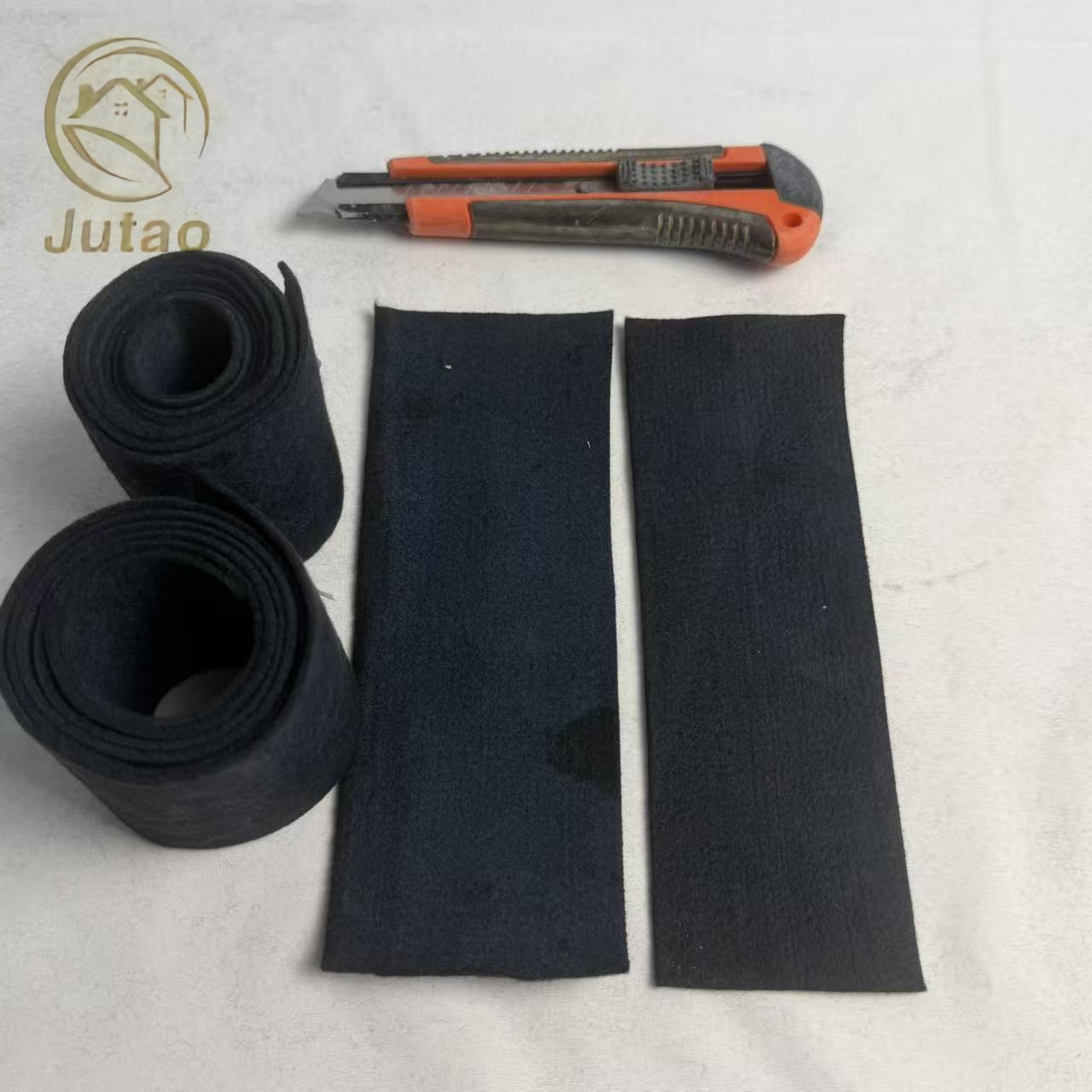
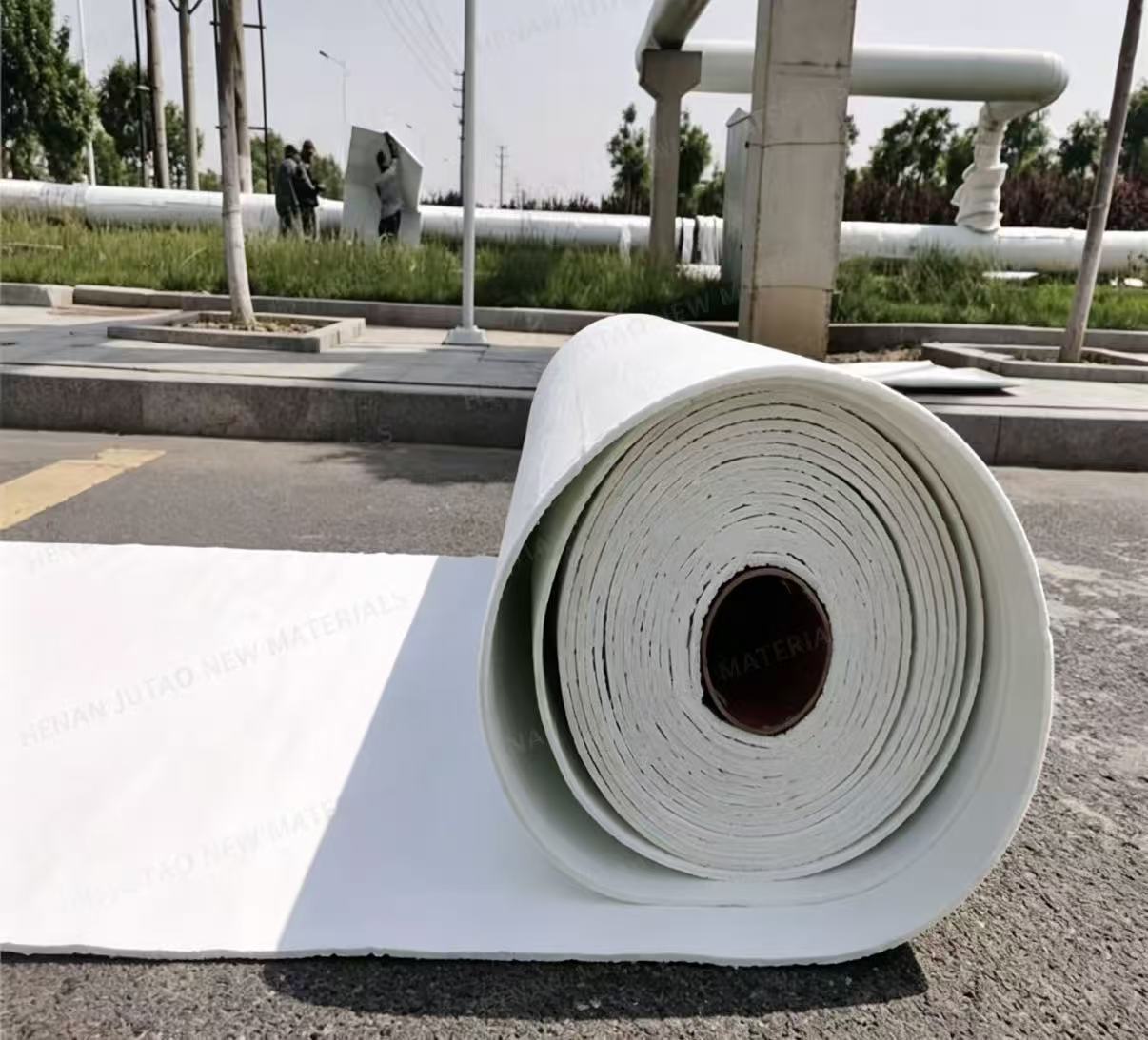
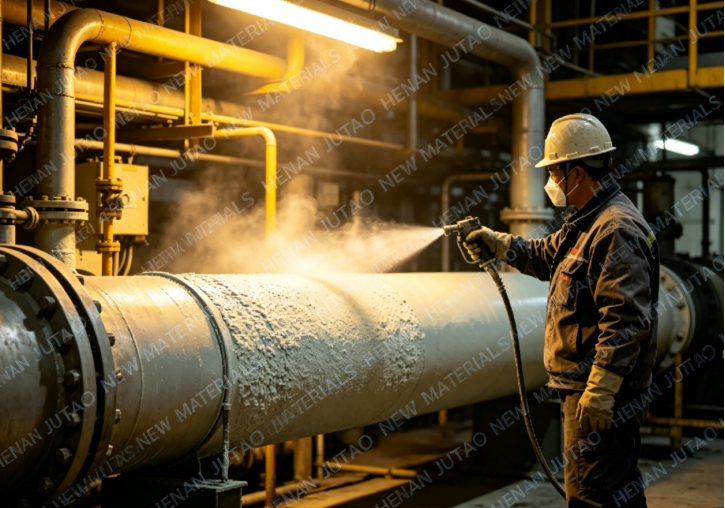
Aerogel blankets are flexible and cut easily with standard tools. They wrap around irregular surfaces, valves, and fittings without the gaps that rigid mineral wool sections leave. Installation crews report 30 to 50 percent time savings compared to fitting rigid insulation boards around complex geometries.
Factor labor savings into the total project cost. A material that costs twice as much per square meter but installs in half the time may produce a lower total installed cost. For projects in remote locations or with high labor rates, the labor savings alone can offset the material price premium.
Total Cost of Ownership Analysis
Total cost of ownership includes material cost, installation labor, energy savings over the insulation lifetime, and maintenance or replacement cost. Aerogel blankets cost more per square meter but last longer, save more energy, and require less maintenance. Over a 15 year service life on a hot pipeline, aerogel typically delivers a lower total cost than mineral wool despite the higher initial price.
Run the numbers for your specific application. Energy price, operating temperature, ambient conditions, and maintenance access all affect the calculation. For critical applications where downtime costs thousands per hour, the reliability advantage of aerogel adds an additional risk reduction value that traditional materials cannot match.
Frequently Asked Questions
What is the lifespan of aerogel blanket insulation?
Aerogel blankets typically last 15 to 20 years in industrial applications. They resist moisture absorption, microbial growth, and thermal cycling damage. With proper jacketing protection, some installations have exceeded 25 years without replacement.
Can aerogel insulation get wet?
Aerogel blankets are hydrophobic and repel water, but prolonged exposure to liquid water can compromise the fiber matrix. Always install a vapor barrier or weather jacketing for outdoor or wet environment applications. The hydrophobic properties help prevent moisture related thermal degradation.
Is aerogel safe to handle during installation?
Yes. Aerogel blankets use a fiber reinforcement matrix that encapsulates the aerogel particles. Standard dust protection measures such as gloves and safety glasses are sufficient. Unlike fiberglass, aerogel particles do not cause skin irritation in normal handling.
How much does aerogel insulation cost compared to mineral wool?
Aerogel blankets cost roughly 3 to 5 times more per square meter than mineral wool. However, when you factor in the reduced thickness, faster installation, lower energy loss, and longer service life, the total cost of ownership is often comparable or lower over the project lifetime.
Conclusion
For industrial insulation projects where thermal performance, space, and longevity matter, aerogel blankets consistently outperform traditional materials. The lower thermal conductivity, higher temperature stability, and thinner profile deliver measurable energy savings and space efficiency. Suppliers offering aerogel thermal barriers and vacuum insulation panels give engineers a tool to solve insulation challenges that traditional materials cannot address.