Aerogel Blanket or Vacuum Insulation Panel: Choosing the Format That Survives Your Site Conditions
A Panel Specified on Paper Failed in the First Month of Service
An industrial EPC buyer specified rigid vacuum insulation panels for a compact steam distribution skid because the datasheet promised a lambda value roughly one third of the flexible blanket. The panels arrived, the skid was insulated and the thermal survey passed. Five weeks later a maintenance technician stepped on the jacketing to reach a valve and punctured one panel. The vacuum was lost, the conductivity of that panel rose to roughly five times its declared value, and nobody noticed for two months because the cladding looked intact from outside. The specification had optimised for a laboratory number instead of for a maintainable installation. This decision separates a competent insulation design from an expensive one, and it must be made before the enquiry goes out rather than after the first puncture.
Format Is a Durability Decision, Not Only a Thermal One
Both formats deliver very low thermal conductivity in a thin layer, and on a clean comparison sheet the rigid panel usually wins. In service the two behave completely differently under mechanical stress, moisture and maintenance traffic. The flexible aerogel blanket tolerates compression, foot traffic and re-entry, and it can be cut, wrapped and re-wrapped on site. The rigid panel cannot be cut at all, because every cut edge destroys the vacuum across the entire panel. Buyers who compare only the declared lambda value are comparing the wrong column of the datasheet.
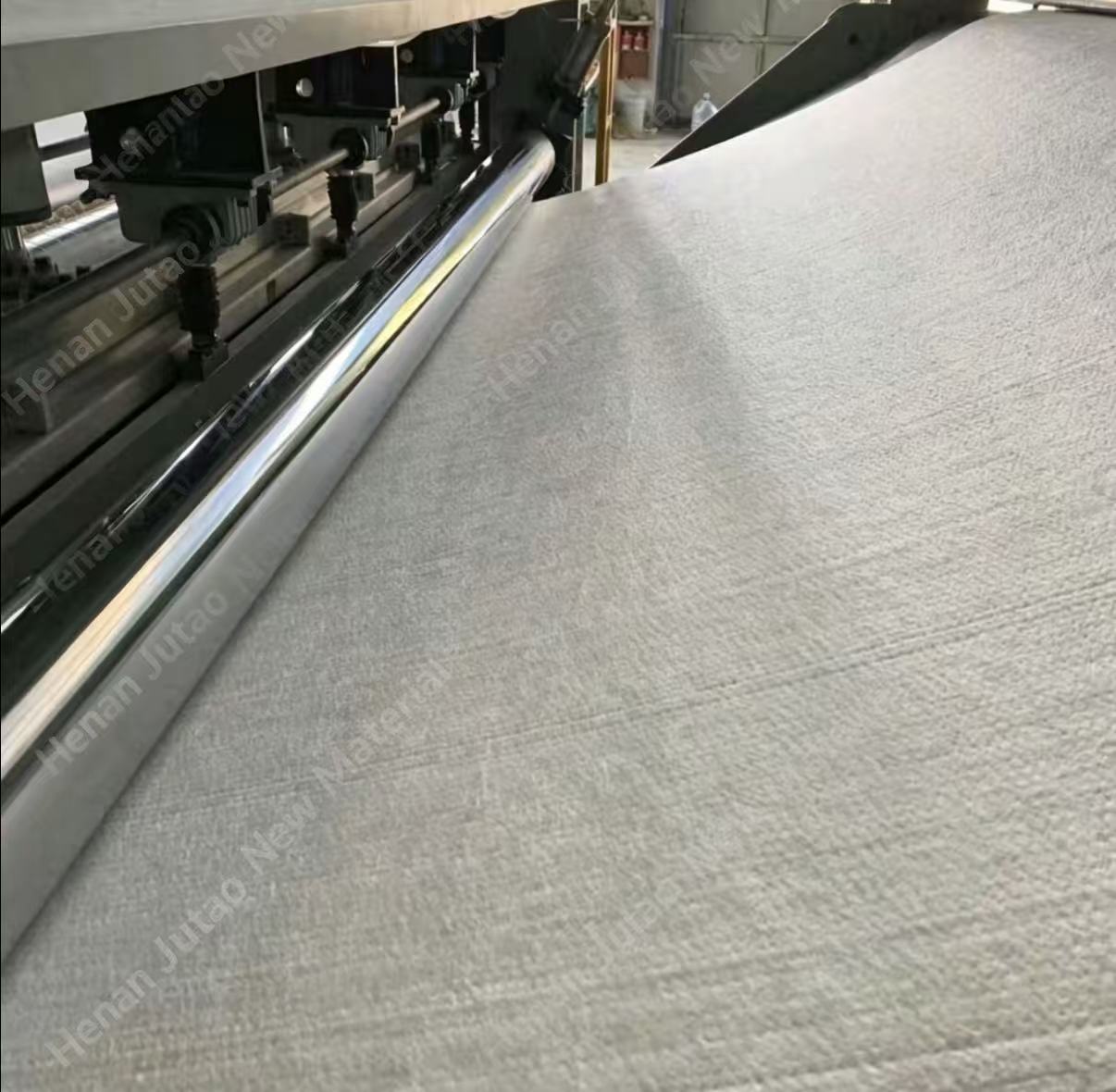
Start the evaluation with the geometry of the item being insulated. A flexible aerogel insulation blanket supplied in roll form conforms to cylinders, elbows, valve bodies and irregular equipment without any fabrication. Where the surface curves or the run changes direction, the blanket is almost always the correct answer, because the panel alternative would need a fabricated box around every single fitting, and every box is a thermal bridge waiting to be built.
When the Rigid Panel Is the Right Call
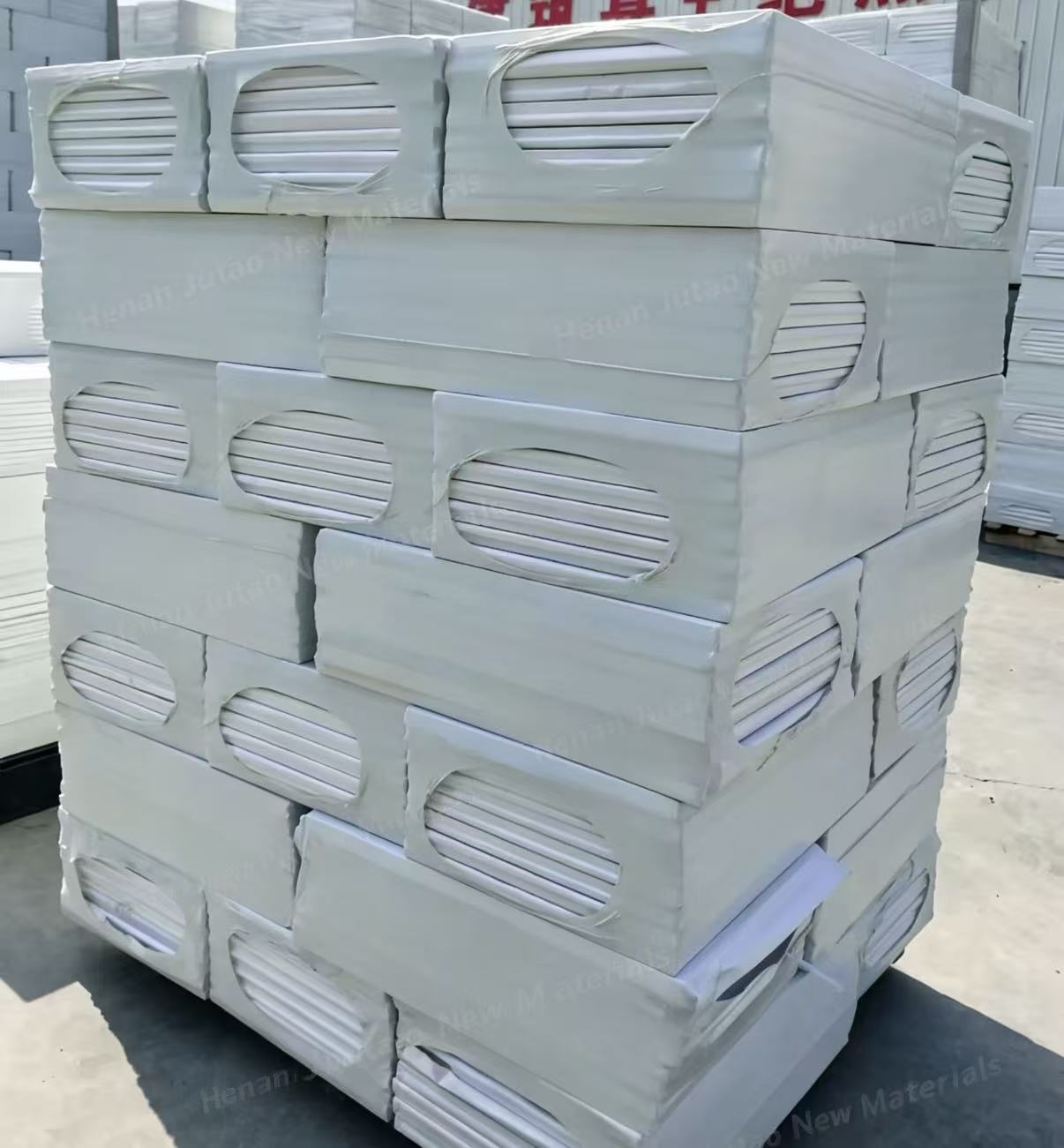
Rigid panels earn their place on flat, protected, space-critical surfaces that will never be walked on, drilled into or removed for maintenance. Typical applications include equipment housings, enclosure walls, cold room linings and building envelope details with a fixed clearance. If the design thickness is constrained to ten millimetres or less and the surface is flat, the panel delivers thermal performance the blanket cannot match, and that is the whole justification for accepting its fragility.
The building envelope is where this shows up most often. A vacuum insulation panel specified for building applications is normally encapsulated behind a board, a render layer or a cladding panel that permanently protects it from impact. Never specify a bare vacuum panel anywhere a tradesperson can reach it, because the first service visit is likely to be the last day of its declared performance, and the client will not discover the loss until the next energy audit.
The Semi-Rigid Middle Path
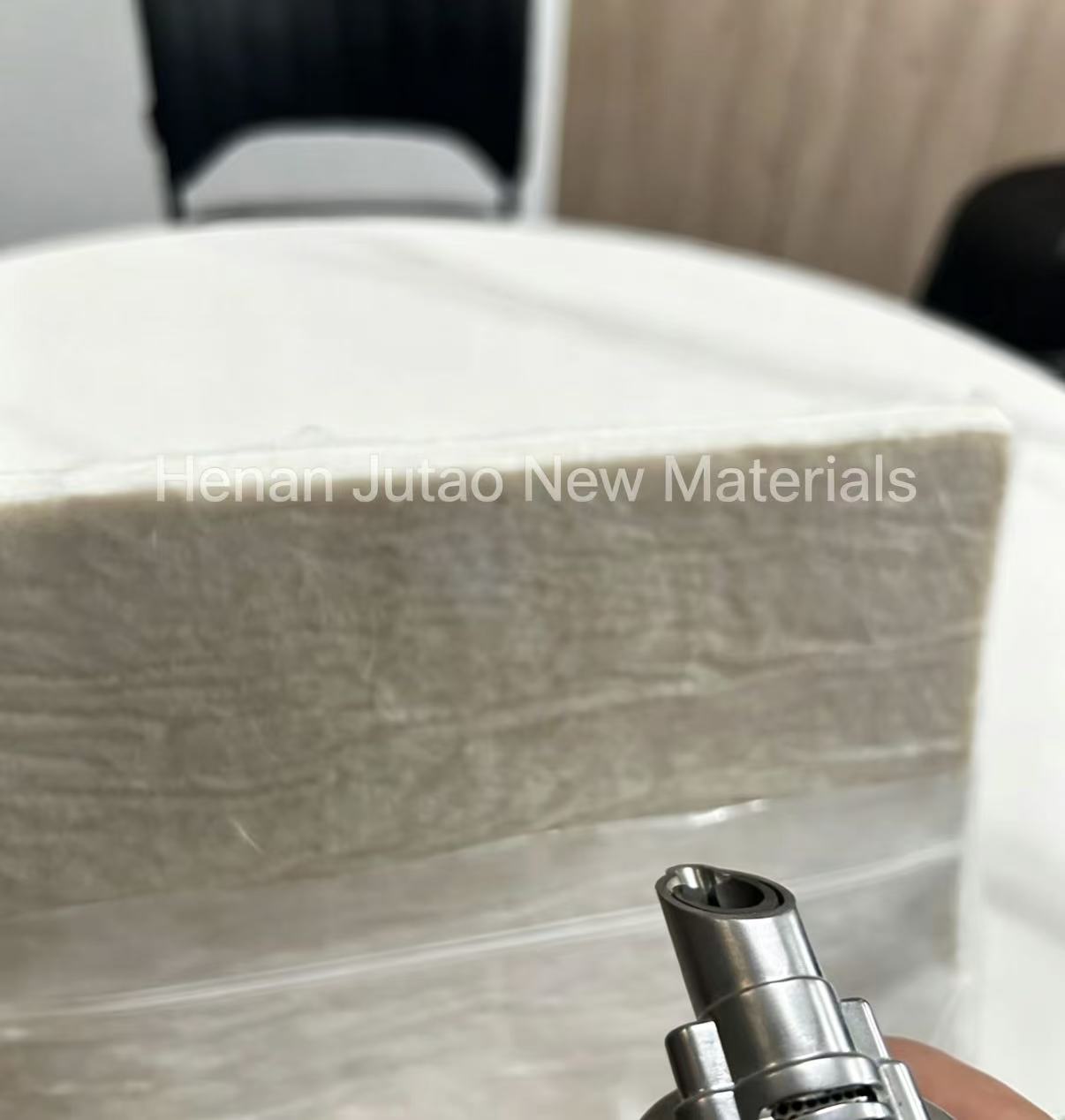
Most industrial projects need both formats, and the hybrid answer is often the strongest commercial position a distributor can offer. Use panels on the flat protected areas and blanket on everything that moves, curves or gets opened. Between the two sits a foil-faced aerogel insulation panel for industrial applications, which gives you a semi-rigid board that can be cut to size on site without losing any performance. Semi-rigid board is the compromise that survives contact with a real site while still holding a flat plane and a clean facing.
Service temperature settles the remaining cases. Cryogenic and chilled water duty pushes you towards a aerogel blanket engineered for cold insulation, because a punctured vacuum panel on a cold line will sweat, saturate the surrounding layer and then drive corrosion under insulation. Cold service punishes failure far harder than hot service does, and the damage stays hidden beneath the cladding until the pipe wall is already compromised.
Five Questions to Put in the Enquiry
Put these five questions into every request for quotation. They force the supplier to answer for the site conditions rather than for the laboratory, and a supplier who cannot answer them is selling you a datasheet, not a solution.
- What happens to performance if the facing is punctured — and what is the declared conductivity of the failed state?
- Can the product be cut on site, and does cutting require a sealed edge treatment or a return to the factory?
- What is the maximum service temperature of the core, the facing and the adhesive as three separate figures?
- What compression recovery is declared at the clamping load the banding or the cladding will actually apply?
- What is the declared service life, and what evidence supports it — an accelerated ageing report or a field reference?
Specify the Format Before You Price It
The lowest declared conductivity is not the cheapest insulation over a ten-year service life. Choose flexible blanket where the geometry is curved, the surface is trafficable or the line will be opened for maintenance, and reserve rigid panels for flat protected surfaces with a hard thickness limit. The most expensive insulation you will ever buy is the panel that fails silently in month one and gets discovered in year three.