













Aerogel – A Game-Changer for Thermal Pipeline Insulation
Selecting the appropriate thickness of aerogel insulation is vital to ensuring reliable thermal efficiency. The main parameters that determine the recommended thickness are outlined below.
- Operating Temperature of the Pipeline
The operating temperature is a decisive factor when defining the required insulation thickness. Aerogel materials are suitable for an extensive temperature range, from as low as –200 °C to as high as +650 °C. Generally, the higher the operating temperature, the thicker the insulation layer needs to be to maintain adequate thermal performance.
- Ambient Temperature
The temperature of the surrounding environment must also be considered. In extremely cold climates, a thicker insulation layer is necessary to prevent excessive heat loss. In milder regions, the insulation thickness may be adjusted downward without compromising performance.
- Thermal Performance Requirements
The required insulation performance—such as heat-loss reduction targets, energy-efficiency goals or required insulation duration—directly influences the material thickness. Higher performance expectations typically call for a thicker aerogel layer.
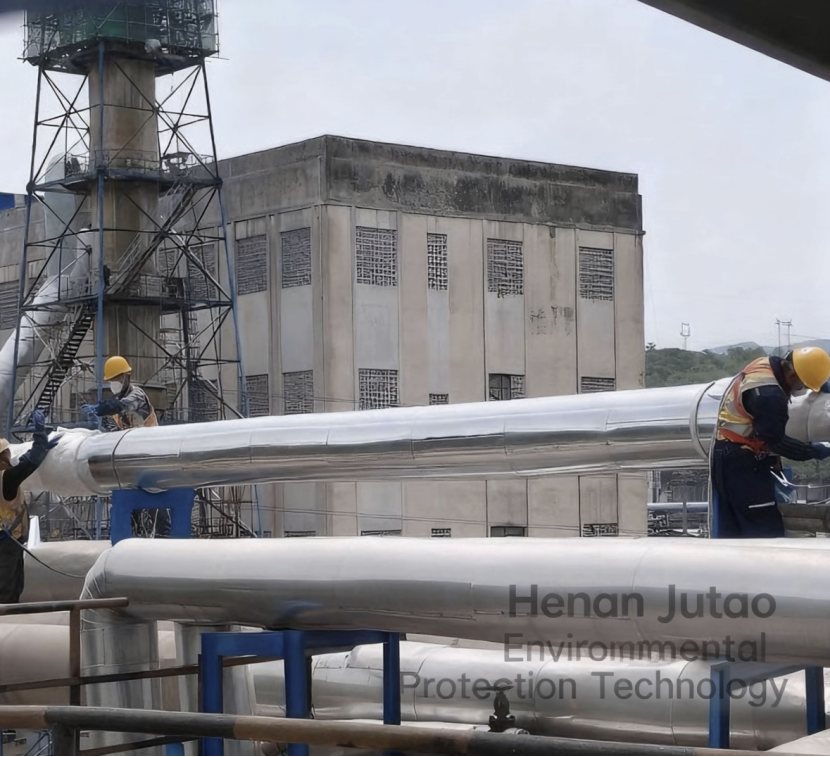
- Pipeline Diameter and Geometry
Pipeline size and geometry affect insulation selection. Large-diameter pipelines, due to their greater surface area, usually require thicker insulation to achieve the desired thermal performance. Conversely, smaller pipelines may only require a reduced thickness.
- Construction Conditions and Cost Considerations
Construction constraints and financial considerations must also be accounted for. Site conditions, installation methods and budget limitations may influence the final decision on insulation thickness. In certain cases, the thickness may be moderately reduced to suit construction or cost requirements, provided that basic performance targets remain fulfilled.
Conclusion
Determining the appropriate thickness of aerogel insulation material requires a balanced assessment of several parameters, including operating and ambient temperatures, insulation performance needs, pipeline size and geometry, as well as construction and cost factors. A comprehensive evaluation ensures the selection of an optimal insulation solution that delivers stable and efficient thermal protection for pipelines.
Jutao Environmental Technology — Specialists in Aerogel Material Solutions
Stay connected with us for the latest updates, industry insights and application solutions in the aerogel sector.