News
0102030405
Achieving Fire Rating Certification for Vacuum Insulation Panels
2026-05-26
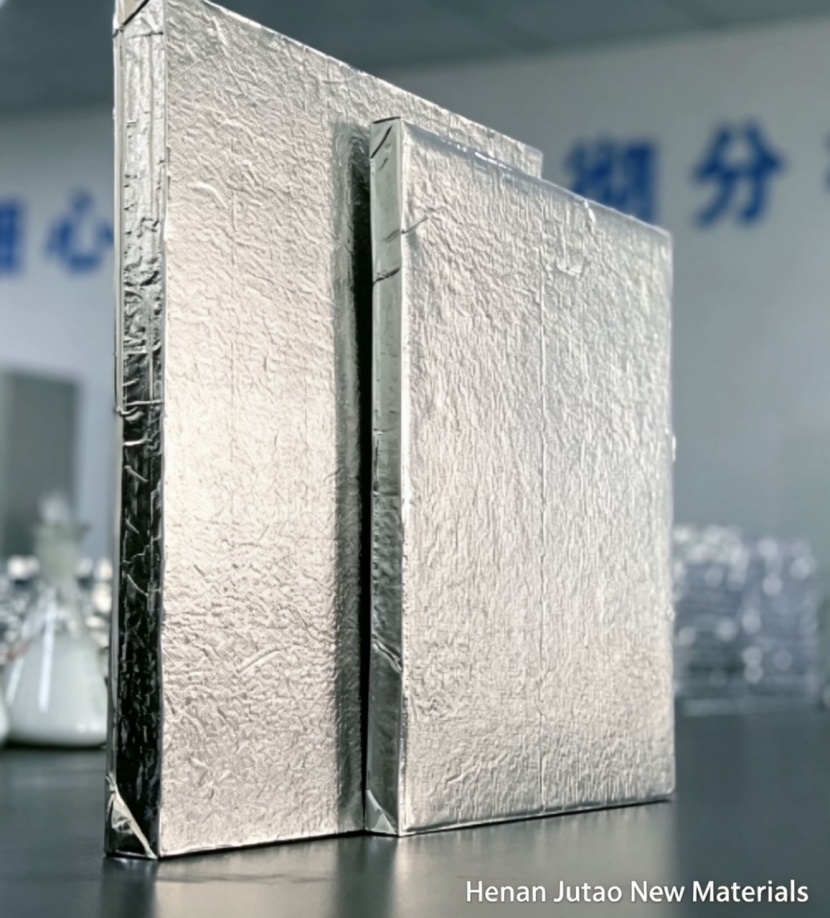
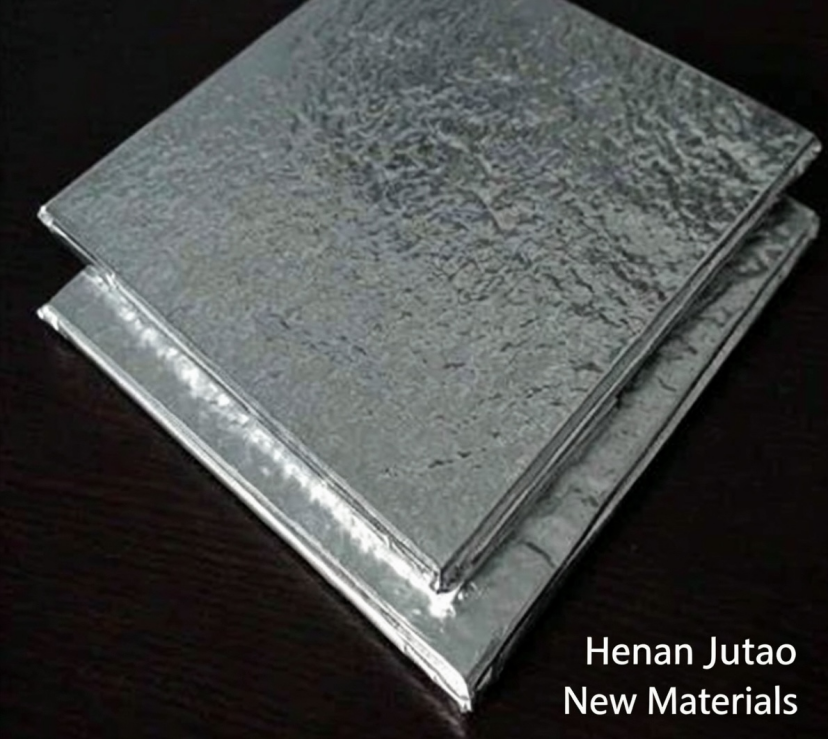
In the global building energy efficiency and industrial insulation sectors, Vacuum Insulation Panels (VIP) are highly valued for their ultra-low thermal conductivity (typically below 0.008 W/m·K). However, for buyers, architects, and EPC (Engineering, Procurement, and Construction) companies, the fire safety performance of insulation materials is equally critical as thermal performance. This article provides an in-depth analysis of how VIPs achieve Class A (non-combustible) certification under major international standards such as EN 13501-1 and ASTM E84, and clarifies the key role of aerogel core materials in this process.
1. Why is Class A Certification for VIPs Critical to Building Safety?
In applications such as high-rise buildings, public transportation hubs, or industrial pipelines, combustion or toxic smoke emission from insulation materials can lead to catastrophic consequences. Class A non-combustible represents the highest fire rating for construction materials, meaning the material does not burn, spread flames, or produce significant smoke under high temperatures.
For VIP products, meeting Class A standards is a mandatory entry requirement for the mainstream construction market. When evaluating suppliers, buyers must insist on EN 13501-1 or ASTM E84 test reports issued by authoritative third-party laboratories, rather than relying solely on manufacturers’ self-declarations.
2. The Core Determinants of VIP Fire Ratings: Core Materials & Barrier Films
The fire performance of VIPs is not determined by a single component, but by the combined performance of core materials, barrier films, and encapsulation processes.
2.1 Core Materials: Inherent Advantages of Inorganic Materials
The foundation of VIP fire resistance lies in its core material. VIPs that meet Class A standards on the market generally use one of two inorganic core materials:
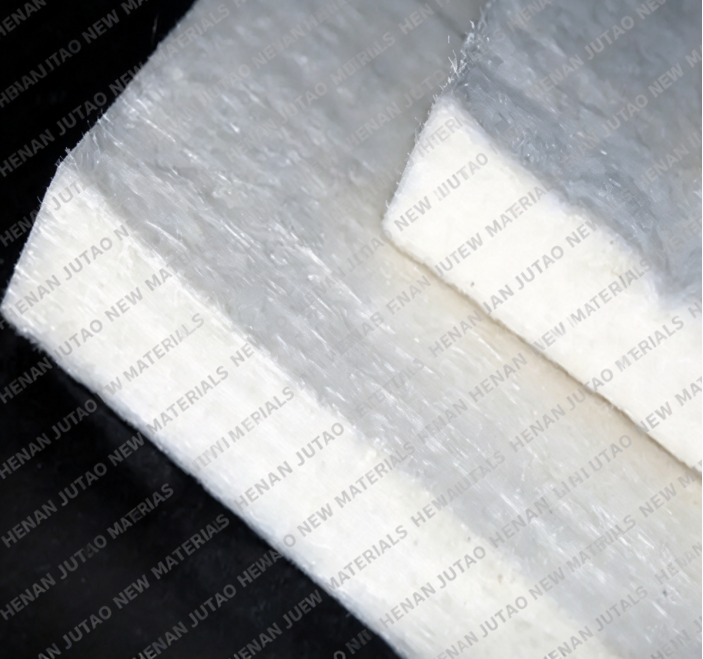
- Fumed Silica: The mainstream choice for high-end VIPs. Composed mainly of nano-scale silicon dioxide (SiO₂) with a melting point above 1600°C, it is inherently non-combustible. In fire scenarios, it releases no flammable gases, maintains structural integrity, and avoids melting or dripping.
- Glass Fiber: Also an inorganic non-combustible material, but its thermal conductivity at equal thickness is usually slightly higher than that of fumed silica cores.
Buyers must beware: some low-cost VIPs use organic cores such as polyurethane (PU) or expanded polystyrene (EPS). Even with flame retardant treatment, these materials can only reach Class B (hardly flammable) or Class C (combustible) at best, failing to meet strict building fire codes.
2.2 Barrier Films: High-Temperature "Sealed Armor"
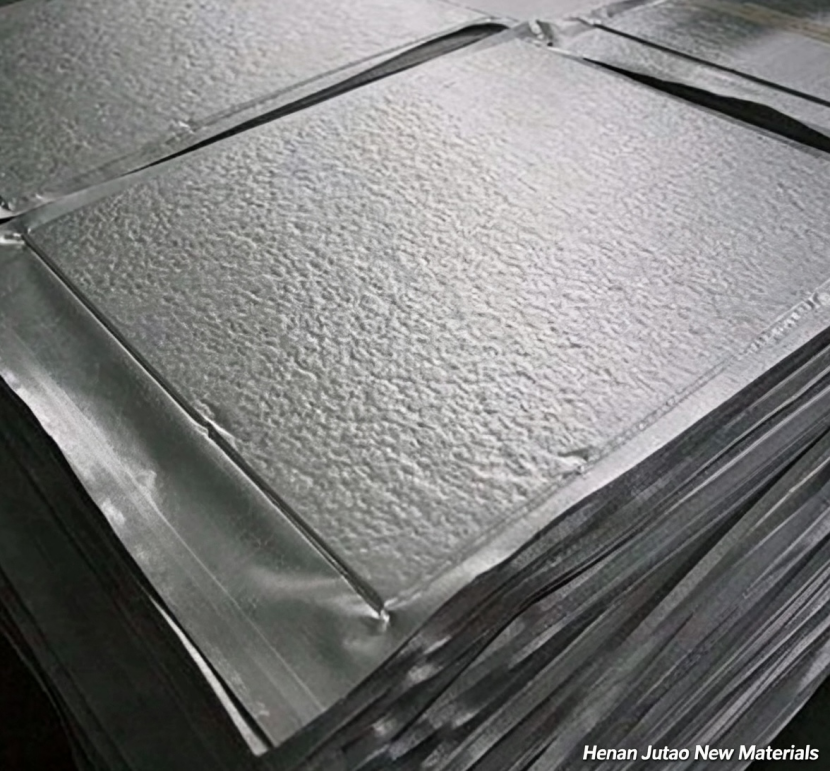
The outer barrier film of VIPs (usually multi-layer aluminum foil composite or metallized polymer film) is the weak link in fire protection. At high temperatures, polymer layers may melt or burn, causing vacuum failure.
VIPs certified to Class A feature specially designed barrier films that ensure no sustained burning or excessive smoke generation during the ISO 1182 non-combustibility test at 750°C.
Full metal encapsulation or highly flame-retardant composite films is essential to achieve A1 classification.
3. Analysis of International Standard Certification Processes: EN 13501-1 & ASTM E84
Buyers in different regions follow different standard systems. Understanding these differences helps accurately evaluate supplier test reports.
3.1 European Standard EN 13501-1 (Euroclass)
Recognized in the EU, Middle East, and many Southeast Asian countries, the highest rating for VIPs is A1 (Non-combustible).
Key Tests:
- ISO 1182 (Non-Combustibility Test): Samples are heated in a 750°C tube furnace for 30 minutes to measure temperature rise, mass loss, and sustained flaming. A1 requires temperature rise ≤ 30°C, mass loss ≤ 50%, and no sustained flames.
- EN ISO 1716 (Calorific Value Determination): Gross calorific potential is measured via oxygen bomb calorimetry. A1 requires extremely low calorific value, confirming negligible heat contribution.
Additional Ratings: Besides A1, reports specify smoke production classes (s1, s2, s3) and droplet classes (d0, d1, d2). Premium VIPs achieve A1 s1 d0 (no smoke, no droplets).
3.2 North American Standard ASTM E84 (Steiner Tunnel Test)
Widely used in the U.S. and Canada for surface burning characteristics, with Class A as the highest level.
Key Indicators:
- Flame Spread Index (FSI): Must be ≤ 25.
- Smoke Developed Index (SDI): Must be ≤ 450 (many building codes require stricter SDI ≤ 50).
Test Method: Samples are burned horizontally in a 25-foot tunnel to evaluate flame spread speed along the material surface.
4. Fire Resistance Advantages of Aerogel-Reinforced VIPs
In recent years, products combining aerogel technology with VIPs (e.g., aerogel vacuum insulation panels) have gained prominence in high-end markets, offering significant fire performance benefits:
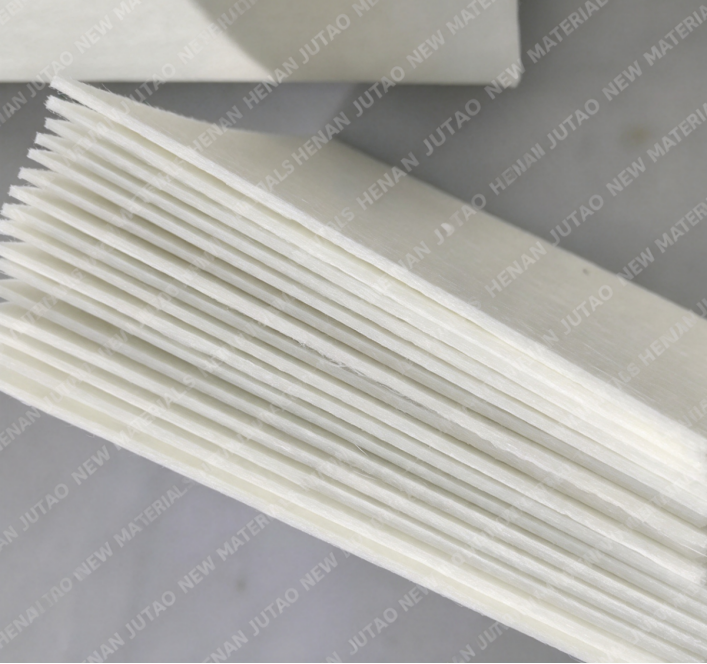
- Inherently Non-Combustible Core: Aerogel, primarily composed of silica, is a natural inorganic Class A material.
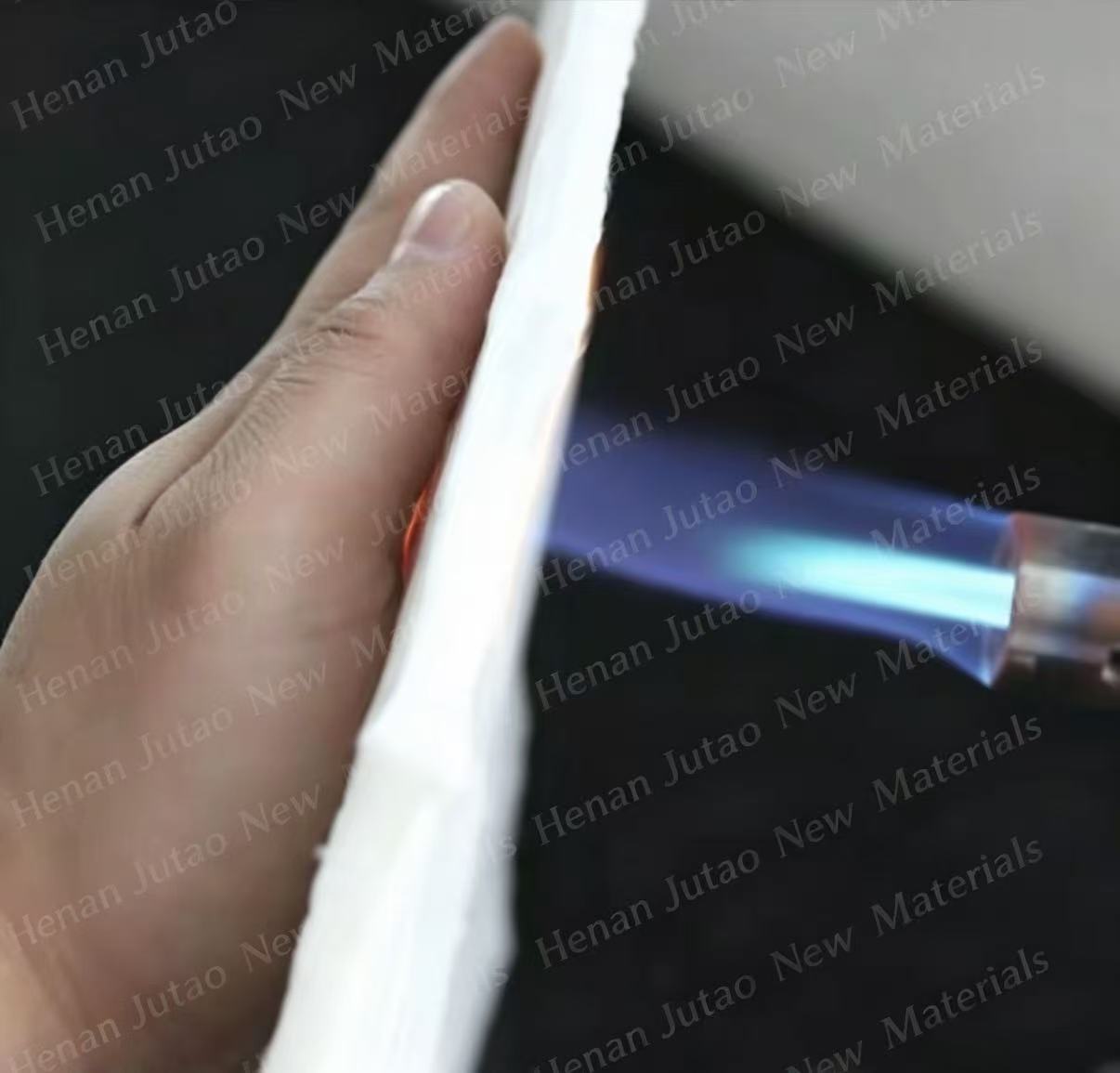
- High-Temperature Stability: In 1000°C flame exposure tests, aerogel VIPs show extremely slow temperature rise on the unexposed side, effectively extending component fire resistance and providing valuable evacuation time.
- Insulation Retention After Failure: Even if vacuum integrity is compromised by fire, the porous aerogel structure retains excellent thermal insulation, unlike conventional VIPs which fail completely.
5. Guidance for Buyers: How to Verify Authentic Class A Performance
- Request Test Reports instead of generic Certificates: Review original EN 13501-1 or ASTM E84 reports, confirm the authority of testing bodies (e.g., UL, Intertek, SGS), and verify product model consistency with purchase orders.
- Focus on System Performance rather than material-only data: VIP fire performance in wall assemblies may be affected by installation methods. Ask suppliers whether they have completed fire resistance tests for full wall constructions (e.g., ISO 834), which carry greater credibility than single-material tests.
- Beware of Fake Class A Claims: Some suppliers test only the core material and claim Class A, but complete VIP products (including barrier films) must be tested as finished assemblies. Always confirm test samples are finished VIP panels.
Conclusion
Class A non-combustible certification for vacuum insulation panels is a critical step from “laboratory material” to code-compliant building safety material. When selecting suppliers, buyers should prioritize manufacturers capable of producing fumed silica or aerogel core VIPs and able to provide complete EN 13501-1 A1 or ASTM E84 Class A test reports. In an era where energy efficiency and safety are equally important, choosing internationally certified Class A VIPs ensures dual protection for project quality and human life safety.