Above 200 Degrees Celsius: Specifying Aerogel Insulation for Steam Mains, Process Lines and High-Temperature Equipment
The Complaint That Starts Six Months After Handover
An insulation contractor wins a plant revamp on the strength of a thin aerogel solution that fits inside an existing pipe rack clearance. Six months later the client reports that the jacketing is discoloured, the outer surface runs hotter than the commissioning report predicted, and two elbows have cracked open. Almost every one of these failures traces back to one missing line in the specification: the maximum service temperature of the exact aerogel format that was purchased.
Aerogel is not one material with one temperature limit. Blanket, rigid panel, foil-faced panel and loose powder behave differently above 200 degrees Celsius, and the binder system that makes a blanket flexible is also the part that degrades first. Contractors who write the temperature limit, the format and the facing into the same line of the spec stop having this conversation entirely. This article sets out what to check, in the order an EPC buyer actually needs it.
Service Temperature Is a Format Question, Not a Product Question
Most silica aerogel blankets are routinely specified to around 600 degrees Celsius of continuous service, but that number describes the silica skeleton, not the finished composite. The felt reinforcement, the needling, the hydrophobic treatment and any organic binder all sit below the silica limit, and whichever component gives up first defines the real ceiling.
Ask the mill for three numbers rather than one: continuous service temperature, maximum intermittent exposure, and the temperature at which the hydrophobic treatment begins to break down. Those three numbers are frequently 200 degrees apart, and quoting only the highest of them is how a specification fails on a line that cycles. Steam mains that warm up every Monday morning live in the intermittent band, not in the steady-state band.
Why a Rigid High-Temperature Panel Often Beats a Blanket on Pipe Racks
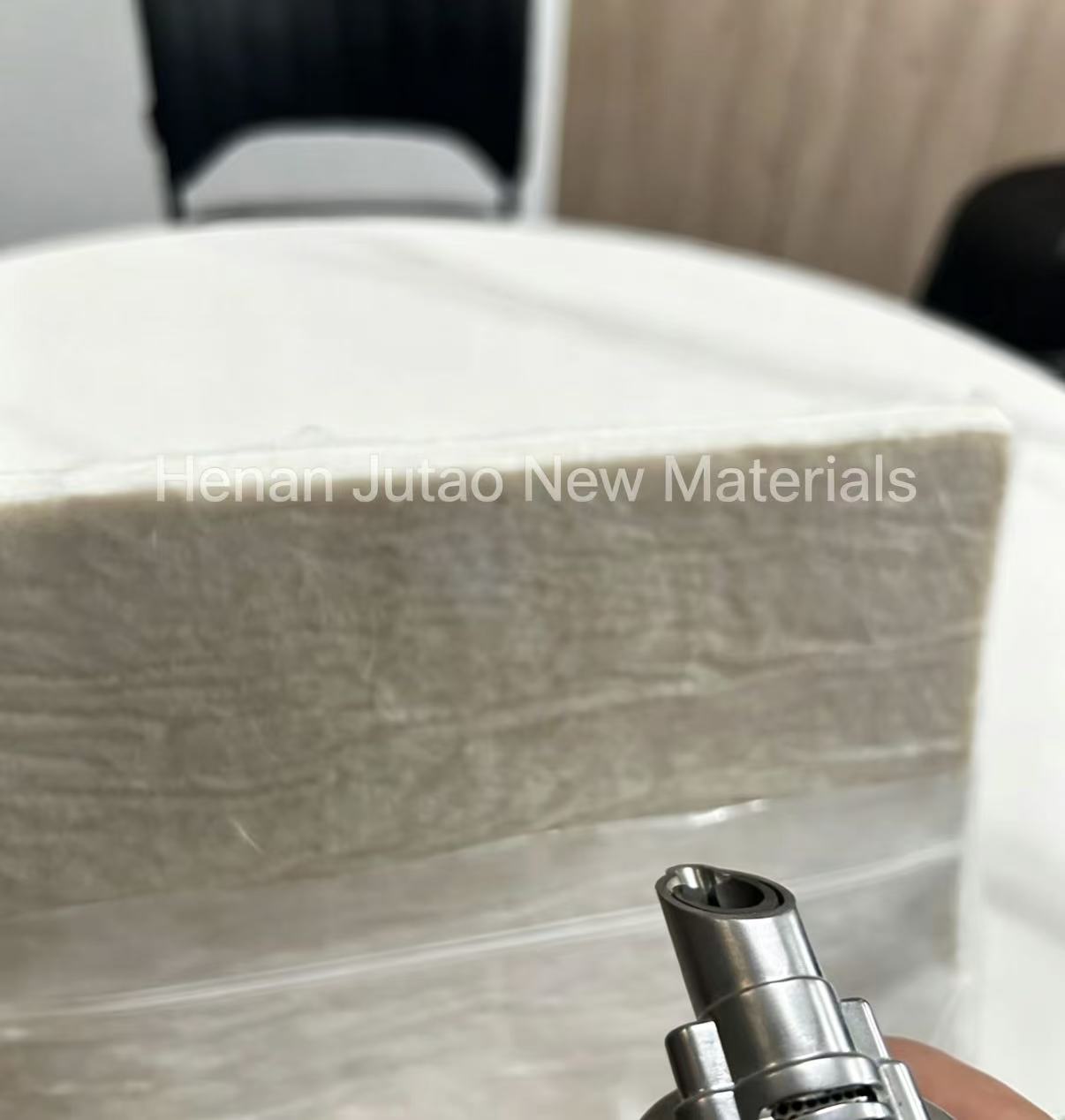
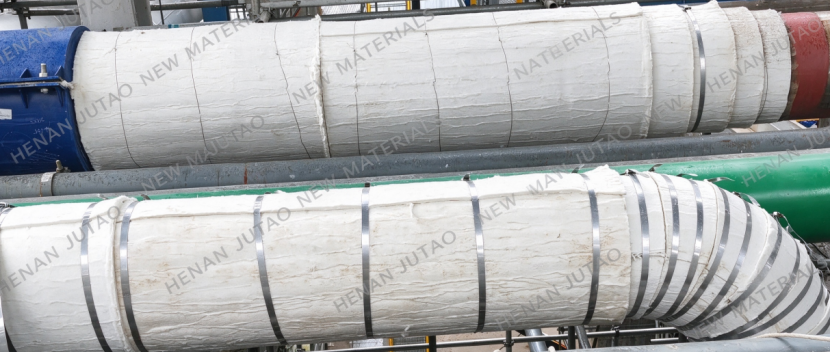
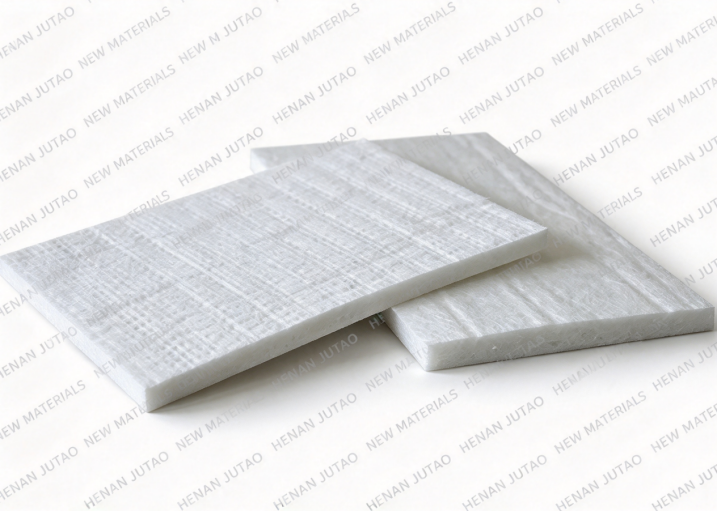
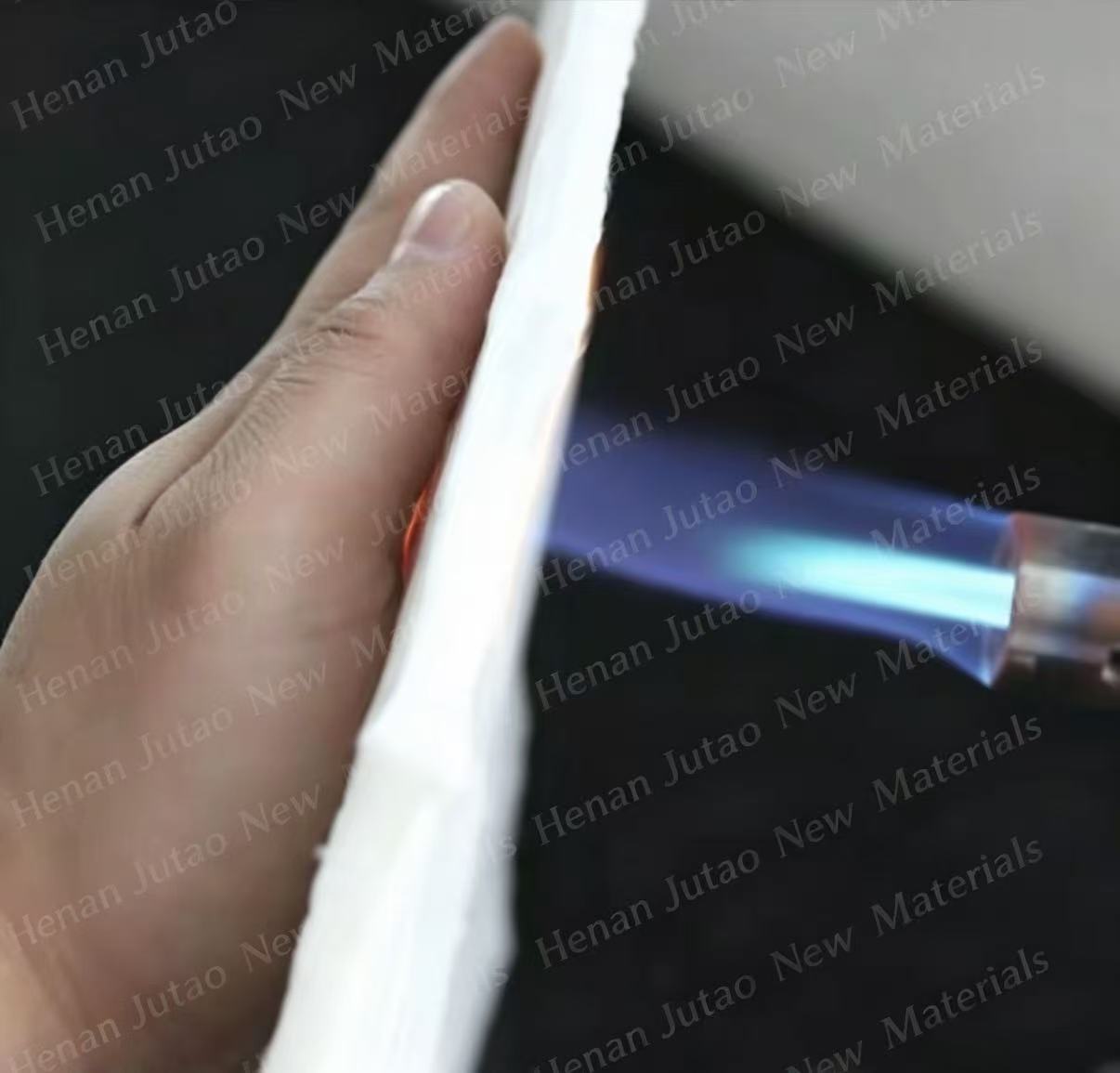
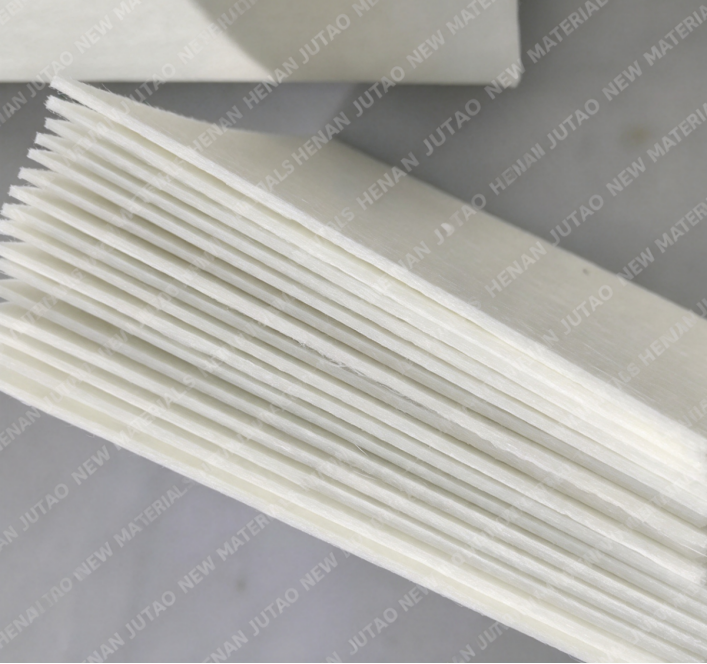
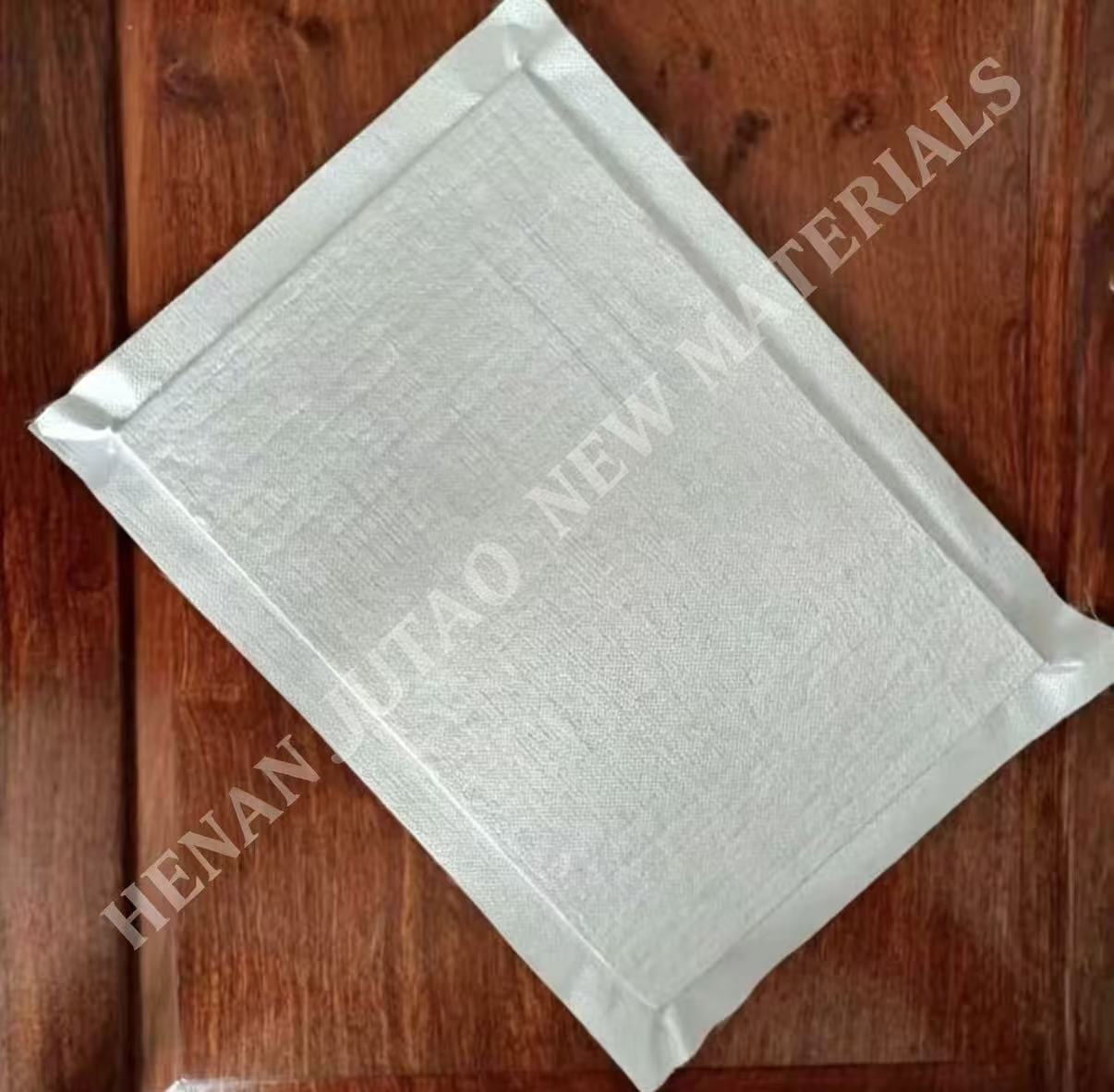
Where the geometry is a straight run and the line sits above roughly 250 degrees Celsius, a rigid high-temperature panel is frequently the better value, because it holds its thickness under load and resists the vibration that works a blanket loose around supports. A purpose-built high-temperature aerogel insulation panel in the JTG class gives the contractor a declared service ceiling, a stable thickness and a cut edge that does not fray during installation.
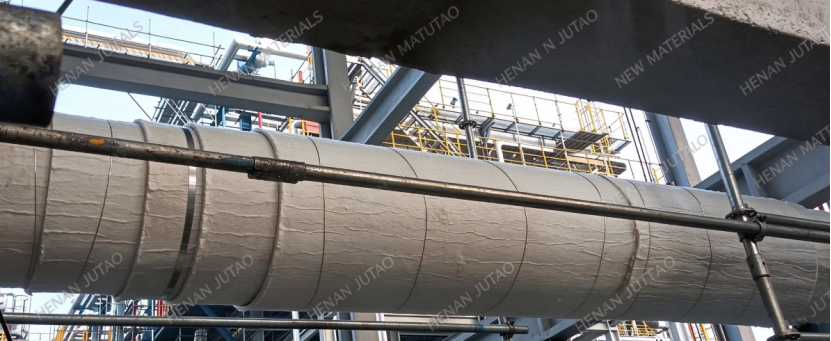
For straight steam mains inside a crowded rack, the high-temperature aerogel insulation panel in the JTG series is the format that most directly answers the clearance-versus-temperature problem, because it delivers its performance at a thickness a conventional multi-layer build simply cannot match in the same space.
Where the Blanket Still Wins
Blanket remains the correct answer wherever the geometry fights back: small-bore pipe, valves, flanges, expansion loops, instrument tees and every elbow in the plant. Flexibility is not a convenience feature on those items, it is the reason the insulation makes contact at all, and contact is what the thermal calculation assumes.
The trap is layering. On a 300 degree Celsius line, a single blanket layer may be inside its service limit while a two-layer build traps heat at the inner face and pushes the first layer past its ceiling. Contractors must check the inner-layer temperature of a multi-layer build, not the pipe temperature, and they should say so in the method statement.
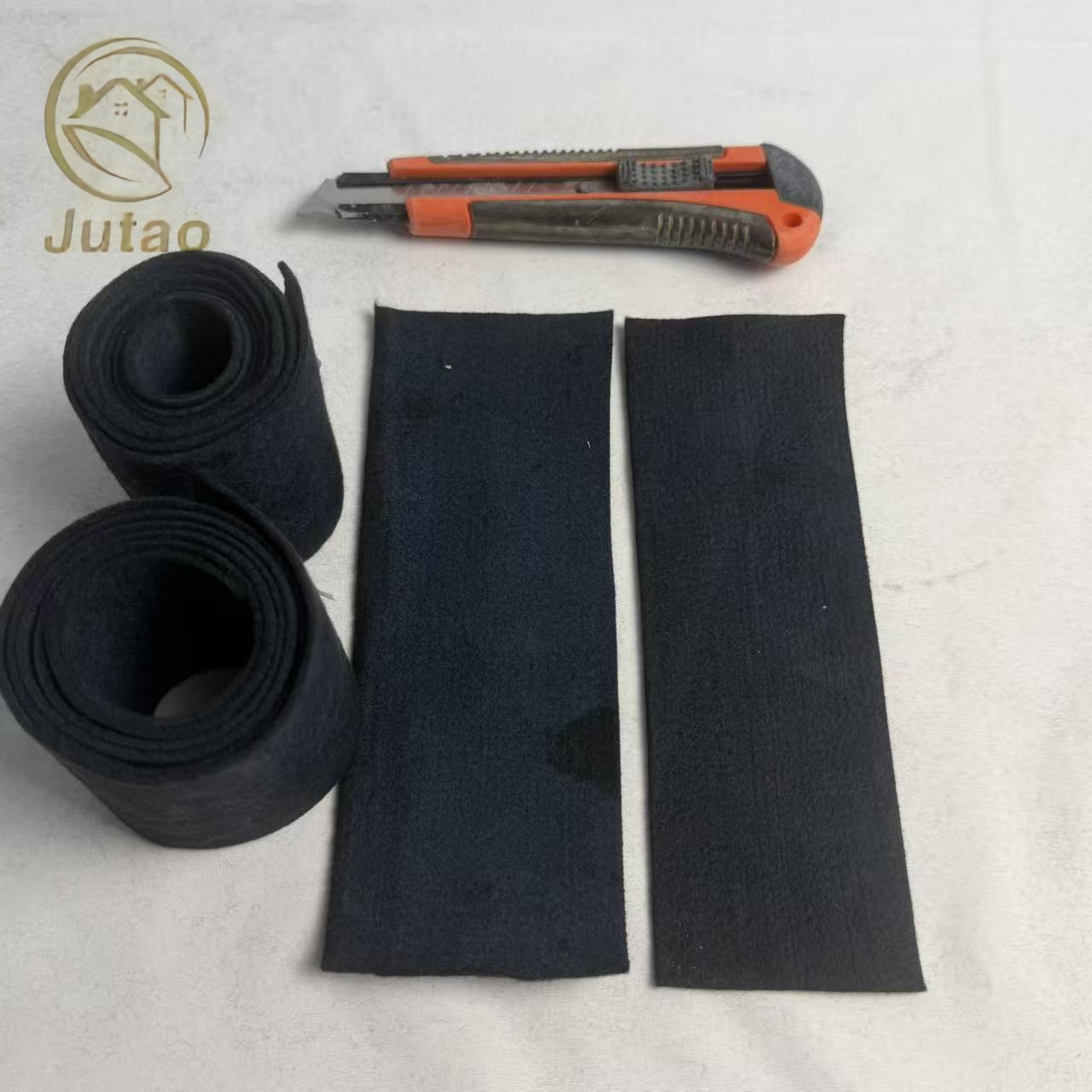
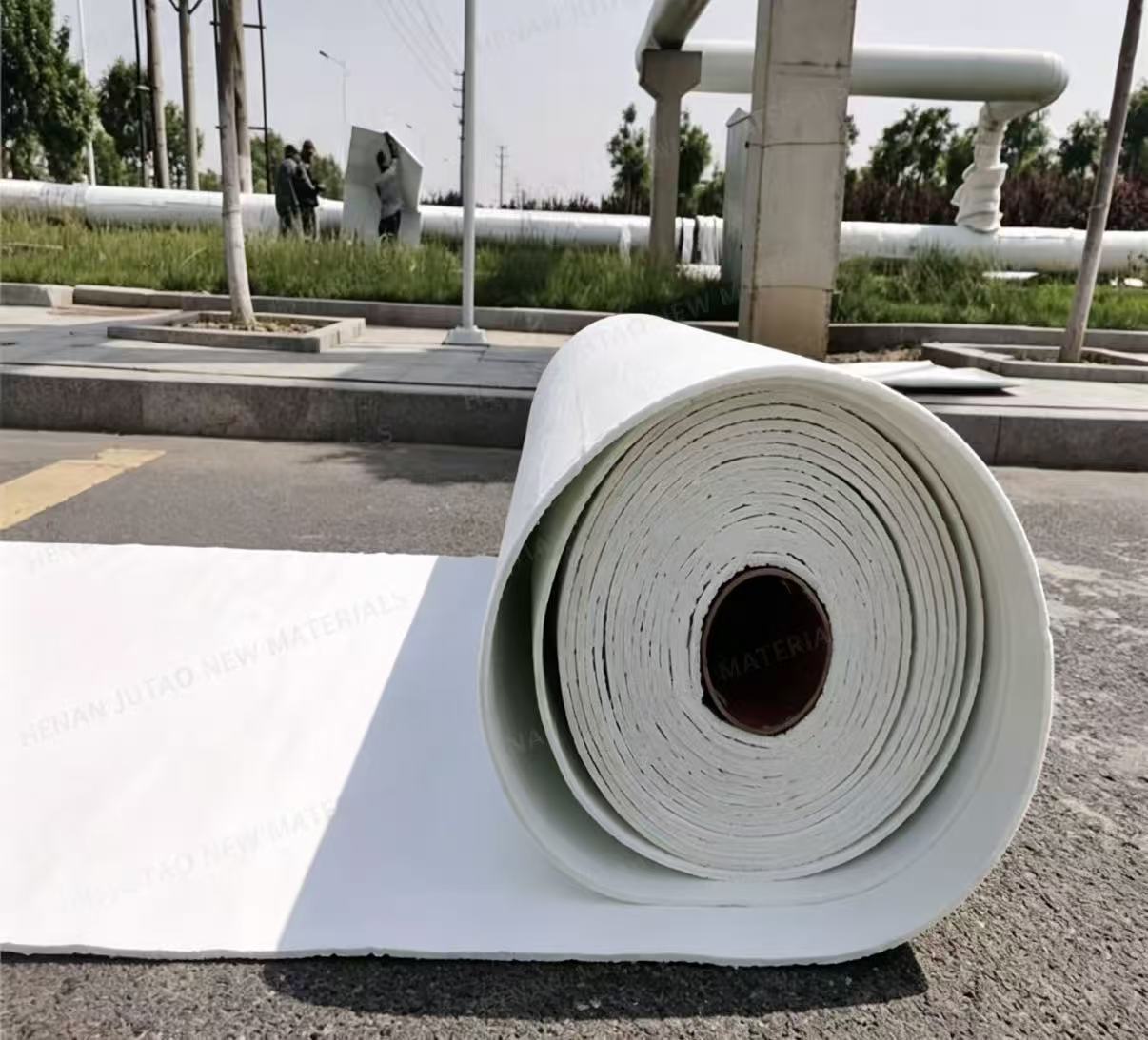
For irregular items and small-bore runs where the crew has to work around obstructions, an OEM aerogel insulation blanket supplied in roll form is still the practical default, provided the specified thickness is achieved in a single pass rather than by stacking two thinner cuts.
Foil Facing, Emissivity and the Personnel Protection Layer
Above about 250 degrees Celsius, radiative transfer across the insulation starts to matter more than conduction, and a facing changes the arithmetic. A foil-faced panel reflects a meaningful share of that radiative load back toward the pipe, which is why foil-faced formats routinely show a lower outer surface temperature than an unfaced panel of identical thickness.
This is also where safety and thermal performance stop being the same question. Personnel protection is a surface-temperature limit, typically around 60 degrees Celsius on a guarded surface, and it is satisfied by thickness and by the jacketing, not by conductivity alone. Write both targets into the schedule: a heat-loss figure in watts per metre and a maximum touch temperature, then check that one thickness satisfies both.
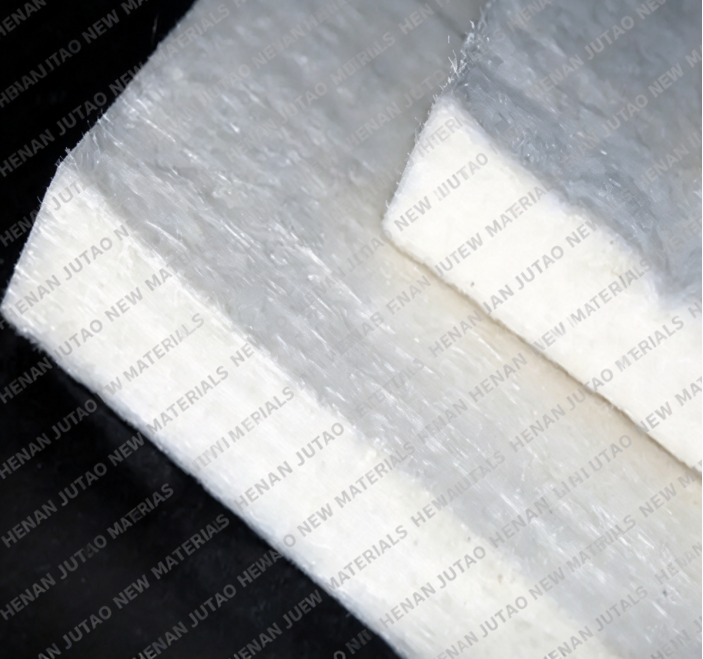
On high-temperature runs where radiant load and a cleanable outer surface both matter, a JTA series aerogel insulation panel with aluminium foil facing is worth specifying by name rather than by description, because "foil faced" is not a performance statement on its own.
Voids, Penetrations and the Places Blanket Cannot Reach
Every high-temperature line has geometry that defeats sheet goods: hanger penetrations, valve stem clearances, irregular equipment heads, and the gap behind a support saddle. These voids are where the thermal image of a finished job is always worst, and they are the reason an otherwise correct installation underperforms its own datasheet.
The fix is a granular fill rather than a compressed offcut. Stuffed blanket recovers, moves, and leaves a channel; a poured or packed granular fill stays where it is put. Contractors should budget granular fill as a line item per hundred metres rather than treating it as site improvisation.
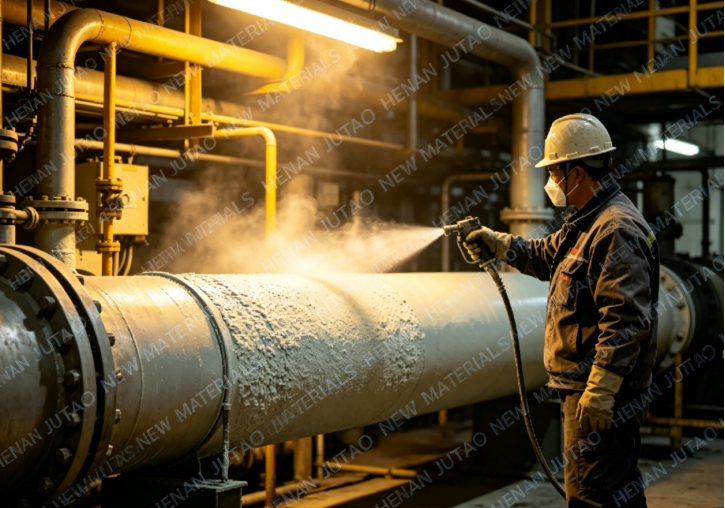
For those penetrations and irregular equipment heads, silica aerogel powders and granules are the correct consumable, and they should be written into the take-off alongside the blanket and panel quantities from the first revision of the bill.
Thickness, Shrinkage and What to Demand From the Mill
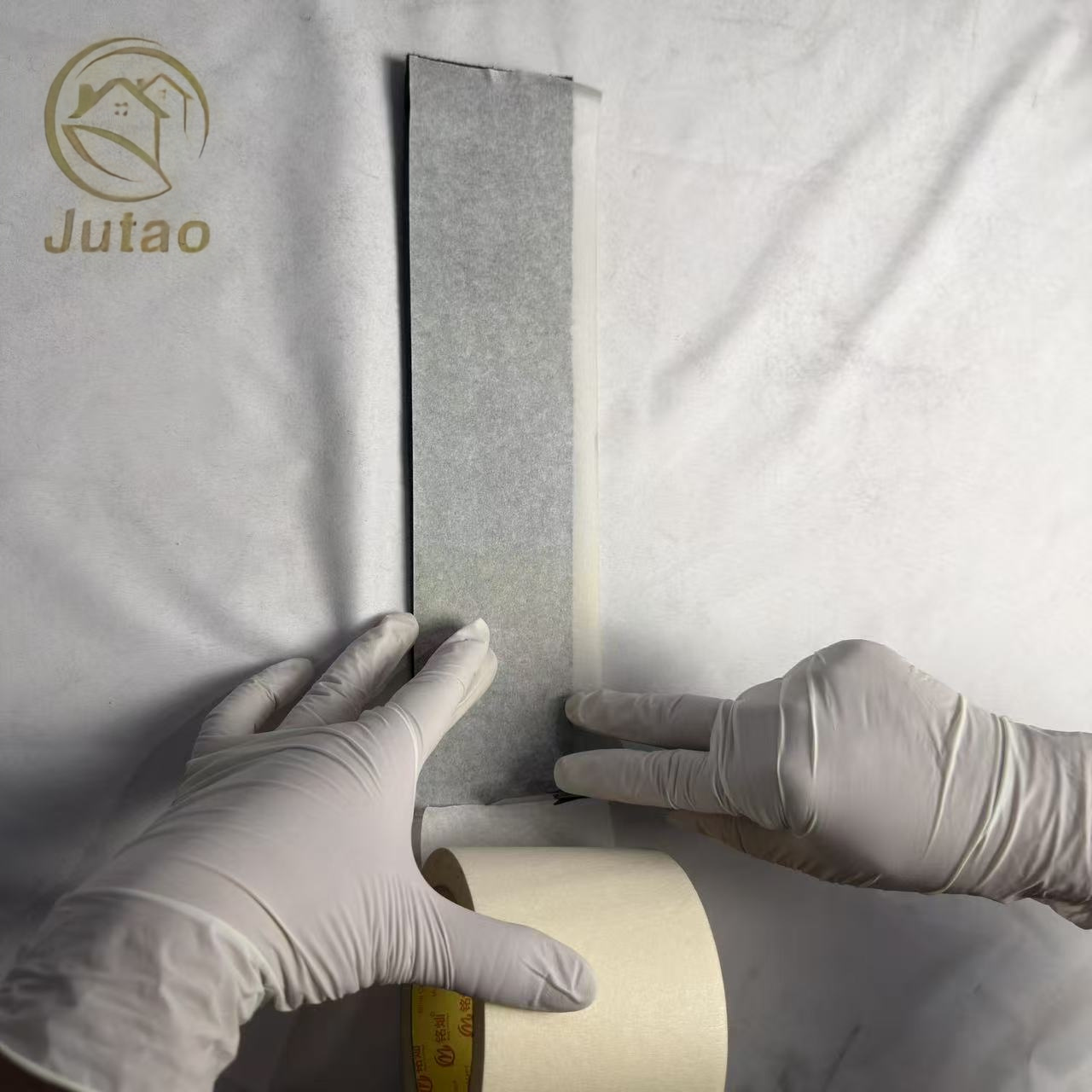
Compression at supports is the quiet killer of high-temperature builds. A material that recovers 90 percent after compression leaves a permanent thin spot at every saddle, and the thermal camera will find it. Ask for a compression-recovery figure measured at the service temperature, not at room temperature, because recovery behaviour changes with heat.
Shrinkage is the second one. Any organic content in the composite will eventually leave, and the material gets slightly thinner and slightly more brittle. A system specified to exact nominal thickness with no allowance will open a joint within a year of continuous high-temperature service. Build a small compression allowance into the specified thickness and stagger the joints.
Straight runs, elbows and equipment heads on the same project usually end up on two different formats, and there is nothing wrong with that. A general-purpose aerogel insulation blanket for general thermal duty handles the irregular scope while panels carry the straight mains, provided the service ceiling of each format is checked against the actual line temperature.
The Takeaway
Specify high-temperature aerogel by format, ceiling and facing, never by brand or by conductivity alone. Panels for straight runs, blanket for geometry, foil where radiant load matters, granules for voids, and a declared service temperature for each one. Contractors who write that level of detail into the enquiry stop competing on price per square metre and start competing on whether the line still meets its heat-loss guarantee in year three.