



News










Custom China Facade Systems Functional Aerogel Coatings for Adsorption, Sound Absorption and Noise Control
Silica (SiO₂) aerogel is widely recognized for its nanoporous structure, extremely high porosity and large internal surface area. In addition to thermal insulation, these characteristics provide opportunities for developing functional coatings for adsorption and acoustic applications.
By combining aerogel with suitable binders and functional additives, researchers and manufacturers can develop coating systems designed for air purification, pollutant adsorption, sound absorption and noise control.
- Aerogel Adsorption Coatings
The highly porous structure of silica aerogel provides a large internal surface area, which is one of its key advantages as an adsorption material.
Its nanoporous network and surface chemistry allow silica aerogel to interact with and adsorb certain gases, organic compounds and other substances. Compared with conventional porous adsorbents such as activated carbon, silica gel, alumina and molecular sieves, aerogel offers a different combination of pore structure, surface area and material properties.
Another important characteristic is its potential for adsorption and desorption. Under appropriate conditions, adsorbed substances can be released from the material, allowing the aerogel-based system to be regenerated and reused.
From Aerogel Powder to Functional Coatings
Although silica aerogel itself has attracted significant attention as an adsorption material, the development of aerogel-based adsorption coatings is still an emerging area.
In a coating system, aerogel particles are dispersed within a suitable binder or composite matrix. The resulting coating can provide an accessible porous surface while allowing the aerogel to be applied to walls, panels, equipment surfaces or other substrates.
This approach could make aerogel adsorption technology easier to integrate into practical applications.
Potential Applications
Aerogel adsorption coatings are being explored for applications such as:
* Air purification
* VOC and organic pollutant adsorption
* Water vapor adsorption
* Environmental treatment
* Filtration systems
* Chemical and pharmaceutical processing
Further development of surface modification, dispersion and regeneration technologies may help expand the practical use of aerogel-based adsorption coatings.
- Aerogel Sound Absorption and Acoustic Coatings
In addition to its thermal properties, silica aerogel has a low acoustic velocity and a highly porous structure, giving it potential for sound absorption applications.
The mechanism is related to the large number of interconnected pores within the material. When sound waves enter the porous structure, air movement within the pores generates friction and viscous losses. Part of the acoustic energy can therefore be converted into heat, reducing the amount of sound energy reflected from the surface.
Aerogel-Enhanced Acoustic Materials
Pure aerogel is not typically used as a standalone acoustic material. Instead, it can be combined with fibers, porous substrates or other sound-absorbing materials to form composite acoustic structures.
Another approach is to apply an aerogel-containing coating to the surface of an existing acoustic material. This can combine the properties of the base material with the functional characteristics of aerogel.
The final acoustic performance depends on factors such as porosity, coating thickness, pore structure, substrate properties and formulation.
Potential Applications
Aerogel-based acoustic materials and coatings can be considered for environments where both thermal and acoustic performance are important, including:
* Residential buildings
* Offices
* Commercial buildings
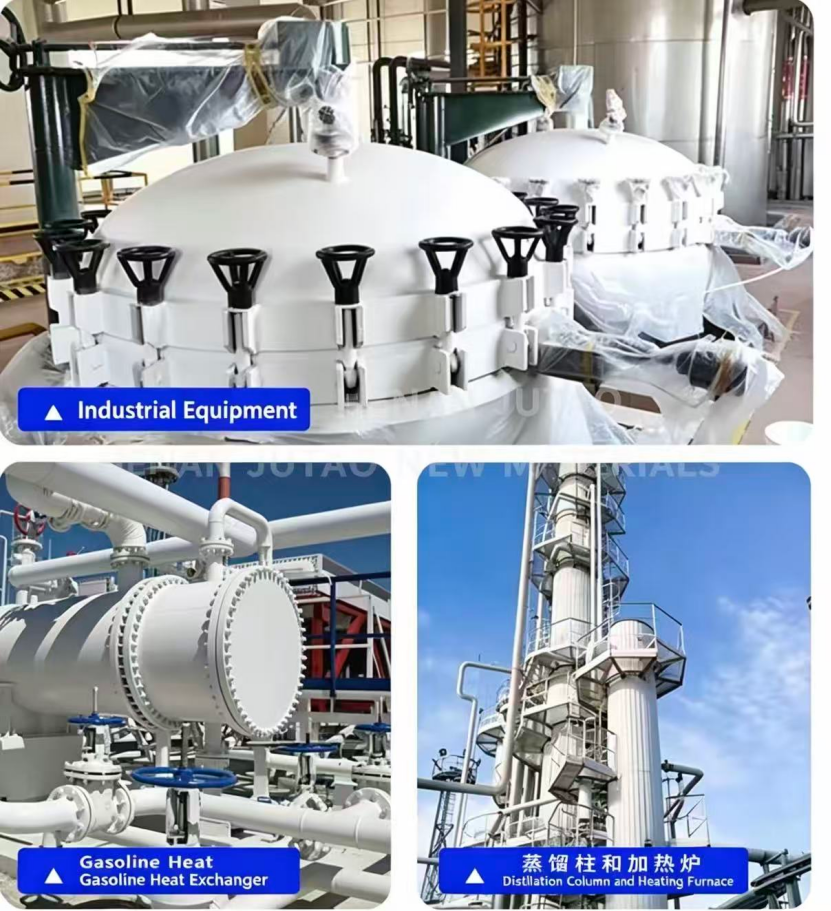
* Industrial equipment
* Mechanical rooms
* Transportation-related applications
Functional Aerogel Coatings for Multiple Applications
The versatility of silica aerogel comes from its combination of nanoporous structure, low density, large specific surface area and low thermal conductivity.
These characteristics allow aerogel to be incorporated into different functional coating systems rather than being limited to a single application.
Thermal insulation coatings focus on reducing heat transfer, high-temperature coatings provide thermal protection under elevated temperatures, fire-resistant coatings are designed to reduce heat exposure to substrates, while adsorption and acoustic coatings target environmental and noise-control functions.
As material formulation, dispersion and composite technologies continue to advance, functional aerogel coatings are creating new possibilities across construction, industrial equipment, environmental protection and acoustic engineering.
Jutao Environmental Technology — Specialists in Aerogel Material Solutions
Stay connected with us for the latest updates, industry insights and application solutions in the aerogel sector.
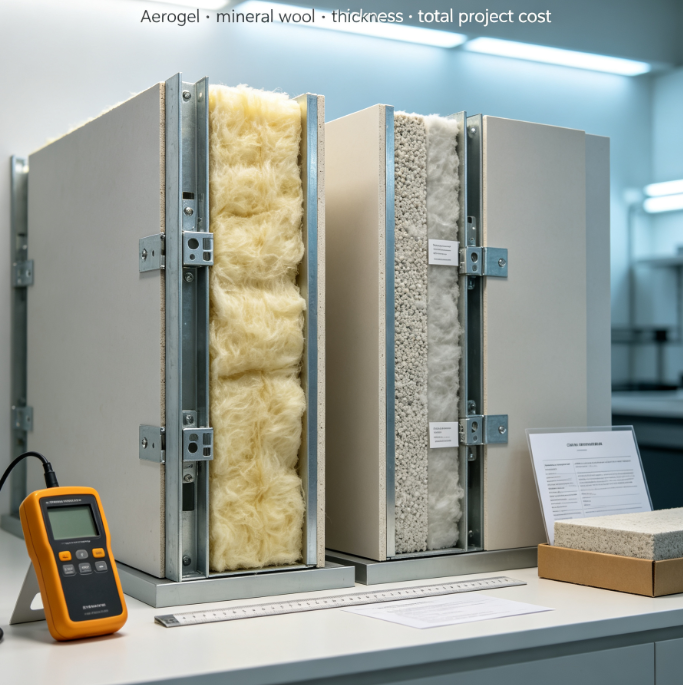
Installed Cost Per Metre: Why a Thinner Aerogel Layer Can Beat Mineral Wool on Total Project Cost
Wholesale China Gas Membrane Different Functional Aerogel Coatings: Thermal Insulation, High-Temperature and Fire Protection
Silica (SiO₂) aerogel is a lightweight nanoporous material featuring a three-dimensional network structure composed primarily of silica and air. It is known for its low density, high porosity, large specific surface area and low thermal conductivity, making it an attractive functional material for advanced coating technologies.
When incorporated into coating formulations, aerogel can provide additional functions such as thermal insulation, high-temperature resistance and fire protection. These properties have created growing opportunities for aerogel-based coatings in buildings, industrial equipment and high-temperature applications.
How Are Silica Aerogel Coatings Prepared?
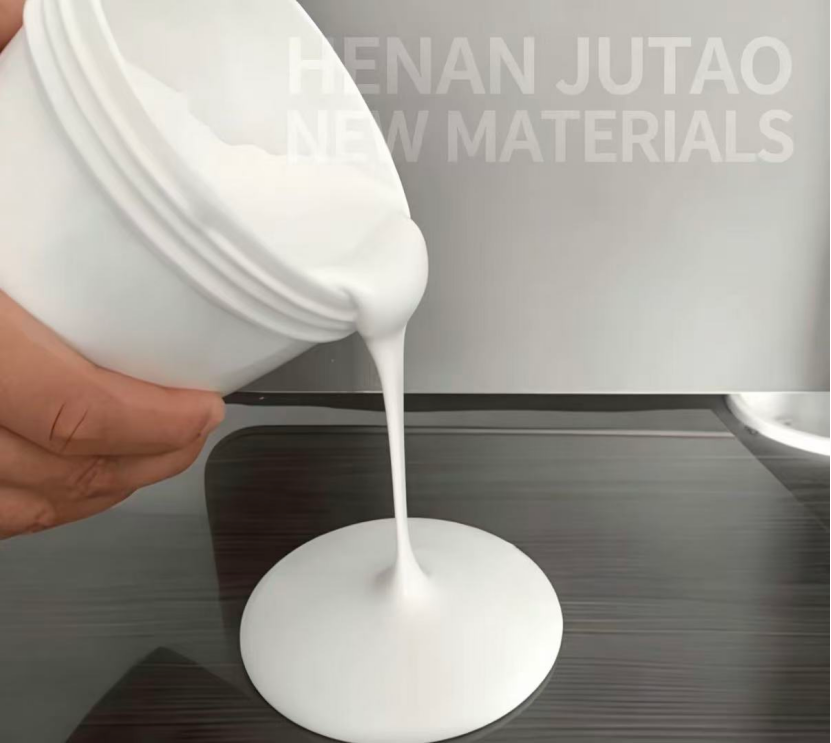
Aerogel coatings are generally prepared by first dispersing aerogel particles into a suitable liquid medium to produce an aerogel slurry. Stabilizers, dispersants and other additives are commonly used to improve the dispersion and stability of the nanoparticles.
The aerogel slurry is then combined with film-forming resins, solvents, functional additives and other fillers. High-speed dispersion and other mixing processes are used to obtain the final coating.
Among these processes, the preparation of the aerogel slurry is particularly important. Because aerogel particles are extremely lightweight and have a large specific surface area, controlling particle agglomeration and achieving uniform dispersion are essential for obtaining a stable coating with consistent performance.
- Aerogel Thermal Insulation Coatings
Thermal insulation is one of the most important applications of aerogel coatings.
The nanoporous structure and three-dimensional network of silica aerogel can reduce heat transfer through conduction and restrict air movement within the pores. Its porous structure also helps reduce heat transfer associated with convection and thermal radiation.
When incorporated into a coating, these characteristics can improve the thermal insulation performance of relatively thin coating layers.
Transparent Thermal Insulation Coatings
Silica aerogel can also be used in the development of transparent or translucent thermal insulation coatings for glass.
Depending on the formulation and functional additives, such coatings can be designed to maintain visible-light transmission while reducing the transmission of selected ultraviolet and near-infrared radiation. This makes them suitable for applications where both daylighting and solar heat control are required.
Potential applications include glass curtain walls, windows, sunrooms and other glazed building components. Compared with conventional opaque insulation systems, transparent thermal insulation coatings offer an alternative approach for improving the thermal performance of glass surfaces without completely blocking natural light.
Building Applications
Aerogel thermal insulation coatings can also be applied to walls and other building surfaces. Their thin-film application format can be useful where installation space is limited or where conventional insulation systems are difficult to install.
Potential applications include:
* Interior and exterior walls
* Warehouses and storage facilities
* Cold storage and refrigerated facilities
* Building renovation projects
* Areas requiring additional thermal protection
With their combination of low thermal conductivity, lightweight characteristics and thin-layer application, aerogel coatings are being explored as a complementary solution for energy-efficient building envelopes.
- Aerogel High-Temperature Coatings
High-temperature aerogel coatings are designed to provide thermal protection for substrates exposed to elevated temperatures.
Silica aerogel can maintain its nanoporous structure over a broad temperature range. However, at sufficiently high temperatures, the silica network may gradually shrink and undergo structural changes, resulting in reduced porosity and increased thermal conductivity.
To improve high-temperature stability, aerogel can therefore be combined with other heat-resistant materials. Depending on the target operating temperature, formulation strategies may include the use of ceramic fillers, inorganic hollow microspheres, high-temperature binders and other functional components.
Some aerogel-based high-temperature insulation coating formulations have demonstrated thermal conductivity in the range of approximately 0.027–0.031 W/(m·K) and temperature resistance up to around 600°C under specific test conditions.
Applications of High-Temperature Aerogel Coatings
The thin coating format allows the insulation thickness to be adjusted according to operating temperature and the required thermal protection level.
Potential applications include:
* High-temperature steam pipelines
* Industrial furnaces
* Petroleum and chemical processing equipment
* Engine components
* Metallurgical equipment
* High-temperature metal protection
By combining thermal insulation with a relatively thin coating layer, aerogel-based high-temperature coatings offer a flexible option for thermal management in industrial equipment.
- Aerogel Fire-Resistant Coatings
Aerogel can also be incorporated into fire-resistant coating systems designed to reduce heat transfer to protected substrates.
The nanoporous structure of silica aerogel contributes to its low thermal conductivity. When dispersed within a suitable coating matrix, aerogel can help form a thermal barrier between the heat source and the underlying substrate.
A dense nanoporous structure can also reduce direct contact between the protected surface and surrounding air. These characteristics make aerogel a potential functional filler for fire-resistant and thermal protection coatings.
Aerogel-based fire-resistant coatings can be developed for a range of applications where thermal protection is required, including building components, industrial equipment and other substrates.
The Future of Functional Aerogel Coatings
From building energy efficiency to industrial thermal protection, aerogel coatings are expanding beyond traditional insulation applications.
By combining aerogel with suitable resins, inorganic fillers and functional additives, manufacturers can develop coating systems with different performance characteristics for specific operating environments.
As formulation and dispersion technologies continue to improve, functional aerogel coatings are expected to find broader applications in energy-efficient buildings, industrial thermal management and fire protection.
Jutao Environmental Technology — Specialists in Aerogel Material Solutions
Stay connected with us for the latest updates, industry insights and application solutions in the aerogel sector.
Fire Classification, Smoke and Reaction-to-Fire: The Certificates Insulation Contractors Need Before an Aerogel Blanket Is Approved on Site
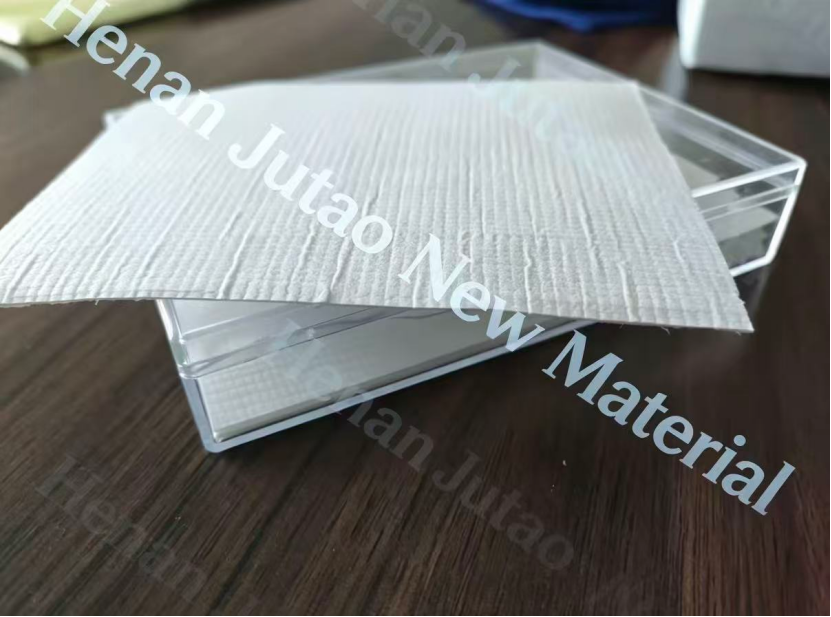
Custom China Facade Systems Vacuum Insulation Panels vs. Silica Aerogel: Which Is Better for Modular Buildings?
Energy-efficient modular construction requires insulation materials that can deliver high thermal performance while minimizing wall thickness and structural weight.
Among advanced insulation technologies, Vacuum Insulation Panels (VIPs) and silica aerogel insulation are two of the most promising solutions.
Both materials provide significantly better thermal insulation performance than conventional insulation products. However, their material structures, installation requirements and long-term performance characteristics are very different.
So, which material is better for modular buildings?
The answer depends on the specific application.
Thermal Performance Comparison
Thermal conductivity is one of the most important differences between VIPs and silica aerogel insulation.
Typical thermal conductivity values include:
Vacuum Insulation Panels:
Approximately 0.004–0.007 W/(m·K) under high-performance conditions.
Silica Aerogel Insulation:
Approximately 0.013–0.026 W/(m·K) depending on the product structure and application.
VIPs therefore provide significantly higher insulation performance per unit thickness.
For applications where insulation space is extremely limited, VIPs offer a major advantage.
However, silica aerogel insulation still provides much lower thermal conductivity than many conventional insulation materials while offering greater flexibility.
Wall Thickness and Space Utilization
Modular buildings are often limited by transportation dimensions.
Every increase in wall thickness can reduce usable interior space.
VIPs provide the highest thermal resistance with the smallest thickness.
This makes them particularly suitable for applications where maximum space efficiency is required.
Silica aerogel insulation also allows significant thickness reduction compared with conventional insulation systems.
Although aerogel generally requires a thicker layer than VIP to achieve the same thermal resistance, it can still provide important space-saving benefits.
Installation Flexibility
Installation flexibility is one of the major advantages of silica aerogel insulation.
Depending on the product design, aerogel blankets and composite insulation materials can often be:
* Cut
* Shaped
* Installed around complex geometries
* Integrated into irregular building components
VIPs are much more sensitive.
They generally cannot be cut, drilled or punctured.
Damage to the barrier envelope can cause vacuum loss and significantly reduce thermal insulation performance.
For this reason, VIPs require precise dimensional planning before installation.
For complex modular assemblies, aerogel insulation may therefore offer greater design flexibility.
Durability and Ageing
Silica aerogel insulation does not depend on maintaining an internal vacuum.
As a result, it is generally less sensitive to puncture damage than VIPs.
Its long-term performance mainly depends on factors such as:
* Moisture exposure
* Material degradation
* Composite structure
* Installation quality
VIPs face a different ageing mechanism.
Over time, atmospheric gases and water vapor can gradually penetrate the barrier envelope.
This increases internal pressure and reduces insulation performance.
VIP durability therefore depends heavily on barrier quality and mechanical protection.
Moisture Performance
Both materials require appropriate moisture management.
Hydrophobic silica aerogel products can provide good resistance to moisture.
However, extremely high humidity or water exposure may still affect thermal performance.
VIPs are protected by barrier envelopes designed to limit gas and water vapor penetration.
However, damage to the barrier layer can accelerate performance degradation.
For applications with complex installation conditions, silica aerogel may provide greater tolerance to handling and adjustment.
Fire Performance
Silica aerogel is based on an inorganic silica structure.
Its fire performance depends on the complete composite system and reinforcement materials used.
Certain aerogel insulation systems can achieve high fire classifications.
VIPs contain a non-combustible porous core but may also include polymer layers within the barrier envelope.
As a result, the fire performance of a VIP panel must be evaluated as part of the complete building assembly.
Both materials can be incorporated into fire-resistant modular building systems when properly designed and protected.
Acoustic Performance
Silica aerogel has potential advantages in sound absorption because of its highly porous internal structure.
Fiber-reinforced aerogel composites can contribute to both thermal and acoustic performance.
VIPs are generally less effective as standalone acoustic insulation materials.
They perform best when combined with additional mass and acoustic damping layers.
For modular buildings requiring both thermal insulation and improved sound absorption, aerogel-based composite systems may offer additional benefits.
Transportation and Prefabrication
VIPs are particularly suitable for factory-controlled prefabrication.
Precise manufacturing conditions allow panels to be accurately positioned and protected before transportation.
However, the panels remain sensitive to mechanical damage.
Silica aerogel insulation is generally more adaptable during manufacturing and installation.
Flexible blankets and composite materials can be easier to integrate into complex wall, roof and connection systems.
Therefore:
VIPs are ideal for precisely controlled applications.
Silica aerogel is ideal for applications requiring flexibility and adaptability.
Environmental Considerations
Both VIPs and silica aerogel insulation require more complex manufacturing processes than conventional insulation materials.
Their production can involve higher energy consumption and higher embodied environmental impacts.
However, their high thermal efficiency can reduce operational energy consumption during the building service life.
A complete environmental assessment should therefore consider:
* Manufacturing energy
* Material service life
* Operational energy savings
* Building life cycle
* End-of-life recycling
The best solution depends on the specific building design and expected energy performance.
Can VIP and Aerogel Be Used Together?
In many cases, the best insulation strategy may not involve choosing only one material.
A hybrid system can combine the advantages of both technologies.
VIPs can be used in areas where maximum thermal performance is required within extremely limited thickness.
Silica aerogel insulation can be used in:
* Complex joints
* Irregular geometries
* Building connections
* Areas requiring flexible installation
* Locations where cutting or shaping is necessary
This combination can help optimize thermal performance, installation efficiency and overall building design.
VIP vs. Silica Aerogel: Key Comparison
Choose VIPs When:
* Maximum thermal insulation is required
* Installation thickness is extremely limited
* Precise factory prefabrication is available
* Panels can be protected from mechanical damage
* Panel dimensions can be determined in advance
Choose Silica Aerogel When:
* Installation flexibility is important
* Complex shapes are involved
* Materials may need to be cut or shaped
* Lightweight insulation is required
* Thermal and acoustic performance are both important
Conclusion
Vacuum Insulation Panels and silica aerogel insulation are both advanced solutions for high-performance modular buildings.
VIPs provide the highest thermal insulation performance per unit thickness and are particularly suitable for space-constrained applications with precise factory-controlled installation.
Silica aerogel provides excellent thermal performance with greater flexibility, making it well suited for complex building assemblies and modular components that require cutting, shaping or adaptable installation.
Rather than viewing these materials as direct competitors, modular building designers can consider them as complementary technologies.
A combination of VIPs and silica aerogel insulation may provide the optimal balance between thermal efficiency, space utilization, installation flexibility and long-term building performance.
As modular construction continues to move toward higher energy efficiency and thinner building envelopes, both Vacuum Insulation Panels and silica aerogel insulation are expected to play an increasingly important role in the development of next-generation prefabricated buildings.
Jutao Environmental Technology — Specialists in Aerogel Material Solutions
Stay connected with us for the latest updates, industry insights and application solutions in the aerogel sector.
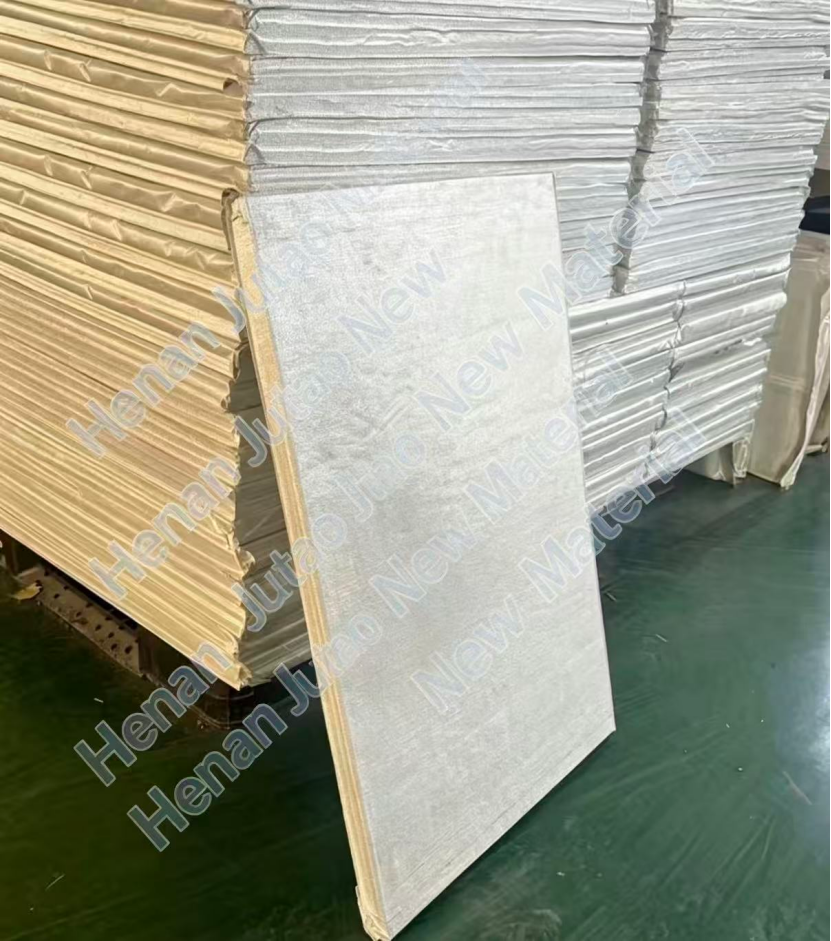
Wholesale China Gas Membrane Vacuum Insulation Panels for Modular Buildings: Performance and Application Analysis
Modular construction requires building materials that combine high performance with minimal thickness.
Transportation limitations, prefabrication requirements and the need to maximize usable interior space make insulation thickness an important design consideration.
Vacuum Insulation Panels, commonly known as VIPs, are among the highest-performance thermal insulation technologies currently available.
With extremely low thermal conductivity, VIPs can achieve excellent insulation performance with significantly less thickness than conventional insulation materials.
What Is a Vacuum Insulation Panel?
A typical Vacuum Insulation Panel consists of three main components:
- A porous core material
- A high-performance barrier envelope
- A getter and/or desiccant system
The core material is commonly made from fumed silica or other porous materials.
After the air inside the panel is evacuated, the porous core helps maintain the panel structure under atmospheric pressure while reducing heat transfer.
The barrier envelope is designed to limit the penetration of atmospheric gases and water vapor.
Getters and desiccants inside the panel absorb small amounts of gas and moisture that may gradually penetrate the barrier layer.
Together, these components allow the panel to maintain extremely high thermal insulation performance.
Extremely Low Thermal Conductivity
The main advantage of VIP technology is its very low thermal conductivity.
Fumed silica core VIPs can achieve initial center-of-panel thermal conductivity values of approximately:
0.004–0.005 W/(m·K)
This is significantly lower than conventional insulation materials and can also be lower than most other advanced insulation systems.
The combination of vacuum conditions and a porous core structure minimizes gas conduction and suppresses convection.
As a result, VIPs can provide high thermal resistance with extremely thin insulation layers.
For modular buildings, this can make a significant difference in wall thickness and available interior space.
Long-Term Performance and Ageing
One of the key considerations when using VIPs is long-term ageing.
Over time, atmospheric gases and water vapor can gradually diffuse through the barrier envelope.
As internal pressure increases, thermal conductivity also increases.
The long-term durability of a VIP depends on several factors, including:
* Barrier quality
* Manufacturing quality
* Installation conditions
* Mechanical protection
* Environmental exposure
Mechanical damage can significantly accelerate performance degradation.
For this reason, VIPs must be carefully protected during manufacturing, transportation and installation.
Moisture Management
Moisture management is closely related to the long-term durability of VIPs.
Water vapor that penetrates the barrier layer can increase internal pressure and reduce the effectiveness of the vacuum insulation system.
The barrier envelope and internal desiccant system therefore play an important role in maintaining the performance of the panel.
Modern VIP systems are designed to reduce gas and water vapor penetration, helping extend their service life.
However, installation quality remains critical.
Any puncture or damage to the barrier layer can significantly reduce insulation performance.
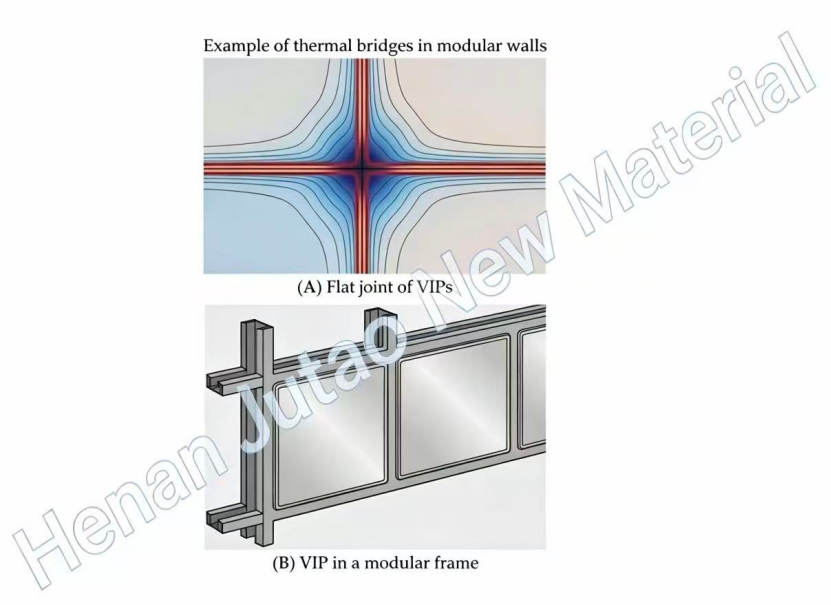
Thermal Bridge and Edge Effects
VIPs can experience edge effects because their barrier structures may contain metallic layers.
These materials have higher thermal conductivity than the porous insulation core.
As a result, heat can be transferred around the perimeter of the panel, creating a thermal bridge.
This means the effective thermal performance of a complete VIP installation may be different from the thermal conductivity measured at the center of the panel.
Edge effects become more important when:
* Smaller panels are used
* Numerous panel joints are present
* The perimeter-to-area ratio is high
For modular buildings, designers should therefore evaluate the complete insulation system rather than considering only the center-of-panel thermal conductivity.
Fire Performance
The fire performance of a Vacuum Insulation Panel depends on the complete panel structure.
The fumed silica core itself is generally non-combustible.
However, the multilayer barrier envelope may contain polymer materials.
As a result, the fire performance of the complete panel can differ from that of the core material.
VIPs can achieve improved fire performance when incorporated into certified building assemblies with protective materials such as:
* Non-combustible boards
* Fire-resistant cladding
* Concrete layers
* Protected façade systems
For modular buildings, VIPs should therefore be evaluated as part of the complete wall, roof or façade system.
Acoustic Performance
Individual VIP panels generally have limited acoustic insulation performance when used alone.
Their relatively low surface mass and stiff barrier structure can limit their ability to reduce airborne noise.
However, acoustic performance can be improved by combining VIPs with other building materials.
Suitable multilayer systems may include:
* Gypsum fiber boards
* Dense polymer layers
* Acoustic damping materials
* High-density wall panels
This approach allows modular buildings to combine high thermal insulation performance with improved indoor acoustic comfort.
Installation Requirements
VIPs require precise design and careful installation.
The panels should generally not be:
* Cut
* Drilled
* Nailed
* Screwed through
* Punctured
Any damage to the barrier envelope can result in vacuum loss and a significant reduction in insulation performance.
Therefore, panel dimensions and service penetrations should be determined during the design and manufacturing stages.
Protective layers may also be used to reduce the risk of mechanical damage during transportation and installation.
For modular buildings, factory-controlled installation provides an important advantage.
Panels can be accurately positioned and protected before the complete building module is transported to the construction site.
Environmental Considerations
VIP production involves energy-intensive processes and advanced materials, including porous silica cores, multilayer barrier films and vacuum technology.
As a result, the embodied environmental impact can be higher than that of conventional insulation materials.
Recycling can also be challenging because VIPs combine multiple materials within a sealed structure.
However, their extremely high insulation performance can help reduce operational energy consumption throughout the service life of a building.
For space-constrained modular buildings, the ability to achieve high thermal performance with minimal thickness can also contribute to more efficient building design.
Why VIPs Are Suitable for Modular Buildings
Vacuum Insulation Panels provide several important advantages:
* Extremely low thermal conductivity
* Very thin insulation thickness
* High space efficiency
* Excellent performance in limited installation spaces
* Compatibility with factory-controlled prefabrication
However, successful application requires:
* Accurate panel dimensions
* Careful handling
* Mechanical protection
* Proper consideration of edge effects
* No cutting or drilling after installation
Conclusion
Vacuum Insulation Panels represent one of the most efficient insulation technologies available for modular buildings.
Their extremely low thermal conductivity allows high thermal resistance to be achieved with minimal wall thickness.
This makes VIPs particularly suitable for prefabricated buildings where transportation dimensions and interior space are strictly limited.
However, VIPs require precise design, careful handling and effective mechanical protection.
When properly integrated into a modular building system, VIP technology can provide an effective solution for achieving high energy efficiency while maximizing available interior space.
Jutao Environmental Technology — Specialists in Aerogel Material Solutions
Stay connected with us for the latest updates, industry insights and application solutions in the aerogel sector.
Custom China Aerogel Panels Silica Aerogel Insulation for Modular Buildings: Performance and Advantages
As energy efficiency and low-carbon construction continue to shape the global building industry, modular buildings are increasingly adopting advanced insulation technologies to reduce heat loss and improve space utilization.
Unlike conventional construction, modular buildings are often subject to strict transportation dimensions and factory prefabrication requirements. This makes wall thickness, component weight and insulation efficiency particularly important.
Among advanced thermal insulation materials, silica aerogel has attracted growing attention because of its extremely low thermal conductivity, lightweight structure and excellent adaptability.
What Is Silica Aerogel?
Silica aerogel is a highly porous solid material with a porosity typically ranging from 95% to 99%.
Its internal structure consists of a three-dimensional silica network in which the liquid phase has been replaced by gas. This unique nanoporous structure significantly reduces heat transfer through both the solid structure and the gas phase.
Silica-based aerogel insulation materials are widely used in high-performance thermal insulation applications. Their nanoscale pore structure helps limit gas conduction and suppress thermal convection.
One of the key mechanisms behind this performance is known as the Knudsen effect.
When the pore size becomes smaller than or comparable to the mean free path of air molecules, collisions between gas molecules and the pore walls become more frequent. This reduces gas-phase thermal conduction and contributes to the extremely low thermal conductivity of the material.
Excellent Thermal Insulation Performance
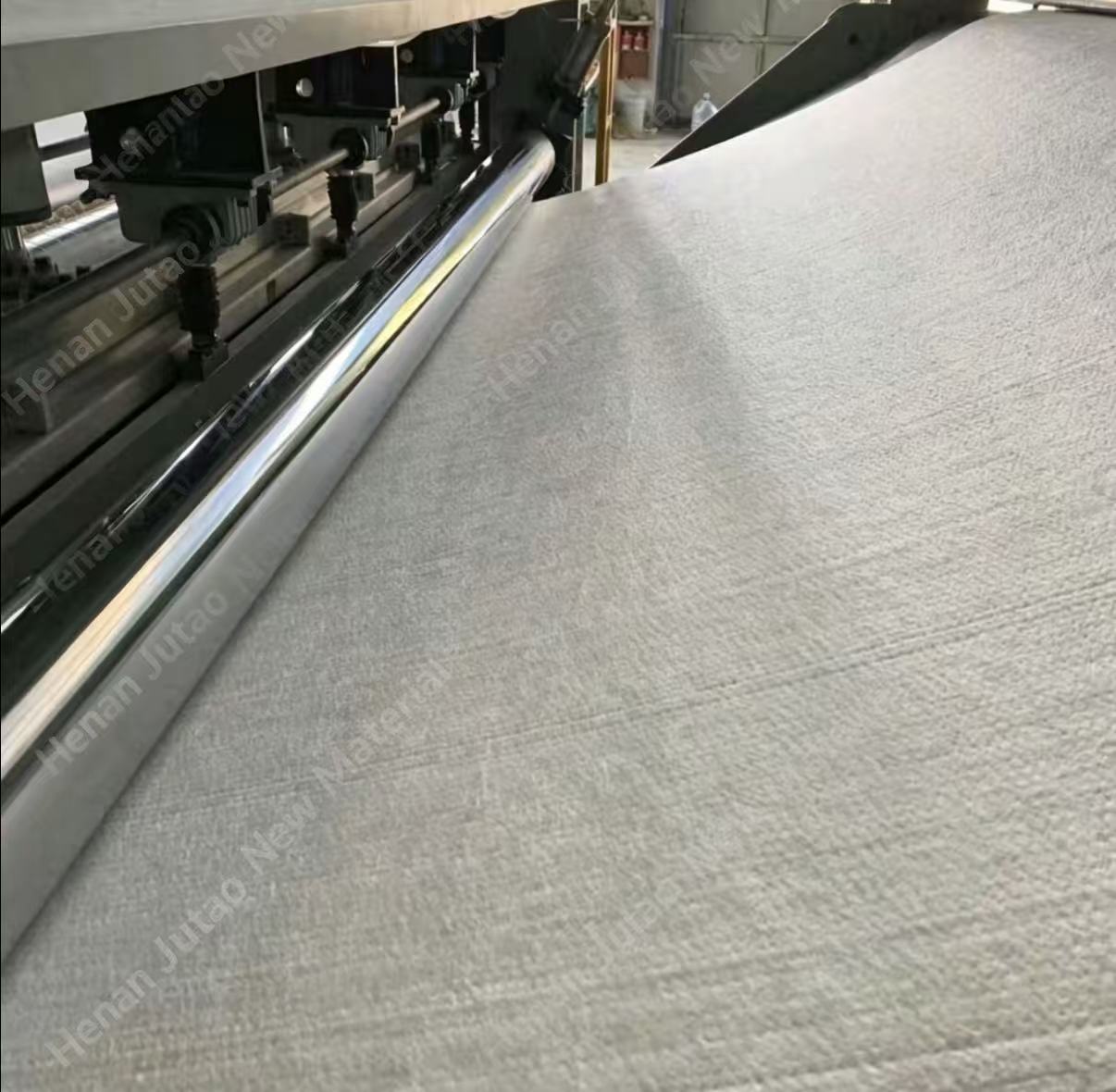
Commercial silica aerogel insulation products are commonly supplied in the form of flexible blankets, boards or composite insulation materials.
Their thermal conductivity is typically within the range of:
0.013–0.026 W/(m·K)
This is significantly lower than that of many conventional insulation materials.
As a result, a relatively thin aerogel insulation layer can provide thermal resistance comparable to a substantially thicker layer of mineral wool or other traditional insulation materials.
For modular buildings, thinner insulation systems can provide several important benefits:
* Reduced wall thickness
* Increased usable interior space
* Improved thermal performance
* Lower structural weight
* Greater flexibility in prefabricated building design
Depending on the insulation system and design requirements, aerogel-based solutions can significantly reduce the thickness required to achieve a target thermal performance.
Acoustic Performance
The nanoporous structure of silica aerogel can also provide potential acoustic benefits.
Its highly developed pore network creates airflow resistance and viscous dissipation, allowing part of the sound energy to be absorbed within the material.
The acoustic performance of aerogel insulation depends on several factors, including:
* Density
* Material thickness
* Fiber reinforcement
* Composite structure
* Installation method
Fiber-reinforced aerogel insulation materials can provide a useful combination of thermal insulation and sound absorption.
For lightweight modular wall and partition systems, this can help improve indoor comfort without significantly increasing wall thickness.
Moisture Resistance and Humidity Performance
Many commercial silica aerogel insulation products are designed with hydrophobic properties.
Under moderate humidity conditions, properly protected aerogel insulation can maintain relatively stable thermal performance.
However, under extremely high humidity, moisture accumulation may increase thermal conductivity.
Because water has a significantly higher thermal conductivity than air, excessive moisture inside an insulation system can reduce its thermal efficiency.
Therefore, effective waterproofing and moisture management remain important in modular building envelope design.
When properly integrated into a building system, hydrophobic aerogel insulation can help reduce moisture accumulation while maintaining long-term thermal performance.
Fire Performance
Silica is an inorganic material and does not burn.
The fire performance of a commercial aerogel insulation product depends on the type of fiber reinforcement and composite materials used.
Certain aerogel insulation systems can achieve high fire-resistance classifications, making them suitable for building applications where both thermal insulation and fire safety are important.
High-temperature aerogel materials can also maintain structural stability at elevated temperatures.
For modular construction, this provides an important advantage because lightweight building systems often require materials that combine thermal efficiency with enhanced fire safety.
Lightweight and Flexible Installation
One of the major advantages of silica aerogel insulation compared with rigid super-insulation systems is its flexibility.
Aerogel blankets and composite insulation materials can often be:
* Cut to size
* Shaped for irregular surfaces
* Installed around complex geometries
* Integrated into wall and roof assemblies
This flexibility is particularly useful in modular construction, where joints, connections and prefabricated components may have complex shapes.
Aerogel insulation can therefore provide an effective solution in areas where rigid insulation panels are difficult to install.
Environmental Considerations
The production of silica aerogel can require significant energy, particularly depending on the manufacturing and drying process.
As a result, its embodied environmental impact may be higher than that of conventional insulation materials.
However, life-cycle performance should also consider operational energy savings.
By reducing heat loss and improving building energy efficiency, high-performance insulation materials can contribute to lower energy consumption throughout the service life of a building.
For high-performance modular buildings, the space-saving and energy-saving benefits of aerogel insulation may help improve the overall environmental performance of the building system.
Why Silica Aerogel Is Suitable for Modular Buildings
Silica aerogel insulation offers several advantages for modular construction:
* Low thermal conductivity
* Lightweight structure
* Reduced insulation thickness
* Flexible installation
* Compatibility with complex geometries
* Potential acoustic benefits
* Good moisture resistance
* Strong fire performance depending on the composite system
For modular buildings where transportation dimensions and usable interior space are important, silica aerogel can provide a highly efficient and flexible insulation solution.
Conclusion
Silica aerogel represents one of the most advanced insulation technologies available for high-performance modular buildings.
Its nanoporous structure, low thermal conductivity and lightweight characteristics allow building designers to reduce insulation thickness while maintaining high thermal efficiency.
Compared with conventional insulation materials, aerogel insulation offers greater space efficiency and installation flexibility.
As modular construction continues to develop toward higher energy efficiency and improved building performance, silica aerogel insulation is expected to play an increasingly important role in lightweight walls, roofs and prefabricated building envelope systems.
Jutao Environmental Technology — Specialists in Aerogel Material Solutions
Stay connected with us for the latest updates, industry insights and application solutions in the aerogel sector.
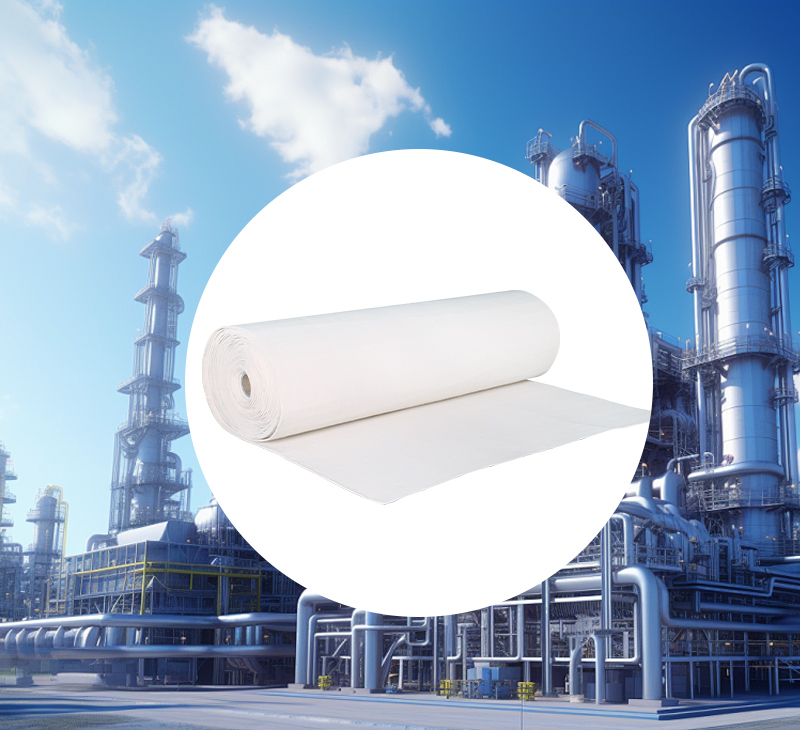
Water Uptake, Hydrophobicity and Corrosion Under Insulation: Specifying Aerogel Blankets for Outdoor Pipe and Tank Runs
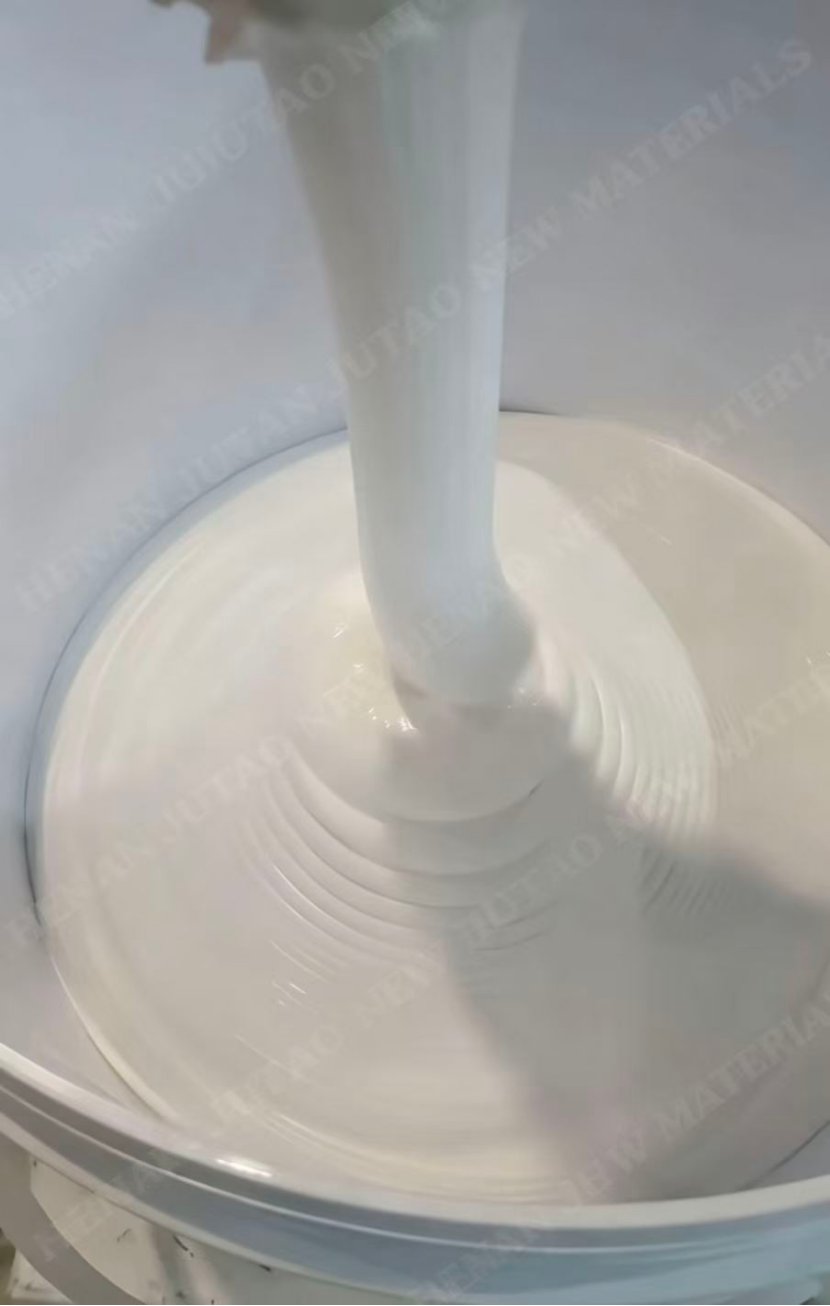
Custom China Aerogel Panels High-Temperature-Resistant Components and Functions of Aerogel Coatings
As demand continues to grow for industrial energy efficiency, building insulation and advanced thermal management, silica aerogel thermal insulation coatings are gradually expanding from high-end specialty applications into a wider range of industrial and construction markets.
Thanks to their lightweight structure, low density, low thermal conductivity and nanoporous architecture, aerogel coatings can provide effective thermal insulation within a relatively thin coating thickness. With continued progress in high-temperature modification technologies, their potential applications are expanding across battery thermal protection, industrial pipelines, high-temperature equipment, transportation systems, building insulation and other thermal management applications.
Key Advantages of Aerogel Thermal Insulation Coatings
Compared with conventional thermal insulation materials, aerogel-based coatings offer several important advantages.
Low Thermal Conductivity
Depending on the formulation and testing conditions, some aerogel insulation coatings can achieve thermal conductivity values of approximately 0.03–0.04 W/(m·K), helping to reduce heat transfer through equipment surfaces and building envelopes.
Thin Insulation Layers and Space Saving
Aerogel coatings can be applied by spraying or other coating methods to form millimetre-scale insulation layers. This makes them particularly suitable for applications where installation space is limited, including complex equipment, pipelines, irregular surfaces and localized thermal protection areas.
High-Temperature and Fire-Resistant Potential
When formulated with inorganic or high-temperature-resistant components, aerogel coatings can provide improved thermal stability under elevated temperatures while helping to reduce the risk of coating damage caused by heat exposure.
Flexible Application on Complex Surfaces
Aerogel coatings can be applied to flat surfaces, curved surfaces and complex geometries. Through proper formulation of binders, inorganic components and functional fillers, additional properties such as moisture resistance, adhesion and long-term durability can also be improved.
However, pure silica aerogel still presents certain challenges in practical applications. Its porous structure can result in relatively high brittleness and limited mechanical strength. Under prolonged exposure to elevated temperatures, structural shrinkage and changes in the aerogel network may also lead to reduced insulation performance.
For this reason, improving high-temperature stability through advanced binder systems, functional fillers, reinforcing fibres and aerogel matrix modification has become an important direction in aerogel coating development.
Major High-Temperature-Resistant Components in Aerogel Coatings
At present, the main approaches used to improve the high-temperature stability of silica aerogel coatings can generally be divided into four areas:
* High-temperature-resistant binder and film-forming systems
* Multi-scale functional thermal insulation fillers
* High-strength, high-temperature-resistant reinforcing fibres
* High-temperature modification of the aerogel matrix
- High-Temperature Binder Systems: The Foundation of Coating Stability
The binder system plays a critical role in determining coating adhesion, film formation, processability and long-term temperature resistance.
Conventional organic resins often provide good flexibility and ease of application, but their performance may decline at elevated temperatures. Purely inorganic binders, on the other hand, may require more demanding processing conditions and can introduce brittleness.
As a result, hybrid or composite binder systems have become an important technical approach for high-temperature aerogel coatings.
For example, modified silica aerogel and hollow ceramic microspheres can be used as the primary insulation components, while alkaline silica sol, modified silicone emulsions and silane coupling agents can be combined to form a composite binder system. Additional high-temperature functional materials, such as hexagonal boron nitride and aluminium silicate powders, may also be incorporated.
With appropriate formulation design, such systems can maintain relatively low thermal conductivity while improving adhesion, crack resistance and structural stability at elevated temperatures. Depending on formulation and application conditions, thermal conductivity values around 0.036 W/(m·K) at ambient temperature may be achievable.
- Functional High-Temperature Fillers: Building a Multi-Scale Thermal Barrier
High-temperature fillers do more than simply reduce heat transfer. They can also contribute to mechanical reinforcement, thermal stability and resistance to thermal radiation.
Hollow Ceramic Microspheres
Hollow ceramic microspheres offer low density and good temperature resistance. When incorporated into a coating, they can help create closed or semi-closed insulating structures within the material.
When combined with aerogel and high-temperature fibre materials, hollow ceramic microspheres can contribute to a multi-scale thermal insulation system and improve stability in medium- and high-temperature environments.
Hexagonal Boron Nitride
Hexagonal boron nitride is a high-performance ceramic material with a layered structure and excellent chemical stability.
When properly dispersed and incorporated at an appropriate loading level, it can help optimise the microstructure and processing characteristics of aerogel coating formulations.
Composite Refractory Powders
Aluminium silicate, alumina, titanium dioxide and other high-temperature inorganic powders can be combined according to specific operating temperatures and performance requirements.
Certain inorganic materials with high reflectivity can also help reduce the absorption of thermal radiation, contributing to improved insulation performance in high-temperature environments.
By combining functional powders with different particle sizes and characteristics, it is possible to build a multi-scale thermal barrier structure that improves the overall heat resistance of the coating.
- High-Temperature Reinforcing Fibres: Improving Mechanical Stability
While aerogel materials offer a highly porous structure and excellent insulation potential, their mechanical strength may be limited.
To reduce the risk of cracking, brittle failure or coating detachment under elevated temperatures, fibre reinforcement has become an important modification strategy.
Common reinforcing fibres include:
* Mullite fibre
* High-alumina ceramic fibre
* Aluminium silicate fibre
* Chopped glass fibre
Ultra-fine high-temperature fibres can form a three-dimensional supporting network within the coating, improving crack resistance and structural integrity.
When combined with an aerogel matrix, reinforcing fibres can also improve material stability under thermal shock and repeated temperature cycling.
- High-Temperature Modification of the Aerogel Matrix
In addition to external binders, fillers and reinforcing fibres, modifying the aerogel matrix itself is an important route for improving long-term thermal stability.
The main approaches include the following.
Oxide Composite Modification
Introducing high-temperature oxides such as alumina and zirconia can improve the structural stability of aerogel materials at elevated temperatures.
Certain infrared-blocking components can also help reduce radiative heat transfer, providing additional support for high-temperature thermal insulation.
Elemental Doping
Specific elemental doping can modify the microstructure and high-temperature shrinkage behaviour of silica aerogels, improving resistance to deformation and enhancing thermal stability.
Some functional elements may also contribute to improved infrared radiation shielding.
Flexible Fibre Composite Modification
Deep integration of aerogel materials with high-performance flexible fibres can improve compression resistance, bending resistance and thermal shock resistance while maintaining low density and effective thermal insulation.
This approach is particularly suitable for applications involving vibration, deformation or repeated temperature changes.
Flexible Aerogel Materials Create New Possibilities for Coating Applications
As industrial operating environments become increasingly demanding, low thermal conductivity alone is no longer sufficient for many advanced applications.
Future high-performance aerogel coatings are expected to combine:
* Efficient thermal insulation
* High-temperature stability
* Mechanical strength
* Crack resistance
* Flexibility
* Long-term durability
Jutao New Materials continues to develop flexible aerogel material technologies designed to improve structural stability under compression, bending, vibration and thermal shock.
By optimising aerogel structures and composite reinforcement technologies, flexible aerogel materials can provide improved mechanical adaptability while maintaining effective thermal insulation performance.
These developments can provide additional material options for thermal insulation coatings used on complex equipment, vibrating systems and demanding thermal management applications.
Conclusion
High-temperature resistance is one of the key factors driving the expansion of aerogel thermal insulation coatings into a broader range of industrial applications.
Through the combined use of high-temperature binder systems, functional inorganic fillers, reinforcing fibres and aerogel matrix modification technologies, aerogel coatings are evolving from simple insulation materials into multifunctional systems capable of providing thermal insulation, high-temperature stability, mechanical integrity and long-term durability.
As formulation technologies and aerogel modification techniques continue to advance, aerogel thermal insulation coatings are expected to play an increasingly important role in industrial energy saving, high-temperature pipelines, energy systems, transportation and building thermal management.
For specific operating environments, the actual temperature resistance and performance of an aerogel coating should be evaluated according to the formulation, testing standards, application method and service conditions.
Jutao Environmental Technology — Specialists in Aerogel Material Solutions
Stay connected with us for the latest updates, industry insights and application solutions in the aerogel sector.
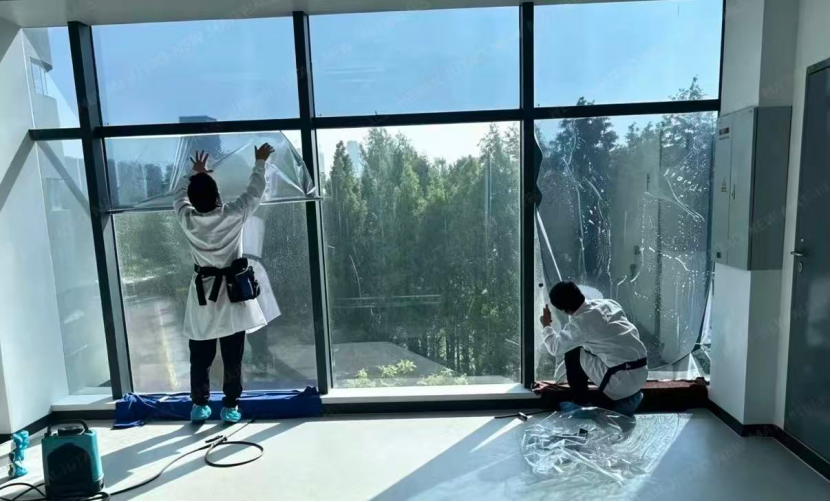
Aerogel Wall Manufacturer Aerogel Transparent Insulation Film: Balancing Natural Daylight and High-Performance Thermal Insulation
As high-temperature weather continues to affect many regions around the world, building cooling demand and energy consumption have become increasingly important concerns. For modern buildings featuring glass curtain walls, floor-to-ceiling windows, sunrooms, and other large glazed structures, glass provides abundant natural daylight and visual transparency but can also become a major pathway for solar heat to enter indoor spaces.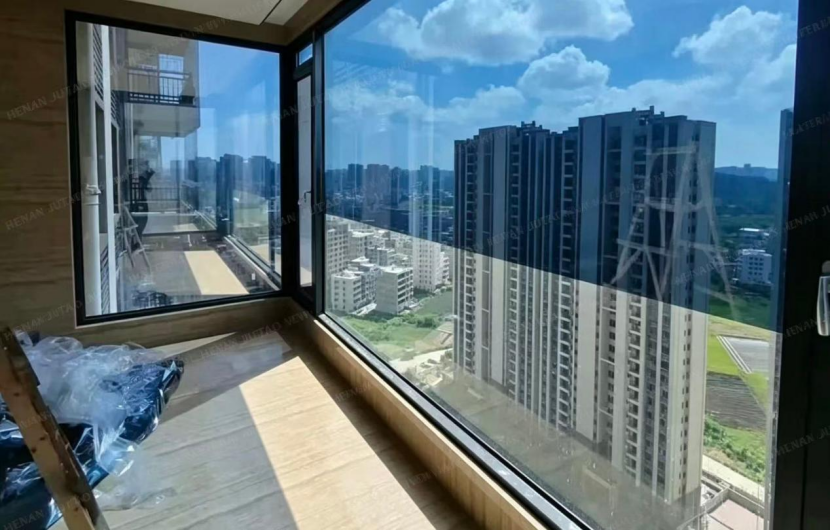
Traditional solar control films can help reduce solar heat gain, but they often reduce visible light transmission and make indoor spaces darker. As a result, achieving both effective thermal insulation and sufficient natural daylight has become an important challenge in the building energy-efficiency sector.
Aerogel Technology for High-Performance Transparent Insulation
To address the thermal insulation challenges associated with glazed building structures, SAC Aerogel Transparent Insulation Film combines a nanoporous aerogel structure with a transparent polymer substrate to provide a lightweight and high-transparency thermal insulation solution for glass surfaces.
Aerogel features a highly porous nanoscale structure that helps reduce heat transfer. When incorporated into transparent insulation films, this structure can help limit the amount of solar heat entering indoor spaces while maintaining good visible light transmission.
The film can also incorporate temperature-responsive materials designed to improve infrared radiation management under elevated temperatures, further enhancing thermal performance in hot environments.
Balancing Natural Daylight and Solar Heat Control
Conventional building insulation solutions often require a compromise between daylight transmission and solar shading. Aerogel transparent insulation film offers a different approach by combining optical transparency with solar heat control.
According to product design parameters, SAC Aerogel Transparent Insulation Film can maintain visible light transmission of more than 70% while providing effective control of infrared radiation and ultraviolet exposure.
By reducing the amount of solar heat entering through glazed surfaces, the film can help lower thermal loads in areas exposed to strong sunlight and reduce the operating demand placed on air-conditioning systems during hot weather.
Actual thermal insulation and energy-saving performance may vary depending on factors such as glass type, building orientation, structure, climate conditions, and installation environment.
A Convenient Solution for Existing Glass Building Upgrades
Compared with replacing existing energy-efficient glass or reconstructing curtain wall systems, applying a transparent insulation film to existing glass surfaces can provide a more convenient upgrade solution.
SAC Aerogel Transparent Insulation Film features a self-adhesive backing and can be applied to suitable glass surfaces without requiring large-scale removal or replacement of the original glass structure.
This makes the product suitable for energy-efficiency upgrades in existing buildings while helping reduce installation time and minimize disruption to normal building operations.
For applications such as sunrooms, glass curtain walls, large floor-to-ceiling windows, and commercial display glass, transparent insulation films can improve solar heat control while preserving the original appearance and transparency of the building.
Applications Across Multiple Glass Insulation Scenarios
With its combination of high transparency, lightweight construction, and convenient installation, aerogel transparent insulation film can be used in a wide range of glass insulation applications, including:
* Building glass curtain walls
* Residential and commercial windows
* Sunrooms and glass roofs
* Hotels, office buildings, and commercial spaces
* Decorative and display glass
* Transportation and automotive glass-related applications
In addition to helping reduce solar heat gain, ultraviolet-blocking performance can also help reduce the long-term effects of sunlight exposure on indoor furnishings, flooring, curtains, and other decorative materials.
Supporting More Energy-Efficient Glass Buildings
As demand for green buildings, energy-efficient renovation, and low-carbon development continues to grow, improving the energy performance of building envelopes has become an increasingly important priority.
For modern buildings that rely heavily on glass structures, reducing solar heat gain while maintaining natural daylight and architectural aesthetics is an important approach to improving overall energy efficiency.
Aerogel transparent insulation technology provides a new functional upgrade solution for conventional glass. By integrating nanoporous aerogel structures into transparent insulation films, glass surfaces can potentially achieve improved thermal insulation performance while maintaining visual transparency.
As aerogel materials and transparent composite technologies continue to develop, high-performance transparent insulation films are expected to find broader applications in building energy efficiency, existing building renovation, transportation, and other sectors.
SAC Aerogel Transparent Insulation Film offers a new approach to balancing natural daylight, thermal comfort, and energy efficiency—helping modern glass structures move toward a more sustainable future.
Jutao Environmental Technology — Specialists in Aerogel Material Solutions
Stay connected with us for the latest updates, industry insights and application solutions in the aerogel sector.