



News










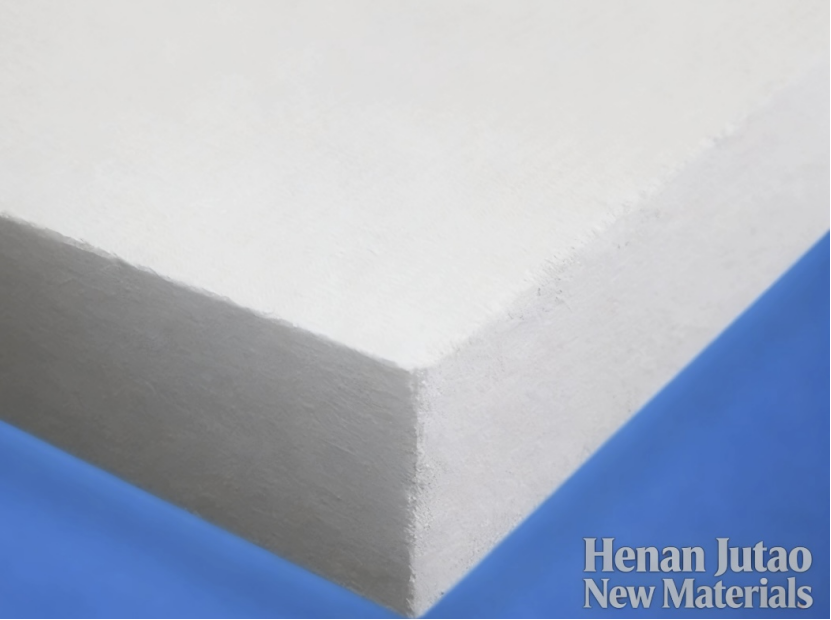
Characteristics of Nano Super-Insulation Materials
Nano super-insulation materials refer to insulation systems whose pore sizes are smaller than the mean free path of air molecules (≤70 nm). Typical representatives include silica aerogels and nano-microporous insulation boards. These materials exhibit thermal conductivities that are lower than that of still air, both at room temperature and under designated service temperatures.
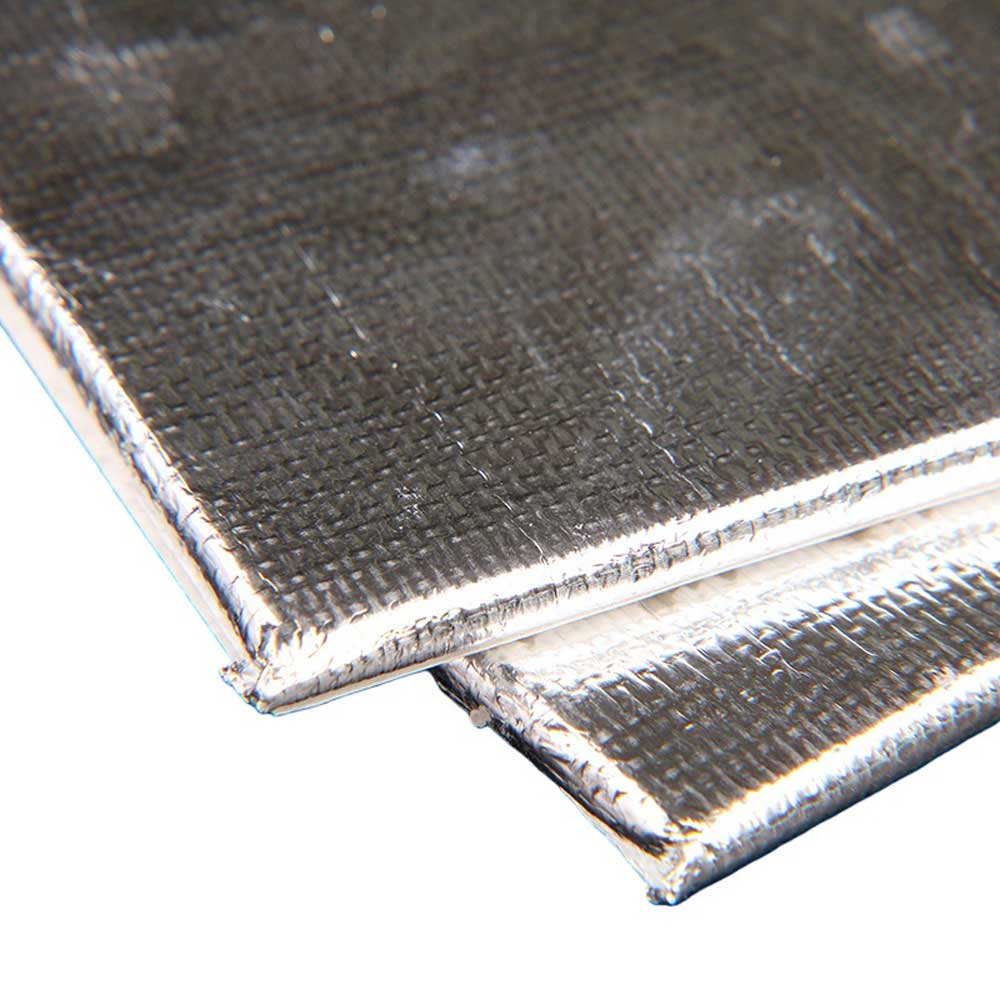
Enhancing the Quietness of Buildings: How does Vacuum Insulation Board Bring Synergistic Effects to Interior Wall Sound Insulation
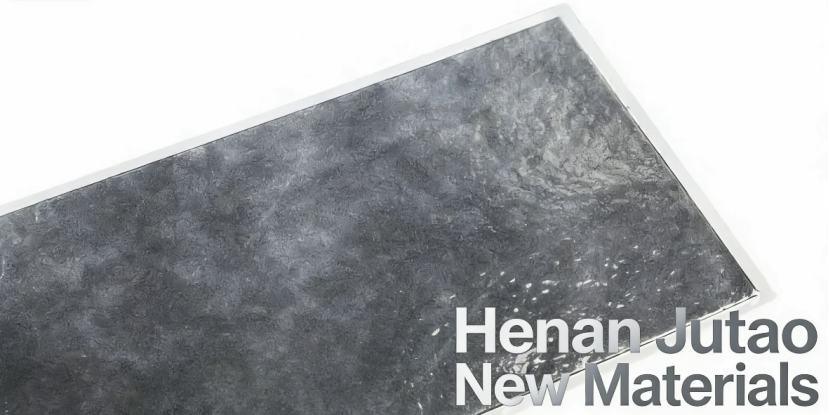
Application Advantages of Aerogel Materials in New Energy Vehicle Batteries
Aerogels, recognised as a new generation of high-performance thermal insulation materials, feature an ultra-lightweight, nano-porous structure that delivers exceptional properties in thermal, acoustic and optical performance. Through composite design with materials such as glass fibre and ceramic fibre, their insulation performance, flexibility and mechanical strength can be further enhanced.
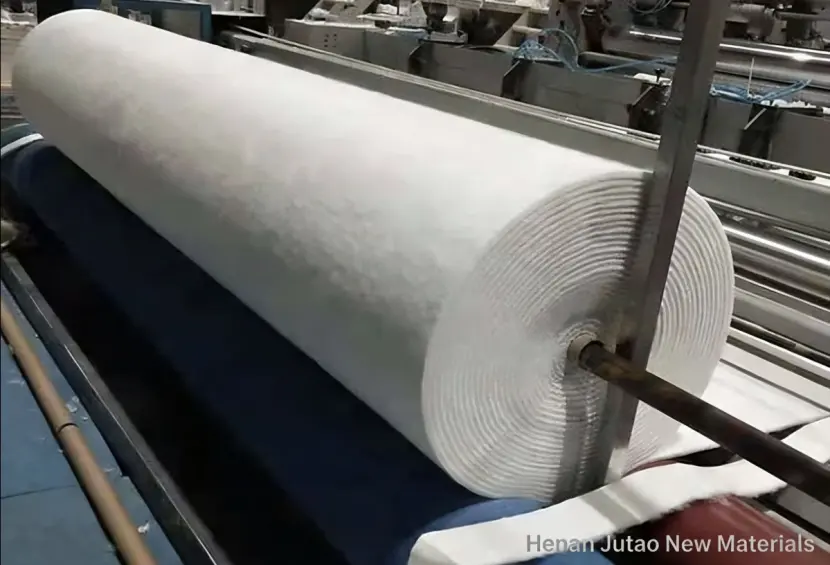
Advantages of Using Aerogel as an Internal Wall Insulation Material
As a high-performance insulation material, aerogel possesses unique physical and chemical characteristics that make it an ideal choice for building thermal insulation. With its low density, high specific surface area and excellent thermal resistance, aerogel effectively reduces heat transfer and delivers outstanding insulation performance.
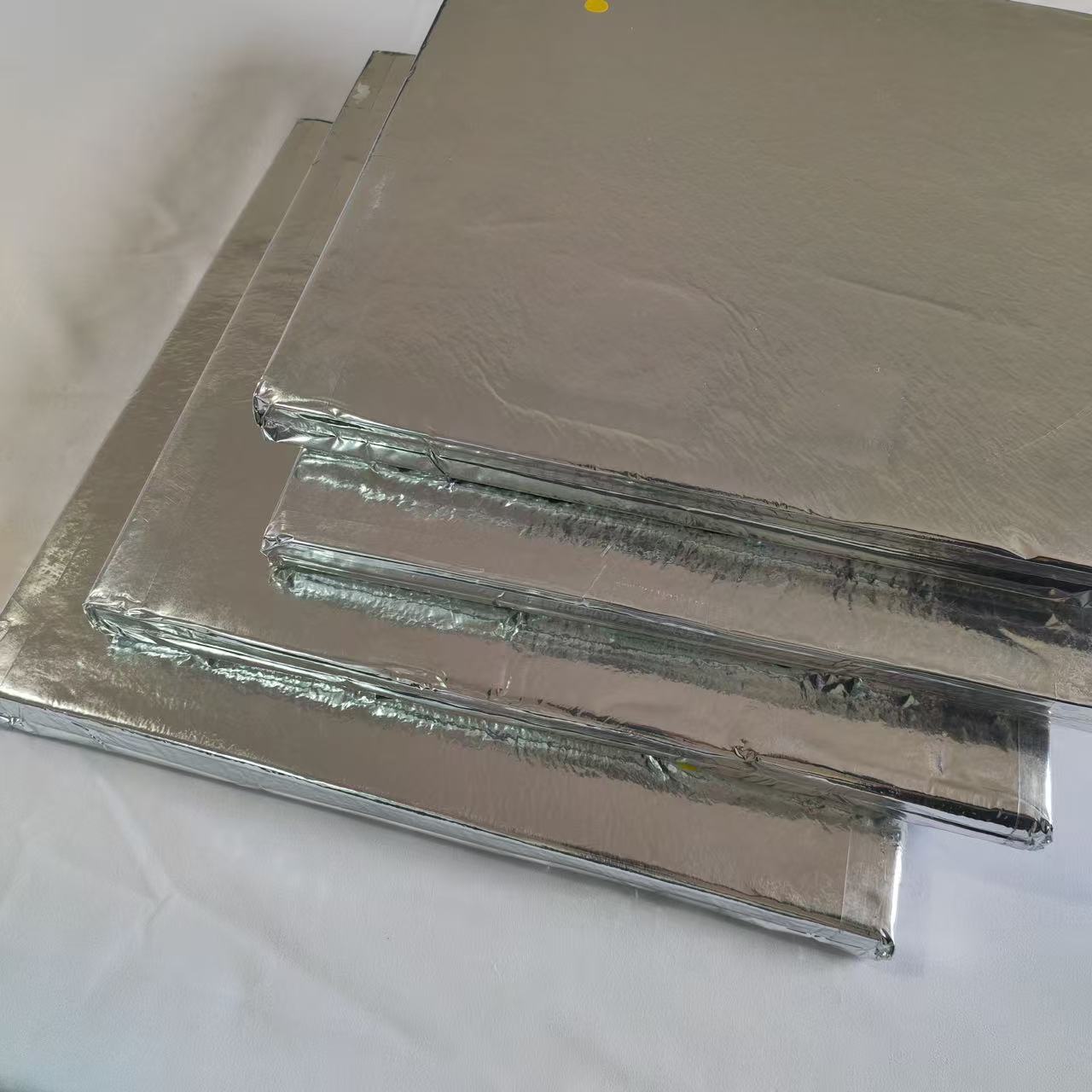
Application of Fumed Silica in Vacuum Insulation Panels for Refrigerators
Background – Energy Efficiency and Space Requirements
Modern household refrigerators must provide sufficient storage capacity for fresh produce, dairy, beverages and various foods, while at the same time consuming minimal electricity. Insulation materials therefore play a decisive role in ensuring the energy performance of domestic appliances.
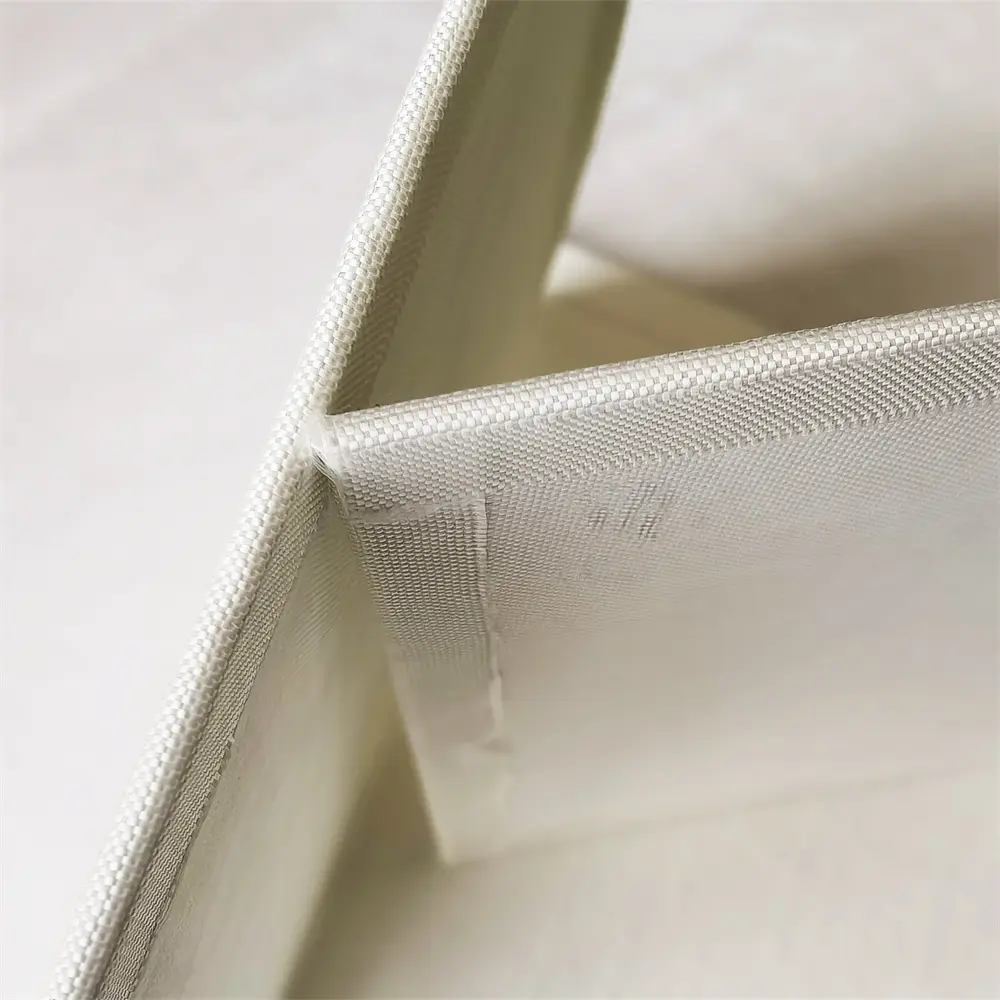
The Energy Efficiency Revolution of Industrial Furnaces and Kilns: How Can New Materials Break the Deadlock of Insulation and Heat Dissipation
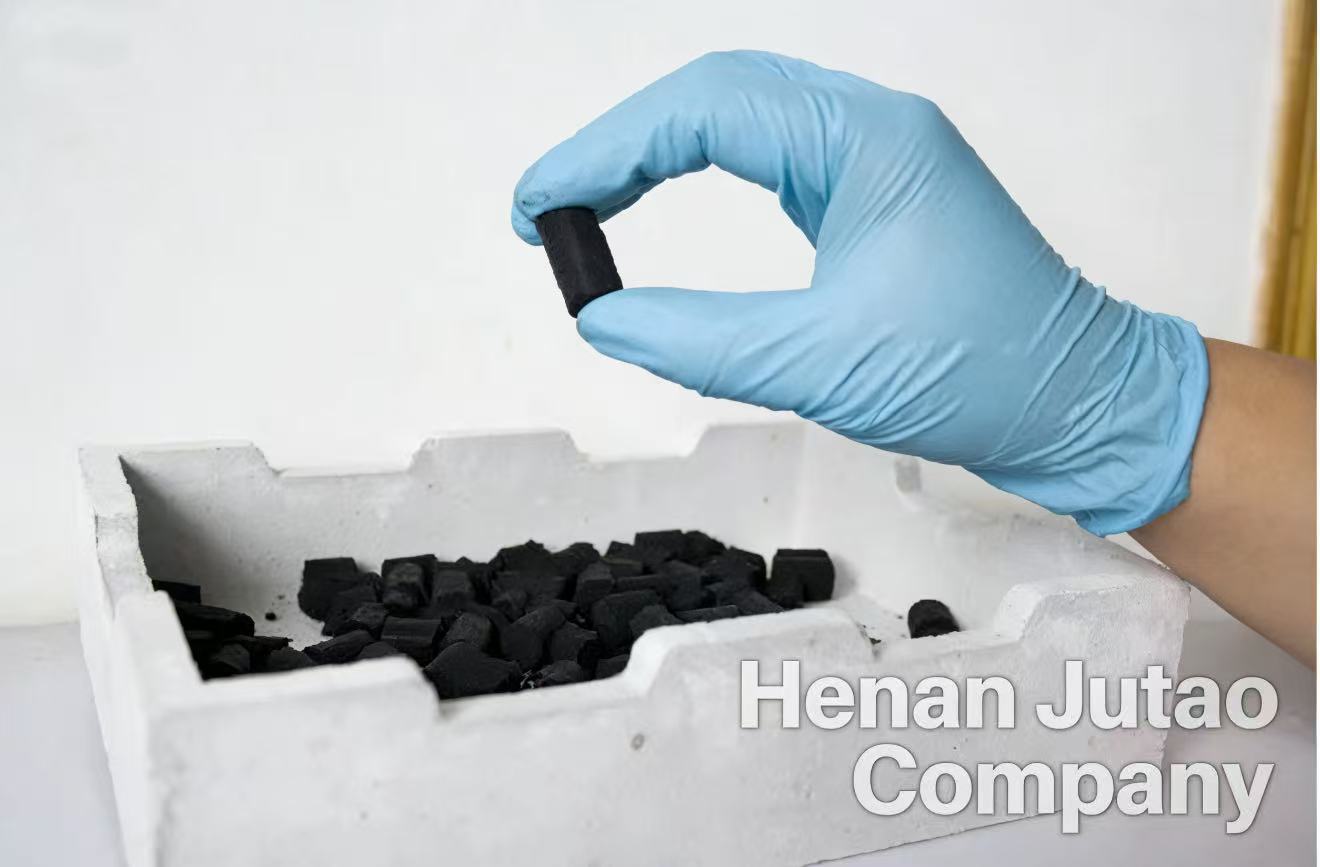
Application of Aerogels in Building Walls
Aerogels in building walls are primarily used for external wall insulation and internal wall thermal separation.
Walls tend to absorb heat, which cannot be stored for long periods, causing heat to escape through the walls into the external environment. Aerogel insulation boards or coatings can be applied as external wall insulation materials. By attaching them to the building’s outer facade, they effectively reduce the temperature difference between the interior and exterior, preventing heat transfer and improving the wall’s insulation performance. This application helps reduce energy consumption of air conditioning or heating systems, decreasing energy waste and enhancing the building’s energy efficiency.
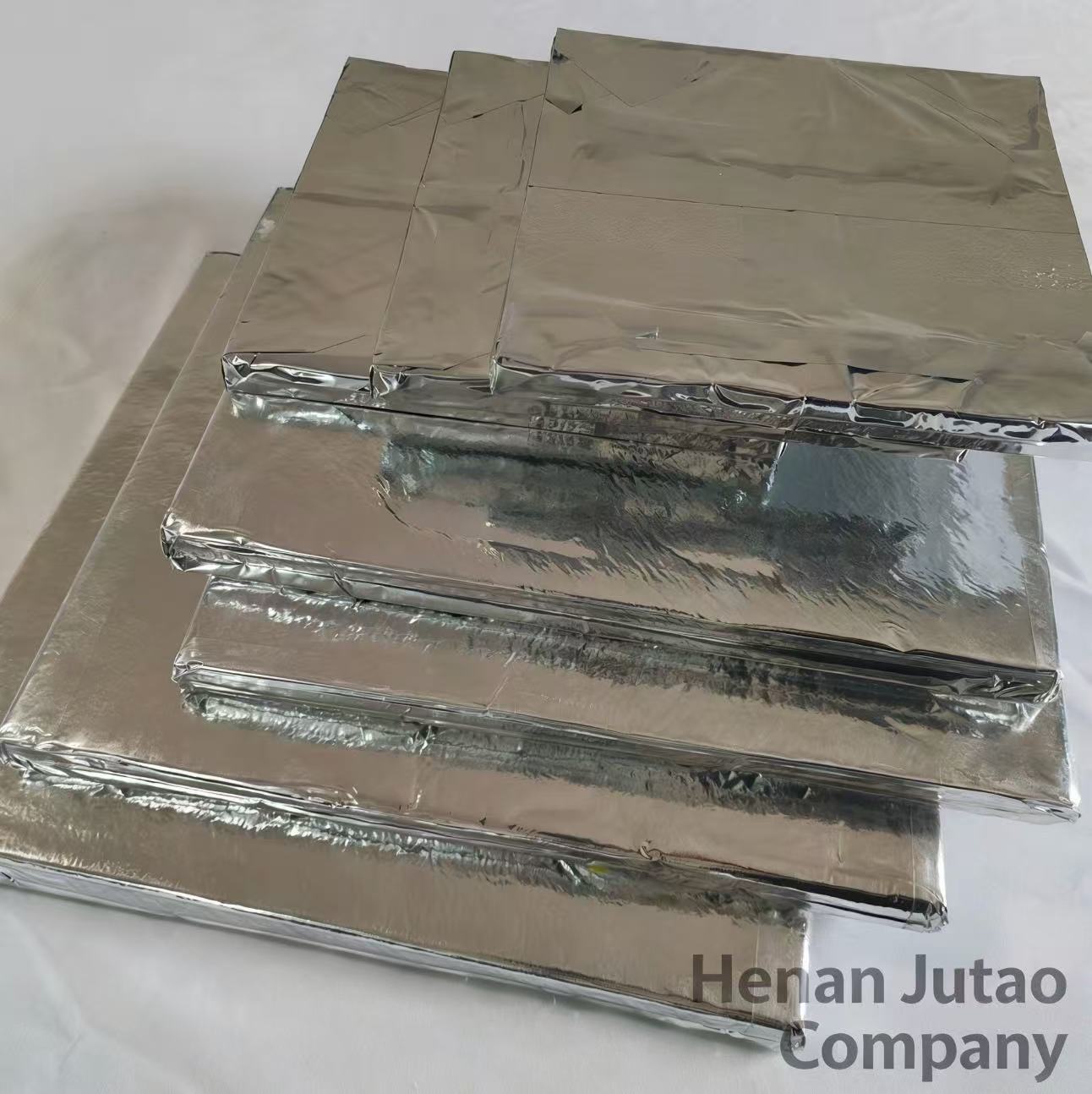
Aerogels: Revolutionary Applications in the Petrochemical Industry
In today’s rapidly advancing technological era, aerogels, as a new material with unique properties, are playing an increasingly important role in the petrochemical industry.
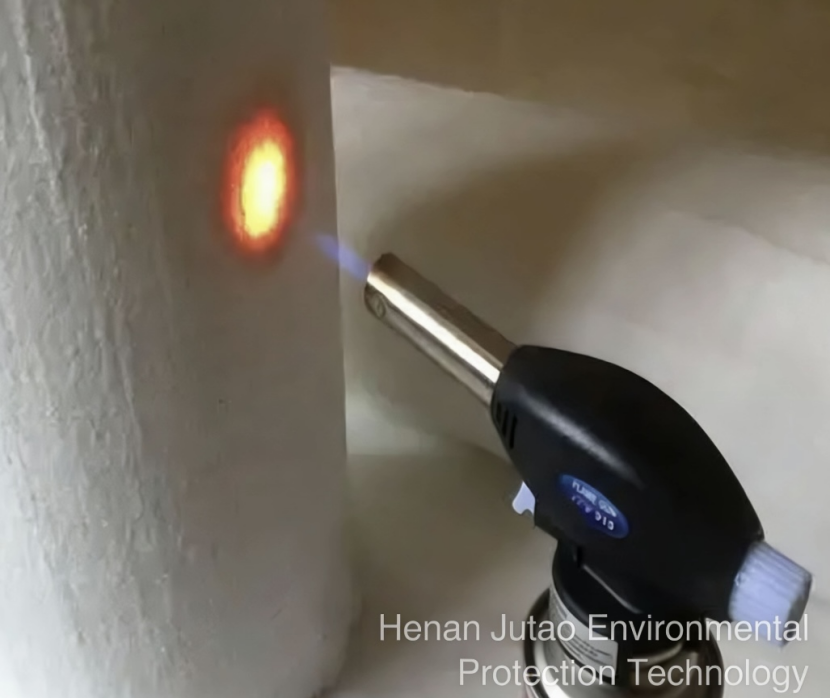
Application of Aerogels in Building Roofs
Roofs are one of the key areas where heat loss occurs in buildings, and homes may lose up to 25% of their heat through poorly insulated or non-insulated roofs. Implementing high-quality insulation can significantly reduce this major source of heat loss. The main function of a roof insulation layer is to keep the house warm in winter and cool in summer. In addition, the insulation material must be energy-efficient, reduce carbon emissions, and protect the house from structural damage. Aerogel insulation materials can meet all these requirements by providing effective insulation for the roof.
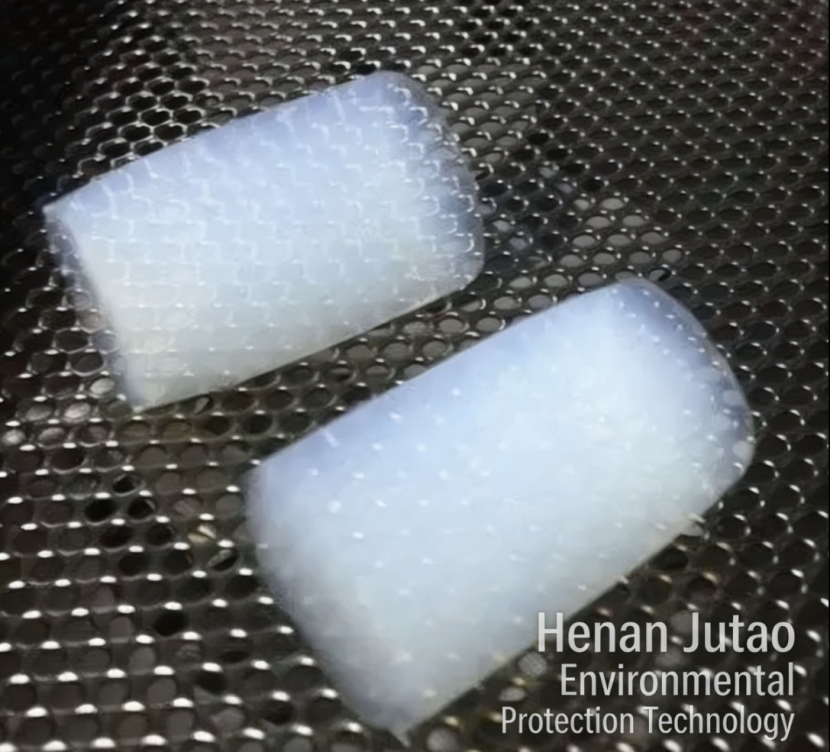
Application of Aerogels in Building Walls
Aerogels in building walls are primarily used for external wall insulation and internal wall thermal separation.