News





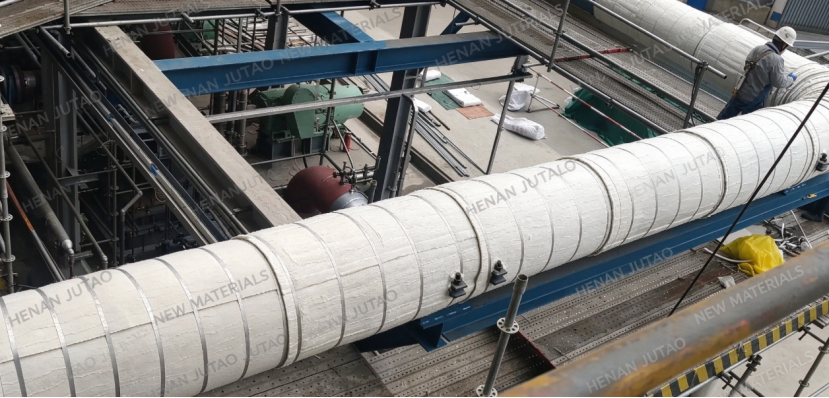
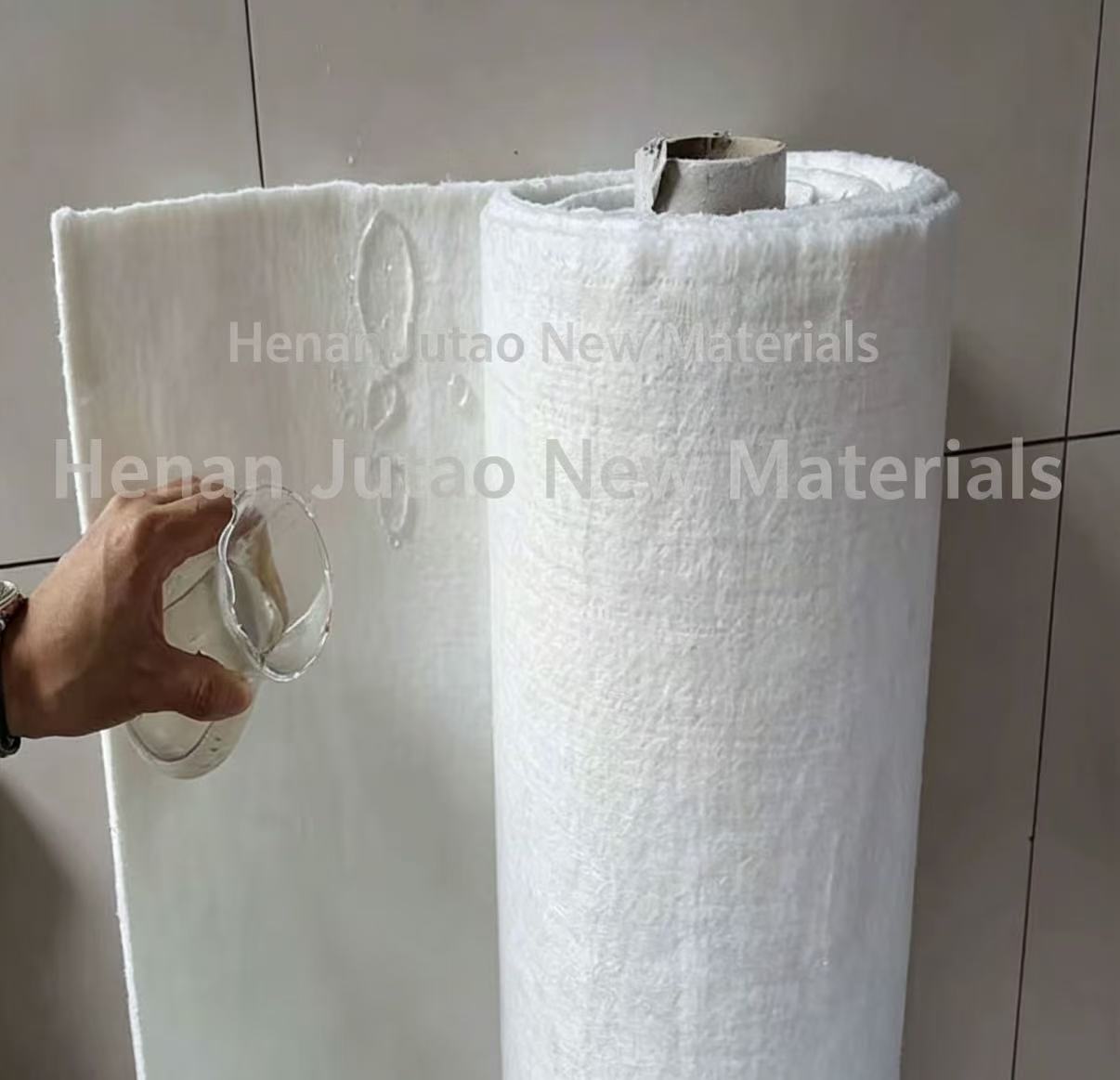
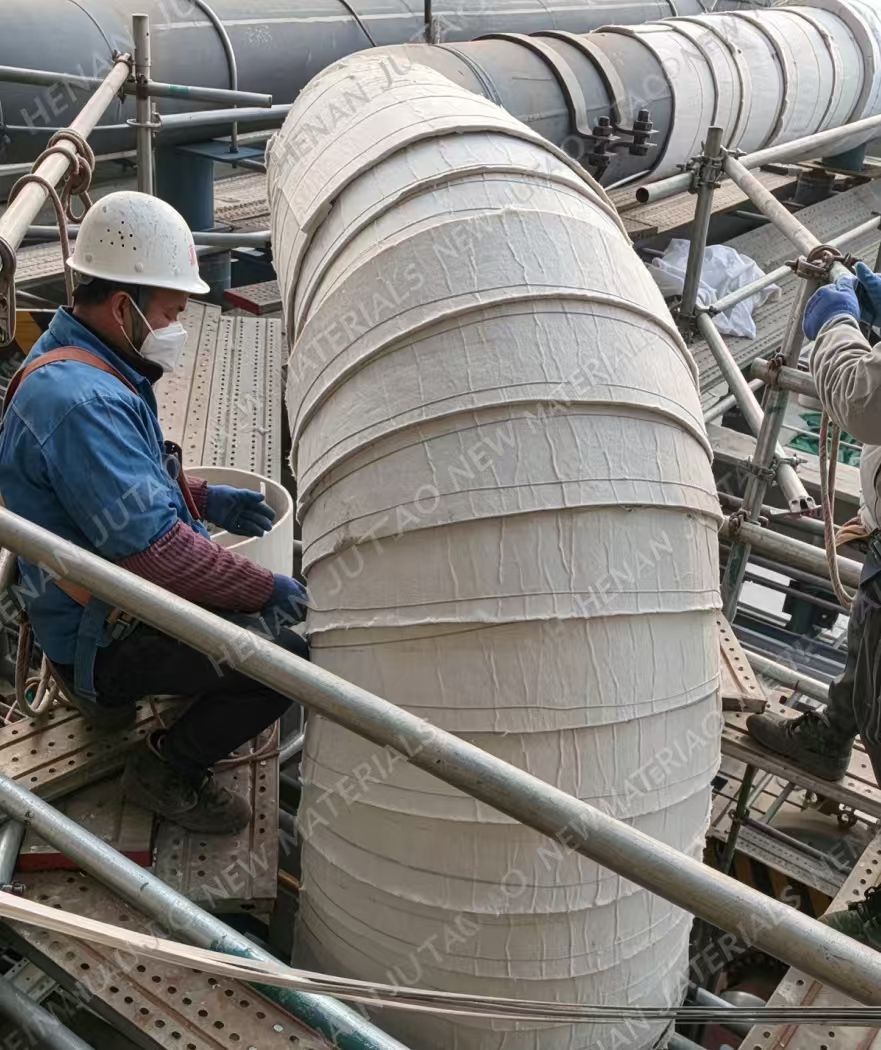
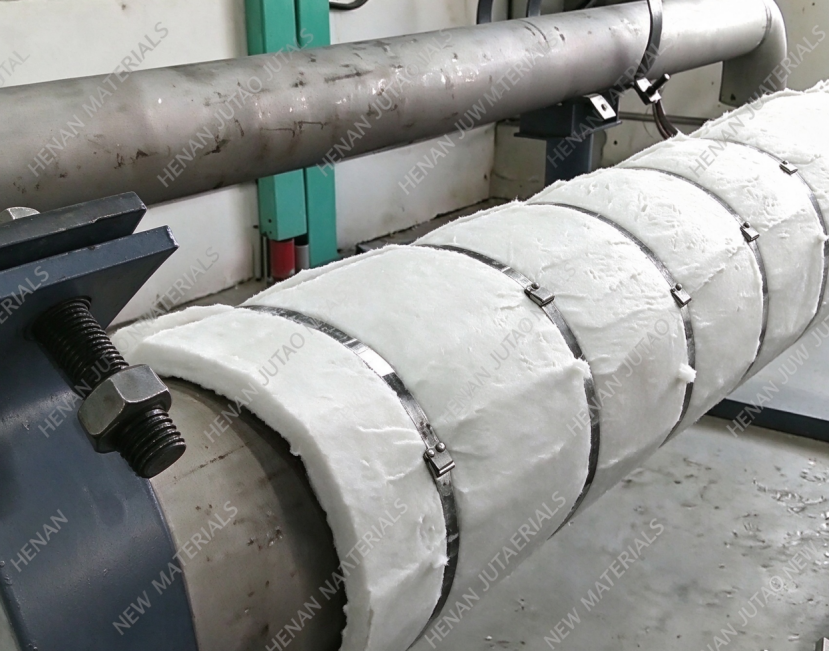
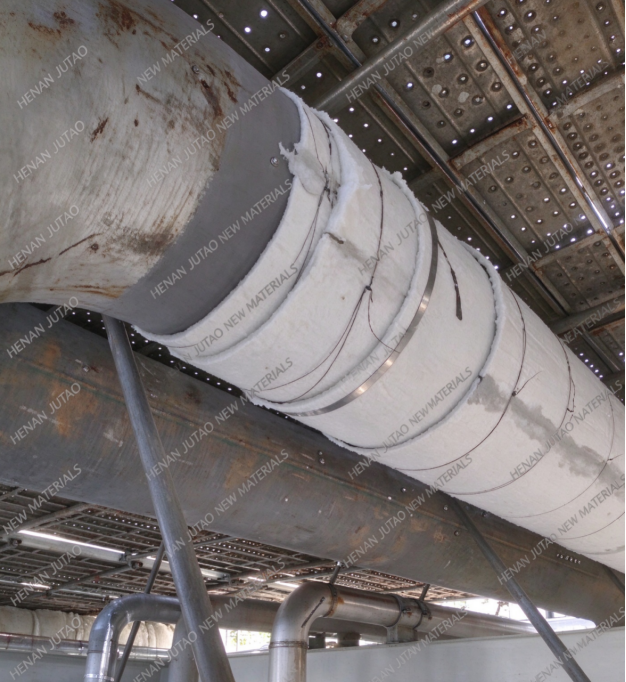
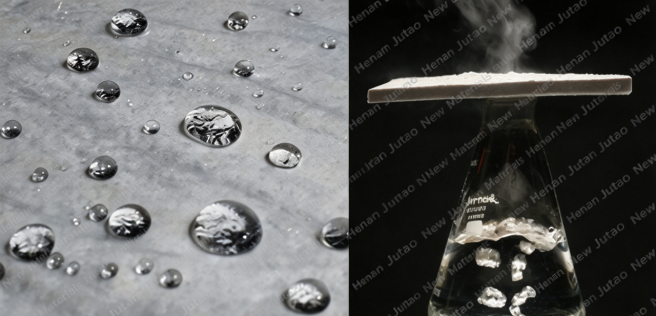
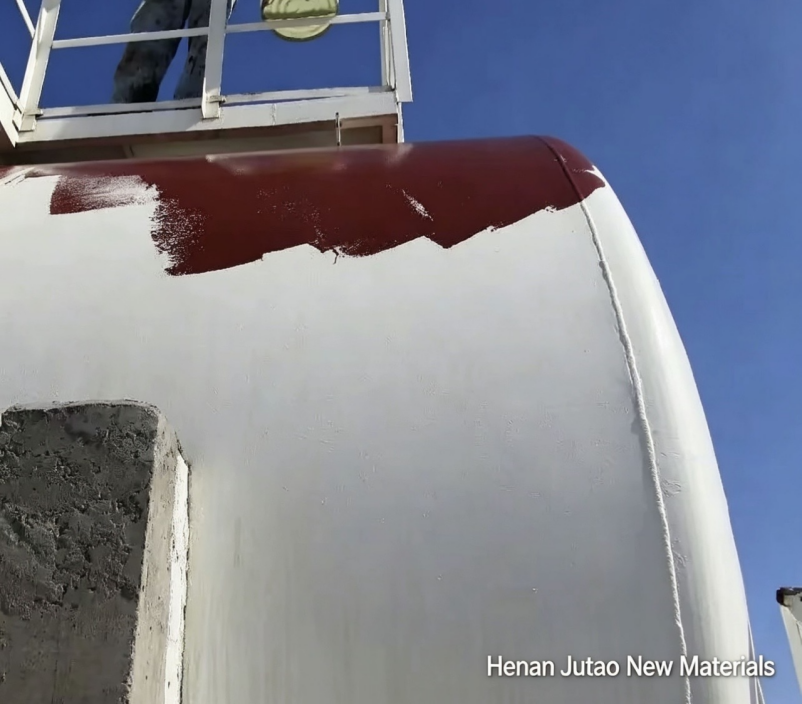
Custom China Aerogel Board Aerogel Thermal Insulation Coating: A 2 mm Solution for Thermal Insulation and Condensation Control
In residential renovation, commercial refurbishment and building energy-efficiency upgrades, roofs, top-floor ceilings and sun-facing walls are often exposed to significant heat transfer.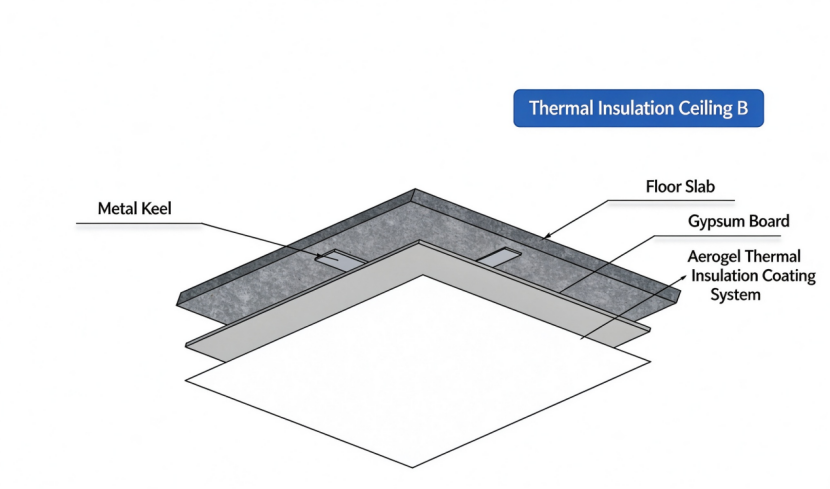
Conventional insulation systems generally require a certain thickness to achieve effective thermal performance. However, in buildings with limited ceiling height or restricted interior space, thick insulation layers can reduce usable space and complicate renovation work.
Structure sequence: Floor Slab → Metal Keel → Gypsum Board → Aerogel Thermal Insulation Coating System
Aerogel Insulation Solution B addresses these challenges through a functional water-based coating formulated with silica aerogel as the key insulation component. With an ultra-thin coating design, it combines thermal insulation with condensation control, sound absorption and fire-retardant properties.
Suitable for Ceilings, Walls and Interior Spaces
The aerogel insulation coating can be applied to top-floor ceilings, interior walls, sun-facing walls and other areas where reducing heat transfer is required.
It can also be considered for spaces such as music rooms, basements and other areas where both thermal insulation and noise reduction are required.
Silica Aerogel for Efficient Thermal Insulation
The coating uses silica aerogel as its key functional component, with an aerogel powder content of more than 40%.
Silica aerogel features a highly porous nano-scale structure that can reduce heat transfer through the coating. With an ultra-thin application thickness of approximately 2 mm, the coating forms a continuous thermal barrier while occupying very little interior space.
This makes it particularly suitable for renovation projects where conventional thick insulation systems are difficult to install.
Thermal Insulation and Condensation Control
Condensation can occur when the temperature difference between indoor air and building surfaces becomes significant.
By reducing heat transfer and helping improve the thermal conditions of wall and ceiling surfaces, the aerogel coating can help reduce the risk of surface condensation caused by temperature differences.
This makes the coating suitable not only for thermal insulation but also for applications where improved indoor surface temperature stability is required.
Combining Thermal and Acoustic Performance
The micro-porous structure within the coating can absorb and attenuate part of the sound energy. As a result, the coating can provide both thermal insulation and certain acoustic benefits.
This makes it potentially suitable for music rooms, basements and other indoor spaces where noise control is also a consideration.
Good Fire-Retardant Performance
The coating is based on an inorganic functional material system and offers good fire-retardant characteristics. It is designed to resist combustion and does not readily support burning, providing an additional layer of safety for interior applications.
Water-Based and Suitable for Interior Renovation
The coating uses a water-based formulation, helping reduce the impact associated with volatile organic compounds during application.
Its thin application thickness also minimizes the loss of usable interior space, making it suitable for building renovation, interior refurbishment and energy-efficiency improvement projects.
An Ultra-Thin Approach to Building Thermal Insulation
By combining nano-scale aerogel technology with coating technology, Aerogel Insulation Solution B integrates thermal insulation, condensation control, acoustic performance and fire-retardant properties into a thin functional layer.
For top-floor residences, sun-facing walls, interior renovation projects and buildings where ceiling height is limited, this ultra-thin insulation coating provides a flexible approach to improving thermal performance without the space requirements of conventional thick insulation systems.
Jutao Environmental Technology — Specialists in Aerogel Material Solutions
Stay connected with us for the latest updates, industry insights and application solutions in the aerogel sector.
Custom China Aerogel Wall Aerogel Insulation Ceiling Solution: High-Performance Thermal Insulation in an Ultra-Thin Design
As urban renewal and building renovation projects continue to expand, the focus of residential and commercial refurbishment is shifting from basic repairs to improved energy efficiency, indoor comfort and overall building performance.
For villas, existing residential buildings and top-floor spaces, heat transfer through roofs and ceilings can have a significant impact on indoor temperature and occupant comfort. However, conventional insulation materials often require considerable thickness, which may reduce ceiling height and usable interior space.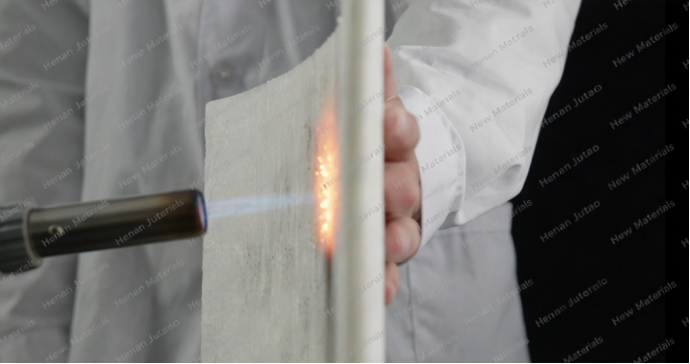
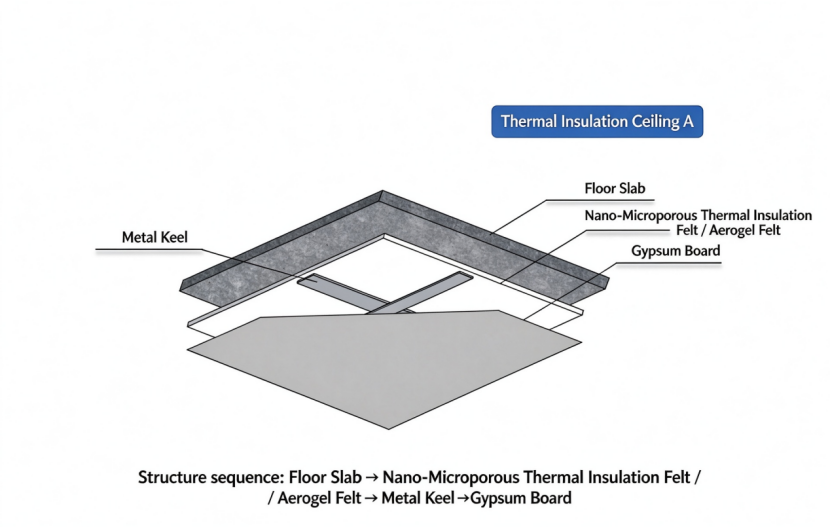
To address these challenges, Aerogel Insulation Ceiling Solution A uses nano-porous insulation felt or aerogel felt as the core insulation material. Its lightweight and thin structure provides an efficient thermal barrier while offering greater flexibility for renovation projects with limited installation space.
Suitable for Residential and Commercial Renovation
Aerogel Insulation Ceiling Solution A is suitable for a wide range of applications, including villas, existing residential buildings, renovated apartments, hotels and hospitals.
It can be used in bedrooms, children’s rooms, study rooms and other areas where indoor thermal comfort is particularly important. Its thin structure is also suitable for renovation projects where maintaining the existing ceiling height is a priority.
Ultra-Thin Design for Efficient Thermal Insulation
The solution incorporates nano-porous insulation felt or aerogel felt. The highly porous structure of aerogel helps reduce heat transfer through both the solid framework and the gas within the pores, providing effective thermal insulation with a relatively thin material layer.
This makes the solution particularly suitable for buildings where available installation space is limited.
Thermal Insulation with Additional Acoustic Benefits
In addition to thermal insulation, the porous structure of the material can provide certain sound-absorbing properties. This can help reduce environmental noise and contribute to a quieter and more comfortable indoor environment in residential, hotel and healthcare applications.
Hydrophobic and Moisture-Resistant
The insulation material offers good hydrophobic performance, helping reduce moisture penetration into the insulation layer. This can minimize problems associated with prolonged exposure to moisture, including mould growth, corrosion and degradation of insulation performance.
Flexible Material for Easier Installation
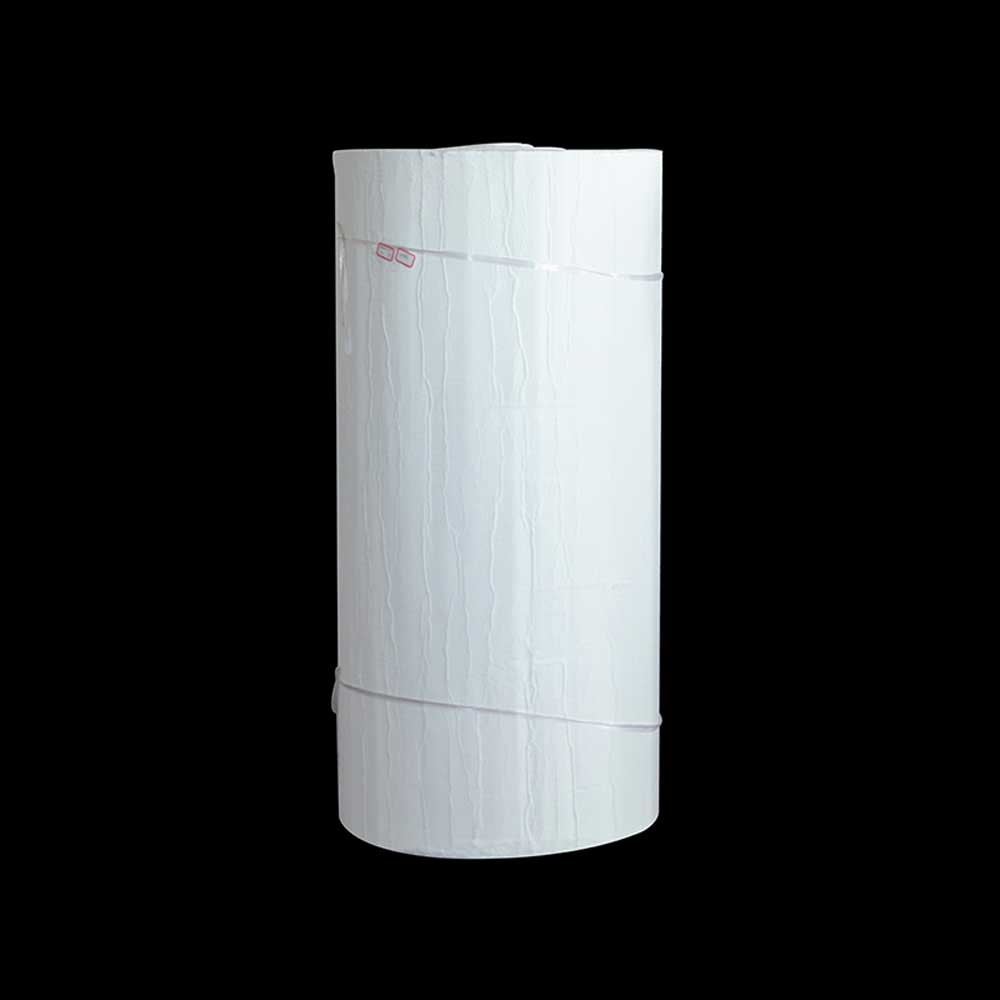
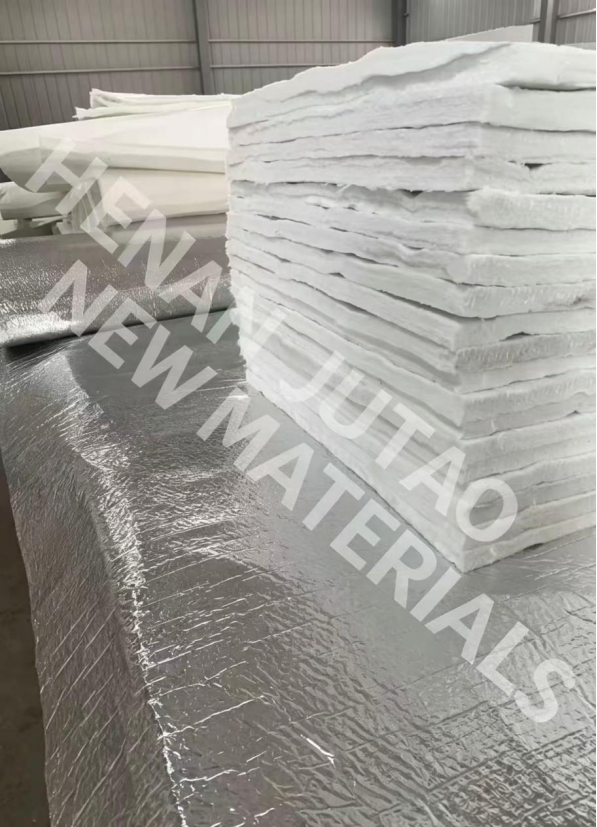
The aerogel insulation felt is available in a flexible roll form, allowing it to be cut and installed according to different ceiling structures.
This flexibility makes it suitable for both standard and irregular areas, while helping simplify installation and reduce construction time during building renovation projects.
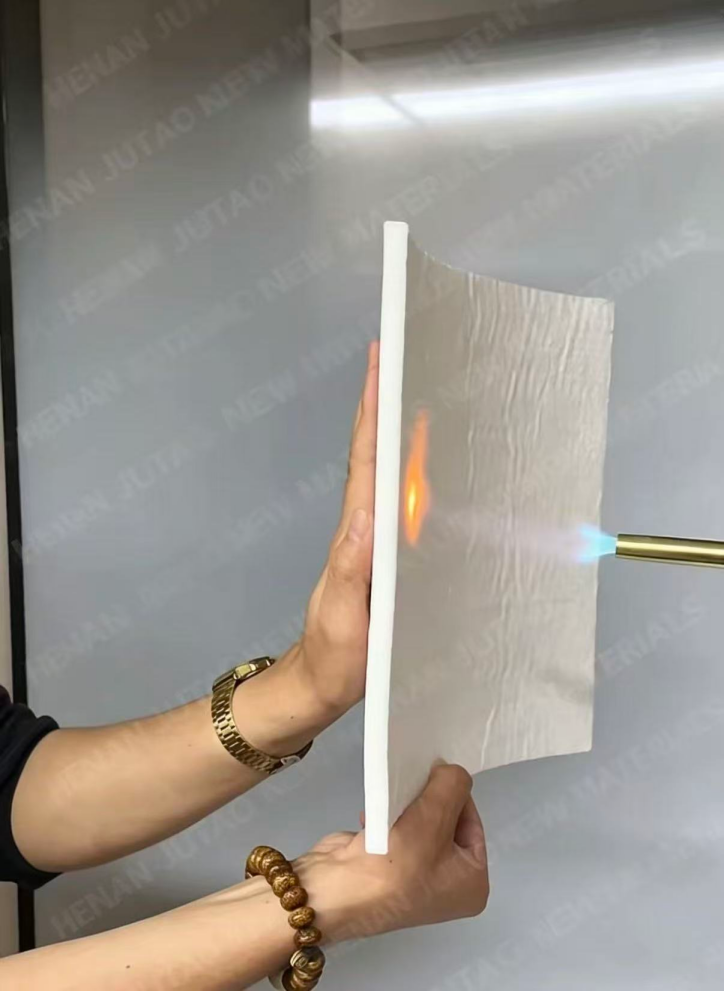
Class A Fire Performance
Fire safety is an important consideration when selecting insulation materials for residential and commercial buildings. The insulation system uses an inorganic insulation material structure and can meet Class A fire-performance requirements, providing an additional level of fire safety for building applications.
A Lightweight Solution for Roof and Ceiling Upgrades
With its combination of thin construction, efficient thermal insulation, hydrophobic performance, acoustic benefits and flexible installation, Aerogel Insulation Ceiling Solution A provides an alternative approach to roof and ceiling insulation in building renovation projects.
For buildings with limited ceiling height or restricted installation space, aerogel-based insulation can help create an efficient thermal barrier while minimizing the impact on usable interior space.
Jutao Environmental Technology — Specialists in Aerogel Material Solutions
Stay connected with us for the latest updates, industry insights and application solutions in the aerogel sector.
Aerogel Format Selection for OEM and EPC Buyers: Blanket, Rigid Panel, Powder and Film Compared
Aerogel Wall Manufacturer Where Is Aerogel Used? From Aerospace to Electric Vehicle Batteries
With its low thermal conductivity, lightweight structure, high porosity and tunable functionality, aerogel has gradually moved from an advanced nanomaterial toward practical applications across multiple industries.
Today, aerogels and aerogel-based composites are being explored and applied in aerospace, new energy batteries, building insulation, industrial thermal management and environmental protection.
Aerogel Applications in Aerospace
Aerospace systems often have demanding requirements for material weight, thermal stability and insulation performance.
Because aerogel combines extremely low density with excellent thermal insulation, it can be used in aerospace systems where both weight reduction and thermal management are important.
Aerogel materials have been used in aerospace projects, including NASA’s Mars Pathfinder mission.
In spacecraft and other aerospace equipment, aerogel and aerogel-based composites can be used for thermal protection, insulation and cryogenic applications.
As deep-space exploration and advanced aerospace systems continue to develop, the demand for lightweight and efficient thermal insulation materials is expected to remain important.
Aerogel for Electric Vehicle Battery Applications
The rapid growth of electric vehicles has increased the importance of battery thermal management and safety.
When a lithium-ion battery cell experiences thermal runaway, the heat generated by one cell may propagate to neighboring cells. If heat propagation continues, additional cells may be affected.
Aerogel-based thermal insulation materials can be used as thermal barriers between battery cells or within battery modules, helping slow the rate of heat transfer and delay thermal propagation.
In practical applications, aerogel can also be combined with other fire-resistant and thermal insulation materials for battery-pack insulation, fire protection and thermal propagation control.
Actual thermal safety performance depends on factors such as aerogel type, thickness, structural design and the overall battery system.
Aerogel for Low-Temperature Battery Insulation
Aerogel is not only useful for high-temperature thermal protection. It can also provide insulation in low-temperature environments.
At low temperatures, the electrochemical kinetics of lithium-ion batteries can be affected, potentially reducing available capacity and charging/discharging performance.
Using low-thermal-conductivity aerogel materials in battery systems can reduce heat exchange between the battery and the cold external environment, helping maintain a more stable operating temperature.
This gives aerogel potential in both directions of battery thermal management: slowing heat propagation under high-temperature conditions while reducing heat loss in cold environments.
Aerogel for Building and Industrial Insulation
The low thermal conductivity and lightweight characteristics of aerogel make it attractive for energy-efficient buildings and industrial thermal management.
In the building sector, aerogel can be combined with fibers, panels, coatings and other materials for applications in exterior walls, roofs, windows and other parts of the building envelope.
In industrial applications, aerogel-based composites can be used for high-temperature pipelines, equipment, furnaces and other systems requiring thermal management.
For projects where available space is limited, high-performance aerogel insulation can also provide high thermal resistance with relatively low thickness.
Aerogel Applications in Environmental Protection
Beyond thermal insulation, the high specific surface area and tunable surface chemistry of aerogel give it potential for adsorption and environmental applications.
For example, functionalized cellulose aerogels can be designed to adsorb gases such as carbon dioxide and formaldehyde. Through surface modification, they can also be engineered to remove certain heavy-metal ions, organic dyes, organic solvents and oil-based contaminants.
By adjusting pore structures and surface chemistry, aerogel materials can be designed for different types of pollutants and treatment requirements.
This is helping aerogel evolve from a specialized insulation material into a broader class of multifunctional materials.
The Future of Aerogel Applications
From aerospace and electric vehicles to building insulation and environmental treatment, aerogel is entering an increasingly diverse range of application fields.
With continued advances in sol-gel technology, drying processes, composite reinforcement and large-scale manufacturing, the performance consistency and industrial scalability of aerogel materials are expected to improve further.
High-performance aerogels and aerogel-based composites can provide new material solutions for energy-efficient buildings, industrial thermal management, battery thermal safety, aerospace systems and environmental protection.
Jutao Environmental Technology — Specialists in Aerogel Material Solutions
Stay connected with us for the latest updates, industry insights and application solutions in the aerogel sector.
Compression Set, Recovery and Long-Term Thickness: What Insulation Contractors Should Demand From an Aerogel Blanket Spec

Flexible Aerogel Factory What Is Aerogel and Why Does It Provide Excellent Thermal Insulation?
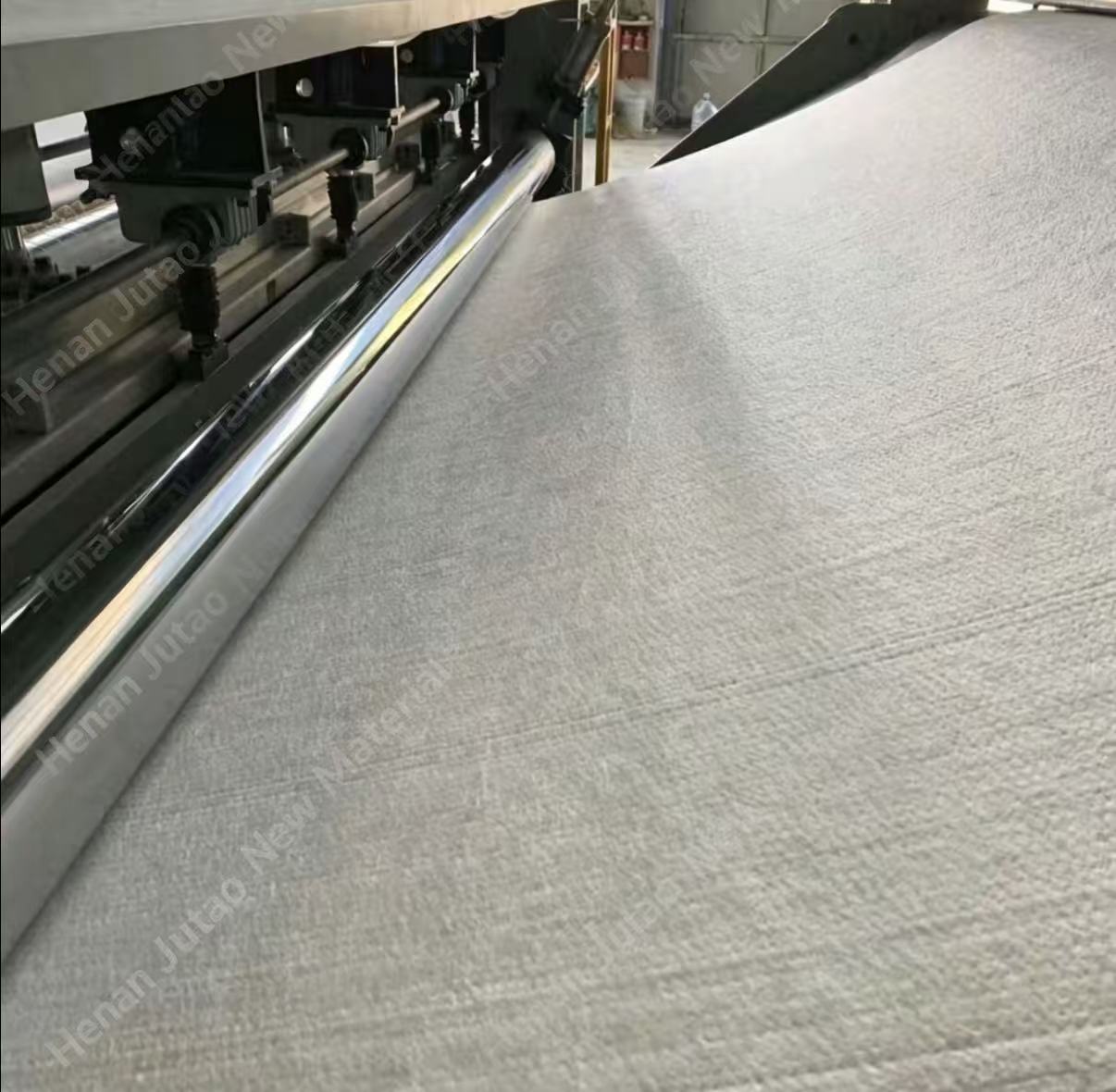
Aerogel is a class of lightweight solid materials characterized by a three-dimensional nanoporous network.
Its solid skeleton is formed by nanoscale particles, while the large number of pores are mainly filled with gas.
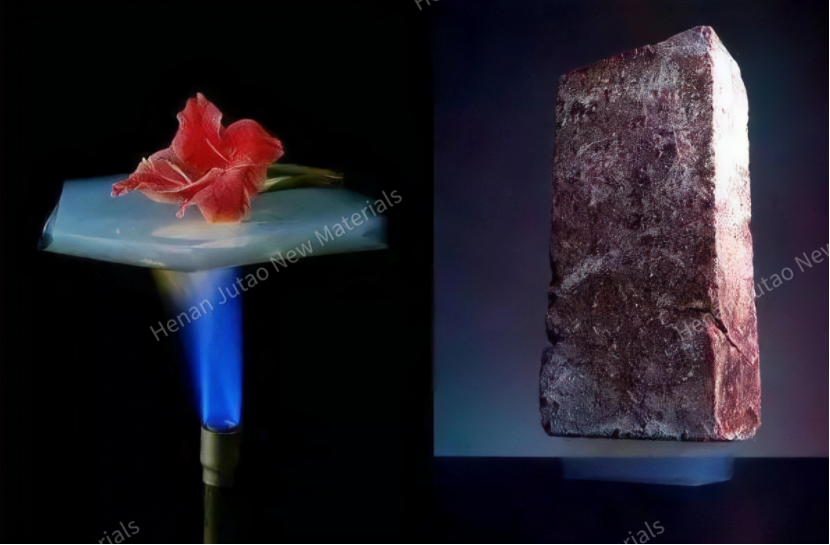
Because of its extremely low density and high porosity, some aerogels have a translucent or smoke-like appearance, which has led to the well-known description of aerogel as “solid smoke.”
However, the real value of aerogel lies not in its unusual appearance, but in its combination of low thermal conductivity, high porosity, low density and high specific surface area.
How Was Aerogel Developed?
In 1931, American chemist Samuel Stephens Kistler produced the first aerogel.
The key challenge in producing aerogel is removing the liquid from a gel while preserving its original solid network structure.
Kistler used supercritical drying to remove the liquid phase while minimizing the collapse of the three-dimensional network, resulting in a solid material containing a large number of nanoscale pores.
With conventional drying, evaporation of liquid from the gel can generate capillary forces that cause the original network to shrink or collapse, eventually producing a denser material.
Supercritical drying significantly reduces this structural shrinkage and helps preserve the highly porous nanoscale network.
Why Does Aerogel Provide Excellent Thermal Insulation?
The thermal insulation performance of aerogel is closely related to its unique nanoporous structure.
Aerogel contains a large number of nanoscale pores that restrict gas molecules within extremely small spaces. This reduces heat transfer associated with gas movement and convection.
At the same time, aerogel contains relatively little solid material, which limits the pathways available for heat conduction through the solid framework.
Its complex three-dimensional network also creates a more tortuous pathway for heat transfer, further reducing thermal conduction.
Therefore, aerogel can suppress heat transfer through the combined effects of its low solid content, nanoscale pores and complex network structure.
This is one of the key reasons why aerogel can achieve high thermal insulation efficiency at relatively low thickness.
What Are the Main Properties of Aerogel?
Aerogels typically offer a combination of the following characteristics:
* Low density
* High porosity
* Low thermal conductivity
* High specific surface area
* Good thermal stability
* Tunable properties through composite design and modification
The specific performance of an aerogel depends on factors such as raw materials, density, pore structure, temperature and testing methods.
For engineering applications, product-specific technical specifications and test data should therefore be used as the basis for material selection and system design.
Why Is Aerogel Suitable for High-Performance Insulation?
Conventional insulation materials often require a certain thickness to achieve the required thermal resistance.
Because aerogel can provide very low thermal conductivity, it can offer high thermal resistance within a relatively limited thickness.
This makes aerogel particularly attractive for applications where weight, thickness and thermal insulation performance all need to be considered.
Today, aerogel has gradually developed from a laboratory material into a high-performance insulation material for industrial applications, including buildings, industrial equipment, new energy systems and aerospace.
As aerogel manufacturing and composite technologies continue to advance, its range of applications is expected to expand further.
Jutao Environmental Technology — Specialists in Aerogel Material Solutions
Stay connected with us for the latest updates, industry insights and application solutions in the aerogel sector.
Aerogel Panels Factories What Are the Common Methods for External Wall Insulation?
External wall insulation is an important component of modern energy-efficient buildings. By installing a continuous insulation layer on the exterior side of a building wall, heat exchange through the building envelope can be reduced and indoor thermal comfort can be improved.
Depending on the building structure, insulation material, site conditions and design requirements, different installation methods can be used.
The most common approaches include insulation board bonding, integrated insulation and decorative panels, and on-site spray application.
- Insulation Board Bonding
Bonded insulation boards are one of the most common methods used for external wall insulation.
Before installation, the wall substrate needs to be properly prepared. The surface should be reasonably flat and clean, with dust, oil and other contaminants removed to ensure proper adhesion.
Common insulation board materials include EPS (expanded polystyrene), XPS (extruded polystyrene) and polyurethane foam boards.
Taking EPS boards as an example, a compatible adhesive is generally applied to the back of the board, which is then fixed to the wall using an appropriate bonding method.
During installation, gaps between boards should be minimized, and the boards are generally arranged in a staggered pattern according to the system design.
For some insulation systems, mechanical anchors are also used as supplementary fixing to improve the overall stability of the system.
The required bonding area, number of anchors and installation method should be determined according to the project design and applicable standards.
- Integrated Insulation and Decorative Panels
Integrated insulation and decorative panels combine the insulation layer with a decorative surface finish in a factory-controlled production process.
This allows the system to provide both thermal insulation and an attractive exterior appearance.
During installation, the wall substrate is first prepared, followed by panel installation using the specified adhesive or mechanical connection system.
Panel flatness, vertical alignment and joint dimensions need to be carefully controlled.
The joints between panels are generally sealed to help reduce water penetration and localized thermal bridging.
This method can provide a consistent appearance and relatively efficient installation, making it suitable for residential, commercial and selected public building projects.
- On-Site Spray Application
On-site spray insulation typically uses materials such as polyurethane, which are applied directly to the wall surface using specialized equipment to form a continuous insulation layer.
Before spraying, the substrate must be properly prepared. Windows, doors, pipelines and other areas that do not require insulation should also be adequately protected.
During application, parameters such as spray distance, application speed and layer thickness need to be controlled according to the material properties and site conditions.
Compared with board-based systems, spray-applied insulation can create a relatively continuous insulation layer and reduce the potential for localized thermal bridging associated with board joints.
However, this method requires careful control of substrate conditions, ambient conditions, equipment and installation skills.
How Should an External Wall Insulation Method Be Selected?
Each installation method has its own characteristics.
Bonded insulation boards are suitable for a wide range of conventional building projects. Integrated insulation and decorative panels combine thermal insulation with exterior finishing. Spray-applied insulation can be suitable for projects requiring a continuous insulation layer or treatment of more complex wall surfaces.
In practical projects, the selection should consider building structure, climate, fire-safety requirements, thermal performance, site conditions and project budget.
As building energy-efficiency requirements continue to evolve, high-performance insulation materials are also being introduced into more external wall insulation systems, providing additional options for optimizing modern building envelopes.
Jutao Environmental Technology — Specialists in Aerogel Material Solutions
Stay connected with us for the latest updates, industry insights and application solutions in the aerogel sector.
Jutao Environmental Technology — Specialists in Aerogel Material Solutions
Stay connected with us for the latest updates, industry insights and application solutions in the aerogel sector.
Aerogel Wall Supplier Why Is External Wall Insulation Installed on the Outside?
As building energy-efficiency standards continue to evolve, reducing heat loss and improving indoor thermal comfort have become important considerations in building envelope design.
Thermal insulation can be installed on the interior, exterior or within the wall structure. However, external wall insulation is widely used in many building projects because of its advantages in thermal performance, space utilization and wall protection.
External Insulation Helps Reduce Heat Transfer
Heat transfer in buildings mainly occurs through conduction, convection and radiation. When there is a temperature difference between indoor and outdoor environments, heat naturally moves through the building envelope.
Installing insulation on the exterior side of the wall creates a continuous thermal barrier between the structural wall and the outdoor environment. This helps reduce the direct impact of outdoor temperature fluctuations on the wall.
During both heating and cooling seasons, a properly designed external insulation system can reduce heat exchange through the building envelope and improve overall thermal performance.
External insulation can also influence the temperature distribution within the wall assembly and reduce the risk of condensation. However, actual condensation performance depends on factors such as local climate, wall construction, indoor humidity and insulation thickness.
External Insulation Does Not Significantly Reduce Indoor Space
One of the major advantages of external wall insulation is that the insulation layer is installed outside the building envelope rather than inside the room.
Compared with interior insulation, this approach does not significantly reduce usable indoor floor area.
This is particularly valuable for residential buildings, offices, commercial facilities and other projects where efficient use of interior space is important.
External Insulation Helps Protect the Building Envelope
Exterior walls are continuously exposed to temperature fluctuations, rain, ultraviolet radiation and repeated heating and cooling cycles.
An external insulation system can reduce the direct impact of outdoor temperature changes on the structural wall and help moderate temperature fluctuations within the wall.
This can contribute to the durability of the building envelope.
Therefore, external wall insulation is not simply an additional layer of insulation. It can form an important part of the overall building envelope system.
External Wall Insulation for Different Building Applications
External wall insulation is widely used in residential buildings, offices, commercial facilities, public buildings and selected industrial projects.
Depending on building structure, climate and energy-efficiency requirements, materials such as EPS, XPS, polyurethane, mineral wool and other high-performance insulation materials can be selected.
For projects where insulation thickness, available building space or fire-performance requirements are important considerations, high-performance thin insulation materials are also attracting increasing attention.
Overall, installing insulation on the exterior side of the wall can improve thermal performance without significantly reducing indoor space while helping protect the structural wall from outdoor temperature fluctuations.
Jutao Environmental Technology — Specialists in Aerogel Material Solutions
Stay connected with us for the latest updates, industry insights and application solutions in the aerogel sector.
Custom China Aerogel Board Aerogel Anti-Condensation Insulation: Addressing Condensation Challenges in Industrial Facilities
Condensation is a common but often underestimated challenge in industrial and commercial buildings. Water droplets forming on walls during humid weather, condensation dripping from industrial pipes, corrosion caused by moisture, short circuits around HVAC outlets, and “rainfall” from warehouse ceilings can all lead to equipment damage, product contamination, and increased maintenance costs.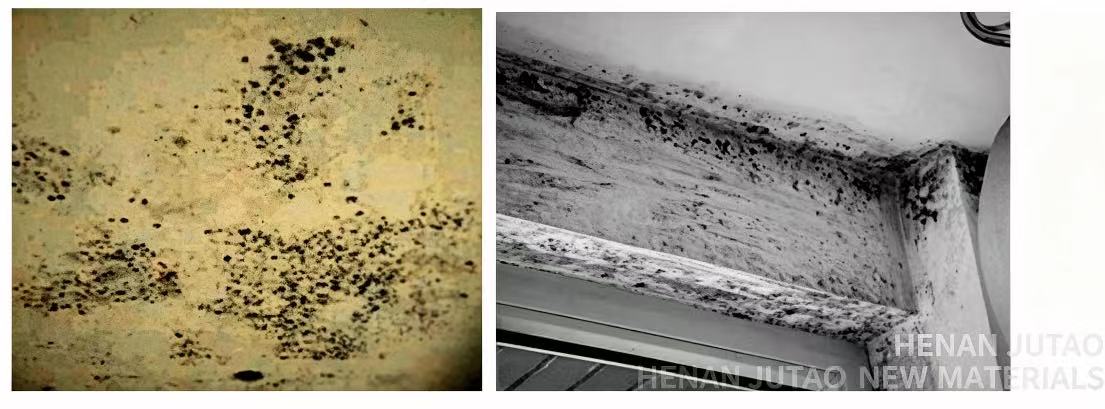
Traditionally, aerogel has been widely recognized as a high-performance insulation material for applications requiring thermal insulation, fire resistance, and high-temperature stability. With the increasing adoption of aerogel insulation in engineering projects, another important application is gaining attention: anti-condensation insulation.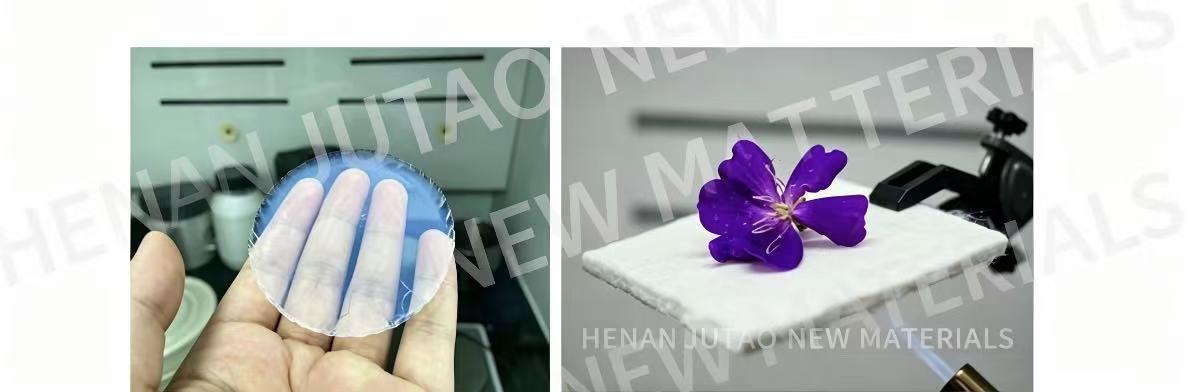
Why Does Industrial Condensation Occur?
Condensation occurs when a surface temperature falls below the dew-point temperature of the surrounding air. In industrial facilities, the problem can become particularly serious when warm, humid air comes into contact with relatively cold ceilings, walls, pipes, or equipment surfaces.
This is especially common in food processing plants, pharmaceutical facilities, electronics manufacturing plants, and multi-story industrial buildings where temperature-controlled production areas are located above warehouses or storage spaces.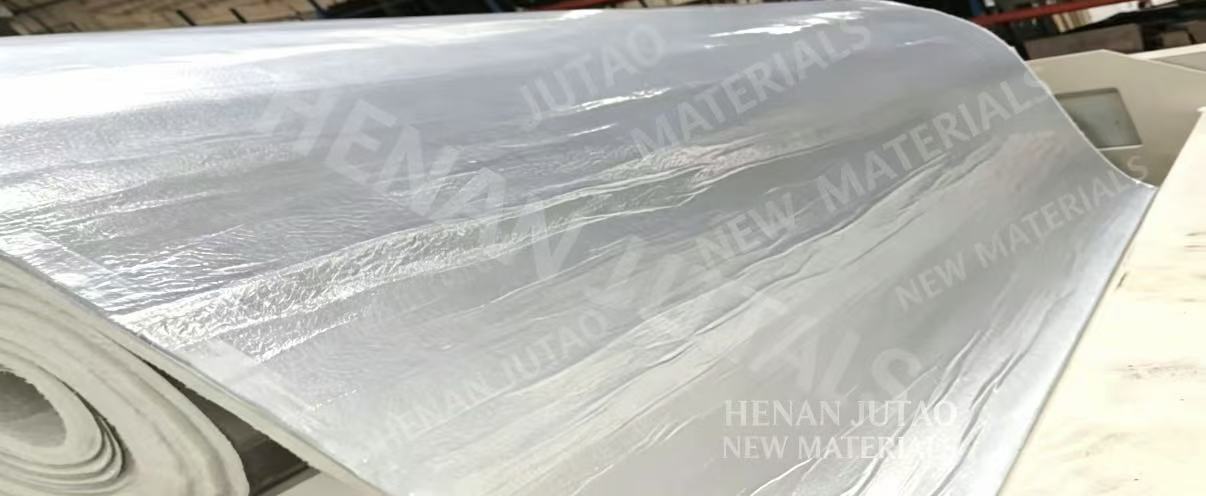
While this layout can improve land utilization and logistics efficiency, it may also create significant temperature and humidity differences between floors, increasing the risk of condensation on ceiling panels and structural components.
Addressing condensation therefore requires more than simply controlling indoor humidity. The insulation system must also effectively control heat transfer, eliminate thermal bridges, and prevent water vapor from penetrating the insulation layer.
How Does Aerogel Insulation Help Prevent Condensation?
Aerogel insulation combines extremely low thermal conductivity with a compact structure and can be used to create a continuous thermal and vapor-control system.
By increasing the surface temperature of the protected substrate and reducing heat transfer between different environments, properly designed aerogel insulation can help keep the surface temperature above the dew point, thereby reducing the risk of condensation.
For warehouse applications operating at approximately 40°C and 75% relative humidity, the theoretical minimum aerogel insulation thickness may be around 6 mm under specific calculated conditions. Considering humidity fluctuations, installation tolerances, thermal bridges, and an appropriate safety margin, an actual design thickness of approximately 20 mm may be selected.
The final insulation thickness should always be determined according to the actual temperature, relative humidity, substrate temperature, dew-point conditions, and project requirements.
Key Advantages of Aerogel Anti-Condensation Insulation
- Non-Combustible Performance
Aerogel-based insulation systems can be designed with Class A non-combustible materials, helping meet the fire-safety requirements of industrial facilities and reducing the need for additional fire-protection measures, subject to local codes and the specific system configuration.
- High Insulation Performance with a Thin Profile
Aerogel offers extremely low thermal conductivity, allowing effective thermal insulation to be achieved with a much thinner layer than many conventional insulation materials.
This is particularly valuable in industrial buildings where available installation space is limited and maintaining ceiling height or equipment clearance is important.
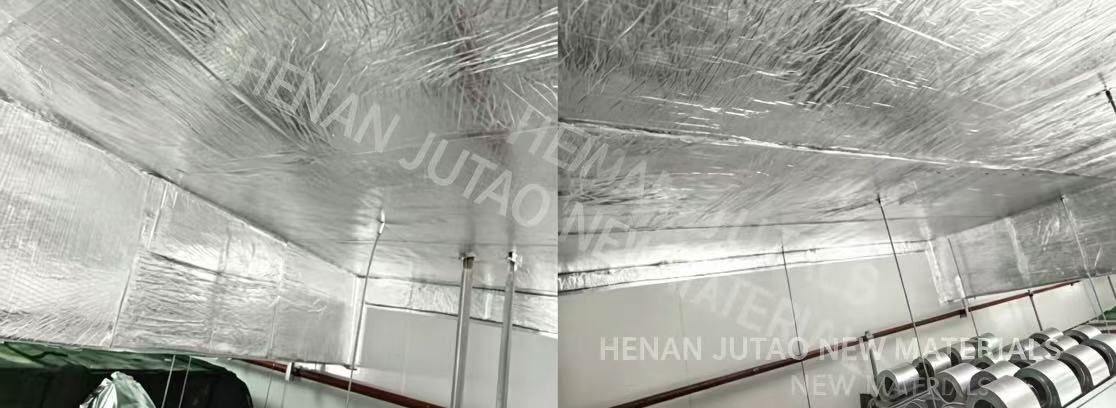
- Aluminum-Foil Vapor and Moisture Barrier
An aluminum foil facing can provide vapor-barrier protection while also contributing to thermal reflection.
By reducing water-vapor penetration into the insulation layer, the facing helps maintain the long-term stability of the insulation system and reduces the risk of moisture-related performance degradation.
- Dry and Rapid Installation
Aerogel insulation blankets can generally be installed using a dry construction process without the need for conventional framing, plastering, or wet construction.
A typical installation sequence includes:
Substrate inspection and cleaning → Measurement and marking → Aerogel blanket cutting → Installation of the first blanket → Mechanical fastening with a staple gun → Installation of adjacent blankets → Sealing of joints with aluminum foil tape → Repair of thermal bridges at fastening points → Completion of the entire insulation layer → Final inspection → Finished-surface protection
The exact fastening method and installation details should be adapted to the substrate and project specifications.
Recommended Installation Conditions
For dry installation, the recommended ambient temperature is generally 5–35°C, with a relative humidity of no more than 85%.
Installation should be avoided during heavy fog, high-humidity conditions, rainfall, or immediately before and after significant precipitation.
The substrate should also be clean, dry, structurally sound, and free from contaminants that could affect adhesion or mechanical fastening.
From Condensation Control to Long-Term Facility Protection
Condensation is not simply a moisture problem. It is the result of the interaction between temperature differences, heat transfer, thermal bridges, vapor movement, material performance, and structural protection.
For industrial facilities affected by ceiling dripping, equipment corrosion, wall moisture, or mold growth, an aerogel-based insulation and vapor-control system can provide a compact approach to condensation management.
By calculating the required insulation thickness according to actual temperature and humidity conditions and creating a continuous, sealed thermal and vapor-control layer, aerogel insulation can help maintain surface temperatures above the dew point and reduce condensation risks.
As industrial buildings continue to demand higher energy efficiency, tighter environmental control, and more reliable fire and moisture protection, aerogel anti-condensation insulation is becoming an increasingly relevant solution for warehouses, food-processing facilities, pharmaceutical plants, electronics manufacturing sites, HVAC systems, and other temperature-controlled industrial environments.
Jutao Environmental Technology — Specialists in Aerogel Material Solutions
Stay connected with us for the latest updates, industry insights and application solutions in the aerogel sector.