



News





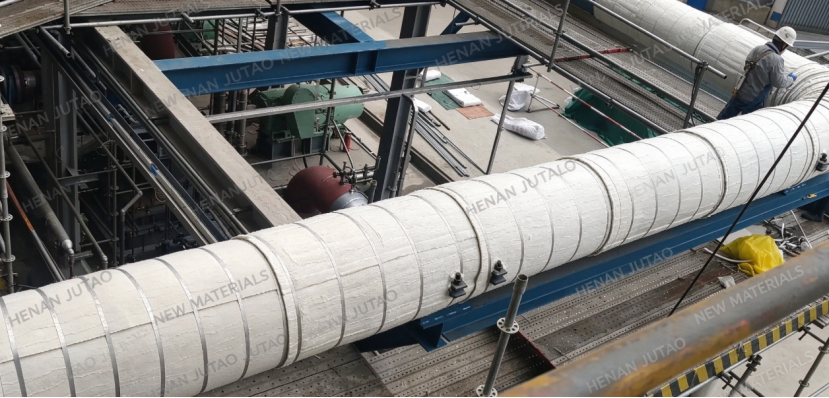
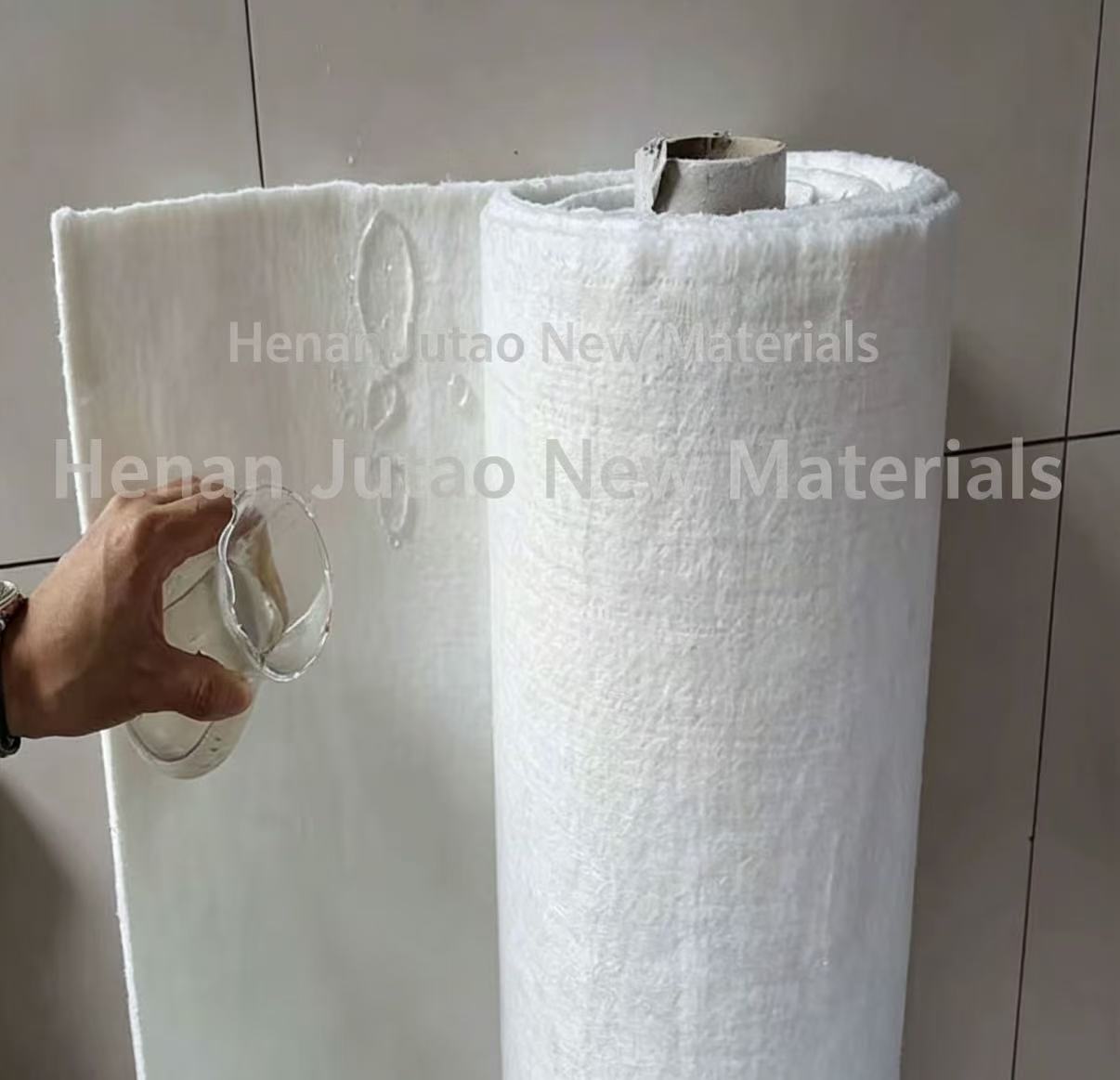
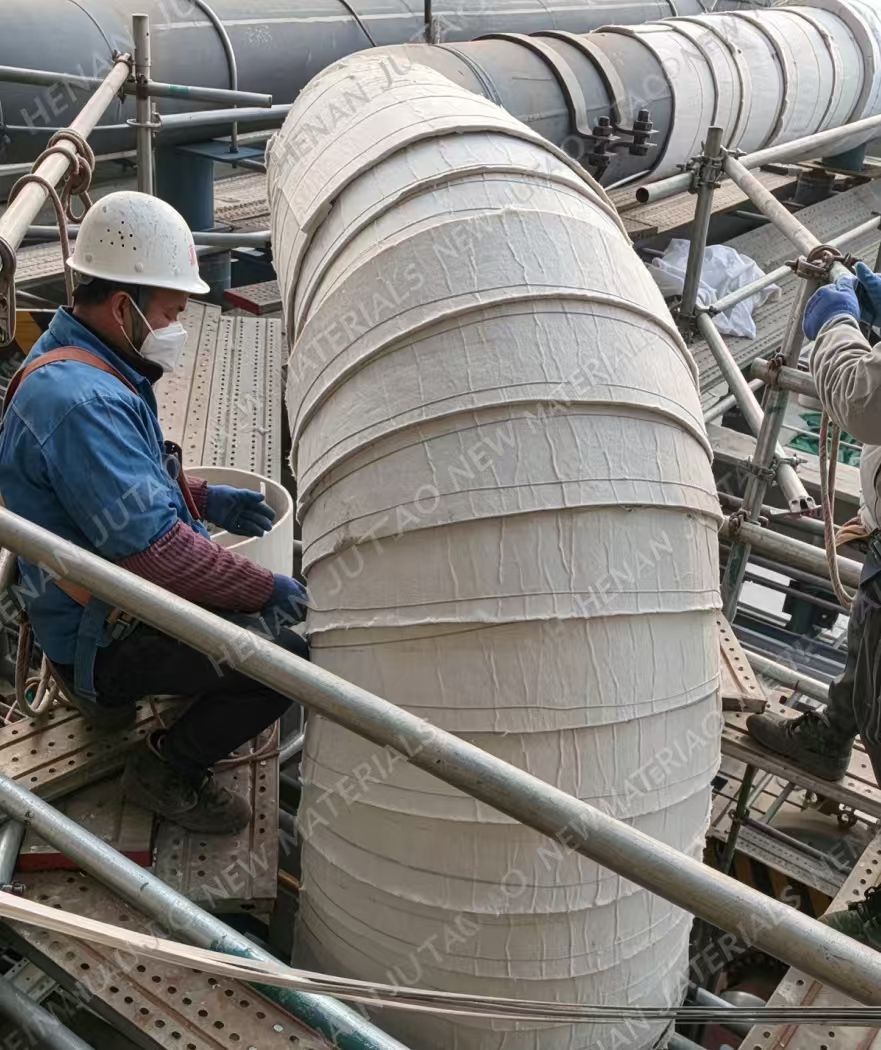
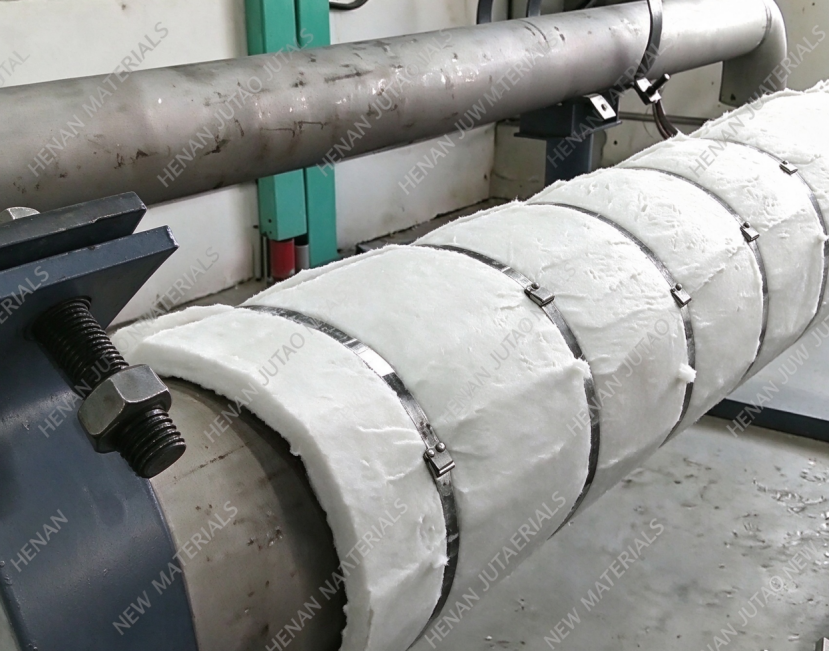
Vacuum Insulation Panels: Composition, Performance Characteristics and Service Life
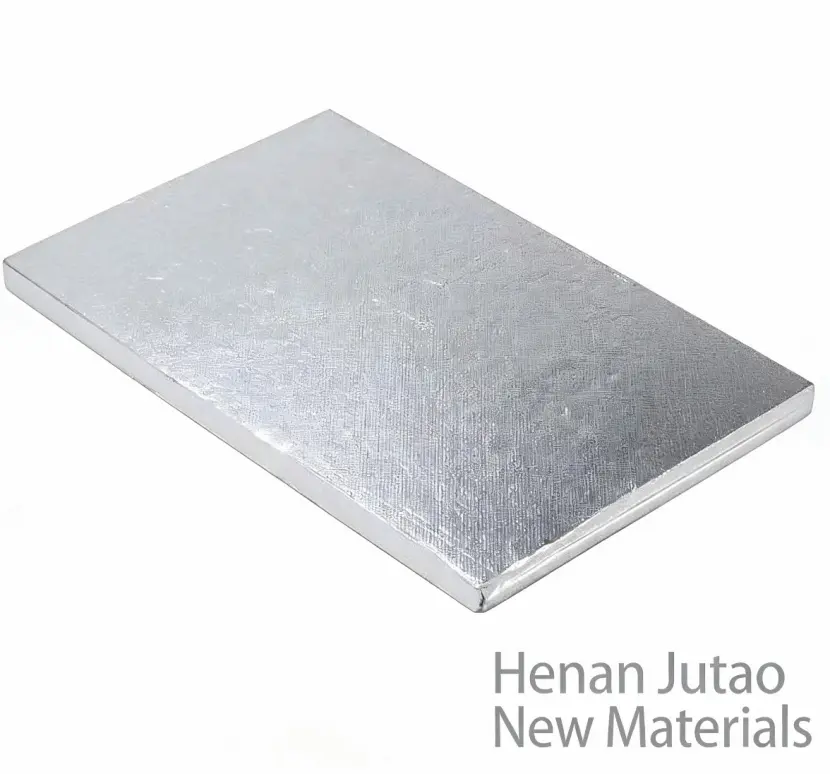
The High-Efficiency Thermal Insulation Principle of Vacuum Insulation Panels
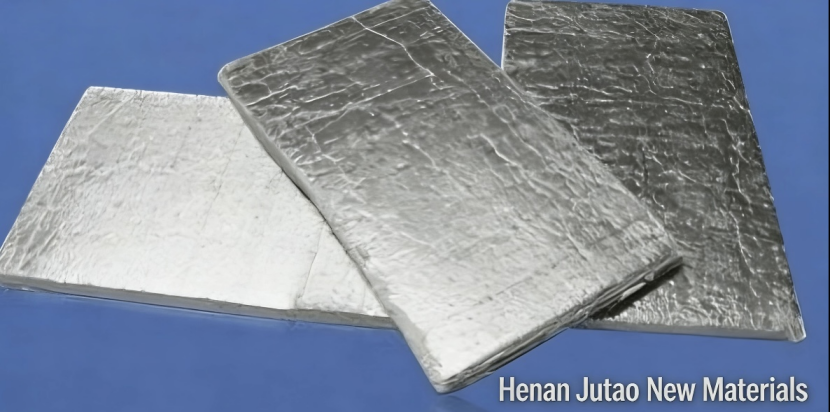
Advanced Microporous Insulation Material: A New Generation Solution
This next-generation microporous insulation material, synthesised through a combination of fumed silica and calcium silicate technologies, delivers exceptional thermal insulation, robust mechanical strength, and effective fire-blocking properties. It achieves superior performance at service temperatures up to 1000°C.
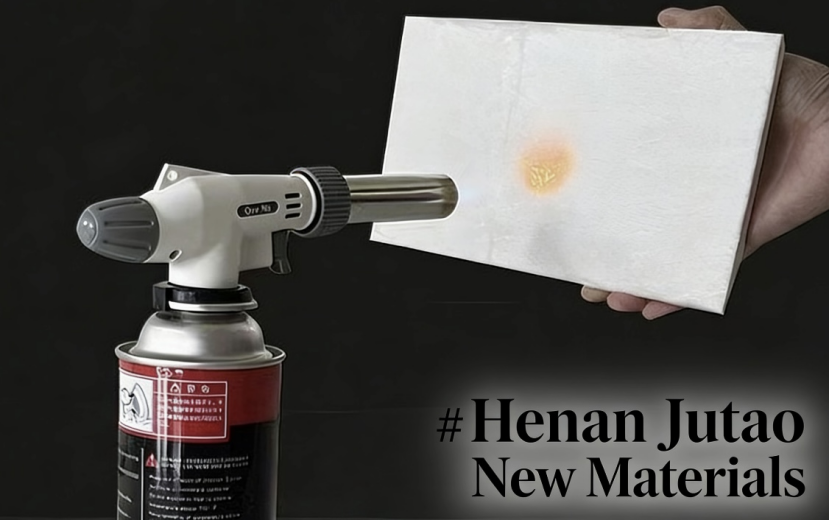
Three Mechanisms Underpinning the Superior Thermal Insulation Performance of Nano-Microporous Materials
Nano-microporous insulation materials are synthesised by leveraging the unique principles of heat transfer at the nanoscale. They combine the intrinsic low thermal conductivity of a nano-porous matrix with the heat-reflective properties of functional materials. Through tailored formulations of binders and various inorganic elements, these materials achieve a thermal conductivity lower than that of static air.
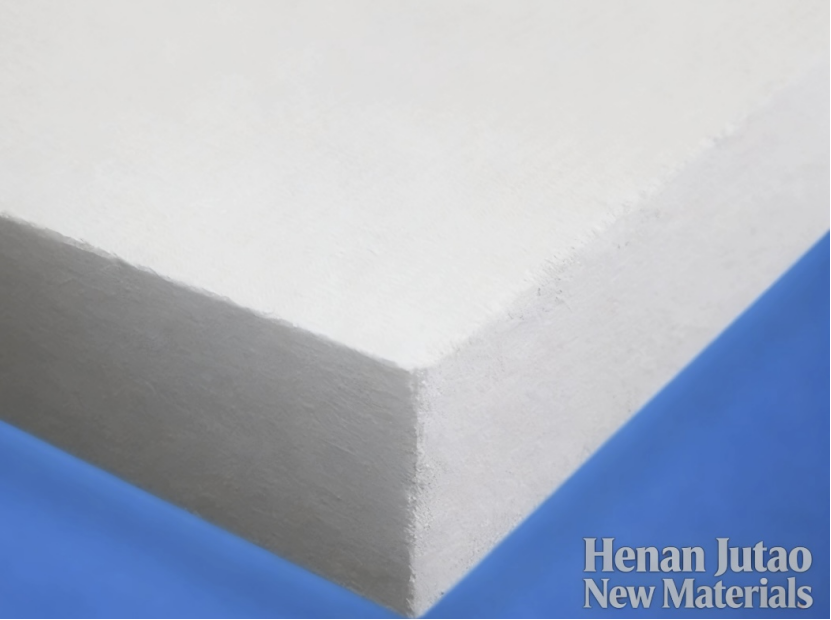
Brief Description of the Characteristics of Microporous Insulation Materials
Microporous insulation materials are advanced thermal insulation products composed of silica particles with diameters in the tens of nanometres, combined with infrared opacifiers, reinforcing fibres and other functional additives. Through specific physical and chemical processing steps, a highly efficient insulation material with a large number of nano-sized pores is formed.
Characteristics of Nano Super-Insulation Materials
Nano super-insulation materials refer to insulation systems whose pore sizes are smaller than the mean free path of air molecules (≤70 nm). Typical representatives include silica aerogels and nano-microporous insulation boards. These materials exhibit thermal conductivities that are lower than that of still air, both at room temperature and under designated service temperatures.
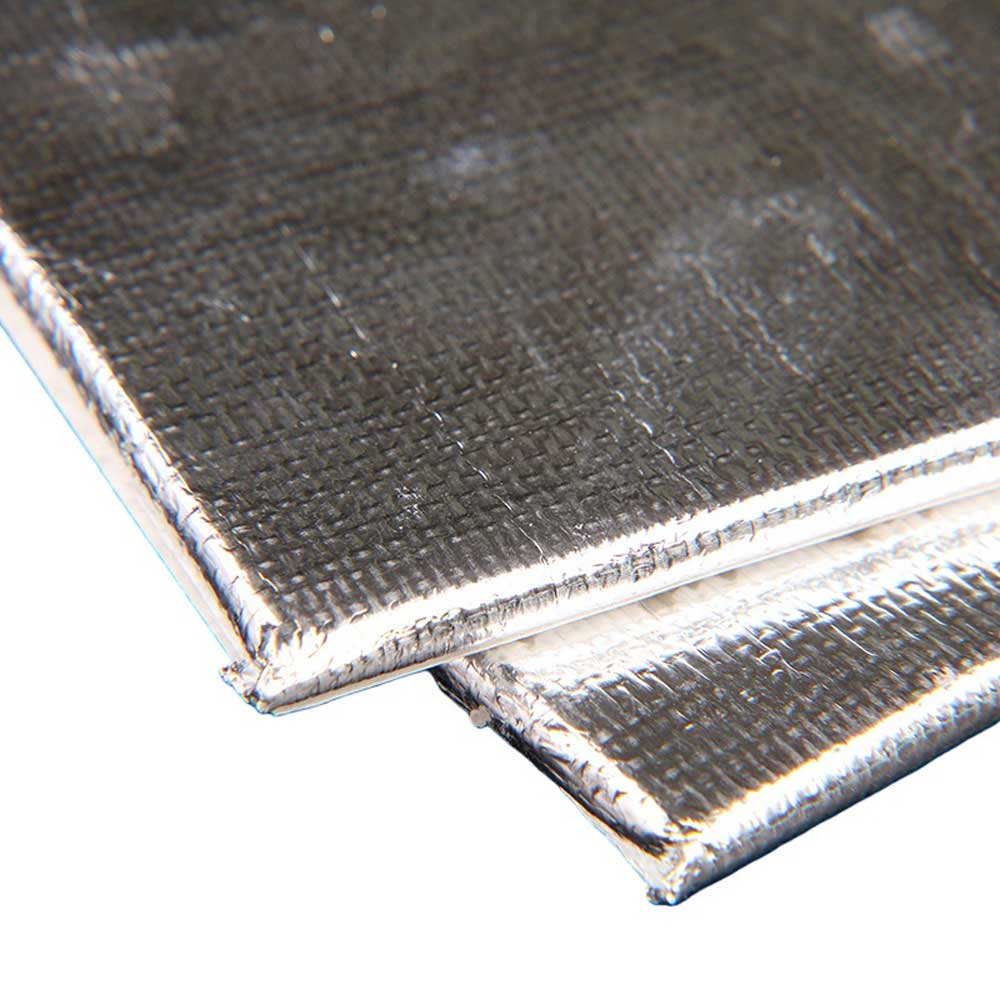
Enhancing the Quietness of Buildings: How does Vacuum Insulation Board Bring Synergistic Effects to Interior Wall Sound Insulation
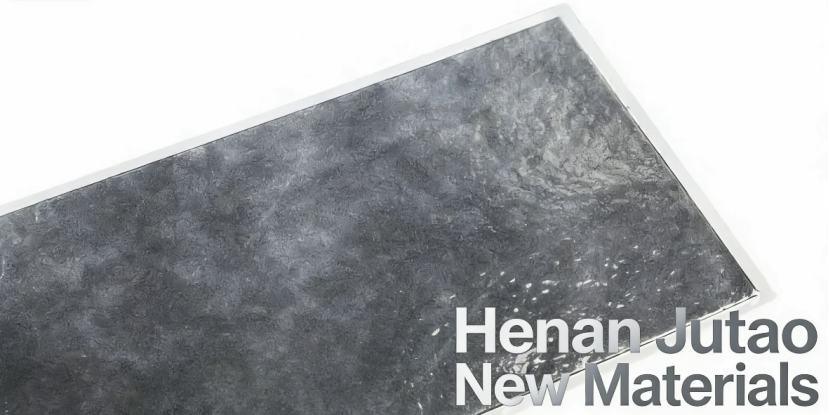
Application Advantages of Aerogel Materials in New Energy Vehicle Batteries
Aerogels, recognised as a new generation of high-performance thermal insulation materials, feature an ultra-lightweight, nano-porous structure that delivers exceptional properties in thermal, acoustic and optical performance. Through composite design with materials such as glass fibre and ceramic fibre, their insulation performance, flexibility and mechanical strength can be further enhanced.
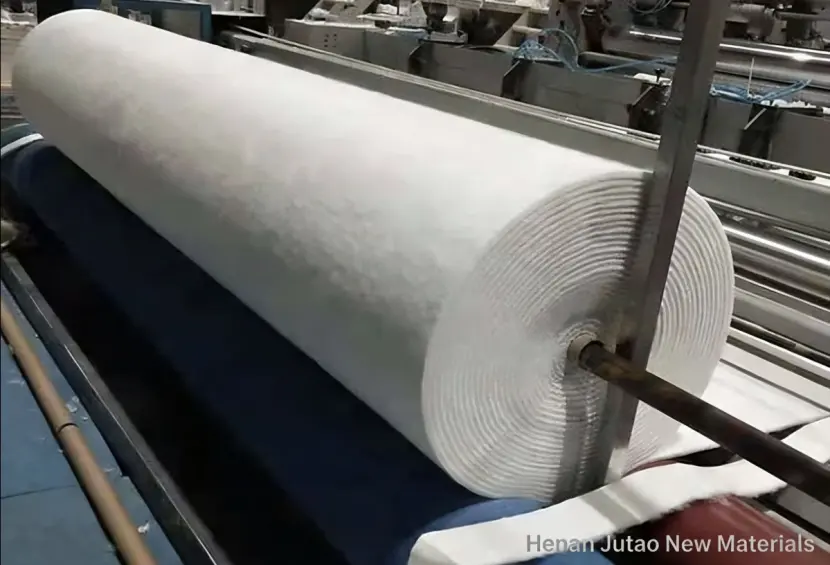
Advantages of Using Aerogel as an Internal Wall Insulation Material
As a high-performance insulation material, aerogel possesses unique physical and chemical characteristics that make it an ideal choice for building thermal insulation. With its low density, high specific surface area and excellent thermal resistance, aerogel effectively reduces heat transfer and delivers outstanding insulation performance.
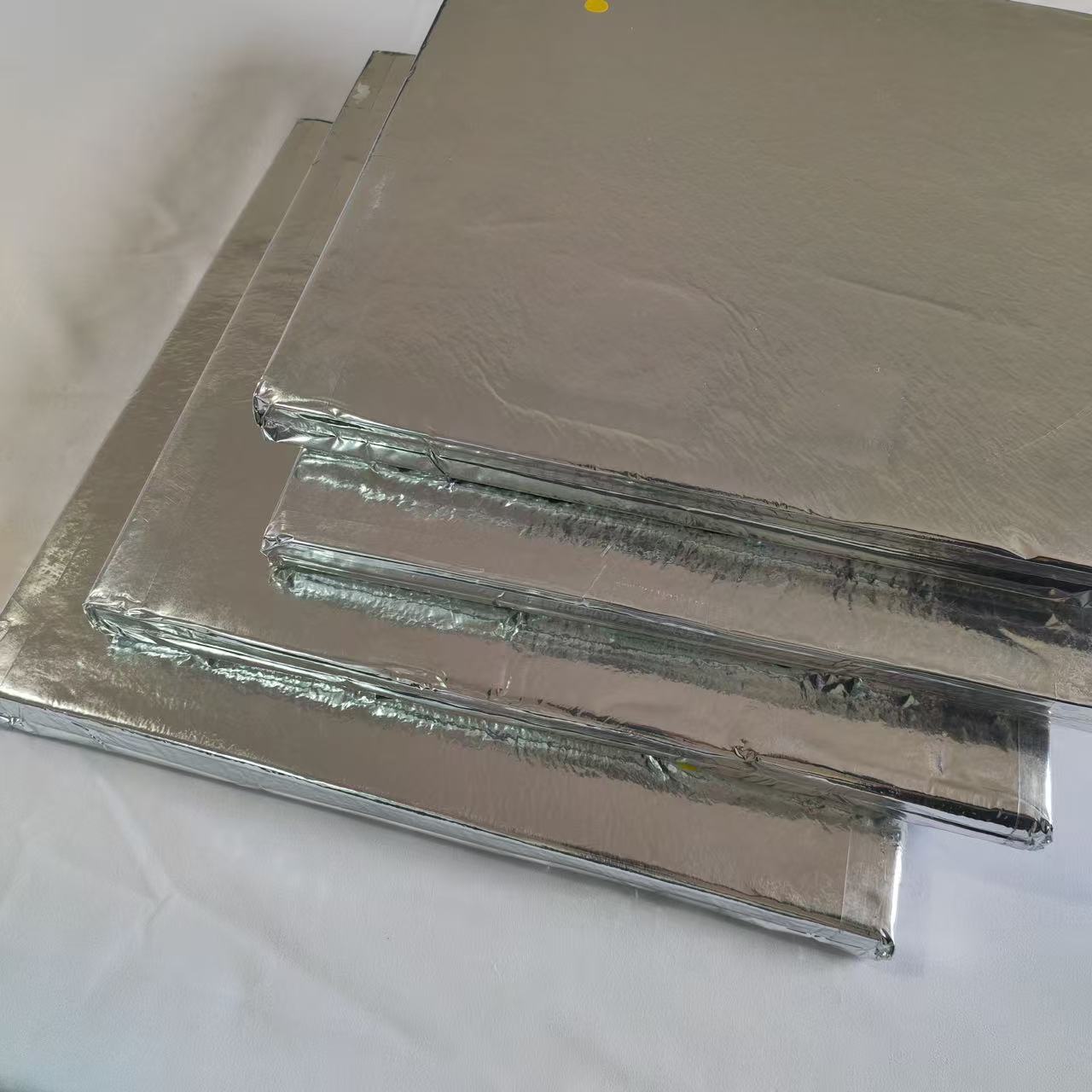
Application of Fumed Silica in Vacuum Insulation Panels for Refrigerators
Background – Energy Efficiency and Space Requirements
Modern household refrigerators must provide sufficient storage capacity for fresh produce, dairy, beverages and various foods, while at the same time consuming minimal electricity. Insulation materials therefore play a decisive role in ensuring the energy performance of domestic appliances.