



News
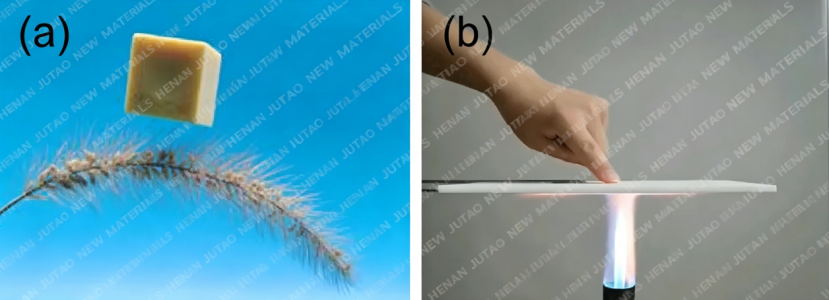









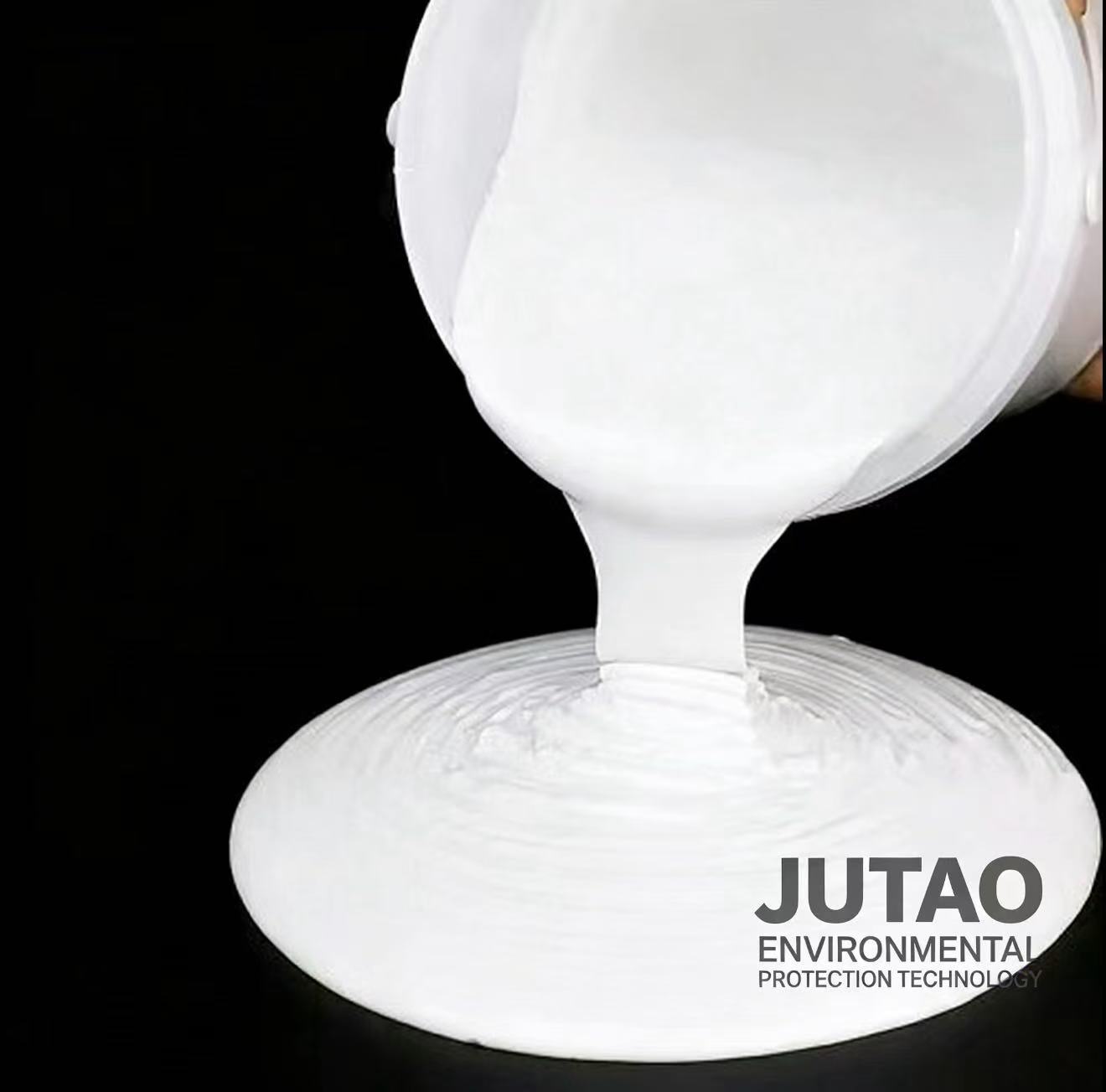
Modular Skids and Containerised Plant: Specifying Aerogel Insulation Before the Module Leaves the Fabrication Yard
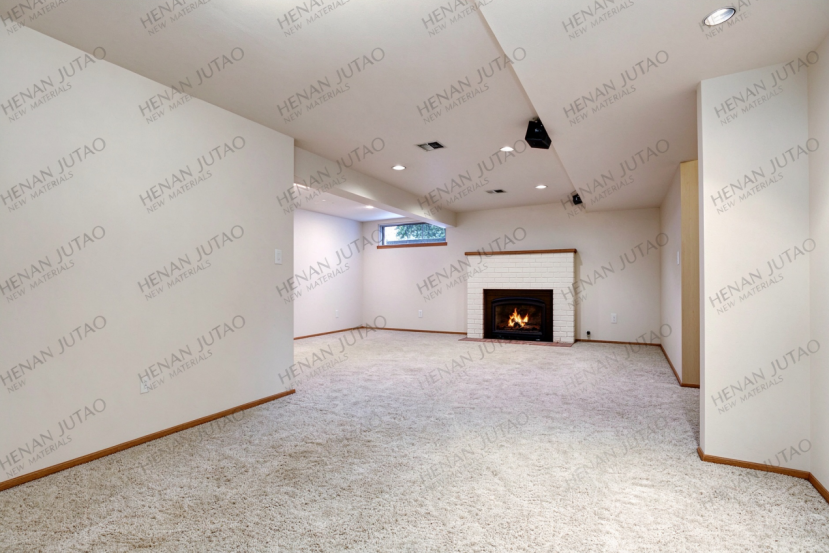
Aerogel Wall Insulation Manufacturer Basement Condensation: Causes, Risks and Prevention with Aerogel Insulation Coatings
Understanding Moisture and Condensation in Basements
Basements are particularly susceptible to moisture-related problems because they are located below ground level and are often exposed to high humidity, low surface temperatures and potential groundwater infiltration. Without appropriate moisture protection and thermal insulation, basement walls and floors may develop condensation, damp patches, mold growth and other moisture-related damage.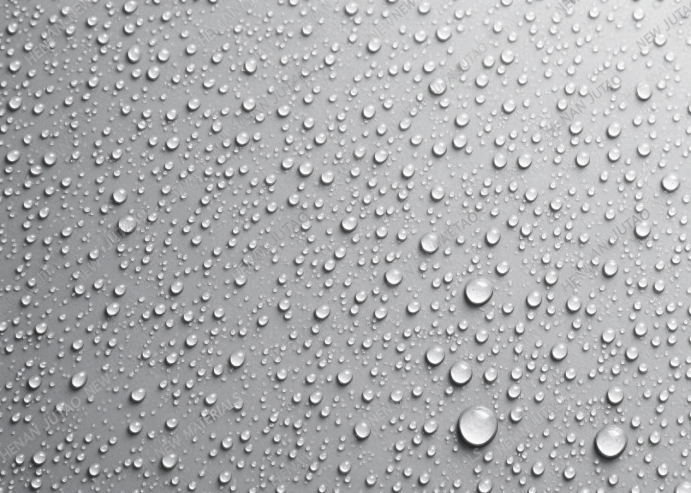
As basements are increasingly used for storage, recreation, home offices and other functional spaces, maintaining a dry, comfortable and healthy indoor environment has become an important consideration in building design and renovation.
Understanding the causes of condensation is the first step toward selecting an effective insulation and moisture-control solution.
What Causes Condensation?
Condensation occurs when water vapor in the air comes into contact with a surface that is at or below the air’s dew-point temperature. As the surface temperature decreases, moisture in the surrounding air condenses into liquid water.
In basements, underground walls and other poorly insulated building components can remain relatively cold, particularly when warm, humid indoor air comes into contact with them. This temperature difference creates favorable conditions for condensation.
However, condensation is not the only source of basement moisture. Groundwater seepage, rainwater penetration, inadequate drainage and insufficient ventilation may also contribute to damp conditions. These problems require appropriate waterproofing, drainage or ventilation measures in addition to thermal insulation.
The Consequences of Basement Condensation
Persistent condensation can affect building durability, indoor air quality and the safe operation of equipment.
- Deterioration of Wall Finishes
Prolonged exposure to moisture can weaken plaster, paint and other surface finishes, potentially leading to peeling, cracking and reduced service life.
- Mold Growth and Indoor Air Quality Issues
Damp surfaces create favorable conditions for mold growth. If moisture remains uncontrolled, mold may spread across walls and ceilings, negatively affecting indoor air quality and occupant comfort.
- Potential Risks to Electrical Equipment
Condensation can accumulate on surfaces and drip onto nearby electrical installations or equipment. In environments where electrical systems are exposed to moisture, this may increase the risk of corrosion, malfunction and electrical hazards.
- Reduced Insulation Performance
When moisture-sensitive insulation materials absorb water, their thermal conductivity may increase, reducing their insulating effectiveness. Lower surface temperatures can then make condensation more likely, creating a cycle of recurring moisture problems.
Why a Comprehensive Moisture-Control Strategy Matters
Effective basement moisture management requires identifying the underlying cause of the problem. Waterproofing and drainage are essential where groundwater infiltration or water penetration is present. Adequate ventilation and humidity control can help reduce indoor moisture levels, while thermal insulation can help maintain warmer interior surface temperatures.
Aerogel-based insulation coatings offer a potential supplementary solution for improving the thermal performance of selected building surfaces, especially where conventional insulation systems are difficult to install.
By combining appropriate waterproofing, ventilation, humidity management and thermal insulation measures, building owners can create more durable, comfortable and healthier basement environments.
In the next article, we explore how aerogel insulation coatings work, their key thermal properties and their potential applications in basement condensation control.
Jutao Environmental Technology — Specialists in Aerogel Material Solutions
Stay connected with us for the latest updates, industry insights and application solutions in the aerogel sector.
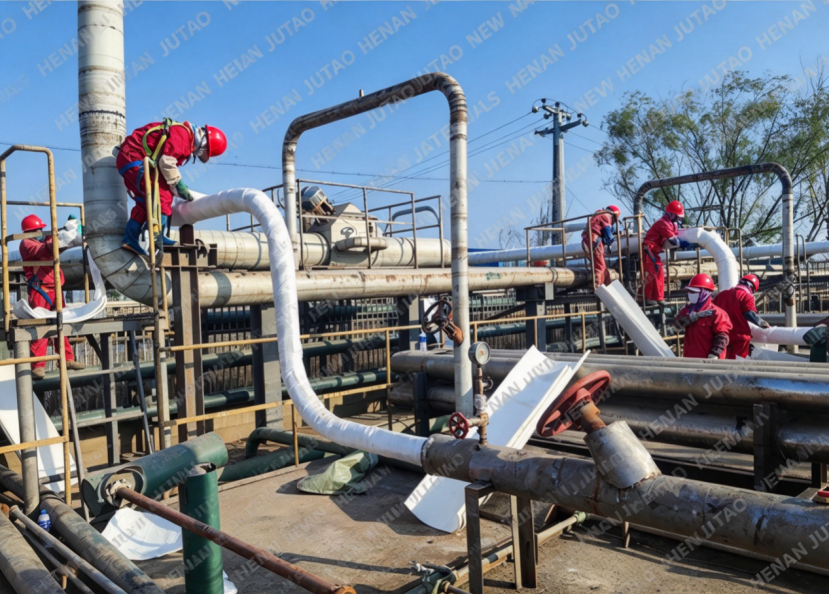
China Custom Aerogel U Value Aerogel Insulation for Petrochemical Pipelines: Enhancing Energy Efficiency and Corrosion Protection
Pipeline systems are essential to the petrochemical industry, transporting crude oil, liquefied petroleum gas (LPG), refined fuels, steam, cooling water, and chemical process fluids. These systems often operate under demanding conditions involving temperature fluctuations, moisture exposure, and corrosive environments.
Insulation plays a critical role in maintaining process temperatures, reducing heat loss, protecting personnel, and improving energy efficiency. However, conventional mineral wool insulation with metal cladding may absorb moisture when the protective system is damaged or inadequately sealed. This can reduce insulation effectiveness and contribute to corrosion under insulation (CUI).
Aerogel-based coatings and insulation blankets offer alternative approaches for different pipeline temperature ranges, helping operators balance thermal performance, maintenance requirements, and lifecycle costs.
- Ambient-Temperature Pipelines: Lightweight Thermal Protection
Ambient-temperature pipelines, including certain LPG transfer lines, may require thermal management to help maintain operating conditions and support safe, reliable transportation.
For suitable applications, Henan Jutao New Materials recommends a 2 mm aerogel coating system.
2 mm Aerogel Coating System
The coating system provides a thin thermal insulation layer designed to reduce heat transfer without adding the bulk associated with conventional insulation blankets.
Its lightweight structure may be advantageous where installation space is limited or where operators want to avoid enclosing the pipeline in a thick insulation assembly.
Potential benefits include:
* Reduced heat transfer: Helps limit thermal exchange between the pipeline and its surroundings.
* Compact construction: A thin coating can be suitable for selected pipelines where conventional insulation thickness is difficult to accommodate.
* Inspection accessibility: Compared with thick insulation blankets and metal cladding, a coating system may make certain external surface changes or leakage indicators easier to observe.
* Simplified maintenance: Depending on the system design, coating application may reduce the number of components involved in installation and repair.
For LPG and other hazardous-fluid pipelines, insulation is not a substitute for appropriate pressure containment, leak detection, corrosion control, and inspection procedures. The coating must also be compatible with the pipeline’s operating temperature and required corrosion protection system.
- Medium- and Low-Temperature Pipelines: Reducing CUI Risks
Corrosion under insulation is a significant maintenance concern for insulated industrial equipment. It can develop when moisture enters an insulation system and remains in contact with the underlying metal surface.
Pipelines operating between -40°C and 200°C, as well as equipment operating outside this range that periodically passes through it, may require particular attention to insulation design and inspection.
These conditions can occur in various petrochemical processes involving temperature cycling, moisture exposure, and intermittent operation.
Hydrophobic GJN Nanoporous Insulation Blanket
Henan Jutao New Materials offers a hydrophobic GJN nanoporous insulation blanket for suitable medium- and low-temperature pipeline applications.
According to the supplied product information, the material is designed to combine high hydrophobicity with thermal insulation performance and a competitive cost profile.
The manufacturer describes its relative characteristics as follows:
* Hydrophobic performance comparable to 100% of the reference aerogel insulation blanket.
* Thermal insulation performance comparable to 80% of the reference aerogel insulation blanket.
* Price at approximately 50% of the reference aerogel insulation blanket.
These are manufacturer-provided relative comparisons rather than universal industry benchmarks. The reference products, test methods, operating temperatures, and commercial conditions should be specified when making direct product comparisons.
Key Application Benefits
Moisture resistance: Hydrophobic properties help limit water uptake by the insulation material, supporting moisture management when the complete insulation assembly is properly designed.
Thermal insulation: The nanoporous structure helps reduce heat transfer, supporting temperature stability and limiting unnecessary heat loss.
Flexible industrial application: The blanket can be considered for suitable pipelines and equipment requiring insulation under changing operating conditions.
Cost-effectiveness: Its combination of insulation performance, water repellency, and material cost may provide a practical alternative for applications where full aerogel blanket specifications are not required.
For pipelines transporting crude oil, bitumen, heavy fuel oil, and other temperature-sensitive materials, suitable insulation can also help reduce excessive cooling and, where relevant, lower the risk of material solidification during cold weather.
A complete system generally includes appropriate insulation thickness, corrosion protection, weather-resistant metal cladding, sealed joints, and provisions for inspection and drainage.
- High-Temperature Pipelines: Improving Steam Insulation Performance
High-temperature process pipelines and long-distance steam transmission lines require effective insulation to minimize heat loss and maintain the required steam conditions.
Poor insulation performance can increase fuel consumption, reduce thermal efficiency, and affect the quality of steam delivered to downstream users.
Aerogel Insulation Blankets for High-Temperature Applications
For demanding high-temperature applications, Henan Jutao New Materials recommends aerogel insulation blankets as an alternative to conventional mineral wool systems, subject to the product’s rated operating temperature and the requirements of the installation.
Aerogel insulation blankets feature a nanoporous structure designed to restrict heat transfer. Their relatively low thermal conductivity can help achieve effective insulation with less thickness than some conventional materials.
Potential benefits include:
* Reduced heat loss: Helps conserve thermal energy in high-temperature process and steam pipelines.
* Improved space efficiency: High insulation performance may reduce the thickness required for a given thermal design target.
* Hydrophobic performance: Suitable hydrophobic aerogel products can help limit moisture absorption within the insulation material.
* Support for CUI management: Appropriate material selection, drainage, cladding design, and inspection can help address conditions associated with corrosion under insulation.
* Long-term operational value: Reduced heat loss and lower insulation replacement frequency may improve lifecycle economics.
Hydrophobic GIN nanoporous insulation blankets may also be considered for suitable industrial applications. Product grades and specifications should be checked carefully before selecting materials for a particular temperature range.
- Aerogel vs. Conventional Mineral Wool: A Lifecycle Perspective
Conventional mineral wool insulation remains widely used in industrial pipelines because of its availability and established installation practices. However, moisture exposure, mechanical damage, and insulation degradation can increase maintenance demands over time.
Aerogel insulation blankets offer a different balance of thermal performance, thickness, and moisture resistance.
According to the supplied product information, aerogel insulation can achieve a thermal conductivity approximately one-third to one-half that of the referenced mineral wool insulation. Actual performance depends on the product grade, mean test temperature, density, and measurement method.
The supplied service-life comparison also indicates an expected service life of more than 15 years for the referenced aerogel system, compared with approximately 3–5 years for a conventional mineral wool system.
These figures should be treated as indicative product comparisons rather than guaranteed service lives. Actual durability depends on operating temperature, installation quality, protective cladding, moisture exposure, maintenance practices, and the condition of the underlying equipment.
Evaluating Total Cost of Ownership
Insulation selection should consider more than the initial material price.
A lifecycle cost assessment may include:
* Initial material and installation costs.
* Energy losses throughout the operating period.
* Inspection and maintenance requirements.
* Replacement frequency and associated labor.
* Waste generation and disposal costs.
* Production interruptions during maintenance or replacement.
Where the operating conditions favor aerogel insulation, its thermal performance and potential durability advantages may help reduce total ownership costs over the equipment lifecycle.
A project-specific economic assessment is recommended to establish the actual savings.
- Tailored Aerogel Solutions for Petrochemical Pipelines
Pipeline insulation requirements vary considerably according to fluid type, operating temperature, pipeline geometry, environmental exposure, and safety requirements.
Henan Jutao New Materials provides a range of aerogel-based insulation options for different industrial conditions:
* Ambient-temperature pipelines: A 2 mm aerogel coating system for selected applications requiring lightweight thermal protection.
* Medium- and low-temperature pipelines: Hydrophobic GJN nanoporous insulation blankets for suitable temperature-control and CUI-risk management applications.
* High-temperature process and steam pipelines: Aerogel insulation blankets designed to reduce heat loss and improve thermal efficiency.
Choosing the appropriate system requires engineering evaluation of thermal conductivity at the operating temperature, insulation thickness, moisture management, corrosion protection, mechanical protection, and applicable industry standards.
Through application-oriented insulation solutions, Henan Jutao New Materials aims to help petrochemical operators improve thermal efficiency, manage maintenance risks, and support more sustainable industrial operations.
Jutao Environmental Technology — Specialists in Aerogel Material Solutions
Stay connected with us for the latest updates, industry insights and application solutions in the aerogel sector.
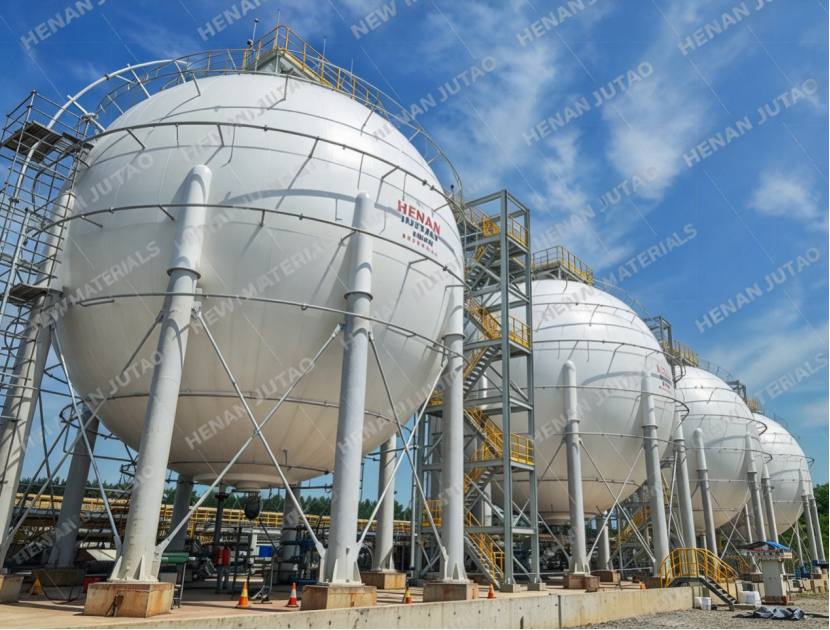
Wholesale China Gas Membrane Aerogel Insulation Solutions for Petrochemical Storage Tanks: Improving Thermal Control and Corrosion Protection
Storage tanks play a vital role in the petrochemical industry, providing essential storage for crude oil, refined petroleum products, and chemical feedstocks. Their safe and reliable operation is critical to supply chain stability, process efficiency, and industrial safety.
However, conventional tank insulation systems, typically consisting of mineral wool covered with metal cladding, can present challenges. Moisture ingress may lead to corrosion under insulation (CUI), while excessive thermal resistance can be undesirable for certain ambient-temperature tanks that require heat dissipation rather than heat retention.
Aerogel-based insulation technologies offer alternative solutions for different tank operating conditions, helping petrochemical operators manage heat transfer, improve insulation system durability, and optimize maintenance requirements.
- Ambient-Temperature Storage Tanks: Summer Heat Protection
Ambient-temperature storage tanks are often exposed to intense solar radiation during summer. As the temperature rises, heat transfer into the tank can increase the temperature of the stored product, potentially accelerating evaporation losses and increasing the need for cooling.
Traditional insulation systems may not always be the most suitable choice for these applications. A lightweight aerogel coating system can provide an alternative approach to controlling external heat gain.
Jutao 2 mm Aerogel Coating System
Henan Jutao New Materials offers a 2 mm aerogel coating system designed for selected tank applications requiring summer heat protection.
The system combines a low-thermal-conductivity insulating intermediate layer with a suitable surface coating to help reduce heat transfer from the external environment.
Compared with conventional single-layer solar-reflective coatings, sometimes marketed as cool-roof or cool-surface paints, the aerogel coating system incorporates an additional thermal insulation layer. Its performance approach combines solar reflectance, thermal radiation management, and resistance to heat conduction.
According to the supplied product information, the system provides approximately 50% better insulation performance than conventional single-layer solar-reflective coatings. This comparative figure should be verified against the applicable test method and reference coating before being used as a formal performance guarantee.
Potential benefits include:
* Reduced solar heat gain: Helps limit heat transfer into exposed storage tanks during hot weather.
* Support for evaporation control: Reducing external heat input may help limit temperature increases and associated evaporation losses, depending on the stored product and tank operating conditions.
* Lightweight construction: The thin coating adds relatively little weight compared with conventional bulky insulation assemblies.
* Convenient installation: The coating system may simplify application on suitable tank surfaces and help shorten construction schedules.
* Reduced moisture-related risks: A properly designed coating system can avoid some of the moisture-trapping concerns associated with conventional insulated and metal-clad assemblies.
For tanks that require spray-water cooling during summer, the coating can also be considered as part of a broader thermal management strategy. Substrate preparation, coating compatibility, corrosion protection, and application quality remain important to long-term performance.
- Medium- and Low-Temperature Storage Tanks: Reducing Heat Loss
Some storage tanks must maintain their contents within a relatively stable temperature range. Applications may include tanks storing crude oil, bitumen, heavy fuel oil, and other materials that require temperature control to preserve handling properties or prevent excessive cooling.
For these applications, conventional mineral wool and metal cladding can face durability challenges when moisture enters the insulation system. Water accumulation may impair thermal performance and create conditions conducive to corrosion under insulation.
Hydrophobic GJN Microporous Insulation Blanket
Henan Jutao New Materials recommends its hydrophobic GJN nanoporous insulation blanket for suitable medium- and low-temperature storage tank applications.
The material is designed to combine efficient thermal insulation with water-repellent properties, helping reduce the risk of moisture-related insulation degradation.
Key application benefits include:
Thermal efficiency: The nanoporous structure helps restrict heat transfer, supporting temperature maintenance and reducing heat loss.
Moisture management: Hydrophobic properties help limit water absorption by the insulation material. When incorporated into a properly designed system, this can help reduce moisture-related CUI risks.
Equipment protection: A suitable insulation and protective cladding system can help maintain stable operating conditions and support the long-term serviceability of storage tanks.
Lifecycle value: Reduced heat loss, appropriate moisture management, and longer insulation service life may help lower maintenance requirements and overall operating costs.
The complete insulation assembly should be designed for the actual operating temperature, ambient humidity, rain exposure, drainage requirements, and corrosion protection needs of the tank.
- Why Consider Aerogel-Based Tank Insulation?
Different storage tanks have different thermal management requirements. Ambient-temperature tanks may need to limit external heat gain, while heated or temperature-sensitive tanks may require effective heat retention.
A single insulation approach is therefore not appropriate for every application.
For summer heat protection, a thin aerogel coating system may be suitable where low added weight and convenient installation are priorities. For tanks requiring sustained heat retention, a hydrophobic nanoporous insulation blanket with an appropriate metal protective layer may be a better fit.
Selecting the right solution requires consideration of the stored medium, operating temperature, exposure conditions, maintenance strategy, and required thermal performance.
- Supporting More Reliable and Energy-Efficient Petrochemical Operations
Henan Jutao New Materials develops aerogel-based thermal insulation solutions for industrial applications, including petrochemical storage tanks and process equipment.
By matching insulation technologies to specific operating conditions, petrochemical operators can improve thermal management, reduce unnecessary heat transfer, address moisture-related insulation risks, and support more efficient equipment operation.
Aerogel coatings and hydrophobic nanoporous insulation blankets provide complementary options for storage tank applications where thermal performance, durability, and lifecycle cost are important considerations.
Jutao Environmental Technology — Specialists in Aerogel Material Solutions
Stay connected with us for the latest updates, industry insights and application solutions in the aerogel sector.
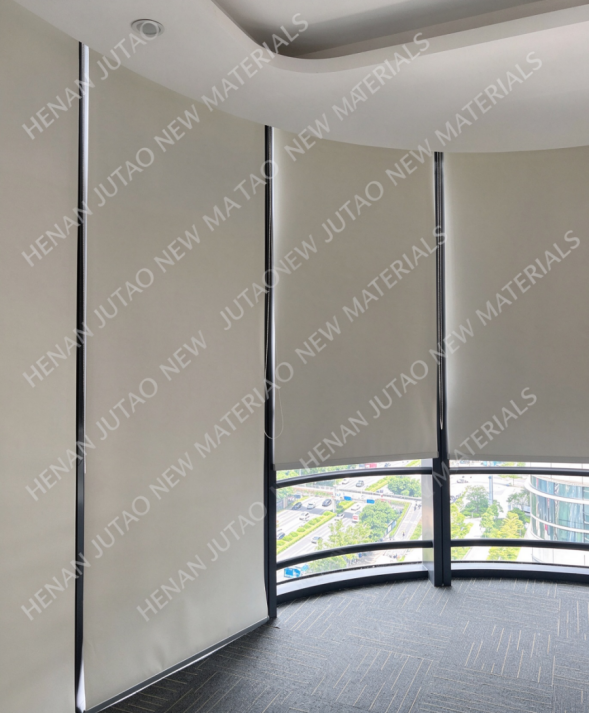
Custom China Facade Systems Aerogel for Transparent Building Envelopes: Balancing Natural Light and Thermal Insulation
As global temperatures rise and cooling demand increases, transparent building elements such as glass façades, skylights, and large windows present a particular challenge. They provide natural daylight and architectural appeal, but can also allow substantial solar heat to enter indoor spaces.
Aerogel technology offers new possibilities for improving the thermal performance of transparent building components. Aerogel particle-filled glass and aerogel-coated insulation blinds are two approaches that can help manage heat gain while supporting comfortable, energy-efficient indoor environments.
- Aerogel Particle-Filled Glass for Glass Façades and Skylights
Glass is widely used in modern commercial buildings, residential properties, atriums, and skylights. However, conventional glazing may contribute to overheating in summer, particularly when large glass surfaces are exposed to direct sunlight.
Aerogel particle-filled glass is designed to combine light transmission with improved thermal insulation.
A Nanoporous Material for Reduced Heat Transfer
Aerogel is an ultralight material characterized by a highly porous three-dimensional network. Its nanostructure can help restrict heat transfer through the material.
In aerogel particle-filled glass, aerogel particles are incorporated into the glazing structure or an appropriate enclosed glass cavity, depending on the product design. This creates a glazing system intended to improve thermal insulation while retaining useful levels of daylight transmission.
The final optical and thermal performance depends on particle size, filling density, glazing configuration, glass thickness, and the manufacturing process.
Improving Indoor Comfort in Hot Weather
By reducing heat transfer through suitable glazing systems, aerogel-filled glass may help limit indoor temperature increases during periods of intense sunlight.
Potential benefits include:
* Reduced solar heat gain, depending on the glazing design.
* Lower cooling demand under suitable operating conditions.
* Improved indoor thermal comfort.
* Better use of natural daylight.
* Potential acoustic benefits when incorporated into an appropriately designed glazing assembly.
These features make aerogel-filled glass a potential option for commercial façades, skylights, sunrooms, and other applications where both daylight and thermal performance are important.
For project specification, solar heat gain coefficient, visible light transmittance, U-value, condensation resistance, and acoustic performance should be assessed using product-specific test data.
- Aerogel-Coated Insulation Blinds for Windows and Indoor Spaces
Windows are another important pathway for solar heat gain. Even when high-performance glazing is installed, additional shading can help control direct sunlight and improve indoor comfort.
Aerogel-coated insulation blinds offer a complementary approach by combining a shading function with an insulating coating.
Additional Thermal Protection for Windows
Depending on the coating formulation and blind construction, an aerogel-coated blind may help reduce heat transfer and moderate the impact of direct solar radiation.
When properly selected and installed, the system can support more comfortable indoor conditions during hot weather and may help reduce the cooling load.
The overall result depends on factors such as coating thickness, fabric structure, surface reflectance, window orientation, glazing performance, and whether the blind is installed inside or outside the glazing.
Suitable for Residential and Commercial Buildings
Aerogel-coated insulation blinds may be considered for a range of indoor environments, including:
* Residential windows and balcony glazing.
* Office buildings and commercial spaces.
* Meeting rooms and workspaces exposed to direct sunlight.
* Large windows and selected glazed areas where additional shading is required.
They can be incorporated into broader building energy-efficiency strategies alongside high-performance glazing, external shading, and appropriate ventilation or cooling systems.
- Combining Glazing and Shading for Better Energy Performance
Transparent building envelopes require a balanced approach. Maximizing daylight alone does not necessarily ensure good thermal performance, while excessive shading may reduce useful natural light.
Aerogel particle-filled glass and aerogel-coated insulation blinds address different aspects of this challenge.
Aerogel-filled glass focuses on improving the thermal properties of the glazing assembly while maintaining light transmission. Aerogel-coated blinds provide an additional shading and insulation measure that can be adjusted according to building use and sunlight conditions.
When these technologies are selected according to local climate, façade orientation, and building requirements, they can complement one another in a comprehensive thermal management strategy.
- Aerogel Technology for More Sustainable Buildings
Reducing building cooling demand is an important consideration in the development of energy-efficient construction materials. Solutions that improve the performance of both transparent and non-transparent building components can contribute to more effective building envelope design.
From aerogel insulation coatings and waterproof roof membranes to aerogel-filled glazing and insulation blinds, aerogel technology offers a range of possibilities for managing heat transfer across different parts of a building.
For architects, façade engineers, contractors, and building-material distributors, these materials provide additional options for projects seeking to balance thermal comfort, daylight utilization, and energy efficiency.
As aerogel technology continues to develop, product-specific testing, practical installation requirements, durability, and life-cycle performance will remain key factors in determining its suitability for individual building projects.
Jutao Environmental Technology — Specialists in Aerogel Material Solutions
Stay connected with us for the latest updates, industry insights and application solutions in the aerogel sector.
Above 200 Degrees Celsius: Specifying Aerogel Insulation for Steam Mains, Process Lines and High-Temperature Equipment
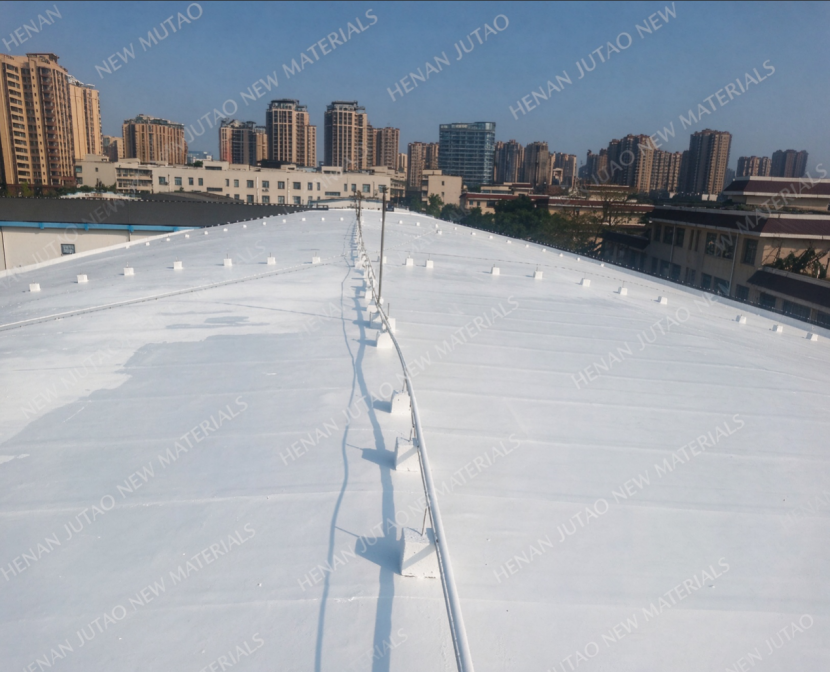
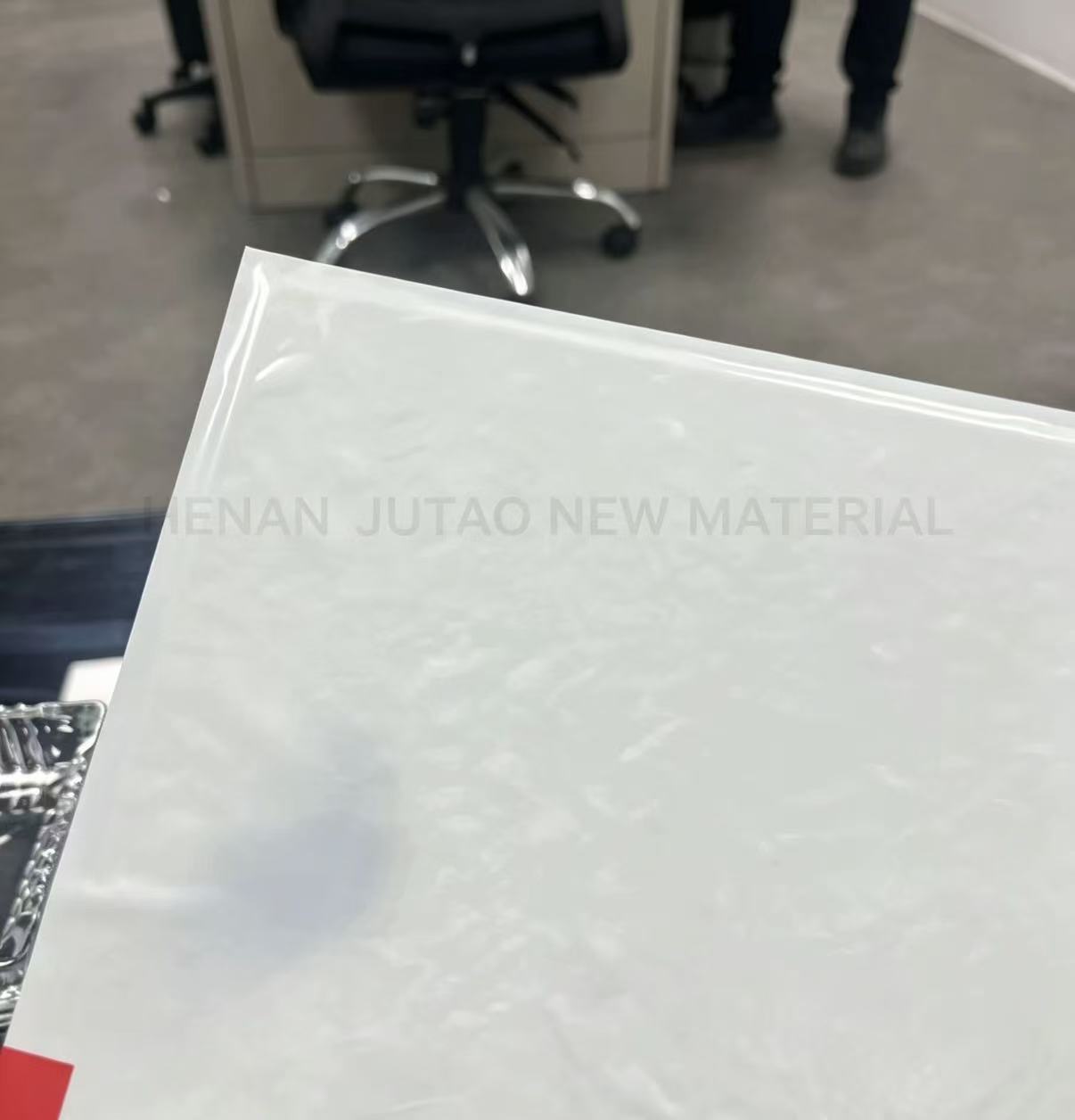
Custom China Aerogel Panels Aerogel: An Advanced Thermal Insulation Solution for Building Envelopes
As extreme heat events become increasingly common worldwide, improving the thermal performance of building envelopes has become a growing priority. Conventional insulation systems can face challenges in renovation projects where installation space is limited, exterior structures must remain undisturbed, or additional weight needs to be minimized.
Aerogel-based insulation materials offer a promising solution. With their highly porous nanostructure and excellent thermal insulation properties, aerogel coatings and waterproof insulation membranes can help reduce heat transfer, improve indoor comfort, and support more energy-efficient buildings.
- Aerogel Coatings for Walls and Roofs
Walls and roofs make up a substantial proportion of a building’s non-transparent envelope. Their thermal performance directly affects indoor temperatures, cooling demand, and overall building energy consumption.
Aerogel insulation coatings provide a lightweight alternative for selected exterior wall and roof applications, combining thermal performance with convenient installation.
Excellent Thermal Insulation in a Thin Coating
Aerogel coatings are designed to reduce heat transfer through their specialized porous structure and thermal insulation properties. When applied as part of an appropriate building envelope system, they can help limit solar heat gain and reduce the cooling load during hot weather.
In one comparative test, four 5 mm-thick steel plates were prepared to simulate different coating configurations. Each plate had a dark green finish on the front surface, while the rear surfaces were treated with 2 mm of aerogel coating, 3 mm of aerogel coating, 5 mm of aerogel coating, or no aerogel coating as a control.
The reported test results included the following temperature differences:
* 2 mm aerogel coating: 21.7°C temperature difference.
* 3 mm aerogel coating: 28.4°C temperature difference.
* 2 mm aerogel coating on unpainted steel: A temperature difference exceeding 20°C.
These results demonstrate the potential of aerogel coatings to reduce heat transfer under the specific test conditions. Actual performance in buildings will depend on substrate properties, coating formulation, surface finish, environmental conditions, and installation quality.
For exterior applications exposed to intense sunlight, light-colored or high-solar-reflectance topcoats may provide additional benefits by reducing solar heat absorption.
Lightweight Construction and Strong Adhesion
According to the supplied product data, the bonding strength between the aerogel coating and the original wall substrate exceeds 0.6 MPa, while the coating’s mass per unit area is approximately 300 g/m².
Compared with conventional rock wool board systems, this lightweight approach can substantially reduce the additional load imposed on building façades. The lower weight may also help reduce certain risks associated with detachment when the complete system is properly designed and installed.
These characteristics make aerogel coatings worth considering for both new construction and selected building renovation projects.
Convenient Application for Building Renovation
Aerogel coatings can be applied by spraying or other suitable coating methods, depending on the product formulation and substrate requirements.
For suitable renovation projects, exterior application may reduce the need for extensive dismantling, mechanical fixing, or drilling. This can simplify construction, shorten installation time, and minimize disruption to building occupants.
Proper surface preparation, coating thickness control, curing conditions, and compatibility with the existing façade system remain essential to achieving reliable performance.
Water-Based Formulation and Environmental Benefits
Water-based aerogel coatings can offer a low-solvent alternative to certain conventional coating systems. Their environmental performance depends on the complete formulation, manufacturing process, application method, and service life.
The supplied comparative data indicate a potential carbon emission reduction of 3,076.25 kg per tonne compared with rock wool boards. This figure should be evaluated against the relevant assessment boundaries and product life-cycle data before being used as a verified environmental claim.
- Aerogel Waterproof Insulation Membranes for Roofs
Roofs are particularly exposed to solar radiation, rain, temperature fluctuations, and weathering. In many applications, effective roof protection requires both waterproofing and thermal insulation.
Aerogel waterproof insulation membranes integrate these two functions into a single material system.
Combined Waterproofing and Thermal Insulation
The aerogel-based insulating layer helps reduce heat transfer through the roof, while the waterproof layer provides protection against rainwater penetration.
By combining these functions, the membrane can simplify the design of selected roofing systems and help maintain more stable indoor conditions during hot or humid weather.
Flexible membrane products may also be suitable for certain irregular roof geometries, subject to their forming characteristics, installation requirements, and compatibility with the roof structure.
Durability for Long-Term Outdoor Exposure
Roofing materials must withstand ultraviolet radiation, moisture, temperature cycling, and wind-driven rain.
Aerogel waterproof insulation membranes are designed for demanding outdoor environments, with durability depending on the membrane structure, protective layers, installation details, and maintenance conditions.
The supplied product information states that the service life can exceed three times that of conventional membranes. This comparison should be supported by product-specific aging tests or documented field performance when presented as a confirmed service-life claim.
- Supporting More Energy-Efficient Buildings
Aerogel coatings and waterproof insulation membranes provide complementary options for improving the thermal performance of non-transparent building envelopes.
Aerogel coatings are particularly relevant where a thin, lightweight insulation layer and convenient application are important. Aerogel waterproof insulation membranes offer an integrated approach to roof insulation and moisture protection.
For architects, contractors, developers, and building-material distributors, these technologies provide additional options for addressing cooling demand, renovation constraints, and long-term building performance.
By incorporating suitable aerogel insulation systems into a well-designed building envelope, projects can work toward improved indoor comfort, reduced cooling energy consumption, and more sustainable building operation.
Jutao Environmental Technology — Specialists in Aerogel Material Solutions
Stay connected with us for the latest updates, industry insights and application solutions in the aerogel sector.
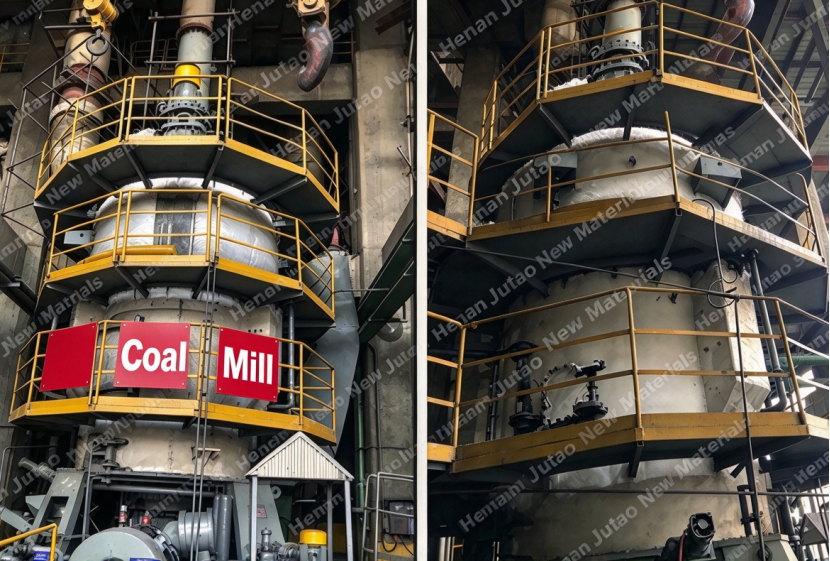
Aerogel Wall Supplier Aerogel Coatings for Complex Industrial Equipment: Flexible Thermal Protection for High-Temperature Applications
Industrial thermal insulation is not only about achieving low heat loss. In real-world applications, equipment geometry, maintenance requirements and available installation space can also determine whether an insulation system is practical.
For complex industrial equipment such as pipes, valves, pumps, furnaces and other irregular components, conventional insulation can be difficult to install and maintain.
Aerogel high-temperature coatings provide a flexible solution for these challenging areas.
Why Are Complex Equipment Surfaces Difficult to Insulate?
Many industrial components have irregular shapes, joints, fittings or limited installation space. Some equipment also requires frequent inspection and maintenance.
Traditional insulation systems may need to be specially shaped and installed around these components. Removing and reinstalling the insulation during maintenance can also increase labor requirements and downtime.
A coating-based insulation approach can simplify thermal protection in these applications.
Because the material is applied directly to the equipment surface, it can cover areas that are difficult to reach with conventional rigid insulation materials.
Aerogel Technology for Flexible Thermal Protection
Silica aerogel is known for its highly porous nanostructure and low thermal conductivity.
Henan Jutao’s aerogel high-temperature coating uses silica aerogel as the core insulation material, with an aerogel powder content of more than 40%.
The coating can be applied to different equipment surfaces to create a continuous thermal insulation layer.
This approach offers several advantages for industrial applications.
Complex Geometries
Aerogel coatings can be applied to irregular surfaces and components with complex geometries.
Potential application areas include:
* Valves and pumps
* Pipe fittings and connections
* Industrial equipment with irregular surfaces
* Narrow or difficult-to-access areas
* Equipment requiring frequent inspection and maintenance
Reduced Installation Constraints
Compared with bulky insulation systems, a coating can provide thermal protection without significantly changing the external geometry of the equipment.
This can be particularly valuable in areas where installation space is limited.
Easier Maintenance
Industrial equipment often requires regular inspection, repair and replacement of components.
For equipment where conventional insulation needs to be repeatedly removed during maintenance, a coating-based thermal insulation system can offer greater application flexibility.
Temperature Options for Different Industrial Conditions
Different industrial processes require different thermal protection solutions.
Henan Jutao has developed aerogel high-temperature coating products for different temperature ranges, including 200°C, 400°C and 600°C applications.
The selection of the appropriate product depends on factors such as operating temperature, substrate condition, coating thickness, service environment and application requirements.
Typical Industrial Applications
Aerogel high-temperature coatings can be considered for a wide range of industrial equipment, including:
Ethylene Cracking Furnaces
Thermal protection can help reduce heat loss from high-temperature surfaces and improve the thermal management of furnace systems.
Industrial Heating Furnaces
The coating can be used on selected equipment surfaces where additional thermal insulation and surface temperature control are required.
Dryers and Coal Mills
For high-temperature equipment operating continuously, reducing unnecessary heat dissipation can contribute to improved energy efficiency.
Pipes, Valves and Pumps
These components often have complex geometries that make conventional insulation difficult to install. Aerogel coatings can provide a more adaptable approach to surface thermal protection.
Maintenance Areas
For equipment that requires frequent inspection or maintenance, coating-based insulation can help address areas where conventional insulation systems are inconvenient or impractical.
A Practical Approach to Industrial Thermal Management
As industrial facilities pursue greater energy efficiency while maintaining safe working environments, thermal insulation solutions need to become more adaptable to real operating conditions.
Aerogel high-temperature coatings combine the thermal insulation characteristics of silica aerogel with the flexibility of a coating system.
For complex equipment and difficult-to-insulate areas, this technology provides another option for thermal protection, surface temperature reduction and energy conservation.
With temperature-specific solutions and a focus on industrial application requirements, Henan Jutao continues to explore the use of aerogel technology in high-temperature equipment and energy-saving applications.
Advanced materials can make industrial thermal management more flexible, efficient and practical.
Jutao Environmental Technology — Specialists in Aerogel Material Solutions
Stay connected with us for the latest updates, industry insights and application solutions in the aerogel sector.
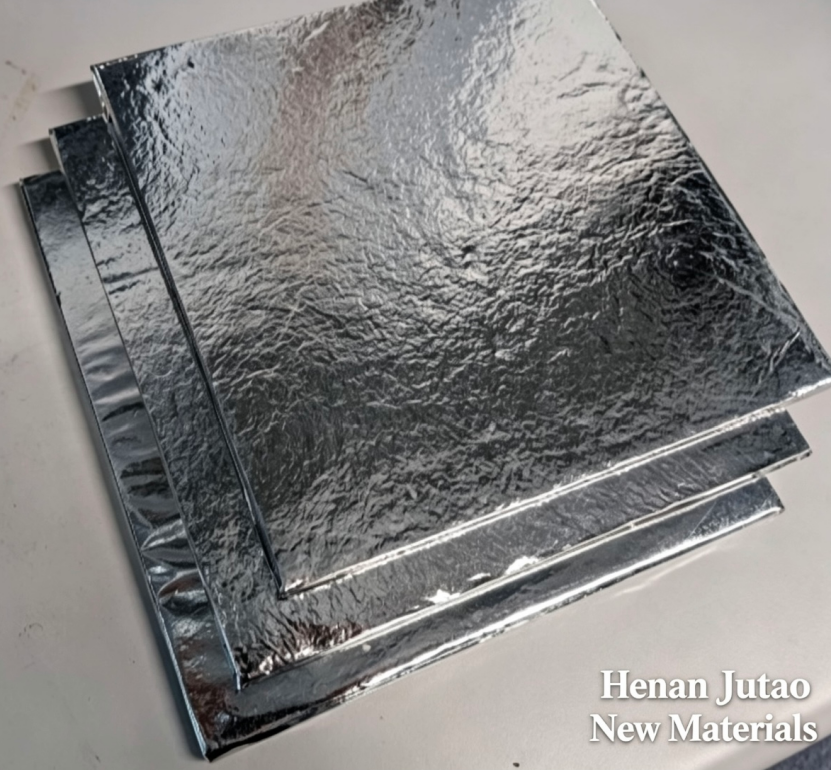
Removable Insulation Jackets for Valves, Flanges and Turbine Casings: Specifying Aerogel for the Equipment Your Crew Must Open Every Outage
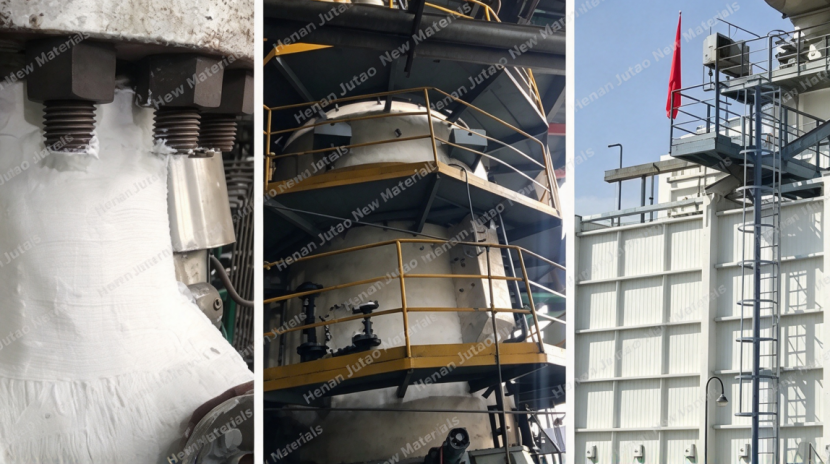
China Custom Vacuum Panels Aerogel High-Temperature Coatings: An Innovative Solution for Industrial Heat Protection and Energy Efficiency
In modern industrial production, high-temperature equipment faces two major challenges: thermal safety and energy efficiency.
Equipment such as ethylene cracking furnaces, industrial heating furnaces, dryers, coal mills, valves and pumps can operate at elevated temperatures for extended periods. Significant heat loss from these surfaces can increase energy consumption while also creating hot surfaces that may pose safety risks to operators.
Traditional insulation systems can provide effective thermal protection, but they are not always suitable for equipment with complex geometries, limited installation space or frequent maintenance requirements. In these applications, aerogel high-temperature coatings offer a flexible alternative by combining thermal insulation with surface temperature reduction.
How Do Aerogel High-Temperature Coatings Work?
Aerogel is a lightweight nanostructured material with a highly porous network. Its nanoscale pores restrict heat transfer through conduction and convection, giving aerogel-based materials very low thermal conductivity.
When applied to the surface of high-temperature equipment, an aerogel coating forms a thermal barrier that helps reduce heat transfer from the equipment to the surrounding environment.
This can provide two important benefits:
* Lower surface temperatures: reducing the risk of accidental contact with hot equipment surfaces.
* Reduced heat loss: helping improve thermal efficiency and reduce unnecessary energy consumption.
For industrial facilities, this combination makes aerogel coatings particularly interesting for applications where both operator safety and energy conservation are important.
Henan Jutao’s Aerogel High-Temperature Coating Solution
Henan Jutao New Materials has developed an aerogel high-temperature coating based on silica aerogel, with an aerogel powder content of more than 40%.
The coating uses the unique nanoporous structure of silica aerogel to provide thermal insulation in a thin and conformable coating system.
Its main advantages include:
- Surface Temperature Reduction
The coating acts as an additional thermal barrier on equipment surfaces, helping reduce surface temperatures under suitable operating conditions. This can help minimize the risk of accidental burns in areas where workers may come into contact with or work close to hot equipment.
- Reduced Heat Loss
By limiting heat transfer from high-temperature equipment to the surrounding environment, aerogel coatings can help reduce thermal losses and improve overall energy utilization.
This makes them particularly useful for industrial equipment where conventional insulation is difficult to install or maintain.
- Adaptation to Complex Equipment
Unlike rigid insulation systems, coatings can be applied to components with irregular shapes, narrow spaces and complex geometries.
This makes aerogel coatings suitable for components such as valves, pumps, fittings and other areas where installing conventional insulation may be difficult.
Designed for Different Temperature Requirements
Industrial equipment operates under different temperature conditions. To meet these requirements, Henan Jutao provides aerogel high-temperature coating solutions designed for different operating temperature ranges, including:
* Up to 200°C
* Up to 400°C
* Up to 600°C
The appropriate coating system can be selected according to the equipment design, operating temperature and application environment.
Supporting Safer and More Energy-Efficient Industrial Operations
As industrial companies continue to focus on energy efficiency and workplace safety, thermal protection is becoming an increasingly important part of equipment management.
Aerogel high-temperature coatings provide an alternative approach for applications where traditional insulation systems may be too bulky, difficult to install or inconvenient for regular maintenance.
By combining thermal insulation, surface temperature reduction and application flexibility, aerogel coatings can help industrial facilities improve thermal management while supporting safer working environments.
Henan Jutao will continue to develop aerogel-based thermal insulation technologies for industrial applications, providing material solutions for energy efficiency, thermal protection and sustainable industrial development.
Jutao Environmental Technology — Specialists in Aerogel Material Solutions
Stay connected with us for the latest updates, industry insights and application solutions in the aerogel sector.