News










Aerogel Pipe Insulation Blanket Aerogel Blanket: Lightweight, Moisture-Resistant Insulation for Long-Term Industrial Applications
As demand for industrial energy efficiency and advanced materials continues to grow, aerogel blanket is becoming an important upgrade option for conventional insulation materials.
For industrial pipelines, chemical processing equipment, and energy infrastructure, insulation materials must do more than provide effective thermal performance. They also need to withstand moisture exposure, chemical environments, mechanical installation requirements, and long-term operating conditions.
With its lightweight structure, hydrophobic properties, low chloride content, and good thermal stability, high-performance aerogel blanket is expanding into applications across industrial equipment, new energy vehicles, construction, and rail transportation.
1. Hydrophobic Performance for Moisture-Prone Environments
In underground pipeline trenches, industrial service tunnels, and outdoor piping systems, moisture exposure is an important factor affecting the long-term performance of insulation materials.
Some conventional insulation materials may experience changes in thermal performance after absorbing moisture, potentially reducing overall insulation efficiency.
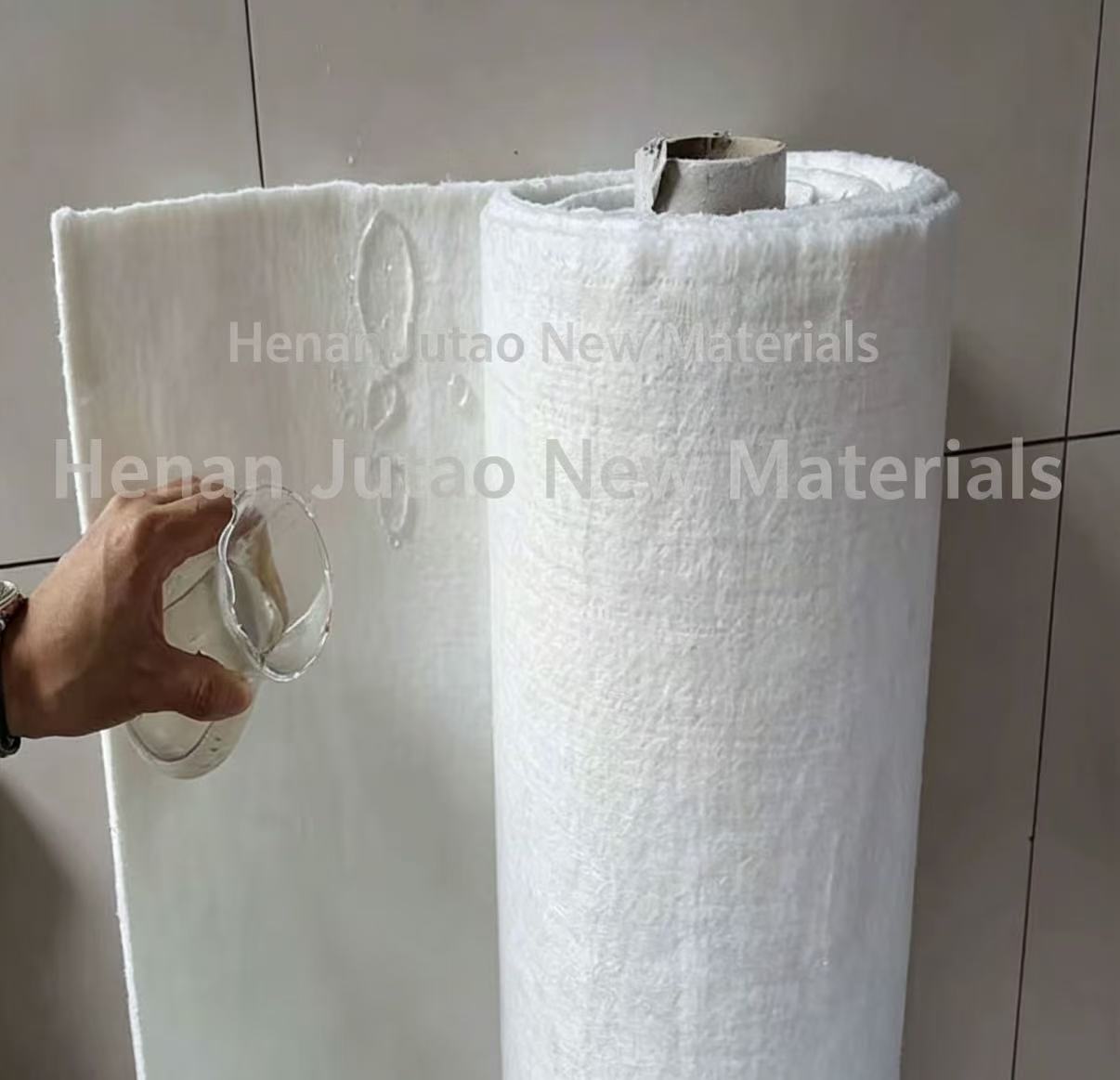
Hydrophobically treated aerogel blankets offer good water-repellent properties, helping reduce the penetration of liquid water into the material and supporting the stability of insulation systems.
For industrial projects exposed to humid environments or changing temperatures, selecting insulation materials with reliable hydrophobic performance can help reduce maintenance requirements.
2. Low Chloride Content for Stainless Steel Pipeline Protection
In the chemical, petrochemical, and power generation industries, chloride ion content is an important technical specification during insulation procurement and project acceptance.
Certain insulation materials with high chloride content may increase the risk of chloride-induced stress corrosion cracking in stainless steel pipelines under specific temperature, humidity, and stress conditions.
For demanding industrial applications, some aerogel blanket products can maintain very low chloride ion levels, with certain specifications reaching the 1 ppm range, subject to product test reports.
Low chloride content helps reduce potential corrosion risks associated with stainless steel equipment and pipelines, making these products suitable for industrial projects with strict material purity and corrosion control requirements.
3. Lightweight Design Reduces Transportation and Installation Costs
The lightweight structure of aerogel blanket is one of its major advantages over many conventional insulation materials.
Certain products have a bulk density of approximately 180 kg/m³, with the actual density and allowable tolerance depending on the product specification.
For large industrial insulation projects, lower material weight can make transportation, handling, and on-site installation more convenient.
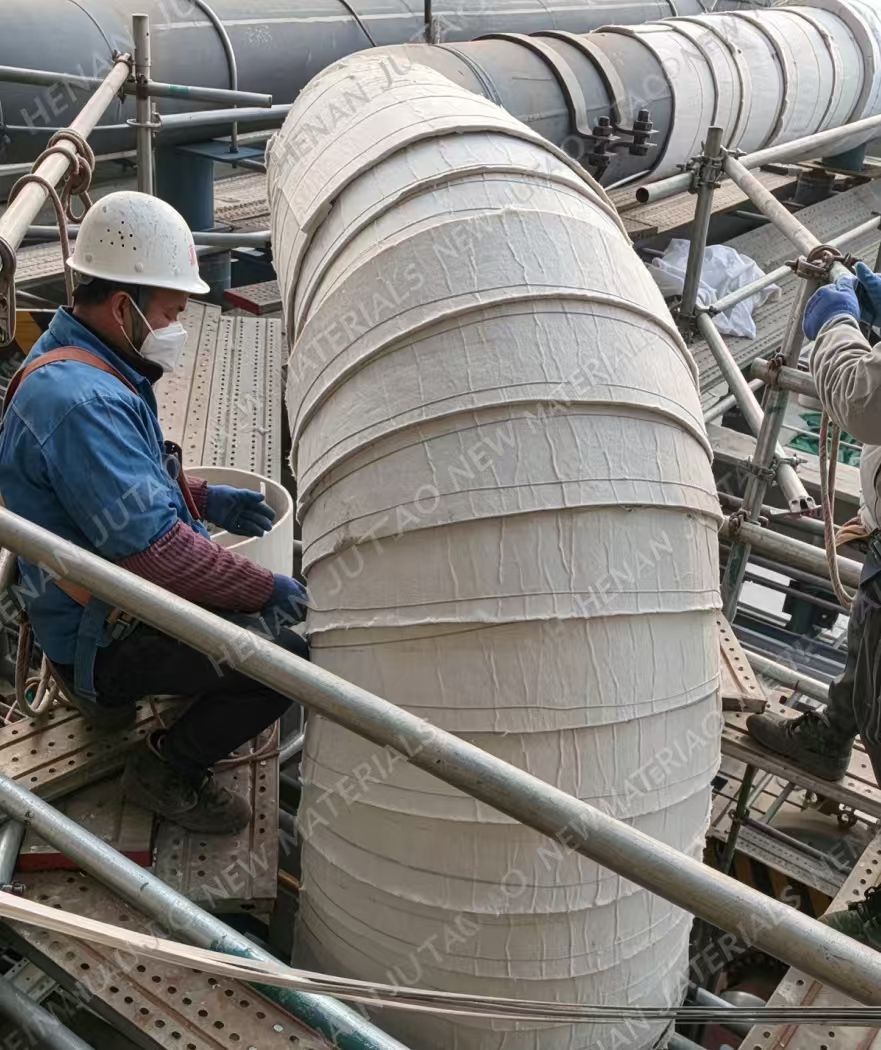
The roll format also simplifies storage and cutting. Materials can be processed according to different pipe diameters, elbows, and valve structures, helping reduce installation difficulties in complex areas.
For remote industrial facilities and large pipeline projects, lightweight insulation materials can also help optimize logistics and on-site material management.
4. Removable and Reusable Insulation for Maintenance
Industrial equipment requires regular inspection, repair, and maintenance during operation. With conventional insulation systems, some materials may become unsuitable for reuse after removal, increasing maintenance expenses and material disposal requirements.
For aerogel blanket insulation systems installed with suitable removable structures, certain insulation sections can be reinstalled after maintenance, provided the material has not suffered significant physical damage, contamination, or performance deterioration.
This feature is particularly useful for valves, flanges, and specialized pipeline connections that require frequent inspection.
By designing removable insulation systems, industrial operators can reduce repeated material purchases and waste while improving equipment maintenance efficiency.
5. Expanding Applications Across Multiple Industries
With continuous improvements in aerogel blanket manufacturing processes and product specifications, applications are expanding beyond conventional industrial pipelines into a wider range of industries.
Industrial Pipeline Insulation
Suitable for high-temperature pipelines, valves, flanges, and equipment surfaces in petrochemical, thermal power, steel manufacturing, and chemical processing facilities.
New Energy Vehicles
Can be used in selected electric vehicle battery systems and vehicle components for thermal insulation design, supporting lightweight construction and space optimization. Specific applications require validation against battery thermal safety, fire performance, and mechanical requirements.
Rail Transit
Suitable for selected equipment insulation and related vehicle insulation structures in rail transportation, subject to applicable railway fire, smoke, and toxicity standards.
Building Insulation
Can be used in selected building insulation and specialized thermal applications, offering additional material options for space-constrained insulation structures.
Prefabricated Insulation Pipes
Can be integrated into prefabricated pipe insulation systems to optimize insulation thickness and finished pipe dimensions, improving factory production and on-site installation efficiency.
6. Choosing the Right Aerogel Blanket Supplier
As application markets expand, international buyers are placing greater emphasis on supplier technical capabilities and product quality.
When evaluating aerogel blanket products, buyers should pay particular attention to:
Maximum service temperature
Thermal conductivity at different temperatures
Hydrophobic performance
Chloride ion content
Density and dimensional tolerance
Fire performance and certification
Mechanical properties and flexibility
Roll width and thickness options
Product consistency and customization
Production capacity and delivery time
Comprehensive technical data, stable manufacturing capacity, and reliable quality control are essential for suppliers serving international industrial projects.
Conclusion
Aerogel blanket is more than a high-performance industrial insulation material. It is also becoming an important solution for lightweight engineering and efficient thermal protection across multiple industries.
From industrial pipelines and chemical equipment to electric vehicles, rail transportation, and prefabricated insulated pipes, its lightweight, hydrophobic, thin-profile, and low-chloride characteristics offer new possibilities for different application scenarios.
As global industrial energy-efficiency initiatives, equipment modernization, and new energy infrastructure continue to develop, the market for high-performance aerogel blankets is expected to expand further.
Jutao Environmental Technology — Specialists in Aerogel Material Solutions
Stay connected with us for the latest updates, industry insights and application solutions in the aerogel sector.
Aerogel Thermal Insulation Blanket Industrial Equipment Upgrades Drive Demand for High-Performance Aerogel Blanket Insulation
As industrial equipment modernization and energy-saving initiatives continue to advance worldwide, energy-intensive industries are reassessing their traditional insulation systems. Sectors such as petrochemicals, steel manufacturing, power generation, building materials, and chemical processing are facing increasing requirements for operational efficiency, heat loss reduction, and production safety.
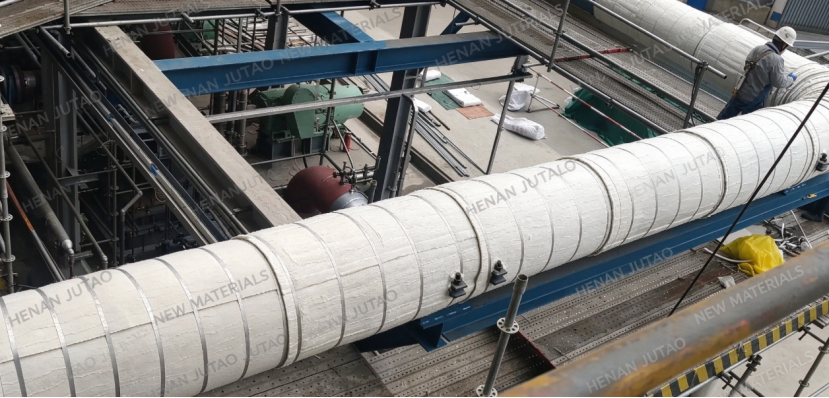
During long-term operation, boilers, reactors, steam pipelines, and high-temperature process equipment may experience heat losses due to aging, shrinkage, or cracking of conventional insulation materials. For older industrial facilities, improving insulation performance without making major structural modifications has become an important consideration in equipment upgrade and energy-efficiency projects.
Against this background, 650°C aerogel blanket offers a new insulation solution for high-temperature industrial equipment, featuring a thin structure, low thermal conductivity, and lightweight properties.
1. Thin Insulation for Limited Installation Spaces
Conventional industrial insulation materials often require relatively thick layers to achieve the desired thermal performance. However, in older industrial facilities, pipeline spacing, equipment clearance, and load-bearing capacity are often restricted by existing structures.
Increasing conventional insulation thickness may affect maintenance access, equipment layouts, and pipeline connections, sometimes requiring additional structural modifications.
Aerogel blankets feature a nanoporous structure that effectively reduces heat transfer. Certain products can achieve a thermal conductivity of approximately 0.018 W/(m·K) under a test condition of 25°C.
Compared with conventional insulation materials, aerogel blankets can provide effective thermal insulation with reduced thickness. They are particularly suitable for high-temperature pipelines, valves, elbows, flanges, and industrial equipment surfaces where installation space is limited.
2. High-Temperature Resistance up to 650°C
High-temperature stability is one of the most important factors when selecting industrial insulation materials.
For demanding industrial applications, certain aerogel blanket products offer maximum service temperatures of up to 650°C, making them suitable for industrial pipelines, hot air ducts, steam systems, and high-temperature equipment designed to operate within the specified temperature range.
Their nanoporous insulation structure helps reduce heat transfer, minimize external heat loss, and improve thermal conditions in industrial working environments.
Actual operating temperatures and insulation performance should be evaluated according to product specifications, continuous operating conditions, and thermal conductivity test data at the relevant temperatures.
3. Non-Combustible Performance for Industrial Safety
Fire safety is a major consideration in petrochemical plants, boiler rooms, steel manufacturing facilities, and chemical processing areas.
Inorganic aerogel blankets provide non-combustible insulation solutions for industrial environments with strict fire safety requirements.
Compared with certain organic insulation materials, inorganic material systems offer different combustion characteristics and thermal stability under high-temperature conditions.
For industrial procurement projects, buyers should verify the applicable fire classification, testing standards, and third-party test reports to ensure compliance with local fire safety regulations.
4. Lightweight Structure Simplifies Industrial Renovation
Renovating older industrial facilities often involves limited installation space, high lifting costs, and short production shutdown periods.
Aerogel blankets feature a lightweight and flexible structure and are commonly supplied in rolls, making them convenient to transport, cut, and install.
With roll widths available up to 1.5 meters, the material can be cut and fitted according to the dimensions of pipelines, valves, and equipment surfaces.
Its lightweight design helps reduce transportation, handling, and installation requirements, making it particularly suitable for large industrial pipeline networks and equipment-dense facilities.
5. Energy Efficiency and Lifecycle Cost Optimization
Industrial companies are increasingly evaluating the long-term economic value of insulation systems when planning equipment upgrades.
Conventional insulation materials may deteriorate over time due to aging, cracking, moisture exposure, or declining thermal performance, resulting in additional maintenance or replacement requirements.
High-performance aerogel blankets offer good thermal stability and aging resistance potential. When properly selected and installed under suitable operating conditions, they can help reduce insulation system maintenance requirements.
By reducing heat losses from pipelines and equipment, industrial facilities can improve energy utilization efficiency and minimize energy waste during long-term operation.
Conclusion
Industrial equipment modernization and energy-efficiency initiatives are accelerating the transition toward thinner, lighter, and higher-performance insulation materials.
With low thermal conductivity, thin-layer insulation, inorganic material composition, and convenient installation characteristics, 650°C aerogel blanket provides a competitive insulation option for high-temperature pipeline and equipment upgrades in the petrochemical, steel, power generation, and chemical industries.
As industrial companies place greater emphasis on energy efficiency, equipment safety, and lifecycle costs, high-performance aerogel blankets are expected to gain further opportunities in the industrial insulation market.
Jutao Environmental Technology — Specialists in Aerogel Material Solutions
Stay connected with us for the latest updates, industry insights and application solutions in the aerogel sector.
Stocking Aerogel Insulation Formats Without Tying Up Importer Cash
Hydrophobic Aerogel Blanket Expanding Applications of Aerogel Blanket in New Energy Vehicles, Rail Transit and Prefabricated Insulation Pipes
As the global new energy industry, rail transportation, and industrial infrastructure continue to develop, demand for lightweight and high-performance thermal insulation materials is increasing. With its low density, thin structure, and excellent thermal insulation properties, aerogel blanket is expanding beyond traditional industrial pipeline insulation into new energy vehicles, rail transit, and prefabricated insulation pipe applications.
Driven by energy-saving initiatives and lightweight engineering trends, aerogel insulation is becoming an increasingly attractive material solution across multiple industries.
1. New Energy Vehicles: Lightweight Thermal Protection
The rapid development of the new energy vehicle industry has created higher requirements for battery systems and vehicle thermal management.
Around battery packs, battery modules, and related thermal management structures, insulation materials must balance lightweight design, efficient use of limited space, and thermal protection performance.
Aerogel blankets feature low density and a thin material structure, making them suitable for selected insulation applications in battery systems and vehicle components. They can help optimize insulation layouts where installation space and weight are important considerations.
For electric vehicle manufacturers and battery system suppliers, material selection should take into account operating temperature, thermal runaway protection requirements, compression performance, fire safety, and long-term reliability.
2. Rail Transit: Efficient Insulation with Space-Saving Design
High-speed trains, metro systems, and other rail vehicles have strict requirements for material weight, available space, and safety performance.
Conventional thick insulation materials may occupy considerable interior space and increase vehicle weight. Aerogel blankets, with their thin and lightweight structure, can be used in selected carriage enclosure structures and equipment insulation systems.
Subject to applicable railway fire, smoke, and toxicity requirements, aerogel materials can help optimize vehicle insulation designs and provide additional opportunities for lightweight rail vehicle engineering.
3. Prefabricated Insulation Pipes: Improving Manufacturing and Installation Efficiency
Prefabricated insulated pipes are essential components of district heating networks, industrial steam transportation systems, and chemical industrial pipeline infrastructure.
As engineering projects demand lower heat losses, improved transportation efficiency, and shorter installation periods, prefabricated pipe manufacturers are increasingly interested in thinner and lighter high-performance insulation materials.
Integrating aerogel blankets into prefabricated pipe insulation systems can help optimize insulation thickness while meeting project-specific thermal performance requirements. This can reduce the overall dimensions and weight of finished insulated pipes.
Factory-based prefabrication also helps improve manufacturing consistency, reduce on-site construction work, and simplify transportation and installation.
4. Lightweight and Flexible Structure for Multiple Applications
Aerogel blankets are commonly supplied in roll form, offering flexibility and convenient processing.
Their key advantages include:
Low density and lightweight structure
Excellent thermal insulation performance
Flexible and easy-to-cut material format
Reduced insulation thickness
Adaptability to complex surfaces
Potential for long-term thermal insulation applications
These characteristics make aerogel blankets suitable not only for conventional industrial pipelines but also for insulation designs involving different equipment structures and space limitations.
5. Product Quality and Technical Specifications Matter
As aerogel blanket applications continue to expand, different industries are introducing their own technical and performance requirements.
Industrial pipelines, power battery systems, and rail transit projects have different standards for operating temperatures, fire performance, chemical stability, and mechanical properties.
When evaluating aerogel blanket suppliers, buyers should pay particular attention to:
Operating temperature range
Thermal conductivity at specified temperatures
Density and thickness tolerance
Fire resistance and relevant certifications
Chloride ion content
Hydrophobic performance
Mechanical strength and flexibility
Product consistency and customization capabilities
Stable manufacturing processes, reliable test data, and consistent supply capacity are essential for aerogel blanket manufacturers seeking to enter advanced application markets.
Conclusion
From electric vehicle battery systems to rail transportation and prefabricated insulation pipes, aerogel blankets are continuing to expand their application range.
Lightweight construction, reduced insulation thickness, and efficient thermal performance are key factors driving this development. As the new energy industry, transportation infrastructure, and industrial energy-efficiency projects continue to grow, high-performance aerogel blankets are expected to gain further market opportunities.
For material manufacturers, engineering contractors, and international buyers, choosing an aerogel blanket supplier with consistent product quality, comprehensive technical documentation, and customization capabilities will be increasingly important for future project success.
Jutao Environmental Technology — Specialists in Aerogel Material Solutions
Stay connected with us for the latest updates, industry insights and application solutions in the aerogel sector.
Aerogel Insulation for Industrial Pipes 650°C Aerogel Blanket: An Advanced Insulation Solution for Industrial Pipeline Energy Efficiency Upgrades
As global industries place increasing emphasis on energy efficiency, equipment modernization, and operational safety, high-temperature pipeline insulation is undergoing significant upgrades. Energy-intensive sectors such as petrochemicals, power generation, thermal power, and chemical processing are seeking more efficient, lightweight, and heat-resistant insulation solutions to minimize thermal losses, improve operating efficiency, and reduce long-term maintenance costs.
Against this backdrop, 650°C aerogel blanket is gaining attention as an advanced insulation material for industrial pipeline renovation projects, thanks to its excellent thermal insulation performance, lightweight structure, and inorganic material composition.
1. Superior Thermal Insulation with Reduced Thickness
Traditional insulation materials, such as calcium silicate and ceramic fiber blankets, often require relatively thick layers to achieve the desired thermal performance. In industrial facilities with densely arranged pipelines, complex valves, and limited installation space, thick insulation systems can increase installation difficulties and occupy valuable space.
Aerogel blankets feature a nanoscale porous structure that effectively limits heat transfer. Under a test condition of 25°C, some products can achieve a thermal conductivity of approximately 0.018 W/(m·K).
Compared with conventional insulation materials, aerogel blankets can deliver effective thermal insulation with significantly reduced thickness. They are particularly suitable for high-temperature pipelines, elbows, flanges, valves, and complex equipment surfaces.
2. Lightweight Design Reduces Installation and Transportation Costs
Industrial equipment modernization projects are increasingly focused not only on insulation performance but also on installation efficiency and overall project costs.
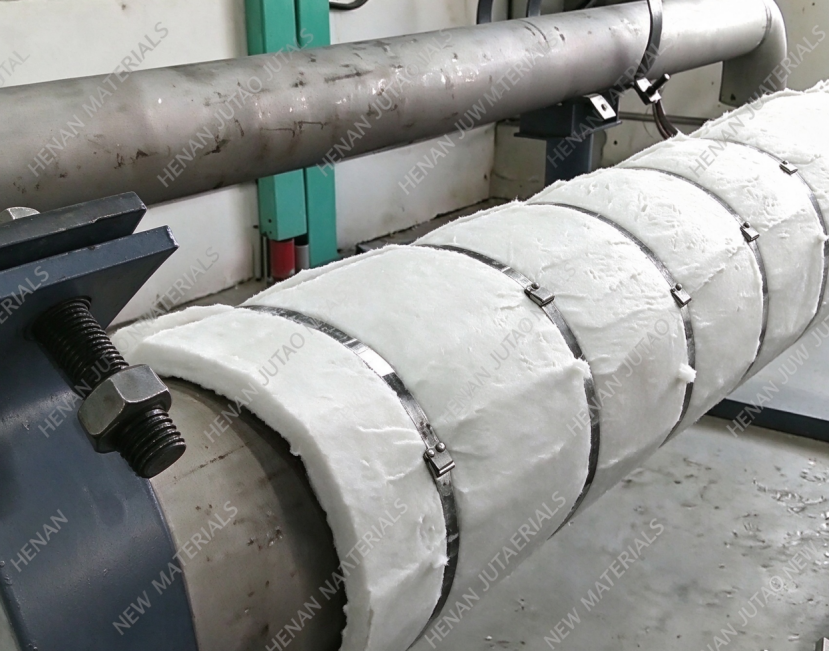
Aerogel blankets feature a flexible, low-density structure. Their roll format makes transportation, cutting, handling, and on-site installation more convenient, helping reduce material handling requirements and the workload associated with elevated installation.
For large-scale petrochemical facilities, thermal power plants, and industrial pipeline networks, lightweight insulation materials can reduce lifting requirements, improve installation efficiency, and minimize transportation and storage space.
3. Non-Combustible Inorganic Material for Industrial Safety
Fire safety is a critical consideration when selecting insulation materials for petrochemical plants and energy production facilities.
High-temperature aerogel blankets can be manufactured using inorganic material systems with non-combustible characteristics. Relevant fire performance reports can be provided depending on the specific product and applicable testing standards.
Certain products also offer good aging resistance and resistance to challenging chemical environments, making them suitable for industrial applications requiring long-term performance and operational safety.
For individual projects, fire performance, corrosion resistance, and chloride ion content should be verified through product specifications and independent test reports.
4. Long Service Life and Lower Lifecycle Costs
For continuously operating industrial facilities, replacing insulation materials involves more than the cost of purchasing new products. Additional expenses may include equipment shutdowns, labor, material removal, and reinstallation.
High-performance aerogel blankets offer good thermal stability and aging resistance. Under appropriate design, installation, and operating conditions, they can support reliable long-term industrial insulation systems.
Rather than focusing solely on initial purchase prices, more industrial buyers are evaluating total lifecycle costs, including energy losses, maintenance frequency, installation expenses, and potential production downtime.
5. Key Technical Requirements in Industrial Procurement
As technical requirements for industrial energy-efficiency projects become more demanding, procurement teams and engineering contractors are paying closer attention to the following aerogel blanket specifications:
Maximum continuous operating temperature
Thermal conductivity
Density and dimensional stability
Chloride ion content
Fire performance and relevant test reports
Chemical resistance
Product thickness and dimensional specifications
Quality consistency and delivery capacity
For petrochemical, power generation, and chemical pipeline projects, complete technical documentation and third-party test reports are also important factors in supplier evaluation and project tendering.
Conclusion
Industrial energy-efficiency initiatives and equipment modernization are accelerating the transition toward high-performance, lightweight, and durable insulation materials.
With its thin insulation structure, lightweight properties, inorganic composition, and thermal stability, 650°C aerogel blanket offers considerable potential for applications in petrochemical plants, power generation facilities, thermal power systems, and industrial pipeline insulation.
As industrial users increasingly prioritize energy efficiency, fire safety, and total lifecycle costs, advanced aerogel insulation materials are expected to play an increasingly important role in the global industrial insulation market.
Jutao Environmental Technology — Specialists in Aerogel Material Solutions
Stay connected with us for the latest updates, industry insights and application solutions in the aerogel sector.
One aerogel spec for hot lines, cold lines and the building fabric
Aerogel Insulation for Industrial Pipes Aerogel Insulation Felt vs. Hydrophobic Nanoporous Insulation Felt: Solutions for Corrosion Under Insulation
Improving Industrial Insulation Performance and Moisture Management
Corrosion Under Insulation (CUI) is a persistent challenge in petrochemical plants, oil and gas facilities, power generation systems, and other industrial environments. When water penetrates an insulation system and remains in contact with metal surfaces, it can contribute to corrosion, insulation degradation, and costly maintenance.
Choosing an appropriate insulation material is therefore important for both energy efficiency and corrosion risk management.
Henan Jutao New Materials offers two insulation solutions for industrial applications: silica aerogel insulation felt and hydrophobic nanoporous insulation felt. Both are designed to combine thermal insulation with water-repellent properties, providing options for projects with different performance and budget requirements.
- Silica Aerogel Insulation Felt
Henan Jutao silica aerogel insulation felt is manufactured by combining silica aerogel with glass fiber through an in-situ sol-gel composite process. This structure integrates the thermal insulation properties of aerogel with the flexibility and handling characteristics of a fibrous reinforcement material.
Key Product Advantages
Exceptional thermal insulation
Silica aerogel features a highly porous nanoscale structure that restricts heat transfer. Aerogel insulation felt can provide approximately two to five times the insulation performance of conventional materials in certain comparisons, depending on the products, temperatures, thicknesses, and test methods involved.
Its low thermal conductivity can help reduce heat loss from hot systems or heat ingress into cold systems, depending on the application.
High water repellency
The product is specified with a hydrophobicity rate exceeding 99%. This water-repellent performance helps resist liquid water penetration and can support moisture management within industrial insulation systems.
The exact test method and reported value should be confirmed against the relevant product documentation.
Reduced insulation thickness
Because of its high thermal efficiency, aerogel insulation felt can achieve a target thermal resistance with less thickness than many traditional insulation materials. This is particularly useful in industrial plants with limited clearance or densely arranged pipework.
Fire safety and durability
The product is designed for industrial thermal insulation applications requiring fire performance and long-term service. The claimed A1 non-combustible classification and expected service life of more than 15 years should be verified against applicable test reports, operating conditions, and project requirements.
Flexible installation
Its lightweight, flexible structure allows convenient cutting and fitting around pipes, valves, tanks, and irregular equipment surfaces. This can help simplify installation and reduce material handling requirements.
- Henan Jutao Hydrophobic Nanoporous Insulation Felt
For projects seeking a balance between thermal performance and overall cost, Henan Jutao also offers hydrophobic nanoporous insulation felt.
This flexible insulation material is produced by combining silica aerogel with specialized fibers through Henan Jutao’s proprietary nanocomposite process.
Compared with the company’s in-situ composite aerogel insulation felt, the hydrophobic nanoporous product is designed to provide a more cost-effective alternative, while retaining key characteristics such as water repellency and vapor permeability. Its thermal performance may be somewhat lower, depending on the specific product specifications.
Key Product Advantages
- Low thermal conductivity
The nanoporous structure helps restrict heat transfer, supporting efficient thermal insulation for industrial pipes and equipment.
- Hydrophobic and vapor-permeable characteristics
The material is designed to resist liquid water penetration while allowing water vapor to pass through under suitable conditions. These properties can help manage moisture within an appropriately engineered insulation system.
- Fire performance and environmental considerations
The product is designed for industrial use, with a focus on fire safety, convenient handling, and material efficiency. Its A1 non-combustible classification and other safety-related properties should be confirmed through the relevant test documentation.
- Cost-effective insulation solution
Compared with the in-situ composite aerogel felt, the hydrophobic nanoporous product is positioned as a more economical option. Actual price differences depend on product specifications, order quantities, and project requirements.
- Easy cutting and installation
The flexible felt can be adapted to different equipment geometries, helping improve installation convenience and reduce material waste.
- Which Insulation Solution Is Right for Your Project?
Both products are intended to support thermal insulation and moisture management. The best choice depends on the required thermal performance, available installation space, fire classification, environmental exposure, and total project budget.
Selection factor Silica aerogel insulation felt Hydrophobic nanoporous insulation felt
Thermal performance Prioritizes high insulation efficiency Balances thermal performance and cost
Moisture management Hydrophobic properties Hydrophobic properties
Vapor permeability Depends on product construction and system design Depends on product construction and system design
Installation Flexible and easy to cut Flexible and easy to cut
Cost positioning Higher-performance option More economical alternative
Typical selection priority Space-constrained or demanding thermal applications Projects prioritizing overall cost-effectiveness
Final material selection should be based on verified technical data and the insulation thickness required to meet the project’s design criteria.
- Industrial Applications
Henan Jutao’s aerogel and hydrophobic nanoporous insulation felts can be considered for a variety of industrial applications, including:
* Petrochemical pipelines: Thermal insulation for process piping exposed to demanding operating conditions.
* Industrial storage tanks: Insulation systems designed to manage heat transfer and moisture exposure.
* Oil and gas facilities: Insulation for suitable process equipment and associated piping.
* Power generation: Thermal insulation for compatible industrial systems and equipment.
* Complex pipework and fittings: Flexible insulation for valves, supports, and irregular surfaces where conventional materials may be difficult to install.
The appropriate material, thickness, protective cladding, and installation method should be determined according to operating temperatures, environmental exposure, and relevant industry standards.
- Reducing CUI Risk Through Better Insulation System Design
Hydrophobic insulation materials can help reduce moisture-related risks, but long-term CUI prevention requires more than selecting a water-repellent material.
For reliable performance, industrial operators should also ensure proper surface preparation and protective coatings where required, secure and weather-resistant external cladding, appropriate sealing around joints and penetrations, and regular inspection of vulnerable areas.
By integrating these measures with suitable insulation materials, operators can improve thermal efficiency, manage corrosion risks, and reduce the likelihood of costly unplanned maintenance.
Conclusion
Henan Jutao New Materials provides two insulation options for industrial customers seeking improved thermal performance and moisture management.
Silica aerogel insulation felt is designed for applications that prioritize high insulation efficiency and reduced thickness. Hydrophobic nanoporous insulation felt offers an alternative for projects seeking a balance between insulation performance and cost.
Both products can contribute to CUI risk management when incorporated into a properly designed, installed, and maintained insulation system.
Looking for a suitable insulation material for your industrial project? Contact Henan Jutao New Materials for product specifications, technical documentation, and application recommendations.
Jutao Environmental Technology — Specialists in Aerogel Material Solutions
Stay connected with us for the latest updates, industry insights and application solutions in the aerogel sector.
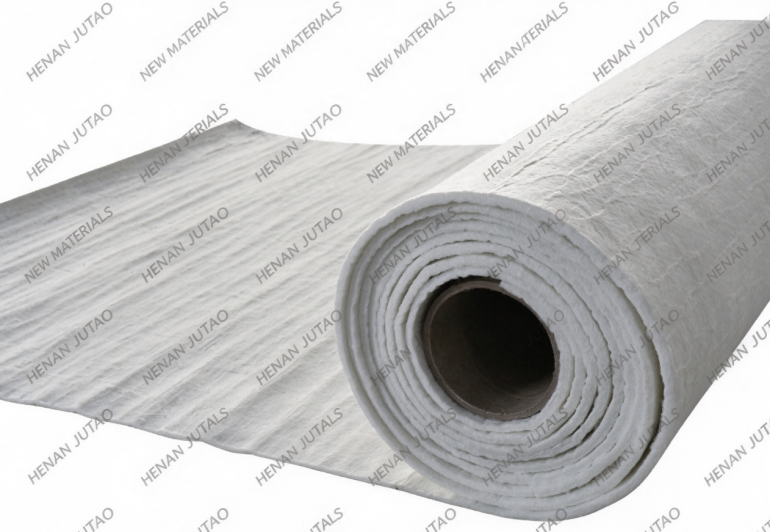
Aerogel Insulation for Oil and Gas How to Reduce Corrosion Under Insulation (CUI) in Industrial Piping and Equipment
Understanding the Hidden Risks of Corrosion Under Insulation
In the petrochemical, oil and gas, and power generation industries, thermal insulation is essential for energy conservation, process temperature control, and operational safety. However, insulated pipes and equipment can face a serious challenge: Corrosion Under Insulation (CUI).
CUI refers to corrosion that develops on the external metal surfaces of pipes and equipment beneath insulation systems when moisture and corrosive contaminants are present. Because the affected areas are concealed by insulation and protective cladding, corrosion can remain undetected until significant damage has occurred.
In severe cases, CUI can lead to wall thinning, equipment failure, process leakage, unplanned shutdowns, and increased maintenance costs. It therefore represents an important concern for industrial asset integrity and long-term operational reliability.
Why Does Corrosion Under Insulation Occur?
Moisture ingress is one of the major factors contributing to CUI. Rainwater, condensation, damaged cladding, and poorly sealed joints can allow water to enter an insulation system. If moisture becomes trapped against the metal surface, corrosion may develop or accelerate, particularly when corrosive contaminants are present.
Many carbon steel systems are vulnerable to CUI within certain intermediate temperature ranges, although the actual risk depends on the metal, insulation design, operating conditions, and exposure environment.
Common causes include:
* Damaged protective cladding: Improper installation, mechanical damage, wind exposure, or aging can create gaps through which water enters.
* Moisture absorption: Conventional fibrous insulation materials can retain moisture under certain conditions, potentially reducing thermal performance and prolonging contact between water and metal.
* Concealed corrosion: Insulation prevents direct visual inspection of the underlying metal, making early detection difficult.
* Temperature fluctuations: Heating and cooling cycles can contribute to condensation and changing moisture conditions within the insulation system.
* Vulnerable details and connections: Valves, pipe supports, instrument connections, safety valves, and other penetrations can create potential water-entry points if not properly sealed.
Limitations of Conventional Insulation Materials
Traditional insulation materials, including rock wool, mineral wool, and calcium silicate, are widely used in industrial applications. However, their performance against CUI depends heavily on material properties, installation quality, weather protection, and maintenance.
When water enters a conventional insulation system, moisture retention can compromise insulation performance and increase the risk of corrosion. Repeated wetting and drying may also contribute to premature deterioration and higher maintenance requirements.
In addition, conventional insulation systems may require greater thickness to achieve a comparable thermal resistance. This can complicate installation in congested piping layouts and increase the space needed around industrial equipment.
For these reasons, industrial operators are increasingly evaluating insulation materials that combine efficient thermal performance with water repellency and long-term durability.
Aerogel Insulation Felt: A Moisture-Resistant Alternative
Silica aerogel is a lightweight nanoporous material with exceptionally low thermal conductivity. When combined with suitable reinforcing fibers, it can be manufactured into a flexible insulation felt for industrial piping, storage tanks, and process equipment.
Henan Jutao New Materials develops silica aerogel insulation felt using an in-situ sol-gel composite process that combines silica aerogel with glass fiber reinforcement.
Key Benefits for CUI Risk Management
- High thermal insulation efficiency
Aerogel insulation felt can deliver substantially lower thermal conductivity than many conventional insulation materials. Depending on the products being compared and the design conditions, it may provide comparable thermal resistance with a significantly thinner insulation layer.
Reduced thickness can help optimize installation space and improve the efficiency of industrial insulation systems.
- Hydrophobic properties
The hydrophobic characteristics of aerogel insulation felt help resist liquid water penetration into the insulation material. By limiting moisture ingress, the material can help reduce one of the key contributing factors to CUI.
- Vapor permeability
A suitably designed insulation system can allow water vapor to pass through the insulation material, supporting moisture management. However, vapor permeability alone does not guarantee that an insulation system will remain dry; the complete system design and environmental conditions must also be considered.
- Fire performance
Henan Jutao’s aerogel insulation felt is designed for industrial applications where thermal insulation and fire safety are important. Fire classification should be verified against the relevant product test reports and applicable standards for each project.
- Flexible installation and reduced maintenance burden
The lightweight, flexible felt can be cut and fitted around pipes and equipment with complex geometries. Easier installation can help reduce labor requirements and material waste while supporting more consistent insulation coverage.
A Comprehensive Approach to CUI Prevention
No insulation material alone can guarantee the complete elimination of CUI under all operating conditions. Effective prevention requires a coordinated approach that addresses the entire insulation system.
Industrial operators should consider the following measures:
* Select insulation materials with suitable thermal, moisture, and fire performance.
* Maintain the integrity of external cladding and seal joints and penetrations appropriately.
* Apply compatible protective coatings to metal surfaces where required by the project specification.
* Inspect vulnerable locations regularly, particularly valves, supports, instrument connections, and areas exposed to water ingress.
* Establish risk-based inspection and maintenance procedures for insulated piping and equipment.
Combining suitable insulation materials with sound installation practices, corrosion protection, and routine inspection can significantly improve the reliability of industrial insulation systems.
Conclusion
Corrosion Under Insulation remains a challenging issue for industrial facilities because it develops in concealed areas and can compromise equipment integrity before visible warning signs appear.
With its low thermal conductivity, hydrophobic properties, and flexible construction, Henan Jutao New Materials’ aerogel insulation felt offers an advanced option for managing moisture-related risks while improving thermal efficiency.
For petrochemical plants, oil and gas facilities, and industrial piping systems, selecting the right insulation solution is an important step toward reducing CUI risks, improving energy efficiency, and supporting long-term operational reliability.
Contact Henan Jutao New Materials for product specifications, technical data, and insulation recommendations tailored to your application.
Jutao Environmental Technology — Specialists in Aerogel Material Solutions
Stay connected with us for the latest updates, industry insights and application solutions in the aerogel sector.
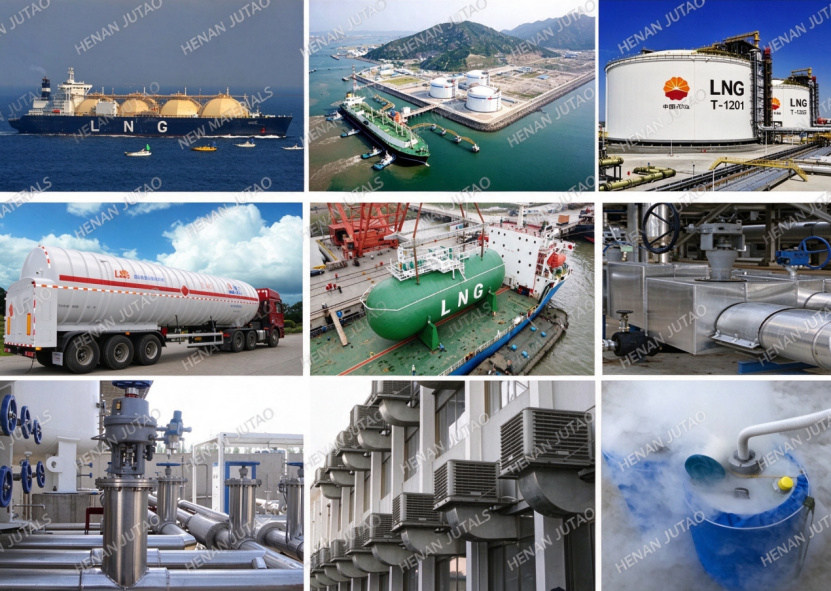
Aerogel Insulation for LNG Henan Jutao Aerogel Insulation Felt: A High-Performance Solution for LNG and Cryogenic Systems
Advancing Cold Insulation with Aerogel Technology
In industries such as oil and gas, petrochemicals, industrial refrigeration, and liquefied gas transportation, maintaining low temperatures is essential for safe and efficient operation. Heat entering a cold pipeline or storage system can increase refrigeration demand, reduce energy efficiency, and contribute to product losses in certain processes.
For liquefied natural gas (LNG) facilities, effective thermal insulation is particularly important because unwanted heat transfer can increase boil-off gas (BOG) generation. Insulation performance, system integrity, and proper installation all contribute to managing these operational challenges.
Henan Jutao New Materials provides aerogel insulation felt developed through an advanced nanocomposite process. By combining nanoscale silica aerogel with inorganic materials, the product is designed to deliver high thermal resistance, moisture management, and installation flexibility for demanding cold-insulation applications.
Four Key Advantages of Henan Jutao Aerogel Insulation Felt
- High Thermal Resistance for Deep-Cold Applications
Aerogel’s nanoporous structure restricts heat transfer, giving it exceptionally low thermal conductivity compared with many conventional insulation materials.
Henan Jutao aerogel insulation felt is designed for applications at temperatures as low as -200°C, subject to the applicable product specifications and system requirements. By reducing heat ingress, it can help maintain process temperatures and improve the energy efficiency of cryogenic equipment and piping.
- Hydrophobic and Fire-Resistant Properties
Moisture ingress is a major concern in cold-insulation systems. Water entering the insulation layer can reduce thermal performance and increase the risk of corrosion under insulation.
Henan Jutao aerogel insulation felt combines water-repellent properties with inorganic-based material construction. These characteristics can help limit moisture penetration and support corrosion mitigation when used with a properly designed insulation and protective jacketing system.
Its fire-related performance should be evaluated against the relevant product test reports and applicable project standards to ensure suitability for the intended installation.
- Space-Saving Design and Efficient Installation
In industrial plants, limited installation space and complex pipe layouts can make conventional insulation systems difficult to install.
Compared with comparable insulation products under specified design conditions, Henan Jutao aerogel insulation felt can offer an insulation thickness reduction of up to 75%, based on the stated product comparison. Its flexible structure also allows convenient cutting and fitting around pipes, valves, and other equipment.
These features can help improve installation efficiency, reduce space requirements, and lower labor and material costs over the course of a project.
- Durable Performance and Long-Term Economic Benefits
A well-designed cold-insulation system helps reduce unnecessary heat gain, maintain operating conditions, and limit maintenance caused by moisture-related damage.
The combination of thermal insulation, hydrophobic performance, and flexible installation makes aerogel insulation felt a practical option for industrial facilities seeking to improve long-term insulation reliability. Actual service life and cost savings depend on operating conditions, protective cladding, installation quality, and maintenance practices.
Applications Across Cryogenic and Refrigeration Industries
Henan Jutao aerogel insulation felt can be considered for a variety of cold-insulation projects, including:
* LNG facilities: Insulation for relevant pipelines, process equipment, and transportation systems.
* Liquid nitrogen and liquid oxygen systems: Thermal insulation for suitable storage and transfer equipment.
* Industrial low-temperature piping: Cold insulation for petrochemical and process industries.
* Refrigeration systems: Insulation for air coolers, cooling coils, and associated piping.
* Cryogenic equipment: Flexible insulation for selected components where reduced thickness and effective thermal performance are required.
For applications involving oxygen service, the complete insulation system must be assessed for oxygen compatibility, cleanliness, and applicable safety requirements.
Supporting Energy Efficiency and Reliable Operations
High-performance insulation is more than a means of controlling temperature. It can help industrial operators reduce heat ingress, manage refrigeration loads, mitigate moisture-related corrosion risks, and optimize the use of installation space.
Henan Jutao New Materials’ aerogel insulation felt combines advanced nanoporous insulation technology with flexible handling and water-repellent performance. It is a promising option for LNG-related systems, cryogenic pipelines, and industrial refrigeration applications where reliable cold insulation is a priority.
Looking for an aerogel insulation solution for your next project? Contact Henan Jutao New Materials for product specifications, technical data, and application recommendations.