



News










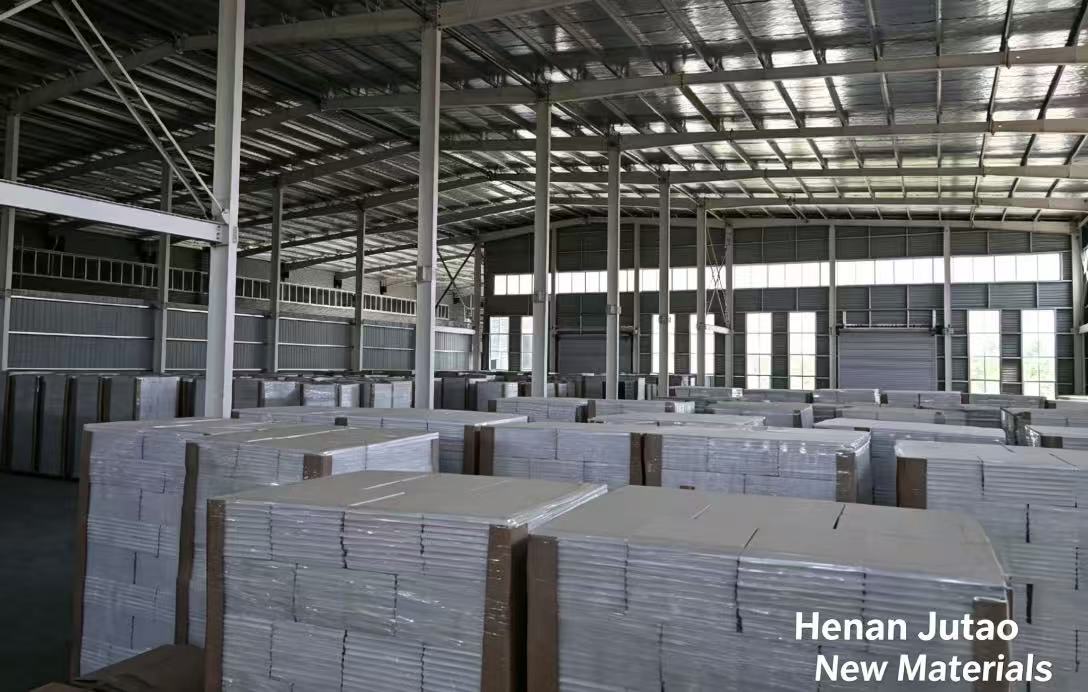
China Custom Vacuum Panels Industrial Vacuum Insulation Panels: Practical Thermal Insulation Solutions for Industrial Equipment
As industrial energy-efficiency requirements continue to increase, the limitations of traditional insulation materials in high-temperature equipment and demanding operating environments have become more apparent. Materials such as rock wool, fiberglass, and calcium silicate are widely used, but they often require significant thickness to achieve the desired insulation performance and may suffer from moisture absorption, settlement, or thermal bridge issues over time.
Vacuum Insulation Panels (VIPs), featuring ultra-low thermal conductivity and a slim profile, are becoming an advanced solution for thermal insulation in industrial equipment applications.
What Are Vacuum Insulation Panels?
Vacuum Insulation Panels are high-performance thermal insulation materials that utilize vacuum insulation technology. They are typically composed of a microporous silica core, a high-barrier multilayer film, and a getter/desiccant system.
By evacuating the air inside the sealed barrier envelope, VIPs significantly reduce heat transfer caused by gas conduction and convection while minimizing radiant heat transfer. This unique structure enables thermal insulation performance far superior to conventional insulation materials.
Compared with traditional insulation products, VIPs provide higher thermal resistance with much less thickness, helping industrial equipment save space and improve energy efficiency.
Challenges in Industrial Equipment Insulation
Many industrial sectors—including chemical processing, petrochemicals, power generation, electronics manufacturing, food processing, and pharmaceuticals—operate equipment under elevated temperatures, such as:
* Chemical reactors
* Steam pipelines
* Storage tanks
* Semiconductor manufacturing equipment
* Medical sterilization systems
* Industrial furnaces and heat-treatment equipment
These systems often face several common challenges:
* Energy loss caused by heat dissipation
* Excessive surface temperatures that may affect workplace safety
* Limited installation space for insulation systems
* Temperature fluctuations that impact process stability
* High maintenance requirements for conventional insulation materials
Vacuum Insulation Panels effectively address these challenges by delivering exceptional thermal performance within limited installation space.
Advantages of Vacuum Insulation Panels for Industrial Equipment
Ultra-Thin and High-Efficiency Insulation
VIPs offer extremely low thermal conductivity, allowing them to achieve excellent insulation performance with significantly reduced thickness compared to traditional materials.
For equipment with restricted space, VIPs help optimize design while maintaining superior thermal protection.
Reduced Energy Consumption
By minimizing heat loss, Vacuum Insulation Panels help maintain stable operating temperatures, reducing the consumption of steam, electricity, and fuel while improving overall energy efficiency.
Enhanced Workplace Safety
Installing VIPs on high-temperature equipment can significantly lower external surface temperatures, helping reduce burn risks and creating a safer working environment.
Improved Temperature Stability
For equipment requiring precise temperature control, VIPs help minimize temperature fluctuations, improving process consistency and product quality.
Long Service Life
Industrial-grade Vacuum Insulation Panels manufactured with advanced barrier films are designed to maintain reliable thermal performance over extended operating periods, supporting long-term industrial applications.
Installation Considerations
To maximize insulation performance, the following installation practices are recommended:
* Avoid puncturing the panel surface with sharp objects.
* Minimize cutting and on-site modification.
* Properly seal joints and panel connections.
* Apply protective coverings where mechanical damage may occur.
* Use metal protective layers in vibration-prone environments.
For valves, elbows, and other irregularly shaped components, customized VIP solutions can be designed to meet specific installation requirements.
Typical Applications
Vacuum Insulation Panels are widely used in:
* Chemical processing equipment
* Industrial pipelines
* LNG storage and transportation systems
* Pharmaceutical equipment
* Semiconductor manufacturing facilities
* Power generation systems
* Food processing equipment
* Aerospace thermal protection systems
Their combination of exceptional thermal performance and space-saving design continues to expand their use across various industrial sectors.
How to Choose High-Quality Vacuum Insulation Panels
When selecting VIPs for industrial equipment, it is important to evaluate the following factors:
* Thermal conductivity
* Vacuum retention performance
* Barrier film quality
* Compressive strength
* Temperature resistance
* Product certifications and testing reports
High-quality Vacuum Insulation Panels provide reliable thermal insulation while helping reduce long-term operating and maintenance costs.
Conclusion
As industries pursue greater energy efficiency and equipment performance, Vacuum Insulation Panels are becoming an increasingly valuable insulation solution. Their ultra-thin design, outstanding thermal insulation capability, and energy-saving benefits make them ideal for modern industrial applications where space constraints, temperature control, and operational efficiency are critical.
For industrial equipment requiring long-term thermal stability and high-performance insulation, Vacuum Insulation Panels offer a practical and cost-effective solution that supports both energy conservation and operational excellence.
Keywords: Vacuum Insulation Panel, VIP Insulation Panel, Industrial Insulation Board, Industrial Thermal Insulation, High Performance Insulation Material, Industrial Equipment Insulation, Energy Saving Insulation, Thermal Management Solution.
Jutao Environmental Technology — Specialists in Aerogel Material Solutions
Stay connected with us for the latest updates, industry insights and application solutions in the aerogel sector.
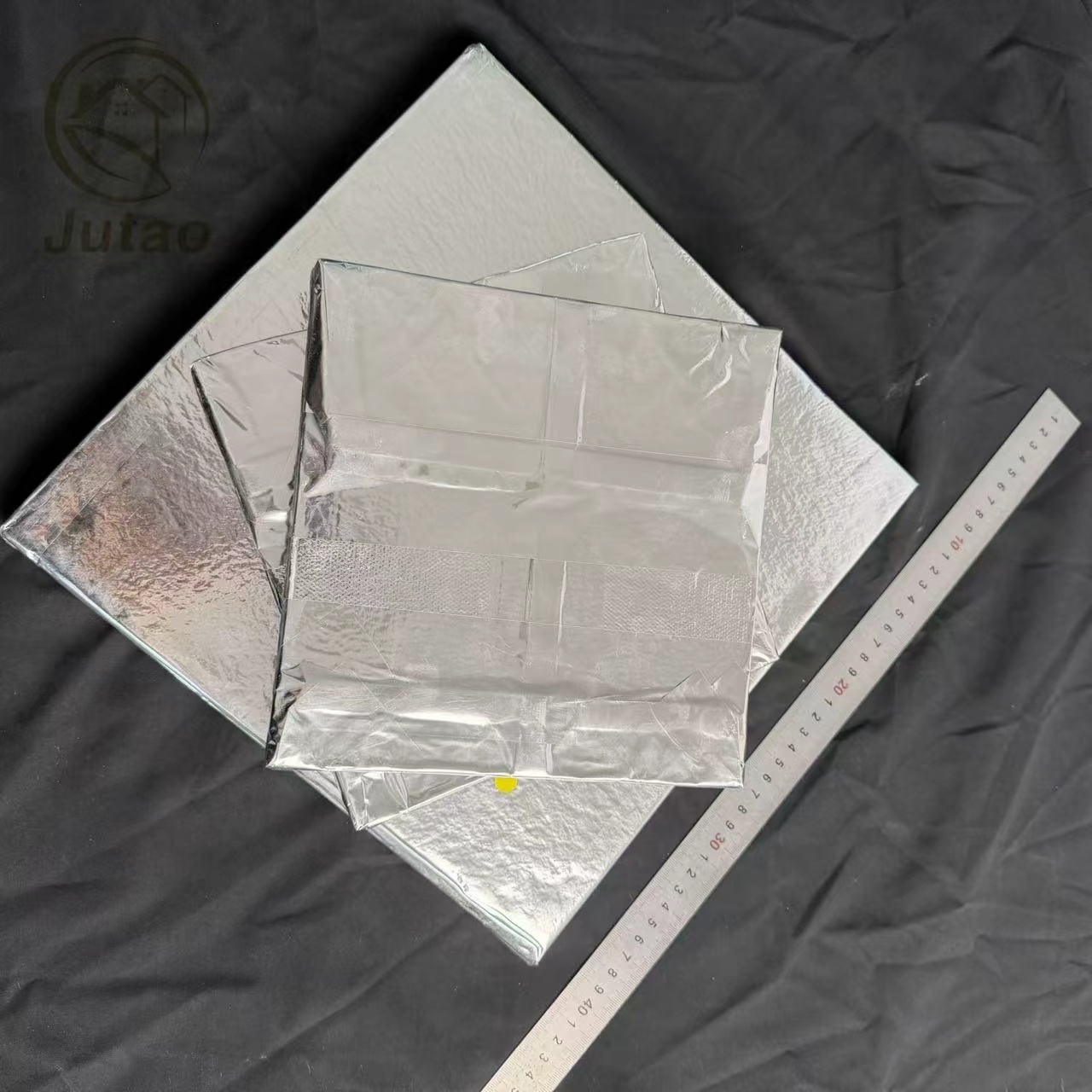
Complete Analysis of MOQ for Wholesale Aerogel Orders
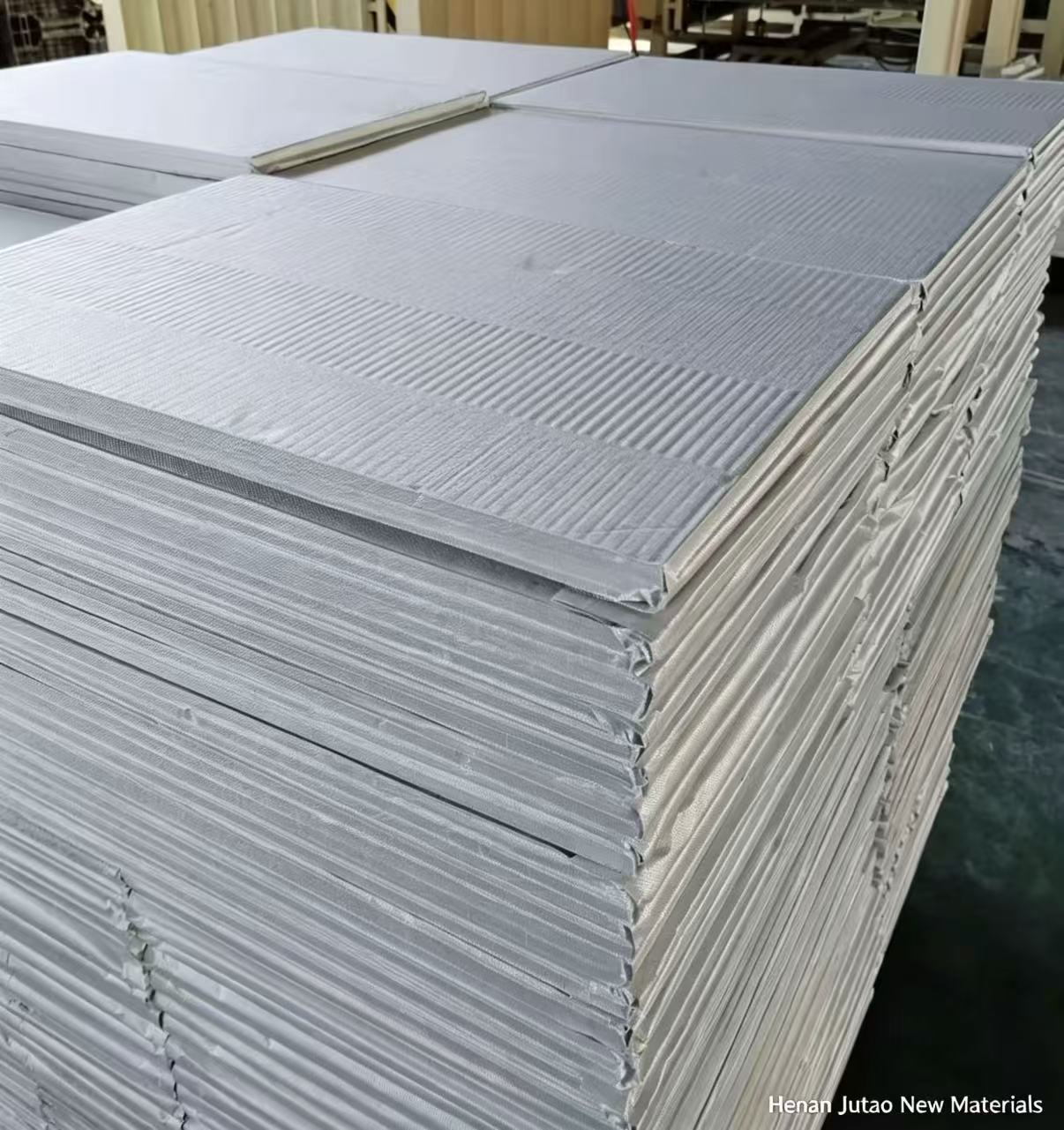
Aerogel Wall Manufacturer Building Vacuum Insulation Panels for High-Rise Exterior Wall Insulation Applications
Solving Thermal Bridge Challenges in High-Rise Buildings
Exterior wall insulation systems for high-rise buildings often face two major challenges: thermal bridge effects and increasing insulation thickness requirements. Traditional insulation materials typically rely on thicker layers to meet modern energy-efficiency standards. However, excessive thickness can create structural concerns, especially in buildings with ceramic tile facades or those exposed to high wind loads.
Vacuum Insulation Panels (VIPs) provide an effective solution with an ultra-low thermal conductivity of ≤0.008 W/(m·K). A VIP panel with a thickness of only 15–20 mm can achieve insulation performance comparable to 80–100 mm of conventional insulation materials. This allows architects and developers to improve thermal efficiency while maintaining slim wall profiles and maximizing usable interior space.
Reliable Performance Under High Wind Pressure
For buildings exceeding 50 meters in height, wind pressure becomes a critical factor in insulation system design. Negative wind pressure can lead to insulation layer separation if the system is not properly engineered.
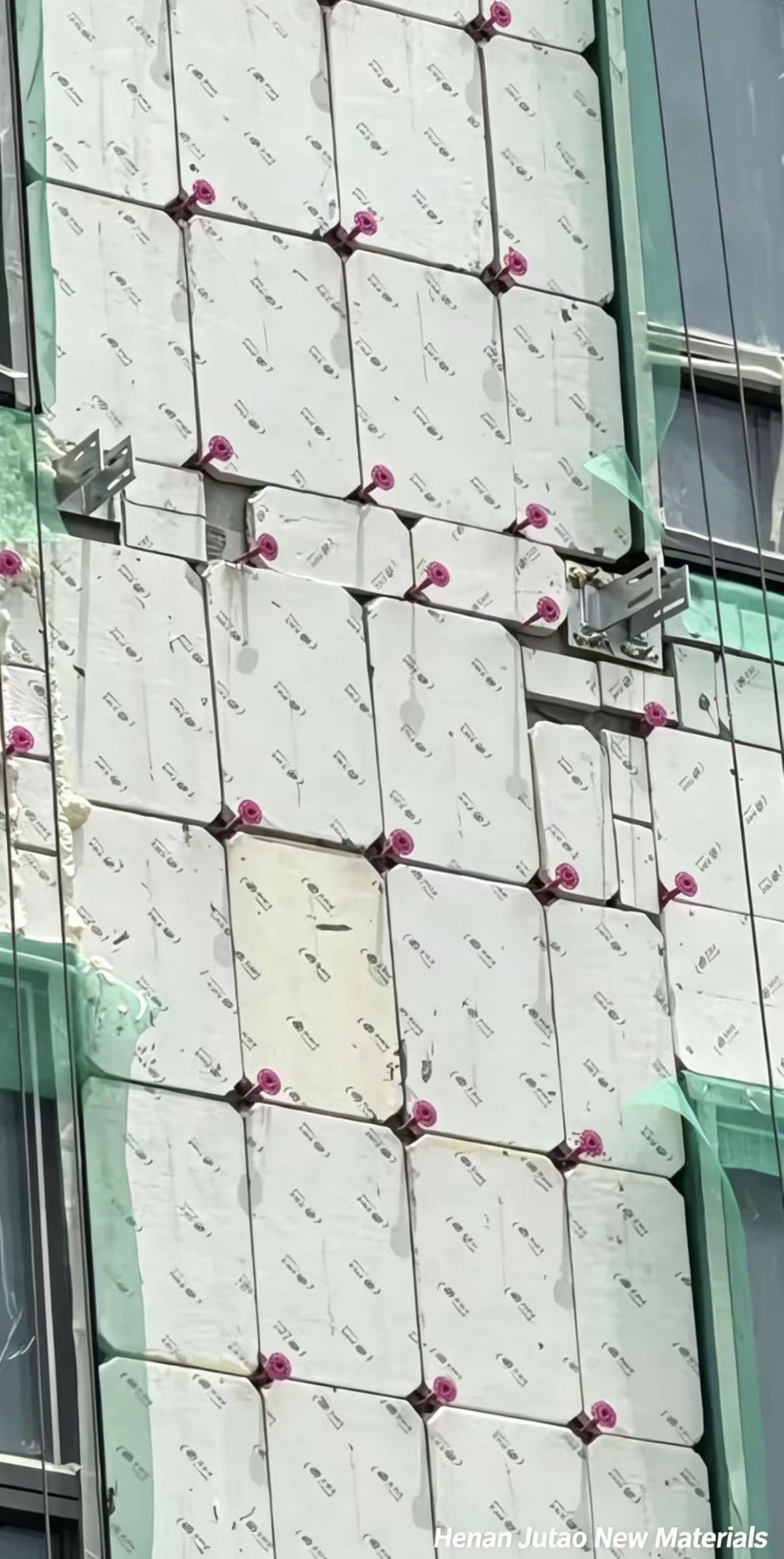
VIP panels feature aluminum foil composite fiberglass surfaces that provide stable tensile bonding strength exceeding 0.15 MPa. In practical applications, plastic expansion anchors are installed at panel corners and combined with full-surface adhesive bonding to create a dual mechanical and adhesive fixing system. This design significantly improves resistance to wind loads and ensures long-term façade stability, even in super high-rise projects.
Effective Thermal Bridge Control Through Precise Installation
Unlike conventional insulation boards, VIP panels cannot be cut on-site. Therefore, detailed panel layout planning should be completed during the design phase to ensure installation accuracy.
Panel joints should generally be maintained within 5 mm and filled with polyurethane foam, followed by sealing with butyl tape. Proper joint treatment minimizes thermal bridge effects and helps maintain overall thermal performance. Standard panel dimensions such as 600 × 400 mm can reduce the number of vertical joints on the façade, simplifying quality control and improving installation efficiency.
Long-Term Durability and System Protection
For high-rise buildings, exterior insulation replacement can be expensive and technically challenging. VIP panels utilize fumed silica core materials that are non-combustible, dimensionally stable, and resistant to aging.
The long-term performance of a VIP system depends largely on its high-barrier envelope. Multi-layer aluminum composite films with extremely low oxygen transmission rates are recommended to preserve vacuum performance throughout the service life of the panel.
To enhance durability, a 5 mm polymer-modified mortar layer reinforced with alkali-resistant fiberglass mesh can be applied as a protective exterior layer. Additional sealing measures around windows, balconies, and other thermal bridge-sensitive areas help prevent mechanical damage and maintain system airtightness.
Cost Efficiency Across the Building Lifecycle
Although the initial cost of VIP panels may be higher than conventional insulation materials such as EPS boards, they offer significant long-term benefits. Reduced insulation thickness can increase usable indoor space by approximately 2–3% in residential units while lowering installation complexity and reducing façade construction time.
Furthermore, improved energy efficiency contributes to lower heating and cooling costs throughout the building’s operational life. Reduced maintenance requirements and enhanced façade durability can help recover the initial investment within approximately 8–10 years, depending on climate conditions and building design.
The Ideal Insulation Solution for Modern High-Rise Buildings
As building energy regulations become more demanding, developers increasingly require insulation systems that combine superior thermal performance, fire safety, structural reliability, and long-term durability.
Vacuum Insulation Panels are among the few mature insulation technologies capable of simultaneously meeting stringent thermal efficiency requirements, A1 fire-resistance standards, wind-pressure resistance demands, and thermal bridge control objectives. This makes VIP insulation an ideal choice for high-rise and super high-rise building exterior wall applications worldwide.
Jutao Environmental Technology — Specialists in Aerogel Material Solutions
Stay connected with us for the latest updates, industry insights and application solutions in the aerogel sector.
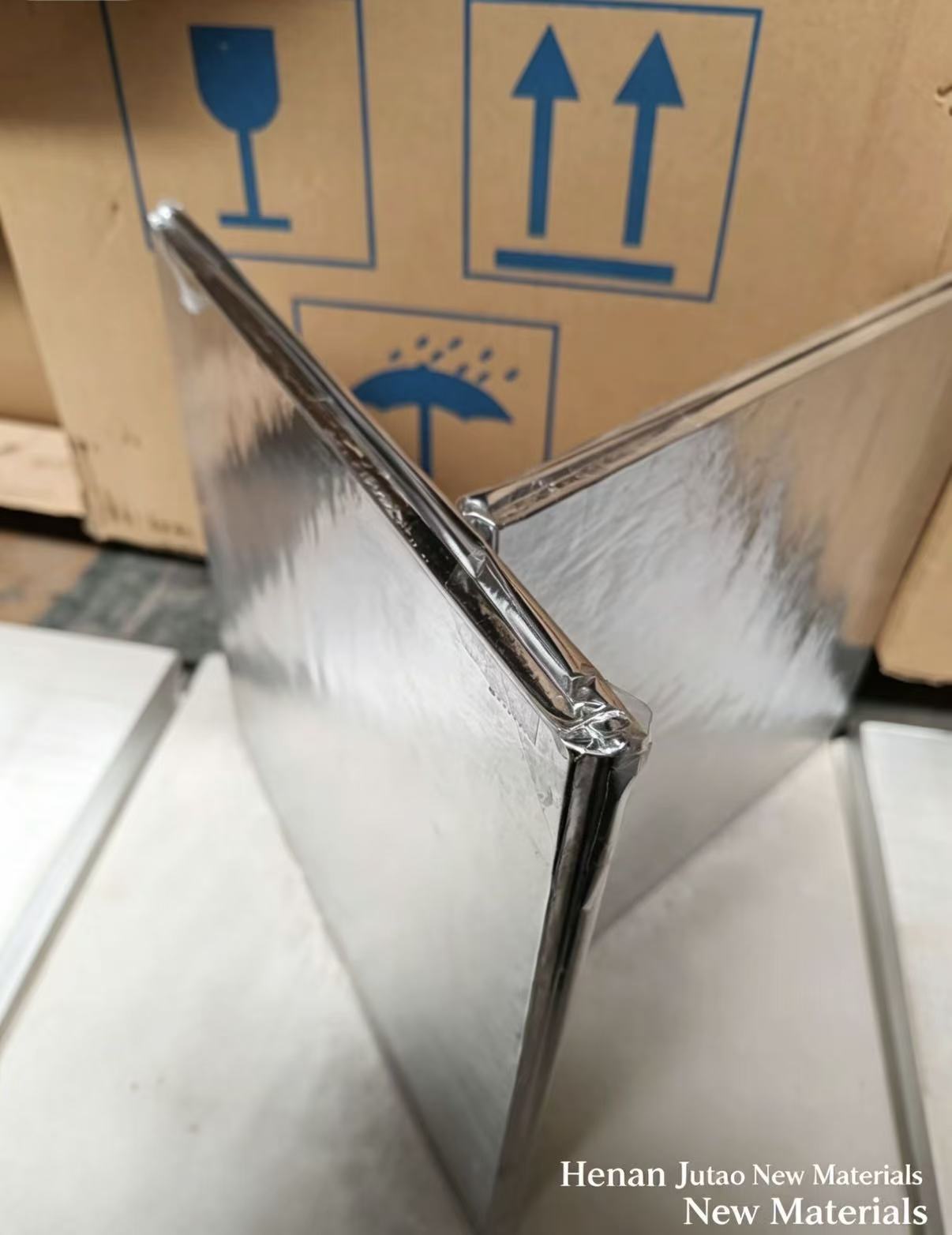
Custom China Aerogel Board VIP Vacuum Insulation Panels for High-Performance Building Insulation
As global building energy-efficiency standards continue to rise, insulation materials play a critical role in reducing energy consumption and improving indoor comfort. Traditional insulation products such as EPS, XPS, and mineral wool often require significant thickness to achieve desired thermal performance, resulting in reduced usable space and increased construction complexity.
VIP (Vacuum Insulation Panel) technology offers a breakthrough solution. By combining vacuum insulation technology with advanced nano-porous core materials, VIP panels deliver exceptional thermal performance while maintaining an ultra-thin profile, making them an ideal choice for modern high-performance buildings.
Exceptional Thermal Performance Through Advanced Vacuum Technology
The superior insulation performance of VIP panels comes from their unique structure. A nano-porous fumed silica core is encapsulated within a high-barrier multilayer film and vacuum-sealed to eliminate air convection and significantly reduce heat transfer.
With thermal conductivity as low as 0.002–0.008 W/(m·K), VIP panels provide insulation performance that is approximately 5 to 10 times better than conventional insulation materials.
The nano-scale pore structure effectively suppresses gaseous heat conduction, while integrated getters continuously absorb residual gases, helping maintain long-term vacuum stability and thermal efficiency throughout the product’s service life.
Ultra-Thin Design Maximizes Usable Space
One of the biggest challenges in modern building design is achieving stringent energy-efficiency requirements without sacrificing interior space.
VIP panels solve this challenge by delivering high thermal resistance with minimal thickness. For example, a 15 mm VIP panel can provide insulation performance comparable to approximately 80 mm of traditional EPS insulation.
This ultra-thin design is particularly valuable for:
* Building energy retrofit projects
* Passive house construction
* Curtain wall systems
* Floor heating systems
* Cold storage facilities
* High-end residential and commercial buildings
By reducing wall thickness, VIP panels help increase usable floor area while maintaining excellent energy performance.
High Strength and Reliable Durability
Modern VIP panels are engineered not only for insulation performance but also for structural reliability.
With compressive strength exceeding 0.15 MPa, VIP panels offer excellent dimensional stability and can be integrated into various building systems. Their smooth surface allows for direct application of finishing materials such as cement-based coatings and ceramic tiles.
In cold-chain and refrigerated building applications, VIP panels also help minimize thermal bridging and condensation risks, contributing to longer service life and improved operational efficiency.
Installation Considerations
To ensure optimal performance, proper installation practices are essential.
Key recommendations include:
* Avoid cutting, drilling, or puncturing panels on-site.
* Use factory-precut panels whenever possible.
* Seal panel joints with specialized polyurethane sealants.
* Apply thermal-break transition materials around window and door openings.
* Keep panels in original packaging during transportation and storage.
* Train installation personnel on proper VIP handling procedures.
Because each panel functions as a vacuum-sealed insulation system, maintaining panel integrity is critical for preserving long-term thermal performance.
Long-Term Economic Benefits
Although the initial investment for VIP panels may be higher than traditional insulation materials, their long-term value often outweighs the additional cost.
Benefits include:
* Reduced heating and cooling energy consumption
* Increased usable indoor space
* Lower structural load requirements
* Potential reduction in foundation and construction costs
* Support for green building certifications and near-zero-energy building standards
In many projects, the additional investment can be recovered within several years through energy savings and improved building efficiency.
The Future of High-Efficiency Building Insulation
As architects, developers, and building owners pursue higher energy-efficiency standards, insulation solutions must evolve beyond simply increasing thickness.
VIP Vacuum Insulation Panels provide a powerful combination of ultra-low thermal conductivity, space-saving design, durability, and long-term energy savings. They enable the creation of thinner, smarter, and more sustainable building envelopes, making them a preferred insulation solution for next-generation construction projects worldwide.
Jutao Environmental Technology — Specialists in Aerogel Material Solutions
Stay connected with us for the latest updates, industry insights and application solutions in the aerogel sector.
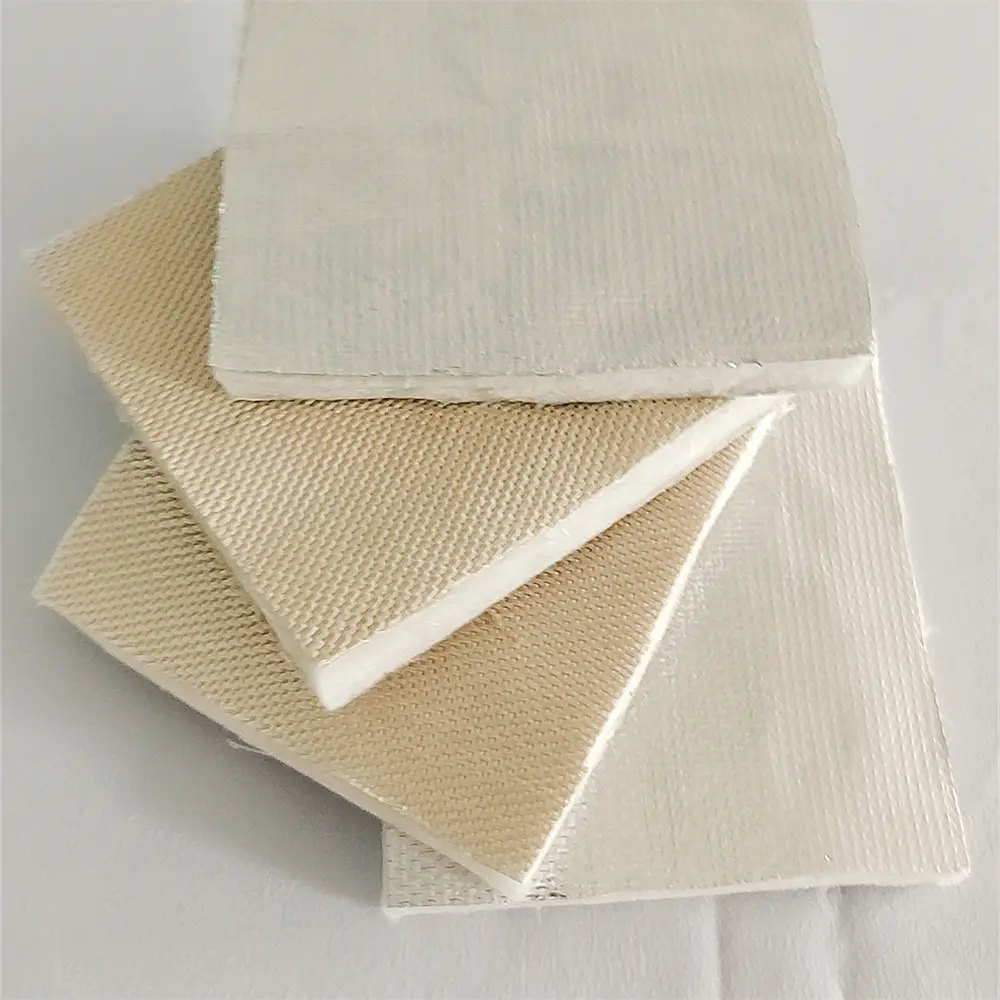
How to Scientifically Evaluate the Thermal Performance of Aerogels?
Custom China Aerogel Board Vacuum Insulation Panels: An Innovative Eco-Friendly Building Insulation Material
As global building energy-efficiency standards continue to become more stringent, traditional insulation materials face increasing challenges in terms of thermal performance, thickness requirements, and long-term durability. Vacuum Insulation Panels (VIPs), as a new generation of high-performance insulation materials, are becoming an increasingly popular solution for modern building insulation applications.
Challenges in Building Energy Efficiency
Conventional insulation materials such as mineral wool, expanded polystyrene (EPS), and polyurethane (PU) boards often require significant thickness to achieve modern energy-saving standards. This can reduce usable building space while increasing transportation and installation costs.
In addition, moisture penetration over time may increase thermal conductivity, resulting in reduced insulation performance and lower energy efficiency.
How Vacuum Insulation Panels Work
Vacuum Insulation Panels consist of a high-performance core material, typically fumed silica or ultra-fine glass fiber, enclosed within a multilayer high-barrier laminate film. The air inside the panel is evacuated to create a high-vacuum environment.
By eliminating gaseous heat transfer and significantly reducing conductive and radiant heat transfer, VIPs achieve exceptionally low thermal conductivity values, typically ranging from 0.002 to 0.004 W/(m·K).
Compared with traditional insulation materials, VIPs can deliver superior thermal performance while requiring only a fraction of the thickness. In many applications, a 20 mm VIP can provide insulation performance comparable to much thicker conventional insulation systems.
Key Advantages of Vacuum Insulation Panels
- Ultra-Thin and High-Efficiency Insulation
VIPs offer one of the lowest thermal conductivity values available among commercial insulation materials, making them ideal for projects where space-saving and energy efficiency are critical.
- Increased Usable Building Space
The reduced insulation thickness allows architects and developers to maximize interior space and improve building value.
- Excellent Fire Resistance
Most VIPs utilize inorganic core materials, providing excellent fire-resistant properties. They do not burn easily and do not release toxic smoke under high-temperature conditions.
- Lightweight Construction
The lightweight design facilitates transportation and installation while helping reduce labor and construction costs.
Installation Considerations
To maintain optimal insulation performance, VIPs should be protected from punctures, excessive bending, and mechanical damage during transportation and installation.
Proper sealing of panel joints using specialized tapes and adherence to recommended installation procedures are essential for ensuring long-term performance.
Under proper installation and operating conditions, high-quality Vacuum Insulation Panels can maintain reliable thermal insulation performance for 15–20 years.
Wide Range of Applications
Vacuum Insulation Panels are widely used in:
* Building exterior wall insulation systems
* Energy-efficient building renovation projects
* Cold storage facilities and cold-chain logistics
* Steel structure buildings
* Prefabricated construction systems
* Floor insulation applications
* Refrigerators and freezers
* Industrial thermal insulation equipment
Conclusion
As demand for sustainable and energy-efficient buildings continues to grow, Vacuum Insulation Panels provide an advanced insulation solution that combines ultra-thin design, outstanding thermal performance, and environmental benefits. Their ability to maximize energy savings while minimizing space requirements makes VIPs a promising choice for the future of modern construction and insulation technology.
Jutao Environmental Technology — Specialists in Aerogel Material Solutions
Stay connected with us for the latest updates, industry insights and application solutions in the aerogel sector.
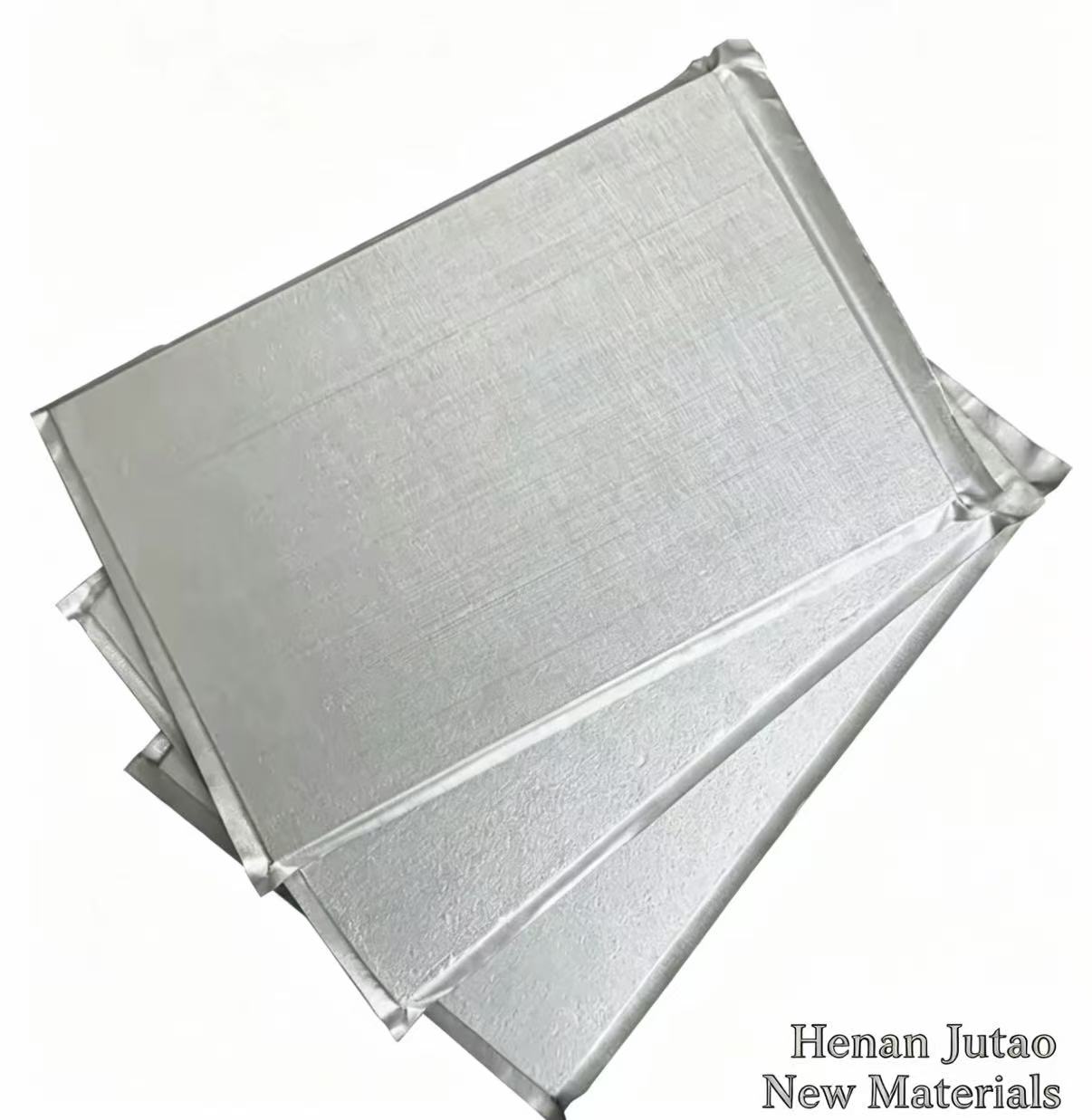
Flexible Aerogel Factories STP Vacuum Insulation Panels: Efficient Fire Resistance, Superior Thermal Performance, and Long-Term Durability
As building energy-efficiency requirements and fire safety standards continue to become more stringent, traditional insulation materials often face challenges in balancing thermal performance, fire resistance, and long-term durability. Organic insulation materials such as EPS and polyurethane foam offer good thermal insulation but may present fire safety concerns. Inorganic materials such as rock wool and glass wool provide excellent fire resistance but may encounter limitations in insulation efficiency, moisture resistance, and installation conditions.
STP Vacuum Insulation Panels (VIPs) provide an advanced insulation solution that combines exceptional thermal performance, inherent fire resistance, and reliable long-term stability.
Inherently Non-Combustible Core Material
The key advantage of STP Vacuum Insulation Panels lies in their specially engineered fumed silica core. Unlike organic insulation materials that rely on flame-retardant additives, fumed silica is an inorganic material with a melting point exceeding 1000°C. It does not burn, melt, or release toxic smoke under high-temperature conditions.
During fire exposure, the silica core acts as an effective thermal barrier, slowing heat transfer and helping to protect the building structure. This inherent non-combustibility ensures stable fire-performance characteristics throughout the product’s service life.
Ultra-Low Thermal Conductivity for Maximum Energy Efficiency
STP Vacuum Insulation Panels utilize vacuum insulation technology to significantly reduce heat transfer caused by air convection. By maintaining a near-vacuum environment within the panel, thermal conductivity can be reduced to below 0.008 W/(m·K), substantially lower than many conventional insulation materials.
The outstanding insulation performance allows designers to achieve required thermal resistance with much thinner insulation layers. This makes STP panels particularly suitable for:
* Building façade insulation systems
* Energy-efficiency retrofit projects
* Balcony and parapet insulation
* Thermal bridge treatment areas
* Space-constrained construction applications
Reduced insulation thickness can also help decrease façade system weight and improve overall building design flexibility.
Long-Term Stability and Reliable Service Life
Long-term performance is a critical consideration in building insulation systems. STP Vacuum Insulation Panels are encapsulated using high-barrier multilayer foil laminates and supported by efficient getter technology, helping maintain internal vacuum conditions for extended periods.
The silica core itself provides residual insulation performance even in the unlikely event of localized vacuum loss. In addition, STP panels offer:
* Excellent dimensional stability
* Low moisture absorption
* Resistance to aging and mold growth
* Reduced risk of cracking, debonding, and deformation
These characteristics contribute to lower maintenance requirements and more consistent thermal performance throughout the building lifecycle.
A Practical Solution for Modern Building Envelopes
Like all high-performance building materials, STP Vacuum Insulation Panels require proper handling and installation practices to protect panel integrity and maintain optimal performance. However, when evaluated across the key criteria of fire safety, thermal efficiency, and durability, STP panels represent a highly effective solution for modern building envelope systems.
As global demand for energy-efficient and fire-safe buildings continues to grow, STP Vacuum Insulation Panels are becoming an increasingly attractive choice for architects, engineers, contractors, and building owners seeking advanced insulation technology.
Jutao Environmental Technology — Specialists in Aerogel Material Solutions
Stay connected with us for the latest updates, industry insights and application solutions in the aerogel sector.
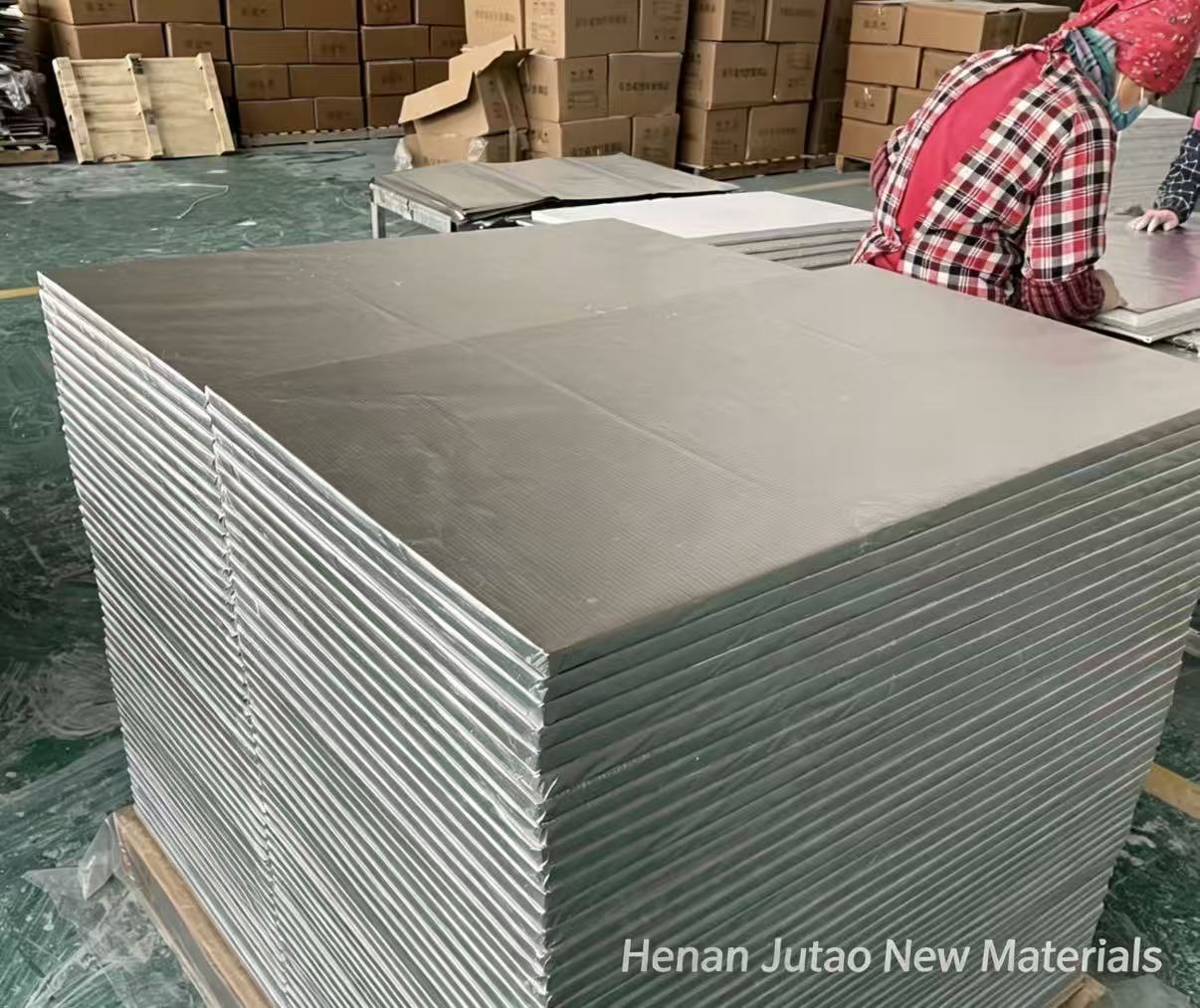
Custom China Aerogel Panels Industrial Insulation Boards: Selection Guide and Practical Benefits for High-Temperature Equipment Choosing the Right Industrial Insulation Board
In high-temperature industrial environments, heat loss not only leads to increased energy consumption but can also affect process stability and equipment performance. As a critical thermal barrier, the selection of industrial insulation boards directly impacts the service life, energy efficiency, and overall cost-effectiveness of insulation systems.
When selecting insulation boards, three key performance indicators should be considered:
- Thermal Conductivity
Thermal conductivity determines the insulation efficiency of a material. Insulation boards with a thermal conductivity below 0.05 W/(m·K) are generally suitable for continuous high-temperature operations, while materials above 0.15 W/(m·K) are typically recommended only for intermittent heat sources.
- Maximum Service Temperature
The operating temperature of the insulation material should include a safety margin of 10%–15% above the actual process temperature. This helps prevent material degradation, phase transformation, and premature insulation failure.
- Compressive Strength
Mechanical strength is essential for maintaining structural integrity during installation and operation. For most industrial applications, a compressive strength of at least 0.6 MPa is recommended.
Common Types of Industrial Insulation Boards and Their Applications
Calcium Silicate Insulation Board
Calcium silicate boards can withstand temperatures up to 650°C and exhibit low linear shrinkage. They are widely used in steam pipelines, hot-air ducts, and industrial furnaces.
Rock Wool Insulation Board
Rock wool offers a cost-effective insulation solution. However, prolonged exposure to high temperatures may cause fiber degradation, making it suitable primarily for equipment operating below 400°C and in low-vibration environments.
Ceramic Fiber Board
Ceramic fiber boards provide excellent thermal insulation and are easy to fabricate. They are ideal for complex-shaped components such as valves, flanges, and irregular equipment surfaces.
Nano Microporous Insulation Board
Although nano microporous insulation boards have a higher initial cost, their thermal conductivity is approximately one-third that of conventional insulation materials. They are particularly effective in applications with limited installation space and demanding thermal performance requirements.
Key Benefits of Industrial Insulation Boards
Reduced Heat Loss
Properly installed insulation boards can lower equipment surface temperatures by 50–70°C, significantly reducing thermal energy loss and improving operational efficiency.
Improved Production Efficiency
For intermittent industrial furnaces and kilns, high-performance insulation can shorten heating cycles by 15%–25%, leading to increased productivity and lower energy consumption.
Corrosion Prevention
In petrochemical reactors and storage vessels, insulation systems help maintain internal wall temperatures above the acid dew point, reducing the risk of corrosion under insulation (CUI) and extending equipment lifespan.
Multi-Layer Composite Solutions
Combining different insulation materials, such as an inner nano microporous layer with an outer calcium silicate layer, provides both superior thermal insulation and enhanced mechanical protection.
Avoiding Common Selection Mistakes
Selecting insulation boards based solely on temperature resistance can lead to performance issues. Environmental conditions, especially humidity and moisture exposure, must also be considered.
For humid environments, hydrophobic insulation boards are recommended to prevent moisture absorption and insulation degradation. For large vertical storage tanks, engineers should verify anchorage performance and indentation strength, with values above 2.0 MPa generally preferred.
Regular inspections are also essential to identify delamination, cracking, or thermal shock damage that may occur during long-term operation.
Cost-Effectiveness and Maintenance Considerations
The lowest purchase price does not always deliver the best long-term value. For example, on a 200-square-meter insulated surface, upgrading to a material with 10% higher energy-saving efficiency can save approximately 12 tons of standard coal annually.
Maintenance should focus on repairing damaged edges and joints as early as possible, since heat flux density at insulation edges can be more than three times higher than in central areas. If insulation boards become saturated with water, replacement is generally recommended unless vacuum drying can fully restore their original performance.
Conclusion
Industrial insulation boards play a vital role in energy conservation, process optimization, equipment protection, and operational safety. By carefully evaluating thermal conductivity, service temperature, compressive strength, and environmental conditions, companies can select the most suitable insulation solution for their specific applications. Investing in high-performance insulation materials can significantly reduce operating costs while improving the reliability and efficiency of industrial systems.
Jutao Environmental Technology — Specialists in Aerogel Material Solutions
Stay connected with us for the latest updates, industry insights and application solutions in the aerogel sector.
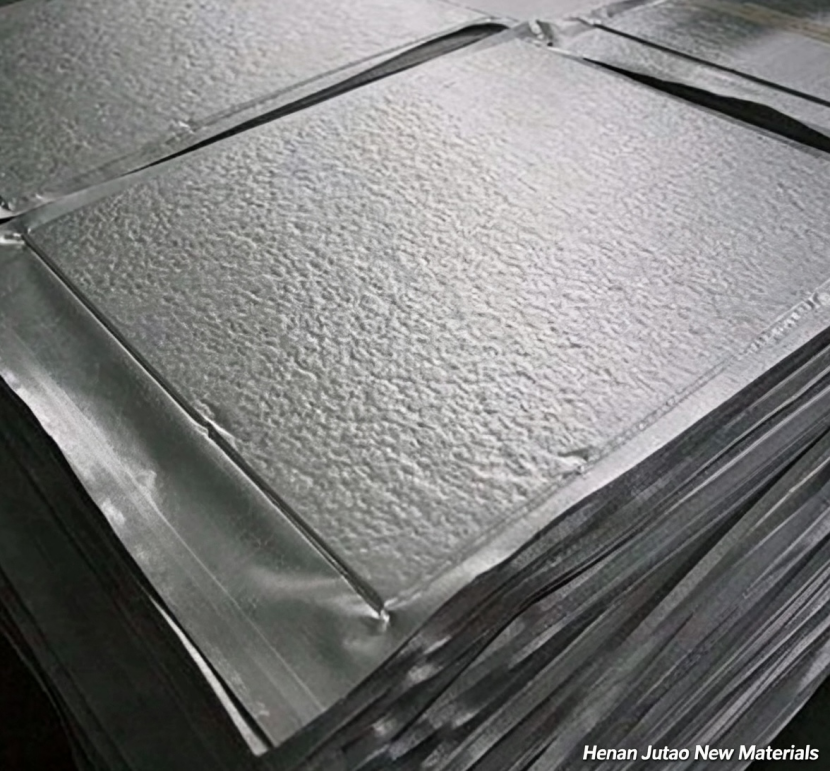
Optimize VIP Panel Performance: A Technical Testing Guide
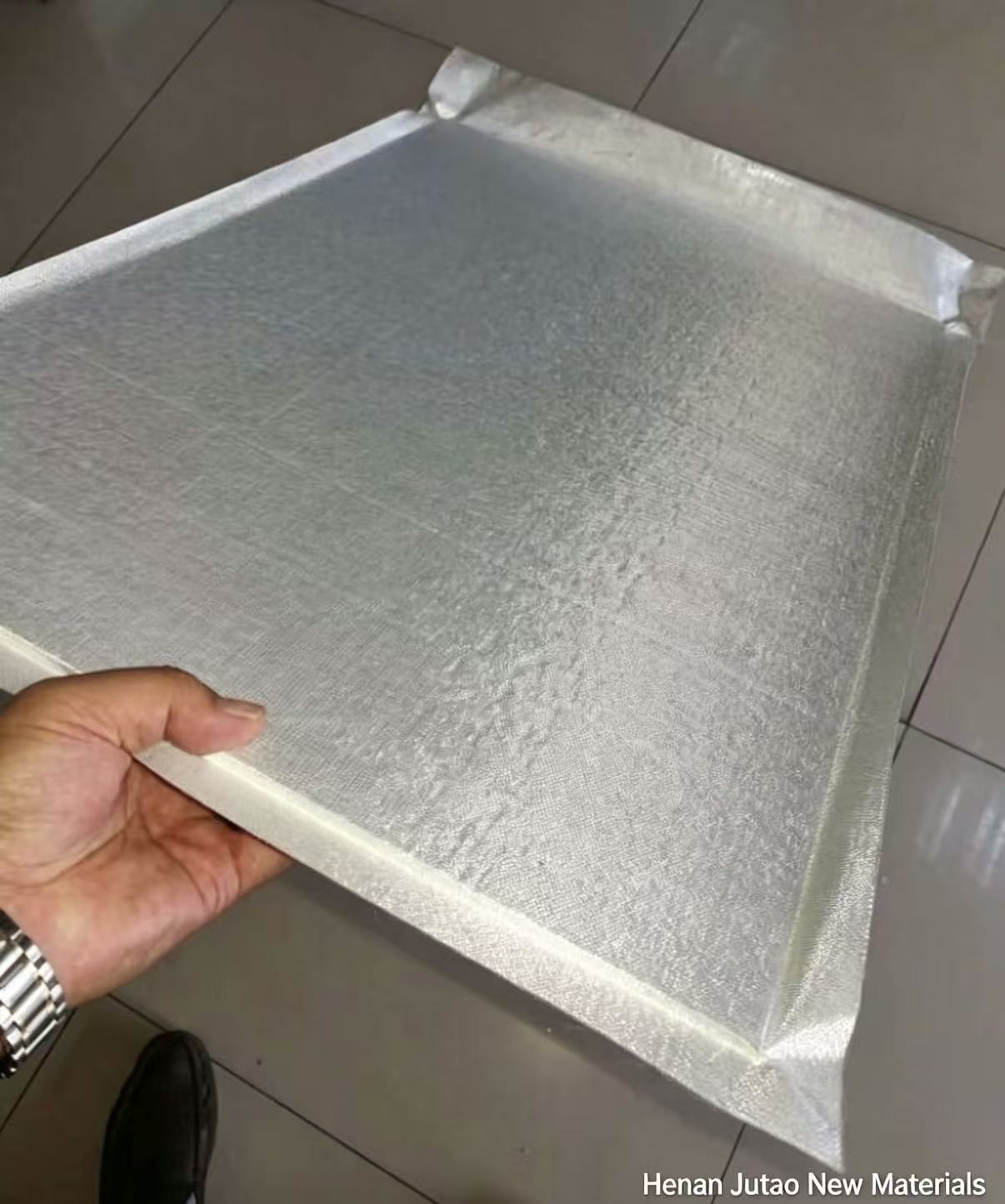
Custom China Facade Systems Vacuum Insulation Panels: A Smart Solution for Building Energy Retrofits
As global energy-saving requirements continue to increase, building renovation projects are facing a common challenge: how to significantly improve thermal insulation performance while minimizing the impact on existing building space and appearance. Traditional insulation materials such as rock wool and EPS/XPS boards often require thick installation layers, which can reduce indoor space or alter the building façade. Vacuum Insulation Panels (VIPs) provide an innovative solution to this challenge.
Why Vacuum Insulation Panels Deliver Superior Thermal Performance
The exceptional insulating capability of Vacuum Insulation Panels comes from their advanced composite structure. A VIP typically consists of a microporous core material, such as fumed silica, enclosed within a high-barrier multilayer envelope under vacuum conditions.
By removing air from the panel, convective heat transfer is nearly eliminated. At the same time, conductive and radiant heat transfer are greatly reduced. As a result, VIPs achieve an ultra-low thermal conductivity of only 0.004–0.008 W/(m·K), approximately five to ten times more effective than conventional insulation materials.
This means that a 20 mm thick VIP can often provide insulation performance comparable to more than 80 mm of traditional insulation boards, making it ideal for applications where space is limited.
Ideal for Existing Building Renovation Projects
Many older buildings were not originally designed to accommodate additional insulation layers. Increasing wall thickness with conventional materials can create thermal bridges around windows, balconies, roofs, and other structural details. It may also require costly modifications to doors, window frames, and utility systems.
The ultra-thin design of Vacuum Insulation Panels allows them to be integrated into existing building envelopes with minimal impact on the original structure. This advantage makes VIPs particularly suitable for:
* Residential building energy retrofits
* Commercial building renovations
* Historic building preservation projects
* Urban renewal programs
* Buildings with strict façade requirements
By maintaining the original appearance while significantly improving thermal performance, VIPs provide a practical solution for challenging renovation projects.
Installation Considerations
To achieve long-term performance, proper installation of Vacuum Insulation Panels is essential.
Because the vacuum-sealed structure is critical to insulation performance, VIPs should never be cut or punctured during installation. Project-specific dimensions should be determined during the design phase, and customized panel sizes are often recommended.
Key installation practices include:
* Accurate panel layout planning
* Sealing panel joints with airtight tapes or polyurethane sealants
* Staggered joint installation to reduce thermal bridging
* Protective mortar layers or reinforced mesh systems for mechanical protection
Since VIPs are not designed to support heavy loads directly, they are typically incorporated into complete insulation systems that include protective and decorative layers.
Economic Value and Long-Term Durability
Although Vacuum Insulation Panels generally have a higher initial cost than traditional insulation materials, they often provide greater long-term value.
Their superior thermal performance allows thinner insulation assemblies, reducing costs associated with façade modifications, support structures, finishing layers, and labor. In interior renovation projects, preserving usable floor area can generate significant economic benefits.
High-quality VIPs are also designed for long service life. Under proper protection conditions, vacuum degradation can be minimized, enabling a service life of more than 25 years while maintaining excellent thermal performance.
Typical Applications of Vacuum Insulation Panels
Rather than replacing all conventional insulation materials, VIPs are best used in applications where maximum thermal performance and minimum thickness are required.
Common applications include:
* Interior wall insulation systems
* Exterior wall energy retrofit projects
* Elevator shaft insulation
* Basement ceiling insulation
* Balcony thermal bridge treatment
* Roof insulation upgrades
* Prefabricated and passive building systems
These applications demonstrate the unique value of VIP technology in situations where conventional insulation solutions may not be practical.
Conclusion
Vacuum Insulation Panels represent an advanced insulation technology that addresses the growing demand for energy-efficient buildings. Their ultra-low thermal conductivity, space-saving design, and long-term durability make them an ideal choice for modern building renovation projects.
As energy-efficiency standards continue to evolve, VIPs are expected to play an increasingly important role in sustainable construction and building retrofit applications worldwide.
Jutao Environmental Technology — Specialists in Aerogel Material Solutions
Stay connected with us for the latest updates, industry insights and application solutions in the aerogel sector.