



News










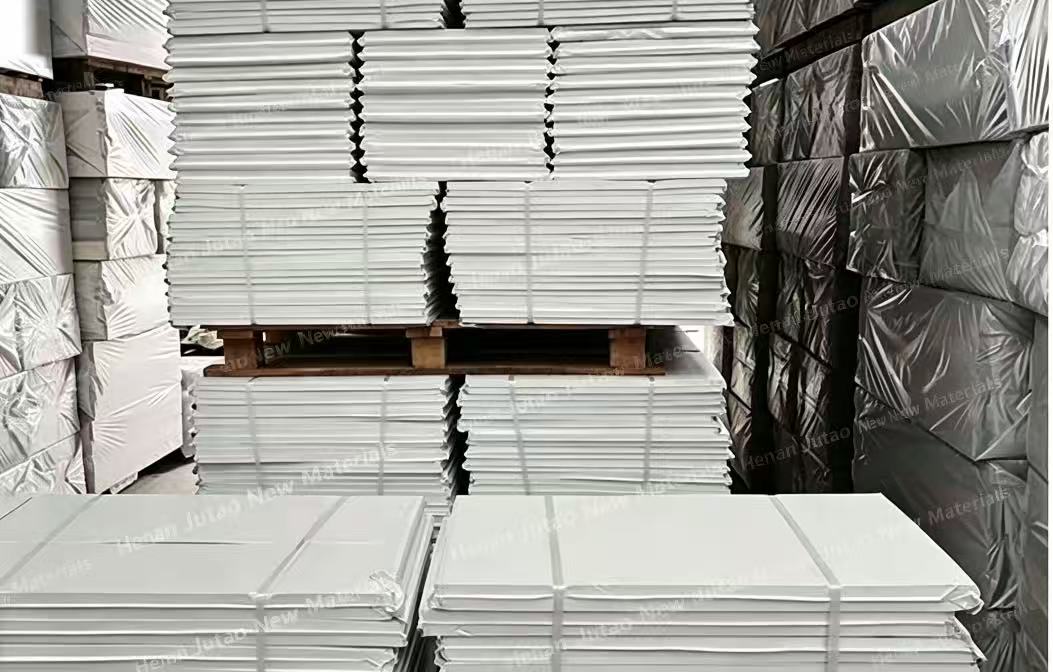
Flexible Aerogel Factories STP Vacuum Insulation Panels: An Ideal Solution for Exterior Wall Energy Retrofit Projects
Optimizing Existing Buildings with High-Performance Thermal Insulation
As energy efficiency standards continue to rise worldwide, upgrading the thermal performance of existing buildings has become a priority for many renovation projects. Aging exterior wall insulation systems often suffer from cracking, detachment, and declining thermal performance. Renovation projects require insulation materials that deliver outstanding thermal efficiency without significantly increasing wall thickness or structural load.
STP Vacuum Insulation Panels (VIPs) provide an effective solution by combining ultra-low thermal conductivity, lightweight construction, and long-term durability for modern building retrofit applications.
Ultra-Thin Insulation with Outstanding Thermal Performance
Compared with conventional insulation materials such as mineral wool or EPS boards, which typically have thermal conductivity values between 0.035–0.045 W/(m·K), STP Vacuum Insulation Panels achieve thermal conductivity as low as 0.006 W/(m·K) or even lower.
This exceptional insulation performance allows a panel thickness of only 10–20 mm to provide thermal resistance comparable to 80–100 mm of traditional insulation materials. The ultra-thin profile makes STP panels particularly suitable for renovation projects where installation space is limited or preserving the original building appearance is essential.
Lightweight Design Simplifies Installation
Building renovation projects often require minimizing additional structural loads. STP Vacuum Insulation Panels feature a lightweight construction that places very little extra weight on existing walls.
Factory-manufactured panels allow efficient installation through surface preparation, adhesive bonding, mechanical fixing, and finishing layers. Compared with conventional insulation systems, installation time can be significantly reduced while minimizing dust, noise, and disruption during construction.
Long-Term Durability and Fire Safety
High-quality STP Vacuum Insulation Panels utilize multilayer high-barrier laminates together with advanced getter technology to maintain vacuum performance for extended service life.
Even if an individual panel is accidentally damaged, localized performance loss does not significantly affect the thermal performance of the surrounding insulation system when proper installation methods are followed.
The inorganic core material also provides excellent fire resistance. When integrated into certified exterior wall systems, STP panels can help projects meet stringent fire safety requirements while delivering superior thermal insulation.
Cost-Effective over the Building Life Cycle
Although the initial material cost of STP Vacuum Insulation Panels is generally higher than conventional insulation products, the overall project economics can be highly competitive.
Their ultra-thin design reduces auxiliary materials, shortens installation time, lowers labor costs, and preserves valuable interior space. Faster project completion can also reduce renovation downtime, making STP panels an attractive long-term investment for building owners and contractors.
Best Practices for Installation
Proper handling is essential to maintain the vacuum integrity of the panels.
Recommended installation practices include:
* Handle panels carefully to prevent edge damage.
* Use fine-tooth cutting tools when trimming panels.
* Seal all cut edges with appropriate sealing materials.
* Leave expansion joints around windows and corners where required.
* Verify bonding coverage and vacuum performance during quality inspection.
Professional installation helps maximize both thermal performance and service life.
Conclusion
STP Vacuum Insulation Panels offer an advanced insulation solution for exterior wall energy retrofit projects. Their combination of ultra-thin construction, excellent thermal efficiency, lightweight design, fire resistance, and long-term durability makes them an ideal choice for upgrading existing buildings to modern energy-efficiency standards.
As demand for sustainable and energy-efficient construction continues to grow, STP Vacuum Insulation Panels are becoming an increasingly valuable material for high-performance building renovation worldwide.
Jutao Environmental Technology — Specialists in Aerogel Material Solutions
Stay connected with us for the latest updates, industry insights and application solutions in the aerogel sector.
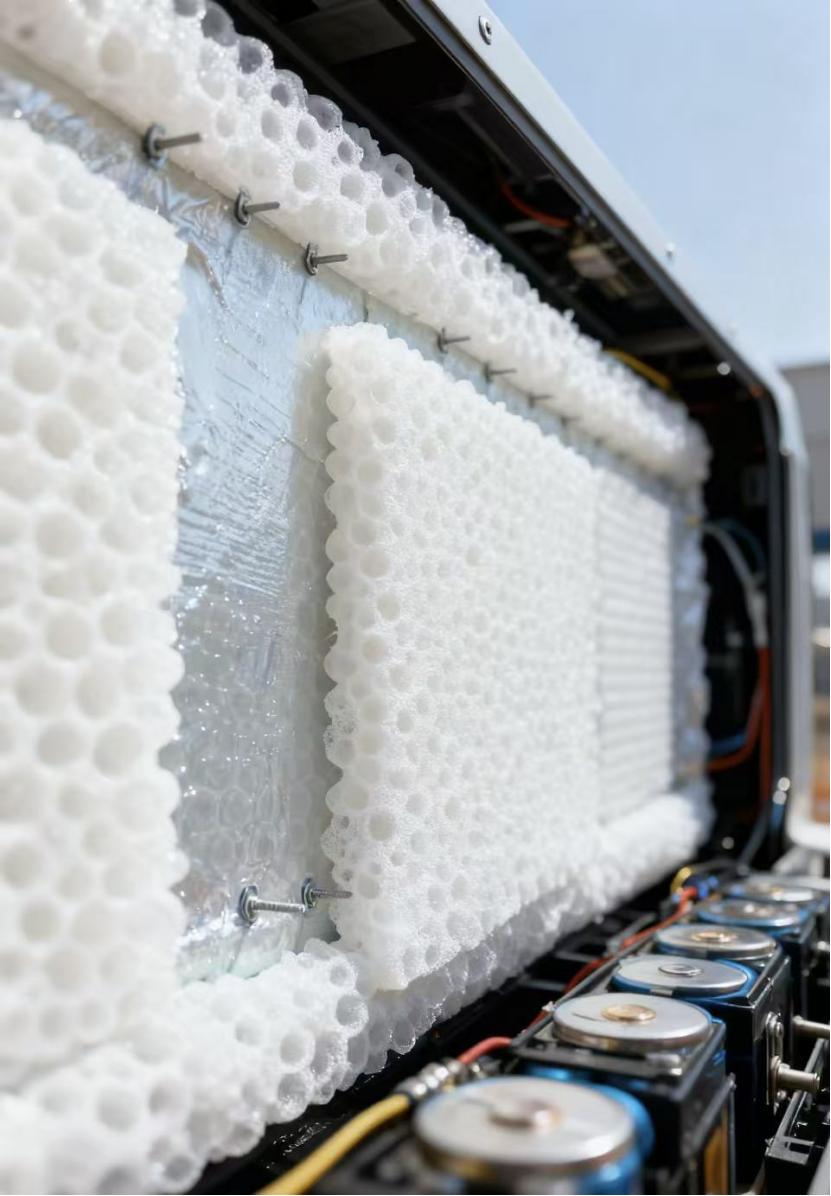
How to Scientifically Compare Different Aerogel Suppliers?
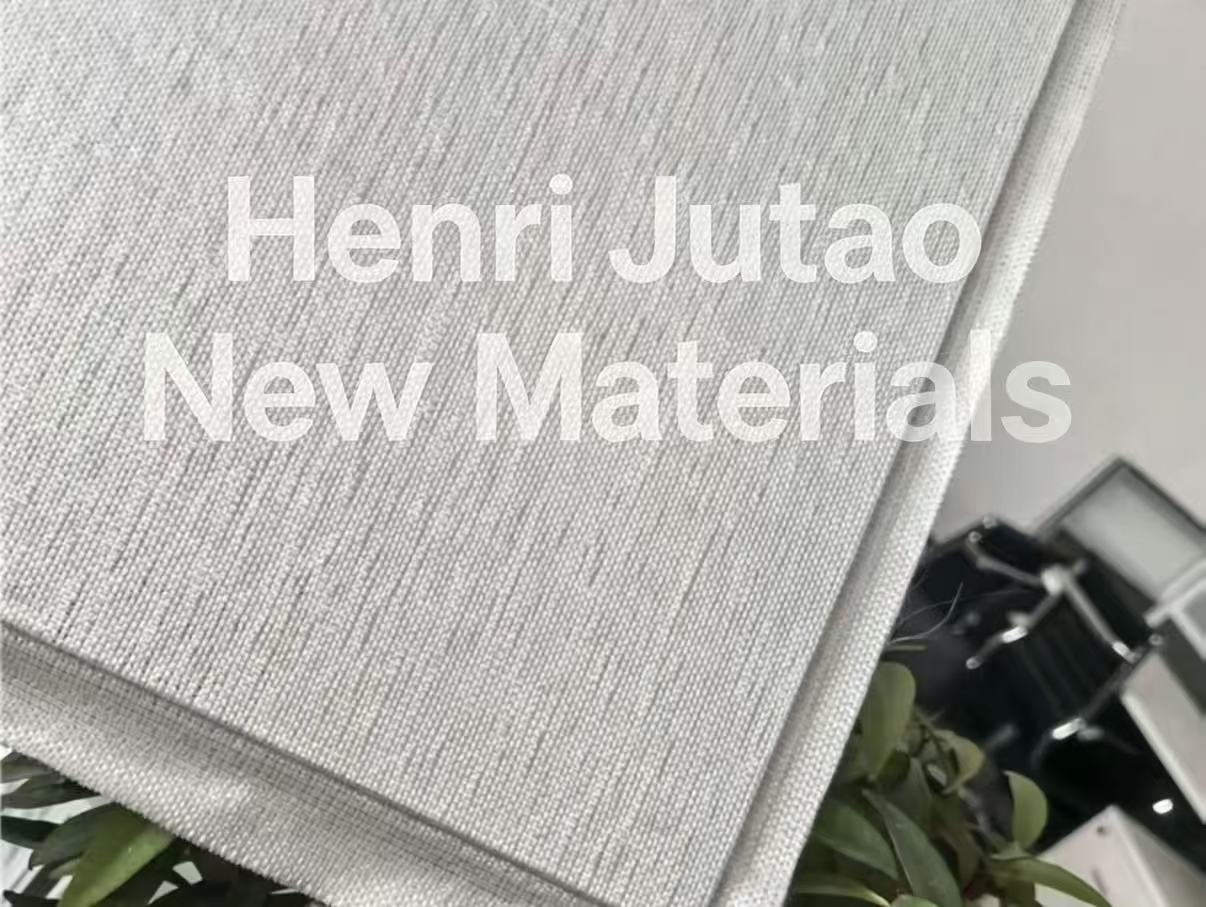
Custom China Aerogel Board VIP Vacuum Insulation Panels for High-Efficiency Cold Chain Warehouse Insulation
As cold chain logistics continues to expand worldwide, warehouse operators are under increasing pressure to reduce energy consumption while maintaining stable storage temperatures. Conventional insulation materials often require thick wall structures and may experience gradual thermal performance degradation over time. Vacuum Insulation Panels (VIPs) provide an advanced insulation solution that combines exceptional thermal efficiency with space-saving design.
Why Choose VIP Vacuum Insulation Panels?
VIPs are manufactured using a microporous core material sealed within a high-barrier multilayer film under vacuum conditions. By eliminating gas convection inside the panel, VIP technology significantly reduces heat transfer and delivers thermal conductivity as low as 0.002–0.004 W/(m·K), substantially lower than conventional polyurethane insulation.
This outstanding insulation performance allows cold storage facilities to achieve the required thermal resistance with much thinner insulation systems.
Benefits for Cold Chain Warehouses
For newly constructed or renovated cold storage facilities, VIP insulation panels can be installed on walls, floors, and ceilings to maximize thermal performance while minimizing insulation thickness.
Typical advantages include:
* Increased internal storage capacity through thinner insulation walls
* Lower refrigeration energy consumption
* Improved temperature stability
* Reduced compressor operating frequency
* Better utilization of available warehouse space
* Suitable for both new construction and retrofit projects
Because less space is occupied by insulation, operators can improve storage efficiency without expanding the building footprint.
Installation Considerations
Unlike conventional foam insulation boards, VIP panels cannot be cut or punctured after manufacturing because doing so would compromise the vacuum structure.
For optimal performance, panels should be custom-designed according to project dimensions, installed with staggered joints, and protected by durable finishing materials to prevent mechanical damage during warehouse operation.
Regular thermal inspections using infrared imaging can help identify damaged panels and maintain long-term insulation performance.
Long-Term Value
Although the initial investment of VIP insulation panels is generally higher than traditional insulation materials, many cold storage projects benefit from lower operating costs through reduced electricity consumption and increased usable storage volume.
Over the life cycle of the facility, these operational savings can contribute to an attractive return on investment while also supporting energy-efficiency goals and lower carbon emissions.
Many VIP products use fumed silica or fiberglass core materials without ozone-depleting blowing agents, making them a suitable choice for environmentally conscious building projects.
A Smarter Insulation Solution for Modern Cold Storage
As energy prices continue to rise and temperature control becomes increasingly critical, high-performance insulation is becoming an essential component of modern cold chain infrastructure.
VIP Vacuum Insulation Panels offer an effective solution for improving thermal efficiency, maximizing storage capacity, and supporting long-term operational performance in refrigerated warehouses and cold rooms.
Jutao Environmental Technology — Specialists in Aerogel Material Solutions
Stay connected with us for the latest updates, industry insights and application solutions in the aerogel sector.
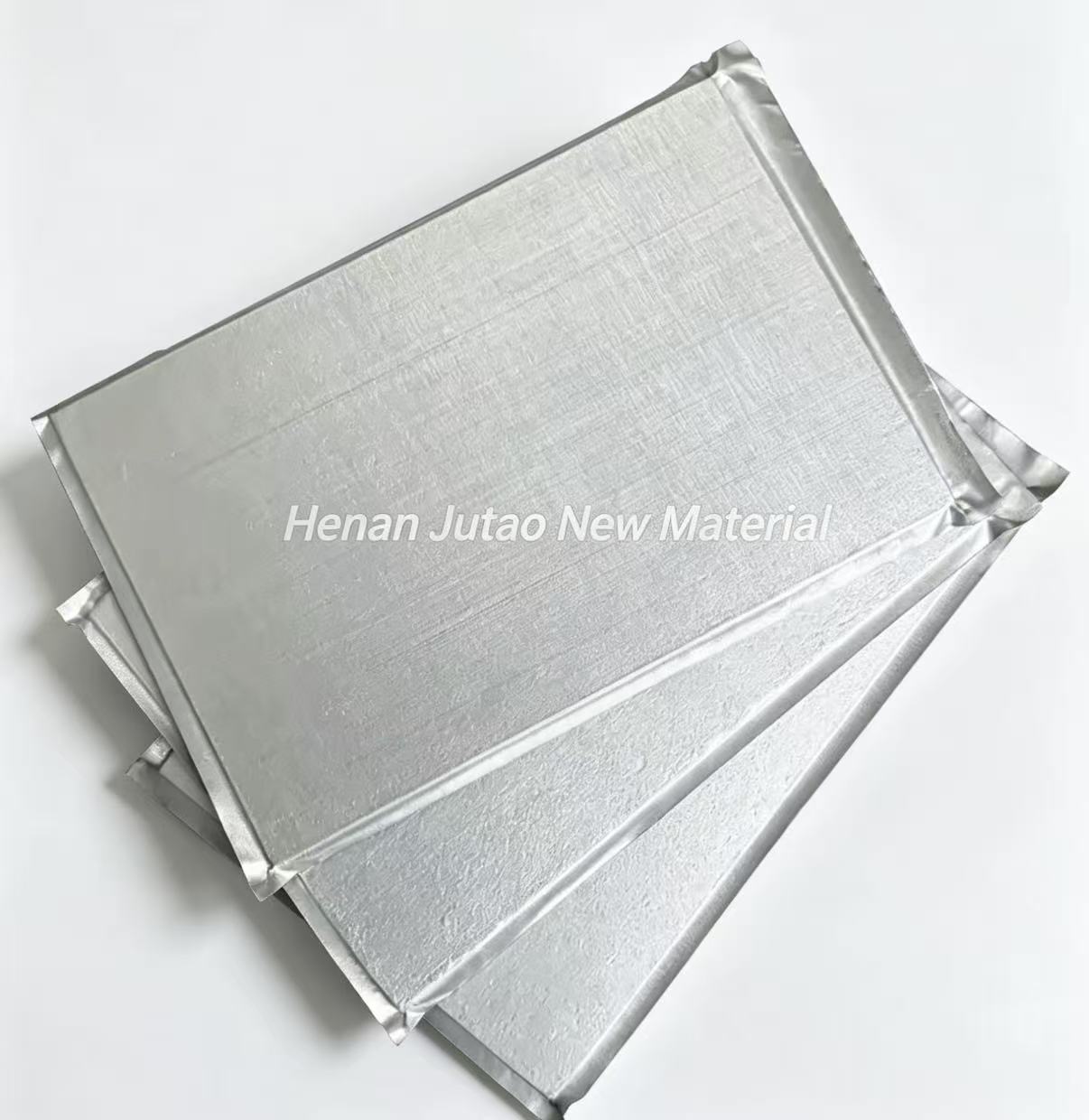
Aerogel Panels Factories STP Vacuum Insulation Panels: A Practical Guide for Engineering Procurement
As building energy-efficiency standards continue to rise, high-performance insulation materials are becoming increasingly important in construction projects. STP Vacuum Insulation Panels (VIPs) offer outstanding thermal insulation, slim profiles, and excellent space-saving advantages, making them suitable for exterior walls, roofs, and other applications where superior insulation performance is required.
When selecting insulation materials, engineering procurement teams should evaluate not only the product price but also long-term thermal performance, durability, installation compatibility, and quality assurance to maximize the value of the project.
Focus on Long-Term Thermal Performance
STP Vacuum Insulation Panels utilize advanced vacuum insulation technology to achieve significantly lower thermal conductivity than conventional insulation materials.
During procurement, it is recommended to review not only the initial thermal conductivity but also long-term performance data after aging tests. The quality of the barrier envelope and the design used to minimize edge thermal bridging are also important factors affecting insulation efficiency throughout the product’s service life.
Durability Supports Lifetime Building Performance
The long-term effectiveness of a vacuum insulation panel depends largely on its barrier envelope and vacuum retention capability.
High-quality barrier films help minimize the penetration of moisture and gases, maintaining the internal vacuum and extending product service life. For projects in humid or challenging climates, buyers are encouraged to review water vapor transmission performance, getter technology, and long-term durability testing. Compatibility with mortars, adhesives, and mechanical fixing systems should also be evaluated to help reduce the risk of installation damage.
Optimize Panel Sizes to Improve Material Utilization
Because vacuum insulation panels are generally not intended to be cut on-site, accurate panel layout planning is essential before production.
Selecting an appropriate combination of standard and customized panel sizes can significantly reduce installation waste and improve material utilization. Choosing the proper panel thickness based on both thermal requirements and handling strength can also help improve transportation efficiency and installation reliability while reducing overall project costs.
Define Quality Inspection Standards Before Procurement
Clear quality requirements help simplify project acceptance and reduce potential disputes during construction.
Procurement contracts are recommended to specify inspection items such as thermal conductivity, dimensional tolerance, compressive or puncture resistance, and long-term performance retention. Acceptance procedures, replacement policies, and quality responsibilities should also be clearly defined to support efficient project management.
Conclusion
STP Vacuum Insulation Panels provide an advanced insulation solution for modern construction projects that require high thermal efficiency without increasing wall thickness. By carefully evaluating product performance, durability, panel design, and quality standards during procurement, project owners and contractors can achieve more reliable insulation performance, improved energy efficiency, and long-term value throughout the building lifecycle.
Jutao Environmental Technology — Specialists in Aerogel Material Solutions
Stay connected with us for the latest updates, industry insights and application solutions in the aerogel sector.
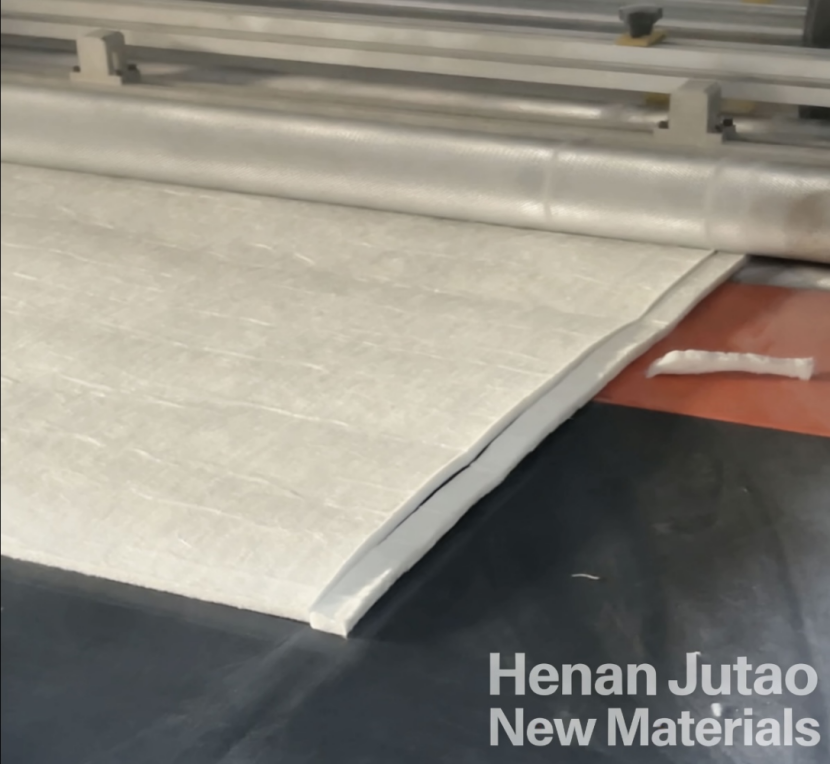
Discover the Complete Guide to Aerogel Thermal Conductivity
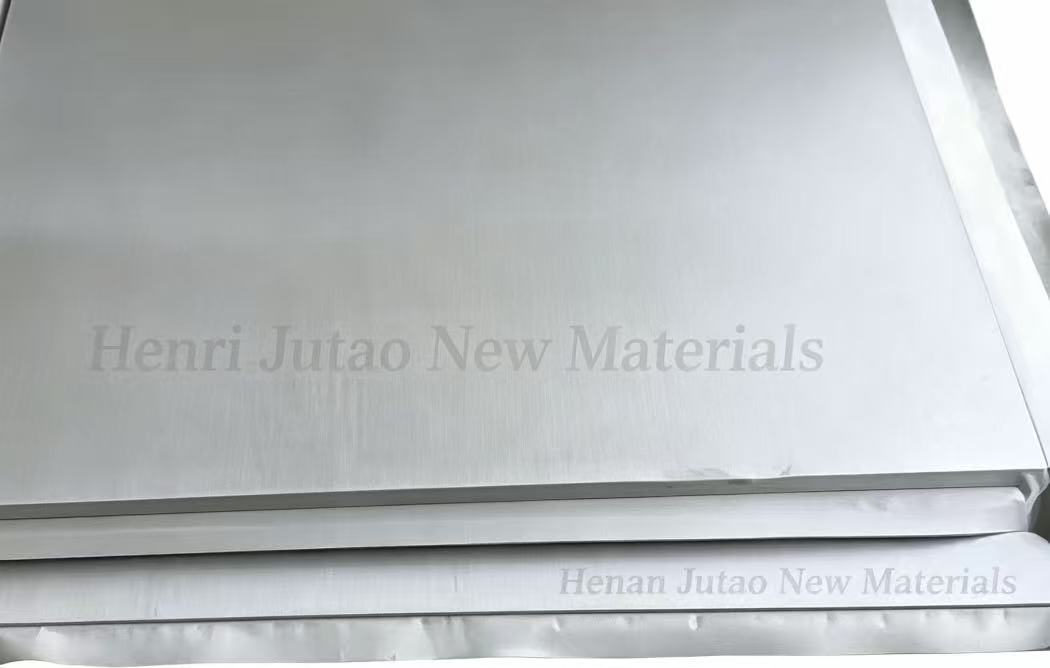
Flexible Aerogel Factories STP Fireproof Insulation Board for Fire-Safe and Energy-Efficient Buildings
STP Fireproof Insulation Boards Help Improve Building Fire Safety and Thermal Performance
As building energy-efficiency standards continue to rise worldwide, insulation materials are expected to deliver both excellent thermal performance and reliable fire resistance. Traditional organic insulation materials generally offer low thermal conductivity but often require additional fire-protection measures, while conventional inorganic insulation materials provide excellent fire resistance but usually require greater thickness to achieve the same insulation performance.
STP Fireproof Insulation Boards combine advanced Vacuum Insulation Panel (VIP) technology with inorganic core materials to provide a high-performance insulation solution suitable for modern building envelope systems.
Advanced Vacuum Insulation Technology
The thermal performance of STP insulation boards is based on vacuum insulation technology rather than combustible organic materials. Each panel consists of a microporous inorganic core sealed within a high-barrier multilayer envelope under vacuum conditions.
By minimizing gas conduction and convection inside the panel, STP boards achieve extremely low thermal conductivity, typically ≤0.008 W/(m·K), allowing excellent insulation performance with significantly reduced thickness compared with conventional insulation materials.
This ultra-thin design helps architects maximize usable interior space while meeting demanding energy-efficiency requirements.
Reliable Fire Performance
The core materials commonly used in STP boards, including fumed silica and other inorganic components, are inherently non-combustible. Combined with vacuum encapsulation and high-barrier protective films, the panels are designed to support high fire-performance requirements for building insulation systems.
Depending on product configuration and project requirements, STP insulation boards can be manufactured to comply with relevant fire-performance standards, including GB 8624 Class A and other applicable international testing standards.
This makes them suitable for projects where both thermal insulation and fire safety are important design considerations.
Benefits for Modern Buildings
Compared with conventional insulation systems, STP Fireproof Insulation Boards offer several advantages:
* Ultra-low thermal conductivity
* Reduced insulation thickness
* Increased usable indoor space
* Improved energy efficiency
* Moisture-resistant vacuum structure
* Stable long-term thermal performance under proper installation
* Suitable for new construction and building renovation
These characteristics make STP boards suitable for residential buildings, commercial properties, public facilities, hospitals, schools, and other projects requiring high-performance insulation.
Installation Recommendations
Because STP panels rely on an internal vacuum structure, correct installation is essential.
To maintain designed insulation performance:
* Do not cut, drill, or puncture the panels on-site.
* Use approved adhesive mortars and mechanical fixing systems.
* Protect panel edges during transportation and installation.
* Follow the manufacturer’s installation guidelines throughout the construction process.
Proper installation helps ensure long-term thermal performance and system reliability.
A Practical Solution for High-Performance Building Envelopes
Many modern building projects combine STP insulation boards with other non-combustible insulation materials to optimize both thermal efficiency and construction flexibility around windows, corners, and irregular wall sections.
With advanced vacuum insulation technology, excellent fire performance, and ultra-thin construction, STP Fireproof Insulation Boards provide an efficient solution for architects, contractors, and developers seeking higher energy efficiency without compromising building safety.
As sustainable construction continues to evolve, STP insulation technology offers a practical pathway toward safer, thinner, and more energy-efficient building envelopes.
Jutao Environmental Technology — Specialists in Aerogel Material Solutions
Stay connected with us for the latest updates, industry insights and application solutions in the aerogel sector.
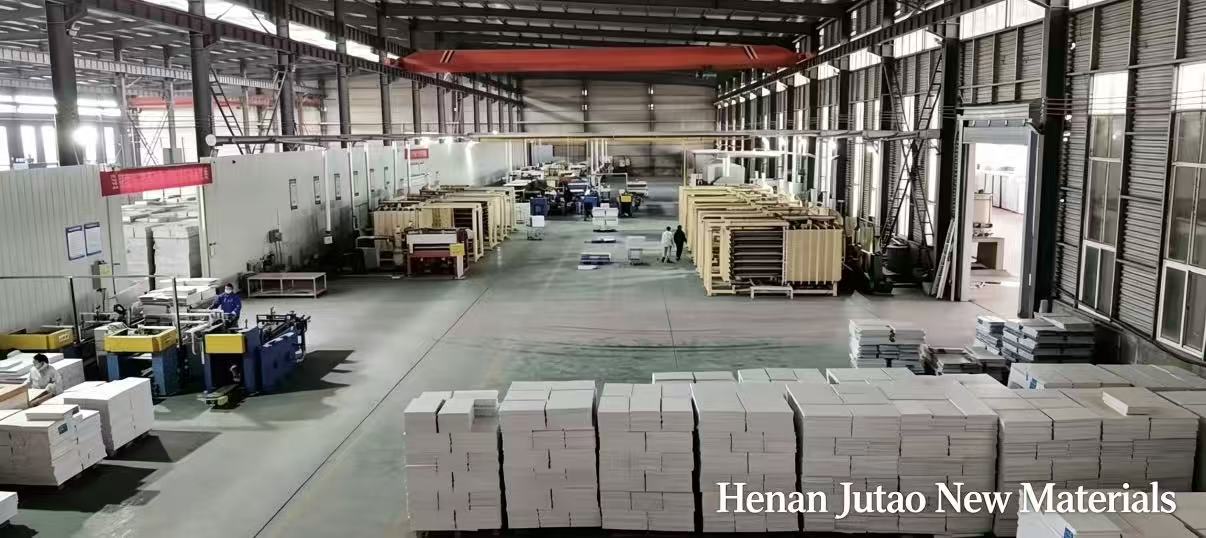
Flexible Aerogel Factories STP Ultra-Thin Vacuum Insulation Panel for Modern Building Insulation
As building energy-efficiency standards continue to rise, architects and contractors are seeking insulation materials that deliver excellent thermal performance without increasing wall thickness. STP Ultra-Thin Vacuum Insulation Panels (VIPs) provide an advanced solution by combining exceptional insulation efficiency with a slim profile, making them suitable for both new construction and building renovation projects.
Challenges of Conventional Insulation Materials
Traditional insulation materials such as EPS, XPS, mineral wool, and polyurethane foam require significant thickness to achieve modern thermal performance requirements. Thicker insulation systems reduce usable indoor space, increase façade dimensions, and may create installation challenges around windows, balconies, and structural connections.
For renovation projects, additional insulation thickness can also complicate façade upgrades and increase construction costs.
Advanced Vacuum Insulation Technology
STP Vacuum Insulation Panels utilize a microporous fumed silica core enclosed within a high-barrier multilayer film under vacuum conditions. This structure minimizes heat transfer by significantly reducing gas conduction, solid conduction, and thermal radiation.
With a thermal conductivity as low as 0.008 W/(m·K) or below, STP panels provide insulation performance several times higher than conventional insulation materials. A panel only 10 mm thick can offer insulation comparable to 50–80 mm of traditional insulation, allowing designers to achieve energy-efficiency targets while minimizing wall thickness.
Advantages for Building Applications
The ultra-thin design makes STP insulation panels particularly suitable for projects where installation space is limited.
Typical applications include:
* Exterior wall insulation systems
* Interior wall insulation
* Window reveals and door surrounds
* Balcony slabs
* Thermal bridge treatment
* Passive house construction
* Building energy retrofit projects
Because of their lightweight structure, STP panels are easier to transport and install while helping maximize usable indoor floor area.
Considerations for Installation
Like all vacuum insulation products, STP panels should be handled carefully during transportation and installation.
The vacuum-sealed barrier film is essential for maintaining long-term insulation performance. Damage caused by punctures or improper handling may reduce thermal efficiency. Therefore, appropriate protective layers, edge sealing, and installation procedures are recommended to ensure long-term durability.
For applications exposed to moisture or harsh environmental conditions, suitable waterproofing and protective systems should also be incorporated into the building design.
A Smart Choice for Energy-Efficient Buildings
Growing demand for green buildings, passive houses, and sustainable construction continues to drive the adoption of high-performance insulation materials.
STP Ultra-Thin Vacuum Insulation Panels provide architects, developers, and contractors with an effective solution for reducing building energy consumption while preserving valuable interior space. Their combination of excellent thermal performance, slim profile, and installation flexibility makes them an ideal choice for modern building insulation systems.
Jutao Environmental Technology — Specialists in Aerogel Material Solutions
Stay connected with us for the latest updates, industry insights and application solutions in the aerogel sector.
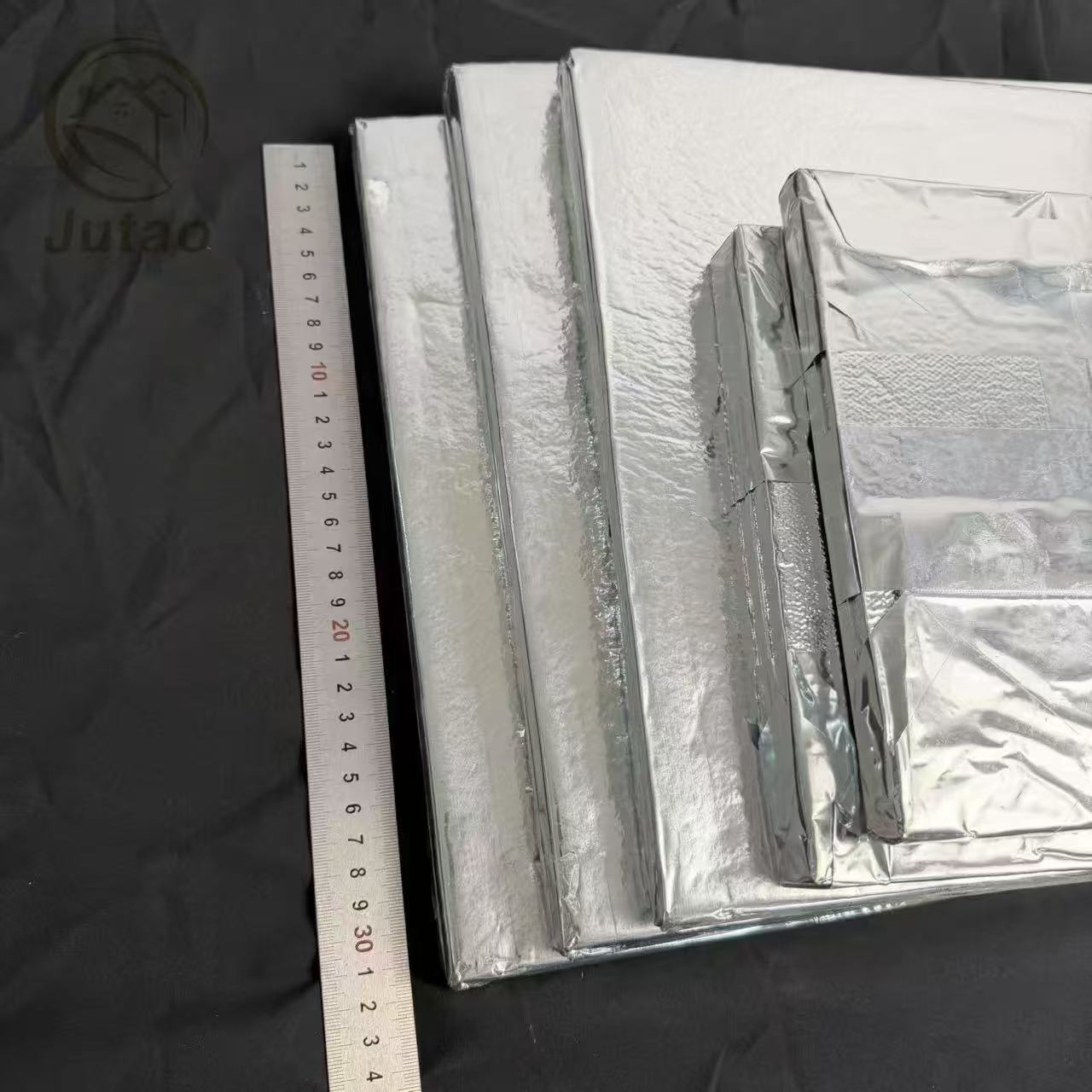
Choose Wisely: Aerogel vs VIP Panels – Complete Comparison
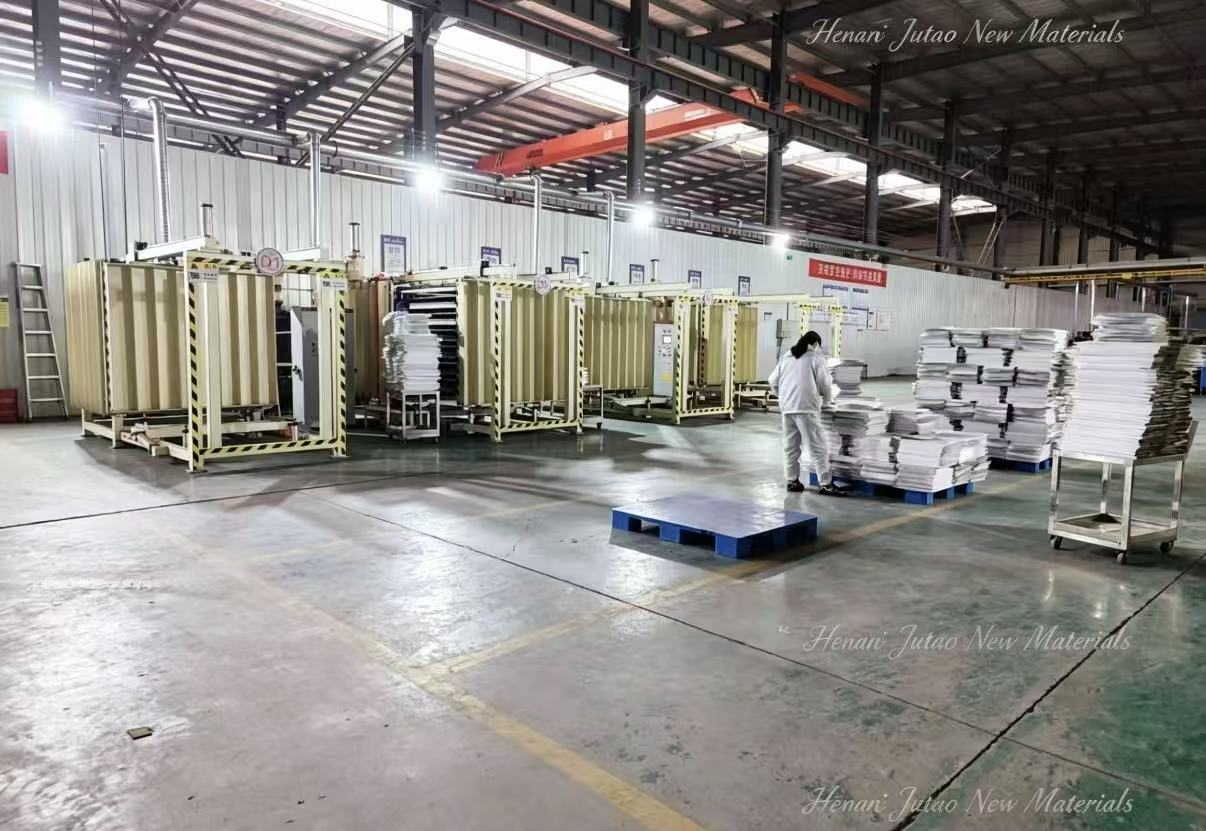
Aerogel Wall Manufacturer High-Performance Vacuum Insulation Panels for Building Envelope Systems
As global building energy-efficiency standards continue to rise, thermal insulation performance has become a critical factor in modern building envelope design. Conventional insulation materials often require increased thickness to achieve higher thermal resistance, reducing usable indoor space while creating potential thermal bridges around structural details.
Vacuum Insulation Panels (VIPs) provide an advanced solution by delivering exceptional thermal performance with minimal thickness. Their ultra-low thermal conductivity makes them an ideal choice for high-performance buildings, energy-efficient renovations, and projects where space optimization is essential.
Advanced Vacuum Insulation Technology
A Vacuum Insulation Panel consists of a nano-porous core material encapsulated within a high-barrier multilayer film and sealed under vacuum. By eliminating air inside the panel, convective heat transfer is virtually eliminated, while gas conduction is significantly reduced.
This unique structure enables VIPs to achieve an exceptionally low thermal conductivity of approximately 0.004–0.006 W/(m·K), typically 5–10 times lower than conventional insulation materials such as mineral wool, EPS, or polyurethane foam.
The result is outstanding insulation performance in an ultra-thin profile, allowing architects and engineers to meet demanding energy-efficiency requirements without increasing wall thickness.
Benefits for Building Envelope Applications
Vacuum Insulation Panels offer several advantages for modern construction projects:
* Ultra-thin insulation saves valuable interior space.
* Extremely low thermal conductivity improves overall building energy efficiency.
* Effectively minimizes thermal bridges within building envelope systems.
* Ideal for exterior walls, roofs, balconies, curtain walls, and façade renovation.
* Suitable for both new construction and building retrofit projects.
* Lightweight design simplifies transportation and installation.
These advantages make VIP technology particularly attractive for passive houses, green buildings, commercial buildings, residential developments, and renovation projects where insulation space is limited.
Installation Considerations
To ensure long-term performance, proper installation is essential.
Unlike conventional insulation boards, Vacuum Insulation Panels cannot be cut on-site because puncturing the barrier film will destroy the vacuum and reduce insulation performance. Therefore, project-specific dimensions should be determined during the design phase.
Professional installation typically includes:
* Customized panel sizing before delivery
* Accurate panel layout planning
* Specialized joint filling materials
* Careful handling to prevent damage
* Integration with complete external insulation systems
With proper planning and installation, the thermal performance of the entire insulation system can be fully maintained.
Long-Term Durability
Modern Vacuum Insulation Panels are manufactured using high-performance barrier films combined with chemically stable inorganic core materials. Advanced sealing technology helps maintain vacuum integrity over long service periods.
When incorporated into a complete exterior insulation system—including adhesive mortar, reinforcing mesh, protective render, and finishing layers—VIPs provide excellent resistance to weather exposure, thermal stress, and wind loads while delivering reliable long-term thermal performance.
The Future of Precision Building Insulation
As building design shifts from meeting minimum code requirements toward performance-based energy optimization, Vacuum Insulation Panels have become an increasingly important insulation solution.
Their ability to deliver maximum thermal resistance within minimal thickness enables architects, developers, and contractors to create buildings that are more energy-efficient, more comfortable, and more space-efficient.
For modern building envelope systems, Vacuum Insulation Panels represent an advanced insulation technology that combines superior thermal performance, space savings, and long-term durability.
Jutao Environmental Technology — Specialists in Aerogel Material Solutions
Stay connected with us for the latest updates, industry insights and application solutions in the aerogel sector.
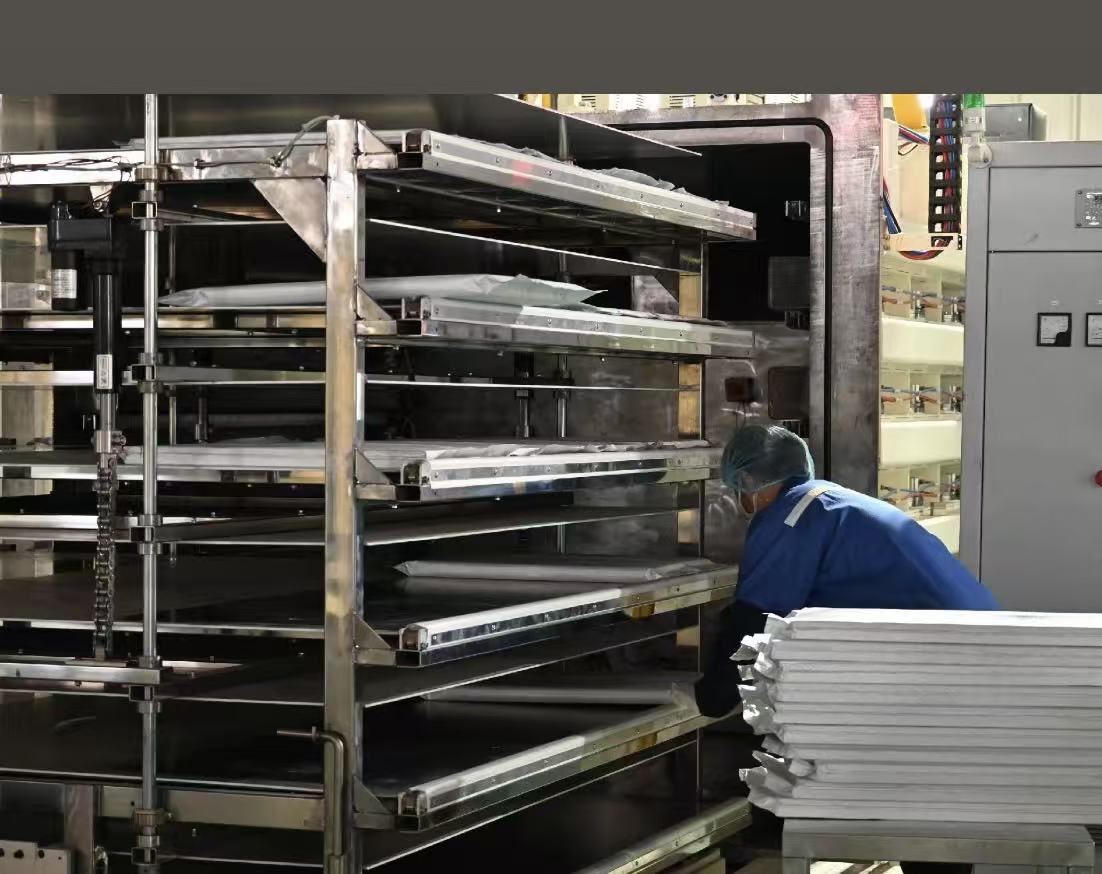
Custom China Aerogel Wall Vacuum Insulation Panels for Industrial Thermal Insulation Across Multiple Applications
Vacuum Insulation Panels (VIPs) are transforming conventional industrial insulation by delivering exceptional thermal performance in an ultra-thin profile. By eliminating gaseous heat transfer through a vacuum core combined with a highly porous core material and a high-barrier envelope, VIPs achieve an ultra-low thermal conductivity of 0.002–0.004 W/(m·K)—up to ten times lower than traditional polyurethane foam or mineral wool.
This breakthrough technology provides an effective solution for industrial applications where installation space, energy efficiency, and precise temperature control are critical.
Maximize Space Without Sacrificing Thermal Performance
Industrial facilities often face strict space constraints. Cold storage doors, storage tank heads, pipe bends, and equipment enclosures typically require thick conventional insulation to meet thermal requirements, reducing usable space while increasing structural load and installation complexity.
Vacuum insulation panels provide the same insulation performance with only one-quarter to one-third of the thickness required by traditional materials. This allows engineers to optimize equipment layouts, increase storage capacity, and simplify retrofit projects without extensive structural modifications.
Reliable Performance in Extreme Temperatures
Industrial environments frequently experience severe temperature fluctuations, including cryogenic storage systems, steam pipelines, high-temperature reactors, and process equipment.
Unlike conventional insulation materials that may absorb moisture, crack, or lose performance after repeated thermal cycling, VIPs feature a high-barrier multilayer envelope with extremely low water vapor transmission and excellent chemical stability. They maintain reliable insulation performance across temperatures ranging from -196°C to +200°C, minimizing condensation, preventing frost formation, and reducing external surface temperatures for improved operational safety.
Flexible Solutions for Complex Equipment
Modern vacuum insulation panels are available in far more than standard flat panels. Advanced manufacturing processes allow customized curved panels, stepped panels, perforated panels, and other special configurations to match tanks, pipelines, valves, flanges, and irregular equipment surfaces.
Combined with specialized adhesives or mechanical fastening systems, VIPs minimize thermal bridges while ensuring secure installation. For insulation retrofit projects, VIPs can often be installed only at critical heat-loss areas without removing the entire insulation system, reducing downtime and maintaining production continuity.
Long-Term Energy Savings
Although vacuum insulation panels generally require a higher initial investment than conventional insulation materials, their lifecycle value is significantly greater through reduced energy consumption.
For example, a cold storage facility operating at -25°C insulated with 150 mm polyurethane may consume approximately 38 kWh/m² annually, while a system using 40 mm VIP combined with a 50 mm protective layer can reduce annual energy consumption to below 12 kWh/m².
The resulting electricity savings can often offset the additional material cost within several years. With a typical service life exceeding 20 years, VIPs also minimize maintenance and replacement expenses while helping facilities reduce carbon emissions and operating costs.
Ideal Industrial Applications
Vacuum insulation panels are widely used in:
* Industrial cold storage facilities
* LNG and cryogenic storage tanks
* Steam and hot oil pipelines
* Chemical processing equipment
* Industrial furnaces and reactors
* Pharmaceutical manufacturing
* Food processing equipment
* Refrigerated transportation systems
* Energy storage equipment
* Precision temperature-controlled industrial systems
Why Choose Vacuum Insulation Panels?
Vacuum insulation panels are not intended to replace every traditional insulation material. Instead, they deliver unmatched performance in applications where installation space is limited, thermal efficiency is critical, operating temperatures are extreme, or energy consumption must be minimized.
By adopting VIP technology, manufacturers benefit from:
* Ultra-low thermal conductivity
* Significant space savings
* Excellent thermal stability
* Reduced thermal bridges
* Lower operating energy costs
* Long service life
* Improved process efficiency
* Sustainable energy performance
As industrial energy efficiency standards continue to rise, Vacuum Insulation Panels are becoming the preferred insulation solution for high-performance thermal management across a wide range of industrial applications.
Jutao Environmental Technology — Specialists in Aerogel Material Solutions
Stay connected with us for the latest updates, industry insights and application solutions in the aerogel sector.