



News









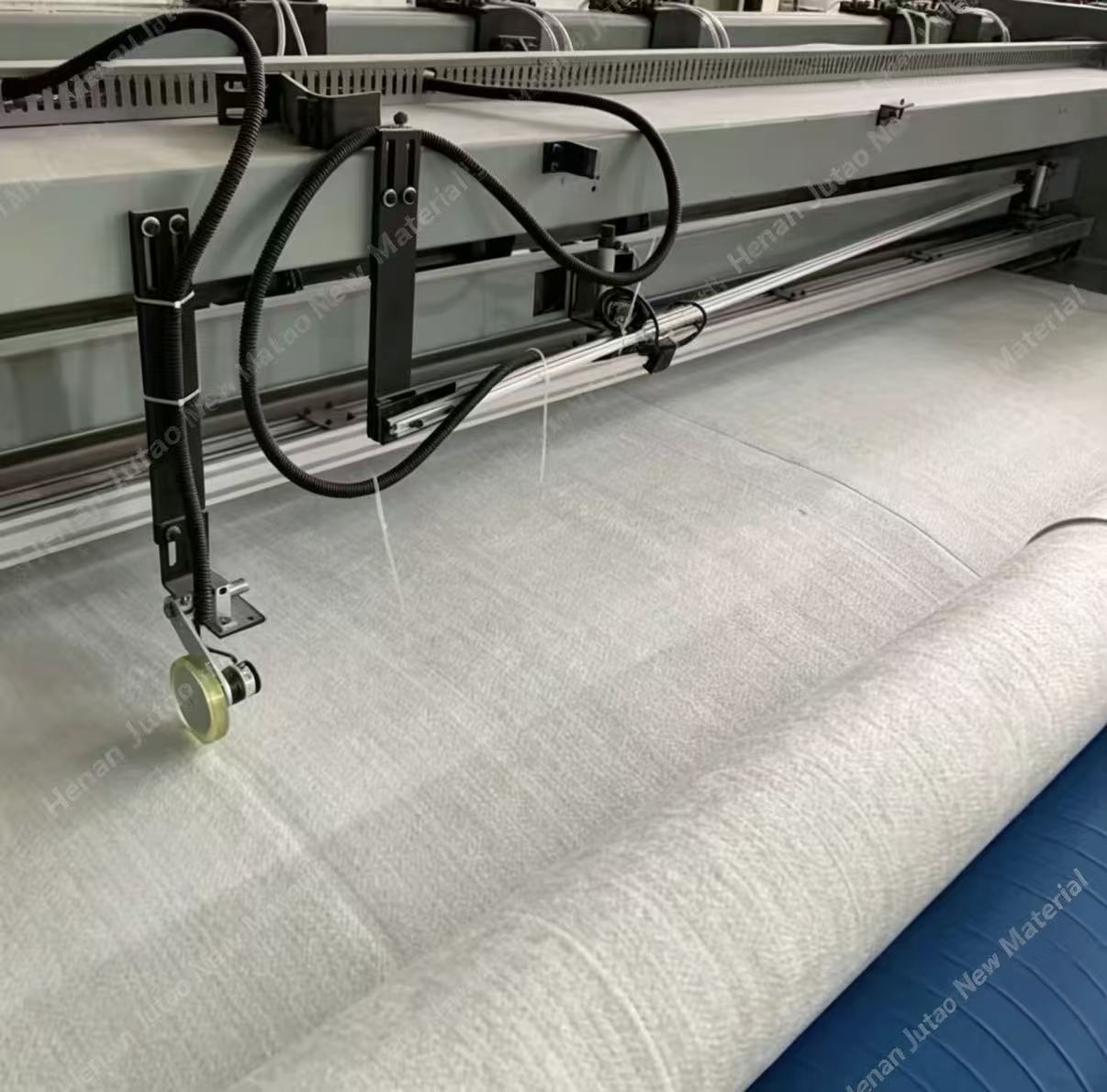
Flexible Aerogel Factories Why Are Aerogel Insulation Pads Suitable for High-Temperature Pipelines?
In industries such as petrochemicals, power generation, metallurgy, and energy, high-temperature pipelines are responsible for transporting steam, hot oil, high-temperature gases, and other process media. During long-term operation, these pipelines can experience significant heat loss, excessive surface temperatures, thermal stress, vibration, and degradation of conventional insulation materials.
Choosing an insulation material that combines high thermal insulation performance with excellent adaptability to demanding operating conditions is therefore essential for improving energy efficiency and operational safety.
Aerogel insulation pads are made with highly porous aerogel materials and can be reinforced with substrates such as fiberglass or ceramic fiber. With low thermal conductivity, high-temperature resistance, lightweight construction, and good flexibility, aerogel insulation pads provide an efficient solution for a wide range of high-temperature pipeline applications.
- High Thermal Insulation Efficiency for Reduced Heat Loss
Aerogel has a unique nanoporous structure that effectively limits heat transfer through both the solid framework and gas phase. As a result, aerogel-based insulation materials can achieve very low thermal conductivity, with typical values around 0.018–0.025 W/(m·K), depending on the material composition and testing conditions.
For steam pipelines, hot-oil pipelines, and high-temperature gas pipelines, efficient thermal insulation helps reduce heat loss to the surrounding environment and lower energy consumption.
At the same time, reducing the outer surface temperature of pipelines can help minimize the risk of accidental contact burns and improve workplace safety.
For industrial pipeline systems operating continuously over long periods, improved thermal insulation can also contribute to lower operating costs.
- Excellent Thermal Stability for Demanding Industrial Conditions
High-temperature pipelines often operate under elevated temperatures and may experience repeated start-ups, shutdowns, temperature fluctuations, and localized thermal shocks.
Inorganic aerogels such as silica aerogel offer good thermal stability. With appropriate formulations and composite structures, aerogel insulation materials can be used in a wide range of high-temperature insulation applications.
For applications involving even higher operating temperatures, specialized high-temperature aerogel systems and reinforcement materials can be selected according to the actual working conditions.
Compared with conventional insulation materials that may shrink, crack, or lose performance under prolonged exposure to heat, properly designed aerogel composite insulation can maintain relatively stable thermal insulation performance and help reduce maintenance requirements.
- Flexible Structure for Thermal Expansion and Vibration
Industrial pipelines are exposed to thermal expansion and contraction, fluid movement, mechanical vibration, and other forms of physical stress during operation.
Aerogel insulation pads are commonly manufactured by combining aerogel with flexible fiber substrates. Compared with rigid insulation materials, this structure provides better flexibility and surface conformity.
The pads can adapt more effectively to minor changes in pipeline geometry and movement, helping reduce gaps and localized thermal bridges caused by cracking or poor contact.
This flexibility makes aerogel insulation pads particularly suitable for flanges, pipeline joints, elbows, and other complex high-temperature areas.
- Lightweight Design for Reduced Structural Load
Aerogel materials have a relatively low density. Therefore, when designed to provide the required thermal resistance, aerogel insulation systems can often be thinner and lighter than conventional insulation structures.
For long-distance steam pipelines, elevated pipelines, and large industrial equipment, lightweight insulation can reduce the additional load placed on supporting structures.
It can also simplify transportation, installation, and maintenance.
In industrial environments where installation space is limited, the thin profile of aerogel insulation can provide an additional advantage by allowing more compact equipment and pipeline designs.
- Good Thermal Shock Resistance for Temperature Fluctuations
Some industrial pipelines undergo frequent start-up, shutdown, and process changes. Under these conditions, insulation materials are repeatedly exposed to thermal stress caused by rapid temperature variations.
The nanoporous structure of aerogel, combined with flexible reinforcement materials, can help accommodate thermal stress and reduce the risk of cracking or detachment caused by thermal shock.
This makes aerogel insulation materials suitable for applications such as metallurgical flue-gas pipelines, industrial furnace piping, and high-temperature gas transportation systems where significant temperature fluctuations may occur.
- Inorganic Material System for Safety and Environmental Requirements
High-temperature industrial insulation applications often require materials with good fire resistance, thermal stability, and long-term reliability.
Inorganic insulation materials based on silica aerogel offer characteristics such as non-combustibility, low smoke generation, and good thermal stability. When properly designed and applied, they can meet the insulation and safety requirements of various industrial applications.
In addition, the flexible composite structure of aerogel insulation pads can help provide a cleaner and more reliable insulation solution compared with loose or bulky conventional insulation materials.
Typical Applications of Aerogel Insulation Pads
With their low thermal conductivity, high-temperature resistance, lightweight design, and flexible structure, aerogel insulation pads can be used in a wide range of high-temperature pipelines and industrial equipment, including:
* Petrochemical Industry: Steam pipelines, hot-oil pipelines, process pipelines, and connections around high-temperature reactors.
* Power Generation: Boiler pipelines, steam transportation systems, and thermal equipment connections.
* Metallurgy: High-temperature flue-gas pipelines, hot-air pipelines, and piping around industrial furnaces.
* Energy Industry: High-temperature media transportation pipelines and thermal management equipment.
* Industrial Equipment: Flanges, valves, pipeline joints, elbows, and other areas requiring localized high-performance thermal insulation.
Why Choose Aerogel Insulation Pads for High-Temperature Pipelines?
For high-temperature pipelines, insulation materials need to provide more than low thermal conductivity. They must also offer thermal stability, structural adaptability, lightweight construction, installation convenience, and long-term reliability.
Aerogel insulation pads combine the excellent thermal insulation properties of a nanoporous aerogel structure with the flexibility of a composite design. This allows them to provide reliable thermal resistance in applications where insulation space may be limited.
For industrial customers looking to reduce heat loss, control pipeline surface temperatures, improve energy efficiency, and optimize insulation structures, aerogel insulation pads offer a high-performance thermal insulation solution.
As industries continue to focus on energy efficiency, thermal management, and operational safety, aerogel-based insulation materials are expected to play an increasingly important role in high-temperature pipelines, industrial equipment, and thermal energy systems.
Jutao Environmental Technology — Specialists in Aerogel Material Solutions
Stay connected with us for the latest updates, industry insights and application solutions in the aerogel sector.
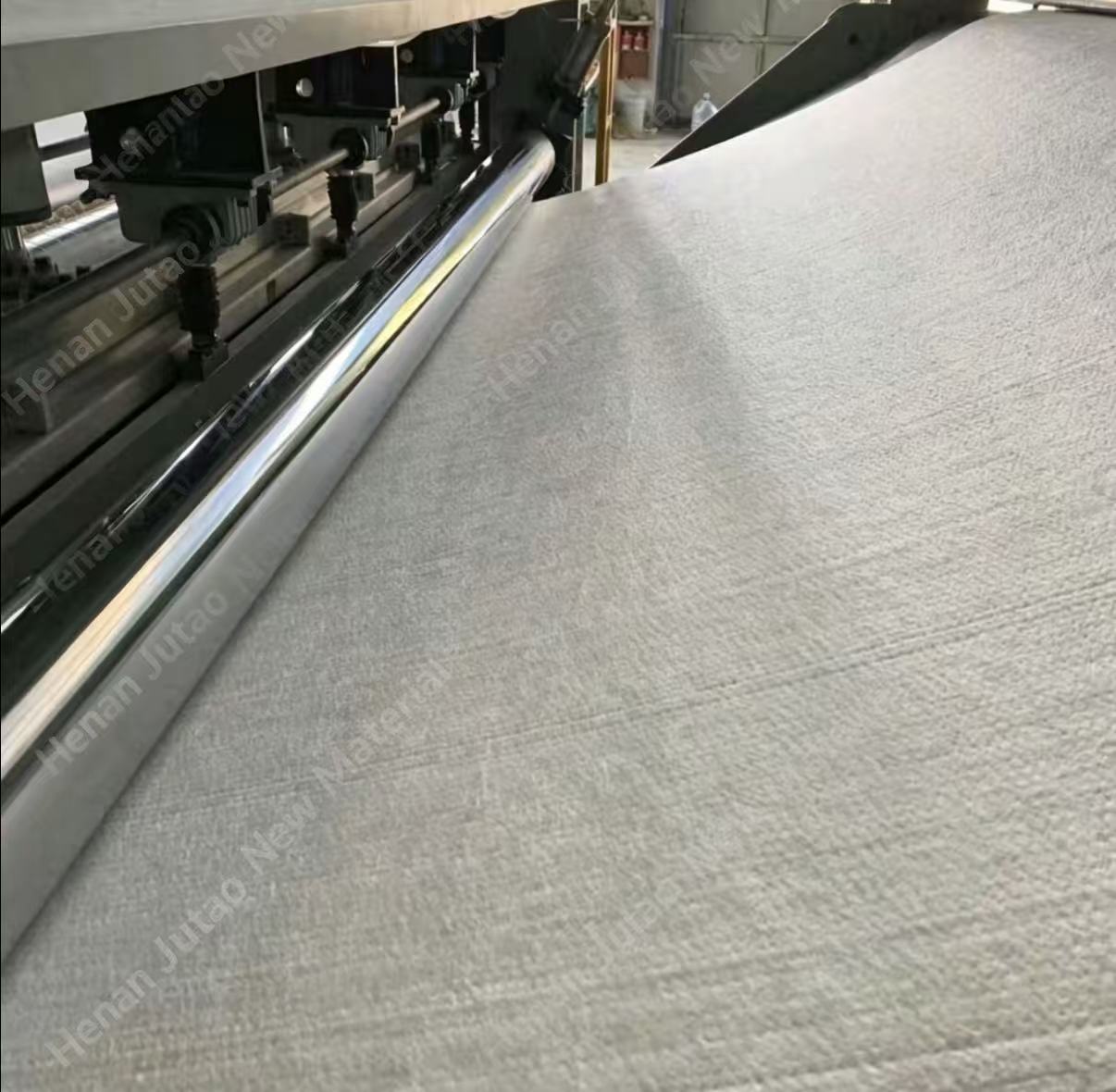
Custom China Aerogel Panels Why Are Aerogel Insulation Pads Becoming a Preferred Choice for Energy Efficiency?
In industrial manufacturing, construction, energy, electronics, and new energy applications, reducing heat loss and improving energy efficiency have become increasingly important. Although traditional insulation materials are widely used, they may have limitations in terms of thickness, weight, thermal performance, and adaptability to demanding operating environments.
Aerogel insulation pads convert the outstanding thermal insulation properties of aerogel materials into a practical, flexible, and easy-to-install insulation solution. With low thermal conductivity, lightweight construction, wide temperature adaptability, and good long-term stability, aerogel insulation pads are becoming an increasingly attractive option for high-performance thermal management.
- Ultra-Low Thermal Conductivity for Reduced Heat Loss
Aerogel features a highly developed nanoporous structure. Its nanoscale pores restrict gas molecule movement and create longer, more complex heat-transfer paths through the solid framework. As a result, both gaseous and solid heat transfer can be significantly reduced.
High-performance aerogel insulation materials can typically achieve thermal conductivity values of approximately 0.012–0.020 W/(m·K), depending on the aerogel formulation, reinforcement structure, density, and testing conditions.
Compared with conventional insulation materials such as glass wool and rock wool, aerogel can provide high thermal resistance with a relatively thin insulation layer. This makes aerogel insulation pads particularly suitable for applications where installation space is limited.
For high-temperature pipelines, industrial equipment, and thermal management systems, reducing heat loss can help lower energy consumption while maintaining more stable operating temperatures.
- Thin and Lightweight Design for Easier Installation
In addition to excellent thermal insulation performance, aerogel insulation pads offer significant advantages in terms of weight and thickness.
Traditional insulation systems may require relatively thick layers to achieve the desired thermal resistance. Aerogel materials, however, can provide high insulation efficiency within a much thinner profile.
This makes aerogel insulation pads suitable for equipment with limited installation space, compact piping systems, and applications where weight reduction is important.
Their lightweight design can also reduce the burden associated with transportation, handling, and installation. This advantage is especially valuable in large industrial systems, complex piping networks, and new energy applications.
- Wide Temperature Adaptability for Demanding Applications
Different industries have different temperature requirements. Insulation systems may need to operate in low-temperature cold-chain applications, liquefied gas storage, or high-temperature pipelines, furnaces, and thermal management systems.
Aerogel materials offer excellent temperature adaptability, and different formulations and reinforcement structures can be developed for specific operating conditions.
Aerogel insulation pads can be used in applications such as:
* High-temperature pipelines and industrial equipment
* Oil, gas, and energy facilities
* HVAC and thermal management systems
* Cold-chain transportation and low-temperature equipment
* New energy vehicle battery thermal management
* Electronic equipment thermal isolation
* Aerospace and other high-temperature insulation applications
The actual operating temperature range depends on the specific aerogel formulation, reinforcement material, surface treatment, and product construction. Product specifications should therefore be selected according to the actual application conditions.
- Long-Term Stability for Lower Maintenance Requirements
Energy efficiency is not only about reducing energy consumption during operation. It also involves reducing maintenance, replacement, and downtime costs throughout the service life of a system.
Properly engineered aerogel insulation pads offer good chemical stability and durability and can maintain their thermal insulation performance over extended periods under suitable operating conditions.
Compared with some traditional insulation materials that may be affected by moisture, compression, or aging, aerogel-based products can provide a more stable solution for long-term thermal management.
For continuously operating industrial equipment, stable insulation performance can help minimize additional heat loss caused by insulation degradation while reducing the need for frequent maintenance or replacement.
- How Can Aerogel Insulation Pads Improve Energy Efficiency?
The energy-saving value of aerogel insulation pads can mainly be reflected in three areas:
Reducing heat transfer:
Low thermal conductivity helps minimize heat loss from equipment surfaces and thermal systems.
Reducing insulation thickness:
High thermal resistance allows effective insulation to be achieved within a relatively thin layer, which is particularly valuable where installation space is limited.
Improving thermal stability:
Aerogel insulation helps equipment maintain the desired operating temperature, potentially reducing unnecessary heating or cooling energy consumption.
For industrial systems operating continuously, the proper use of aerogel insulation pads can therefore improve thermal efficiency while creating long-term operational and economic benefits.
- A High-Performance Insulation Solution for Industrial Energy Efficiency
As global energy costs and energy-efficiency requirements continue to increase, high-performance insulation materials are becoming more important across industrial applications.
Aerogel insulation pads are not simply a replacement for conventional insulation materials. Instead, they provide an alternative solution for applications requiring high insulation efficiency, limited installation space, lightweight construction, and performance under demanding temperature conditions.
For companies looking to reduce heat loss, optimize equipment temperature control, or improve energy utilization, selecting the right aerogel insulation pad according to actual operating conditions can provide comprehensive benefits in equipment design, operational efficiency, and long-term maintenance.
As aerogel technology and manufacturing processes continue to advance, the application potential of aerogel insulation pads is expected to expand further across industrial energy efficiency, energy equipment, new energy, construction, and electronic thermal management.
Conclusion
With low thermal conductivity, lightweight and thin construction, wide temperature adaptability, and good long-term stability, aerogel insulation pads are becoming an important material for high-efficiency thermal insulation and energy-saving applications.
For international industrial customers and engineering projects, selecting the appropriate aerogel insulation solution based on operating temperature, available space, pressure, fire resistance, mechanical strength, and other application requirements is essential for achieving efficient thermal management and long-term energy savings.
Jutao Environmental Technology — Specialists in Aerogel Material Solutions
Stay connected with us for the latest updates, industry insights and application solutions in the aerogel sector.
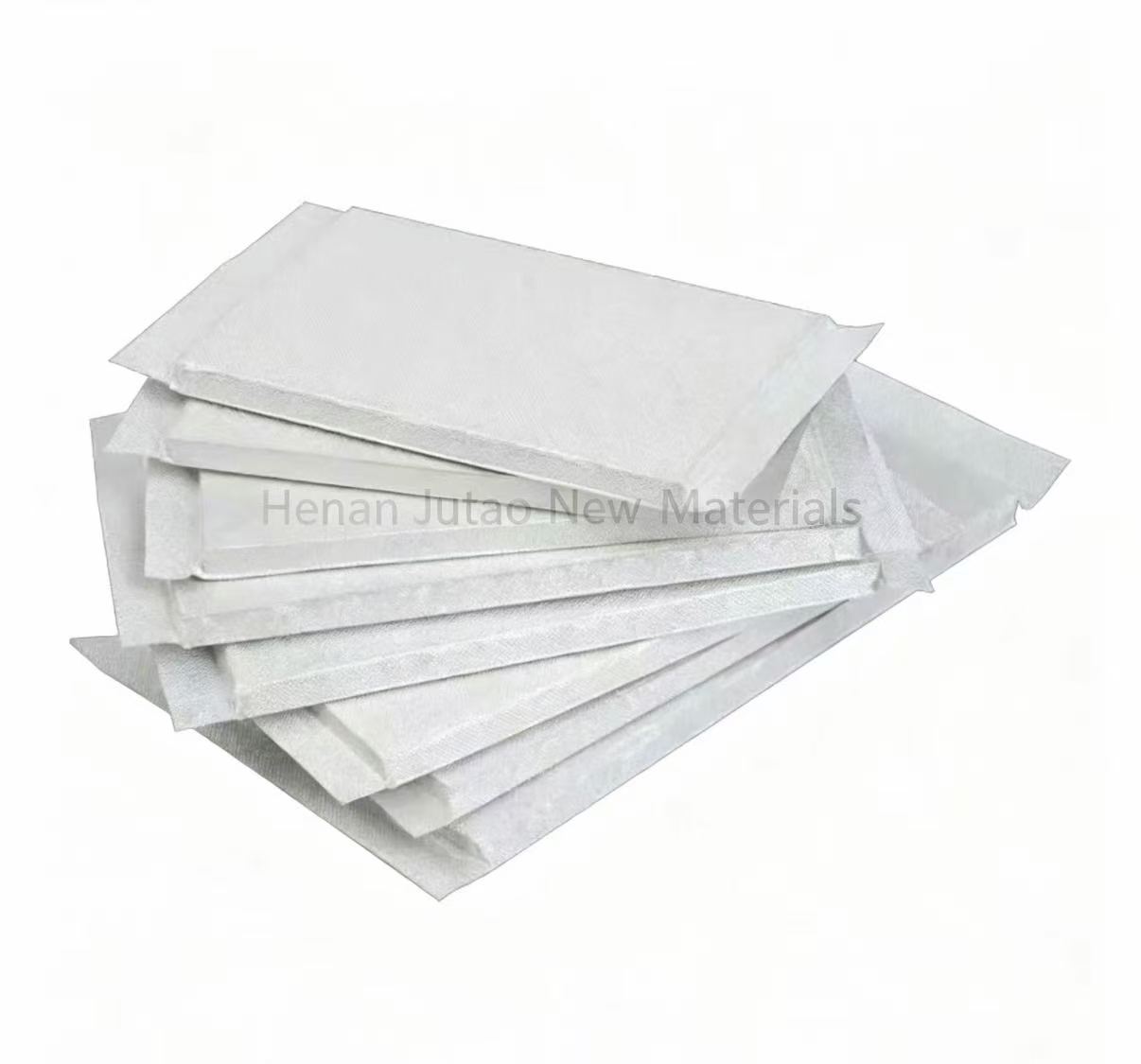
Aerogel Blanket vs Traditional Insulation: Which Performs Better in Industrial Applications
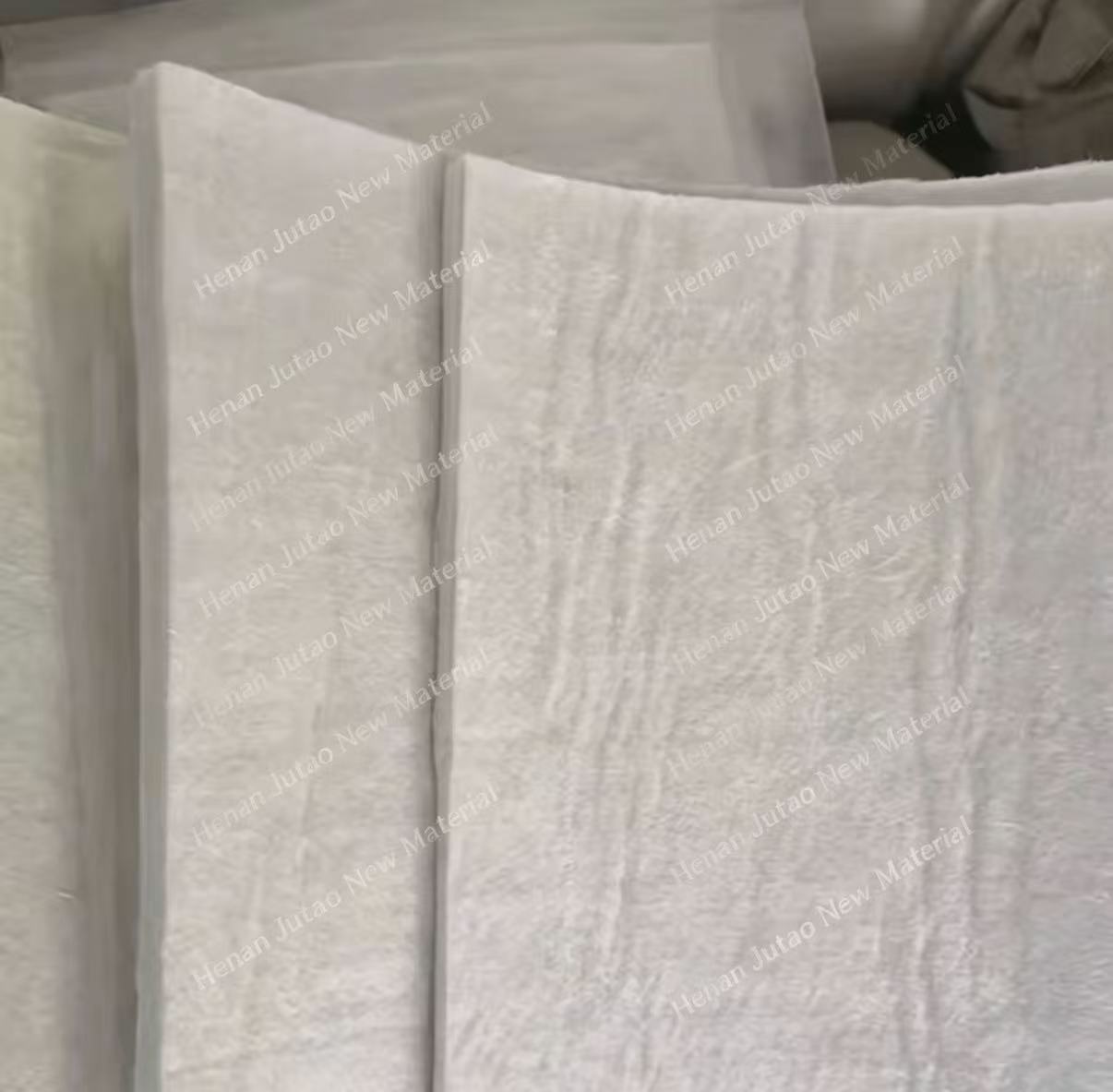
Custom China Aerogel Wall The Role of Aerogel Insulation Gaskets in High-Temperature Environments
In industrial manufacturing, energy, automotive, electronics, and aerospace applications, equipment is often required to operate continuously under high-temperature or demanding thermal conditions. Excessive heat can result in energy loss and may also cause overheating of surrounding structures, electronic components, and sealing parts, affecting equipment efficiency, safety, and service life.
Aerogel insulation gaskets are high-performance thermal insulation components based on nanoporous aerogel materials. With their low thermal conductivity, lightweight structure, and excellent thermal insulation performance, they can provide effective thermal protection in areas where conventional insulation materials may be too thick or difficult to install.
- Efficient Thermal Insulation and Reduced Heat Loss
During the operation of high-temperature equipment, heat can be transferred through conduction, gas-phase heat transfer, and thermal radiation. The highly porous structure of aerogel materials helps reduce heat transfer and limits the spread of thermal energy from high-temperature areas to surrounding components.
Aerogel insulation gaskets can be used as localized insulation layers around industrial furnaces, high-temperature pipes, engines, equipment housings, and other heat-generating components. By reducing heat transfer in critical areas, they can help improve thermal management and energy efficiency.
This advantage is particularly valuable in applications where installation space is limited and conventional insulation materials are difficult to accommodate.
- Protection of Temperature-Sensitive Components
High temperatures can affect not only the heat source itself but also nearby cables, sensors, electronic modules, plastic components, and other temperature-sensitive parts.
Aerogel insulation gaskets can create a thermal barrier between a heat source and adjacent components, helping reduce heat transfer and control local temperatures.
For example, in electric vehicles, battery systems, automotive exhaust systems, and electronic equipment, aerogel-based insulation materials can be used between high-temperature components and surrounding parts to reduce thermal exposure to wiring, electronic components, and structural materials.
- Improved Thermal Management and Reduced Temperature Gradients
During equipment start-up, shutdown, or repeated heating and cooling cycles, rapid temperature changes can create significant temperature gradients. These gradients may contribute to thermal stress, deformation, or reduced performance at joints and connections.
By slowing localized heat transfer, aerogel insulation gaskets can help improve temperature distribution around heat sources and critical connection areas.
They can be applied around flanges, interfaces, contact surfaces, and other areas requiring localized thermal protection, making them a useful component of thermal management systems for high-temperature equipment.
- Lightweight Design and Space Saving
Aerogel materials combine low density with high thermal insulation efficiency. Compared with conventional insulation materials, they can achieve effective thermal protection with a relatively thin and lightweight structure.
This is particularly important for automotive, new energy, aerospace, and other weight-sensitive applications.
In compact equipment, traditional materials such as mineral wool or ceramic fiber insulation may require considerable thickness to achieve the required insulation performance. Aerogel insulation gaskets can provide efficient insulation in a more compact form, helping optimize available space and reduce additional weight.
- Suitable for a Wide Range of High-Temperature Applications
Depending on the aerogel type, reinforcement material, composite structure, thickness, and other design parameters, aerogel insulation gaskets can be engineered for different operating conditions.
Typical applications include:
* Industrial furnaces and kilns
* High-temperature pipes and valves
* Automotive exhaust systems
* Thermal protection for EV battery systems
* Oil and gas equipment
* Chemical processing equipment
* Power generation equipment
* Aerospace systems
* High-temperature electronic equipment
For applications involving high temperatures, limited installation space, weight restrictions, or localized thermal protection requirements, aerogel insulation gaskets offer a flexible insulation solution.
- Select the Right Aerogel Insulation Gasket for the Application
The actual performance of an aerogel insulation gasket depends on various factors, including aerogel composition, reinforcement material, structural design, thickness, density, operating temperature, and installation conditions.
Therefore, product selection should not be based solely on thermal conductivity. Other factors such as continuous operating temperature, compression performance, dimensional stability, flame resistance, chemical resistance, and installation requirements should also be considered.
For high-temperature industrial applications, it is recommended to select the insulation gasket according to the actual operating temperature, heat source location, required insulation thickness, available installation space, and other application requirements. Relevant test data should also be evaluated to verify suitability for the intended operating conditions.
Conclusion
With efficient thermal insulation, lightweight construction, and flexible design options, aerogel insulation gaskets offer significant potential for high-temperature thermal management and localized thermal protection.
They can help reduce localized heat transfer, protect temperature-sensitive components, improve thermal management, and meet the demand for thin, lightweight, and high-performance insulation solutions across automotive, new energy, industrial manufacturing, energy, and aerospace applications.
As aerogel materials and composite manufacturing technologies continue to advance, aerogel insulation gaskets are expected to find broader applications in high-temperature equipment, thermal management systems, and industrial thermal protection.
Jutao Environmental Technology — Specialists in Aerogel Material Solutions
Stay connected with us for the latest updates, industry insights and application solutions in the aerogel sector.
What Is Fumed Silica Core in VIP Panels?
Custom China Facade Systems The Role of Aerogel Insulation Pads in Energy-Efficient Buildings
As global demand for energy-efficient and sustainable buildings continues to grow, improving the thermal performance of building envelopes has become an important part of reducing building energy consumption. Traditional insulation materials can have limitations in terms of thickness, weight, flexibility, and adaptability to complex structures.
Aerogel insulation pads provide an advanced solution for localized thermal insulation. With their low thermal conductivity, lightweight structure, flexibility, and excellent thermal resistance, they can help improve the thermal performance of critical areas in modern buildings.
- High-Performance Thermal Insulation
Aerogel features a highly porous nanoscale structure that effectively limits heat transfer through conduction, convection, and radiation. As a result, aerogel-based insulation products can provide excellent thermal insulation performance with relatively low thickness.
In energy-efficient buildings, aerogel insulation pads can be used around wall joints, roof structures, window and door frames, curtain wall connections, and other areas where localized thermal insulation is required.
By reducing heat transfer through these vulnerable areas, aerogel insulation pads can help minimize energy loss associated with heating in winter and cooling in summer.
- Reducing Thermal Bridging
Thermal bridges are common sources of localized heat loss in building envelopes. They can occur around wall corners, window frames, metal components, pipe penetrations, and connections between different building materials.
Rigid insulation materials can be difficult to install around irregular structures and complex joints. Aerogel insulation pads, on the other hand, can be cut and shaped according to specific installation requirements, allowing them to fit around corners, gaps, joints, and irregular surfaces.
By providing targeted insulation at thermal bridge locations, aerogel pads can reduce localized heat transfer and improve the overall thermal performance of the building envelope.
- Thin Profile for Space-Saving Applications
For high-rise buildings, renovation projects, and space-constrained applications, insulation thickness can be an important design consideration.
Due to the high insulation efficiency of aerogel materials, aerogel insulation pads can help achieve the required thermal performance with a relatively thin insulation layer. This makes them particularly suitable for areas where available installation space is limited, such as window frames, curtain wall systems, wall joints, equipment interfaces, and other structural connections.
Their lightweight characteristics can also help reduce additional structural loads, providing greater flexibility for lightweight construction and energy-efficient building renovation.
- Versatile Applications in Building Insulation
Aerogel insulation pads combine flexibility, lightweight construction, and good processability, making them suitable for a wide range of building applications.
Typical applications include:
* Wall joints and external wall insulation
* Roof and floor insulation
* Window and door frame insulation
* Curtain wall thermal bridge treatment
* Insulation around metal building components
* Pipe penetrations and equipment interfaces
* HVAC and building equipment insulation
* Energy-efficiency upgrades for existing buildings
By applying insulation solutions according to the thermal requirements of different areas, building designers and contractors can achieve more targeted and efficient thermal management.
- Durability and Reduced Maintenance Requirements
High-quality aerogel insulation materials generally offer good resistance to heat, aging, and moisture, allowing them to perform reliably under a variety of building conditions.
Compared with conventional insulation materials, aerogel insulation pads can provide advantages in applications where thermal resistance, limited installation space, or long-term stability are important considerations.
With appropriate material selection, structural design, and installation, aerogel insulation systems can help reduce maintenance and replacement requirements over the service life of a building.
Actual service life and performance depend on factors such as aerogel type, composite structure, installation environment, and product quality.
- Supporting Green and Low-Energy Buildings
Reducing building energy consumption is an important part of developing green and low-carbon buildings. Aerogel insulation pads can serve as supplementary insulation materials within building envelope systems, helping improve insulation performance at critical points, reduce thermal bridging, and minimize localized heat loss.
They are particularly suitable for passive or ultra-low-energy buildings, green building projects, and energy-efficiency renovation projects where different insulation materials can be combined according to the thermal requirements of specific areas.
Conclusion
Aerogel insulation pads are not simply replacements for conventional building insulation materials. Instead, they provide a high-performance solution for complex building joints and localized areas where enhanced thermal insulation is required.
With their low thermal conductivity, thin profile, lightweight structure, flexibility, and good processability, aerogel insulation pads can help address thermal bridging and localized heat loss in modern buildings.
As the global market for green buildings, energy-efficient construction, and building renovation continues to expand, aerogel insulation pads are expected to find broader applications in building envelopes, windows, curtain walls, building equipment, and complex structural connections.
Jutao Environmental Technology — Specialists in Aerogel Material Solutions
Stay connected with us for the latest updates, industry insights and application solutions in the aerogel sector.
Custom China Facade Systems The Role of Aerogel Insulation Pads in Energy-Efficient Buildings
As global requirements for building energy efficiency continue to increase, high-performance insulation materials are becoming an important part of green and low-energy building design. Traditional insulation materials remain widely used, but they may have limitations when thin insulation, complex structural integration, and localized thermal bridge control are required.
Aerogel insulation pads offer a flexible solution for these challenges. With their nanoporous structure, low thermal conductivity, lightweight design, and good flexibility, aerogel-based insulation materials can provide effective thermal management in demanding building applications.
- High-Performance Insulation for Reduced Heat Loss
Aerogel features a highly porous nanoscale structure that effectively limits heat transfer through solid conduction, gas conduction, and thermal radiation. When reinforced or combined with fibers, aerogel can be manufactured into flexible insulation pads that are easy to process and install.
In energy-efficient buildings, aerogel insulation pads can be used around wall joints, roof structures, window and door systems, equipment interfaces, and other areas requiring additional thermal protection.
Their thin profile makes them particularly suitable for applications where installation space is limited. By reducing unwanted heat transfer, aerogel insulation can help lower heating demand in cold weather and reduce heat gain during hot weather, contributing to improved building energy efficiency.
- Reducing Thermal Bridges in Building Structures
Thermal bridges are one of the important factors affecting the thermal performance of building envelopes. Corners, window frames, metal components, pipe penetrations, and structural connections can create localized paths for heat transfer due to differences in material conductivity or construction design.
Aerogel insulation pads are flexible, easy to cut, and adaptable to different shapes. They can be customized to cover or fill localized thermal bridge areas and are particularly suitable for narrow spaces, irregular structures, and building details that are difficult to insulate with conventional rigid materials.
By improving insulation at these critical points, aerogel pads can contribute to more consistent thermal performance across the building envelope.
- Thin-Profile Design for Space-Saving Applications
Modern building design increasingly requires high thermal performance without significantly increasing wall or envelope thickness.
Because of its low thermal conductivity, aerogel insulation can achieve high thermal resistance within a relatively thin material layer. This makes aerogel insulation pads especially useful around windows, curtain walls, wall joints, equipment interfaces, and other space-constrained areas.
Their lightweight structure can also help minimize additional loads on building components, making them suitable for high-performance and lightweight construction systems.
- Suitable for a Wide Range of Building Applications
High-quality aerogel insulation materials can offer excellent resistance to temperature, moisture, aging, and various environmental conditions, depending on the formulation and composite structure.
In the building sector, aerogel insulation pads can be used not only for walls and roofs, but also for window and door systems, curtain wall connections, HVAC equipment interfaces, pipe penetrations, and localized insulation around building equipment.
This versatility makes aerogel a valuable material for targeted thermal management in both new construction and energy-efficiency renovation projects.
- Supporting Green and Low-Energy Building Development
One of the main goals of building energy efficiency is to maintain indoor thermal comfort while reducing energy consumption for heating, cooling, and air conditioning.
Aerogel insulation pads can contribute to this goal by reducing localized heat transfer, improving thermal bridge performance, and enhancing the thermal efficiency of building envelope systems.
For green buildings, ultra-low-energy buildings, and other high-performance construction projects, aerogel insulation can be combined with conventional insulation materials and building systems to provide targeted thermal protection where it is most needed.
- A High-Performance Insulation Solution for Global Building Markets
As the global construction industry moves toward energy efficiency, low-carbon development, and high-performance building systems, insulation materials are increasingly evaluated based on more than initial cost. Thermal performance, installation space, durability, adaptability, and long-term efficiency are becoming equally important.
With its low thermal conductivity, lightweight structure, thin profile, and excellent processability, aerogel insulation pads can serve as a high-performance localized insulation material for modern building systems.
They are particularly suitable for projects where space efficiency, thermal bridge control, and advanced thermal management are important considerations.
As aerogel manufacturing technologies continue to develop and production costs become more competitive, aerogel insulation pads are expected to see broader applications in green buildings, energy-efficient renovations, high-performance windows and doors, and building equipment insulation.
Conclusion
Aerogel insulation pads are not simply a replacement for conventional insulation materials. Instead, they provide a high-performance solution for localized thermal management and advanced insulation requirements in modern buildings.
By reducing heat transfer, improving thermal bridge areas, and adapting to complex building details, aerogel insulation pads can help improve energy efficiency and support the development of greener, more energy-efficient buildings.
Jutao Environmental Technology — Specialists in Aerogel Material Solutions
Stay connected with us for the latest updates, industry insights and application solutions in the aerogel sector.

What Are the Core Components of VIP Panels?
Flexible Aerogel Factories The Role of Aerogel Insulation Gaskets in High-Temperature Environments
Aerogel Insulation Gaskets: An Efficient Thermal Insulation Solution for High-Temperature Applications
In industrial manufacturing, energy, automotive, new energy, electronics, aerospace, and other industries, equipment often operates under high-temperature conditions for extended periods. Continuous exposure to high temperatures can result in significant heat loss, overheating of surrounding components, material degradation, and reduced equipment service life.
Aerogel insulation gaskets are high-performance insulation components made with aerogel as the core insulating material. Thanks to their highly porous nanostructure and low thermal conductivity, aerogels can effectively reduce heat transfer while providing efficient thermal insulation in a relatively thin structure.
As a result, aerogel insulation gaskets are increasingly used in high-temperature equipment, pipelines, automotive systems, battery systems, and industrial machinery.
- Efficient Thermal Insulation and Reduced Heat Loss
High-temperature equipment generates significant amounts of heat during operation. Without effective insulation, heat can spread to the surrounding environment through conduction, convection, and thermal radiation.
The highly porous nanostructure of aerogel helps reduce heat transfer through both solid and gas phases. When combined with appropriate material and structural design, aerogel insulation can also help reduce radiative heat transfer.
Aerogel insulation gaskets can therefore provide efficient thermal insulation with relatively low thickness. In industrial furnaces, thermal pipelines, valves, flanges, and high-temperature connection areas, they can help reduce heat transfer to surrounding structures and improve overall energy efficiency.
- Protecting Surrounding Components and Improving Equipment Reliability
High temperatures can affect not only the heat source itself but also nearby metal structures, electrical components, wiring, and other temperature-sensitive parts.
An aerogel insulation gasket can act as a thermal barrier between the heat source and surrounding components, helping reduce the spread of heat.
For example, in automotive engine compartments, exhaust systems, electric vehicle battery systems, and industrial equipment, aerogel insulation materials can help reduce localized temperatures and minimize the impact of high temperatures on surrounding components.
Because aerogel combines low thermal conductivity with lightweight characteristics, it is also suitable for compact thermal management applications where installation space is limited.
- Reducing Temperature Gradients and Thermal Stress
High-temperature equipment may experience significant temperature differences between different areas. Repeated heating and cooling cycles can cause thermal expansion and contraction, increasing the risk of deformation, connection damage, and sealing failure.
When used around high-temperature connections, supports, or insulation areas, aerogel insulation gaskets can reduce rapid heat transfer and help minimize localized temperature gradients.
In industrial furnaces, reactors, heat exchange systems, and high-temperature pipelines, this thermal management capability can contribute to improved system stability and durability.
- Thin and Lightweight Design for Space-Constrained Applications
Compared with some conventional insulation materials, aerogel offers a combination of low density and high insulation efficiency. For applications requiring a specific level of thermal resistance, aerogel insulation structures can often be designed with relatively low thickness.
Weight and available installation space are particularly important in aerospace, automotive, new energy, and electronic applications.
Aerogel insulation gaskets can provide thermal protection while minimizing additional weight and space requirements, making them suitable for lightweight and compact equipment designs.
- Suitable for Demanding High-Temperature Conditions
Depending on the type of aerogel, reinforcement material, composite structure, and manufacturing process, aerogel insulation products can be engineered for different temperature ranges and operating environments.
In petrochemical, energy, metallurgy, automotive, new energy, and industrial manufacturing applications, aerogel insulation gaskets can be used around high-temperature pipelines, valves, flanges, equipment housings, heat sources, and other areas requiring localized thermal protection.
For applications involving humidity, corrosive conditions, vibration, or repeated temperature cycling, the appropriate aerogel material, reinforcement fiber, and surface treatment should be selected according to the actual operating conditions to ensure long-term performance.
Key Benefits of Aerogel Insulation Gaskets
The main advantages of aerogel insulation gaskets in high-temperature applications include:
* High Thermal Insulation: Helps reduce heat transfer from high-temperature areas.
* Low Thermal Conductivity: Provides efficient insulation with relatively low thickness.
* Lightweight Design: Adds minimal weight to equipment structures.
* Space Saving: Suitable for compact and space-constrained applications.
* Thermal Protection: Helps protect surrounding components from excessive heat.
* Thermal Stability: Suitable for various high-temperature and thermal cycling conditions.
* Flexible Application: Can be manufactured into different sizes and shapes according to equipment requirements.
Conclusion
As industrial equipment continues to develop toward higher efficiency, lighter weight, and more compact designs, thermal management in high-temperature environments is becoming increasingly important.
With low thermal conductivity, efficient insulation performance, lightweight characteristics, and adaptability to demanding operating conditions, aerogel insulation gaskets provide a flexible solution for localized thermal protection.
From industrial pipelines and valves to automotive systems, electric vehicle batteries, electronic equipment, and advanced industrial machinery, aerogel insulation gaskets can help reduce heat transfer, protect surrounding components, and improve overall thermal management.
With continued advances in aerogel material technology and manufacturing processes, aerogel insulation gaskets are expected to find broader applications in high-temperature thermal insulation and industrial thermal management.
Jutao Environmental Technology — Specialists in Aerogel Material Solutions
Stay connected with us for the latest updates, industry insights and application solutions in the aerogel sector.
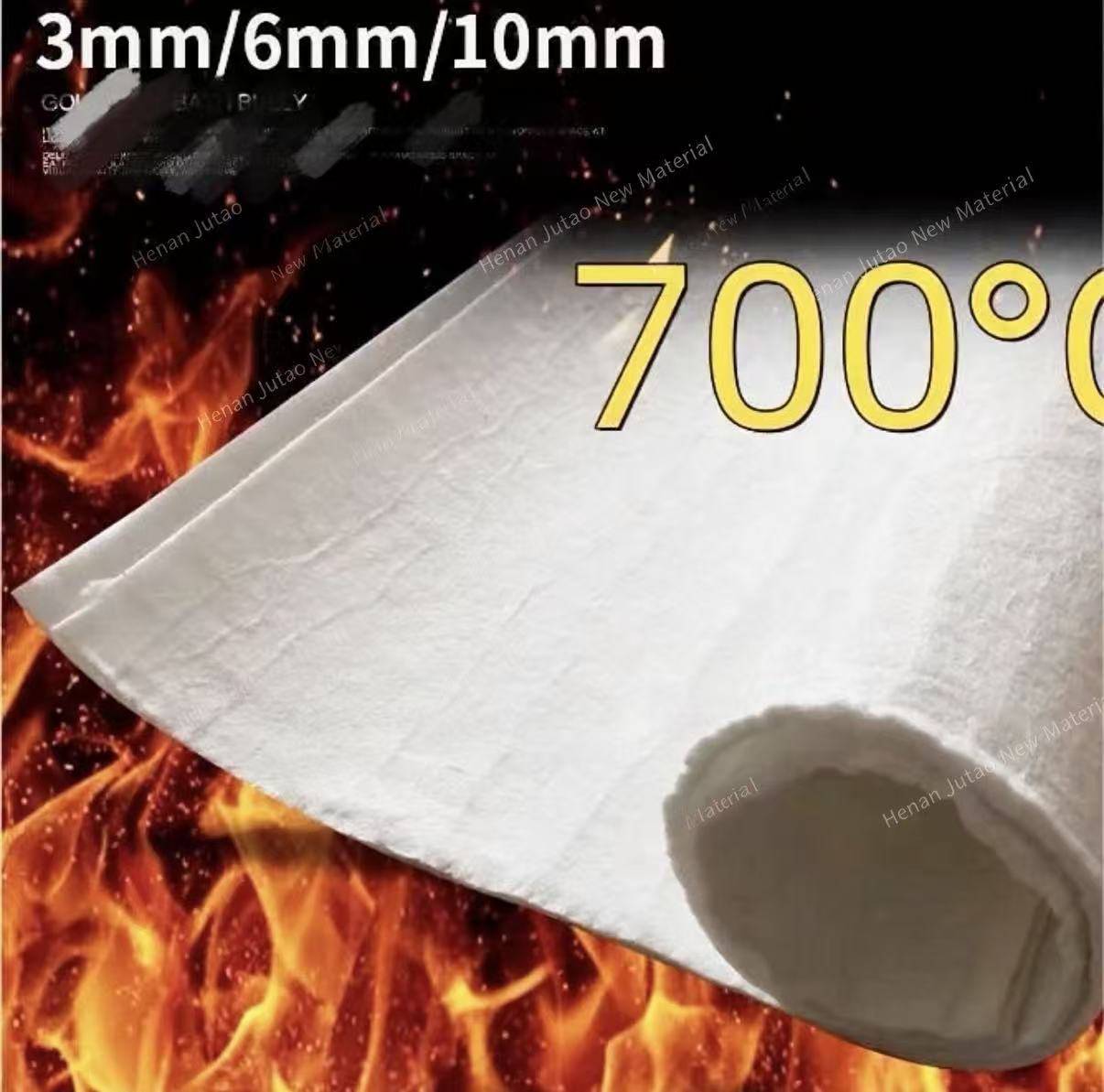
Custom China Aerogel Wall Aerogel Insulation Pads vs. Traditional Insulation Materials: Key Differences Explained
Insulation materials play an important role in improving energy efficiency, protecting components, and maintaining stable operating temperatures across industrial, automotive, electronics, construction, and energy applications.
Traditional insulation materials such as rock wool, glass wool, and polyurethane foam have been widely used for decades. However, as equipment becomes more compact and operating conditions become more demanding, conventional materials may face limitations in thickness, weight, temperature resistance, and long-term stability.
Aerogel insulation pads, particularly those based on silica aerogel, offer a high-performance alternative. With their unique nanoporous structure and extremely low thermal conductivity, aerogel pads can provide effective thermal protection while requiring less space and adding less weight.
This article compares aerogel insulation pads with traditional insulation materials across several key performance factors.
- Thermal Insulation Efficiency
Thermal conductivity is one of the most important indicators when selecting an insulation material. Generally, a lower thermal conductivity means better insulation performance.
Traditional insulation materials typically have thermal conductivities in the following ranges:
* Rock wool: approximately 0.035–0.045 W/(m·K)
* Glass wool: approximately 0.030–0.040 W/(m·K)
* Polyurethane foam: approximately 0.025–0.035 W/(m·K)
* Silica aerogel insulation pads: approximately 0.012–0.020 W/(m·K), depending on product formulation and test conditions
The low thermal conductivity of aerogel allows manufacturers and engineers to achieve a high level of thermal resistance with a relatively thin insulation layer.
For applications where installation space is limited, this can be a significant advantage. Aerogel pads can be used in areas such as battery packs, industrial equipment, pipelines, electronic devices, and other compact systems where conventional insulation may require excessive thickness.
- Lightweight Design
Weight is another important consideration in modern engineering applications.
Aerogel-based insulation materials can have a relatively low density while maintaining excellent thermal insulation performance. This makes them suitable for applications where reducing the overall weight of a system is important.
Compared with traditional mineral-based insulation, aerogel insulation pads can help reduce the weight and volume of thermal protection systems.
This advantage is particularly valuable in:
* New energy vehicles
* Battery thermal management systems
* Aerospace equipment
* Portable electronic devices
* Industrial equipment
* Lightweight building systems
By combining high thermal resistance with a compact structure, aerogel insulation can help engineers optimize both thermal performance and system weight.
- Wide Operating Temperature Range
Temperature resistance is one of the major differences between aerogel-based and polymer-based insulation materials.
Polyurethane foam, for example, has a relatively limited operating temperature range compared with inorganic insulation materials. Silica aerogel, on the other hand, is an inorganic material that can be engineered for high-temperature insulation applications.
Depending on the specific product structure, reinforcement material, and application conditions, silica aerogel insulation products can be designed for demanding temperature environments.
This makes aerogel insulation pads suitable for applications including:
* High-temperature pipelines
* Industrial furnaces and ovens
* Exhaust systems
* Thermal processing equipment
* Energy equipment
* Battery thermal protection
* Aerospace and other high-temperature applications
The actual maximum service temperature should always be determined according to the specific aerogel pad formulation and manufacturer’s technical data.
- Moisture Resistance and Long-Term Stability
Moisture can significantly affect the performance of many conventional insulation materials. When some fibrous insulation materials absorb water, their thermal insulation performance may decrease.
Aerogel materials can be surface-treated to provide hydrophobic properties, helping reduce moisture absorption and improve performance in humid environments.
This makes hydrophobic aerogel insulation pads particularly useful for applications where insulation may be exposed to:
* Humidity
* Condensation
* Outdoor environments
* Industrial moisture
* Temperature fluctuations
In addition, silica aerogel has good chemical stability and can be used in a variety of demanding industrial environments when the material is properly selected and protected.
- Safety and Environmental Considerations
Different insulation materials have different safety and environmental characteristics.
Traditional fibrous insulation materials may generate airborne fibers or particles during cutting and installation, so appropriate protective measures are generally required.
Silica aerogel itself is an inorganic material and does not rely on volatile organic compounds for its basic thermal insulation function. However, the overall safety and environmental characteristics of an aerogel insulation pad also depend on its reinforcing fibers, binders, facing materials, and manufacturing process.
For this reason, buyers should evaluate the complete product rather than looking only at the aerogel component.
For international projects, suppliers can provide relevant technical documentation, safety data, and test reports according to the requirements of the target market.
- Service Life and Total Cost of Ownership
Aerogel insulation pads usually have a higher initial material cost than conventional insulation products. However, initial purchase price is only one factor in evaluating an insulation solution.
A more complete assessment should consider:
* Energy savings
* Installation space
* Material thickness
* Transportation costs
* Equipment weight
* Maintenance requirements
* Replacement frequency
* Long-term thermal performance
Because aerogel can deliver high thermal resistance in a relatively thin layer, it may provide economic advantages in applications where space, energy efficiency, or equipment weight are critical.
The actual service life depends on the aerogel formulation, facing materials, installation method, operating temperature, mechanical conditions, and environmental exposure. Therefore, service-life claims should be based on specific product testing and application data.
Aerogel Insulation Pads vs. Traditional Materials
The key differences can be summarized as follows:
Performance Aerogel Insulation Pads Traditional Insulation Materials
Thermal conductivity Very low Generally higher
Insulation thickness Thin for high thermal resistance Often requires greater thickness
Weight Lightweight Varies by material
Temperature resistance Excellent for silica aerogel products Depends strongly on material
Moisture resistance Can be enhanced through hydrophobic treatment Varies; some materials are moisture-sensitive
Flexibility Available in flexible pad and blanket forms Depends on material
Space efficiency Excellent Moderate to good
Initial cost Generally higher Generally lower
Application range Industrial, automotive, electronics, energy, etc. Broad range of general applications
Typical Applications of Aerogel Insulation Pads
The combination of low thermal conductivity, compact thickness, lightweight construction, and temperature resistance makes aerogel insulation pads suitable for a wide range of applications.
New Energy Vehicles and Battery Systems
Aerogel insulation pads can be used as thermal barriers and insulation components in battery packs. Their thin profile and thermal resistance make them suitable for space-constrained battery systems and thermal runaway protection designs.
Industrial Pipelines and Equipment
Aerogel insulation can help reduce heat loss from hot pipelines, valves, tanks, and other industrial equipment. Its compact thickness can also simplify insulation installation where available space is limited.
Electronics and Electrical Equipment
For electronic and electrical systems, aerogel pads can provide localized thermal isolation between heat-sensitive components and high-temperature areas.
Construction and Building Insulation
Aerogel-based insulation products can be considered for applications where high thermal resistance and limited installation thickness are required, including walls, roofs, doors, and specialized building components.
Energy and High-Temperature Equipment
Aerogel insulation materials can also be used in energy systems, thermal processing equipment, exhaust systems, and other industrial applications requiring efficient thermal protection.
Conclusion
The difference between aerogel insulation pads and traditional insulation materials comes mainly from their material structure and resulting thermal performance.
With their nanoporous structure, low thermal conductivity, lightweight design, compact thickness, and potential for high-temperature and moisture-resistant applications, aerogel insulation pads provide an attractive solution for demanding thermal management requirements.
Traditional materials remain cost-effective for many conventional insulation projects. However, when space, weight, temperature, thermal efficiency, or long-term performance become critical factors, aerogel insulation can offer significant engineering advantages.
As manufacturing technology continues to develop and production costs become more competitive, aerogel insulation pads are expected to find wider applications across industrial equipment, new energy, electronics, construction, transportation, and energy systems.
For specific projects, buyers should evaluate thermal conductivity, service temperature, density, thickness, hydrophobic performance, mechanical properties, and test standards together to select the most suitable insulation solution.
Jutao Environmental Technology — Specialists in Aerogel Material Solutions
Stay connected with us for the latest updates, industry insights and application solutions in the aerogel sector.