


News
Aerogel Wall Supplier Aerogel Coatings for Complex Industrial Equipment: Flexible Thermal Protection for High-Temperature Applications
Industrial thermal insulation is not only about achieving low heat loss. In real-world applications, equipment geometry, maintenance requirements and available installation space can also determine whether an insulation system is practical.
For complex industrial equipment such as pipes, valves, pumps, furnaces and other irregular components, conventional insulation can be difficult to install and maintain.
Aerogel high-temperature coatings provide a flexible solution for these challenging areas.
Why Are Complex Equipment Surfaces Difficult to Insulate?
Many industrial components have irregular shapes, joints, fittings or limited installation space. Some equipment also requires frequent inspection and maintenance.
Traditional insulation systems may need to be specially shaped and installed around these components. Removing and reinstalling the insulation during maintenance can also increase labor requirements and downtime.
A coating-based insulation approach can simplify thermal protection in these applications.
Because the material is applied directly to the equipment surface, it can cover areas that are difficult to reach with conventional rigid insulation materials.
Aerogel Technology for Flexible Thermal Protection
Silica aerogel is known for its highly porous nanostructure and low thermal conductivity.
Henan Jutao’s aerogel high-temperature coating uses silica aerogel as the core insulation material, with an aerogel powder content of more than 40%.
The coating can be applied to different equipment surfaces to create a continuous thermal insulation layer.
This approach offers several advantages for industrial applications.
Complex Geometries
Aerogel coatings can be applied to irregular surfaces and components with complex geometries.
Potential application areas include:
* Valves and pumps
* Pipe fittings and connections
* Industrial equipment with irregular surfaces
* Narrow or difficult-to-access areas
* Equipment requiring frequent inspection and maintenance
Reduced Installation Constraints
Compared with bulky insulation systems, a coating can provide thermal protection without significantly changing the external geometry of the equipment.
This can be particularly valuable in areas where installation space is limited.
Easier Maintenance
Industrial equipment often requires regular inspection, repair and replacement of components.
For equipment where conventional insulation needs to be repeatedly removed during maintenance, a coating-based thermal insulation system can offer greater application flexibility.
Temperature Options for Different Industrial Conditions
Different industrial processes require different thermal protection solutions.
Henan Jutao has developed aerogel high-temperature coating products for different temperature ranges, including 200°C, 400°C and 600°C applications.
The selection of the appropriate product depends on factors such as operating temperature, substrate condition, coating thickness, service environment and application requirements.
Typical Industrial Applications
Aerogel high-temperature coatings can be considered for a wide range of industrial equipment, including:
Ethylene Cracking Furnaces
Thermal protection can help reduce heat loss from high-temperature surfaces and improve the thermal management of furnace systems.
Industrial Heating Furnaces
The coating can be used on selected equipment surfaces where additional thermal insulation and surface temperature control are required.
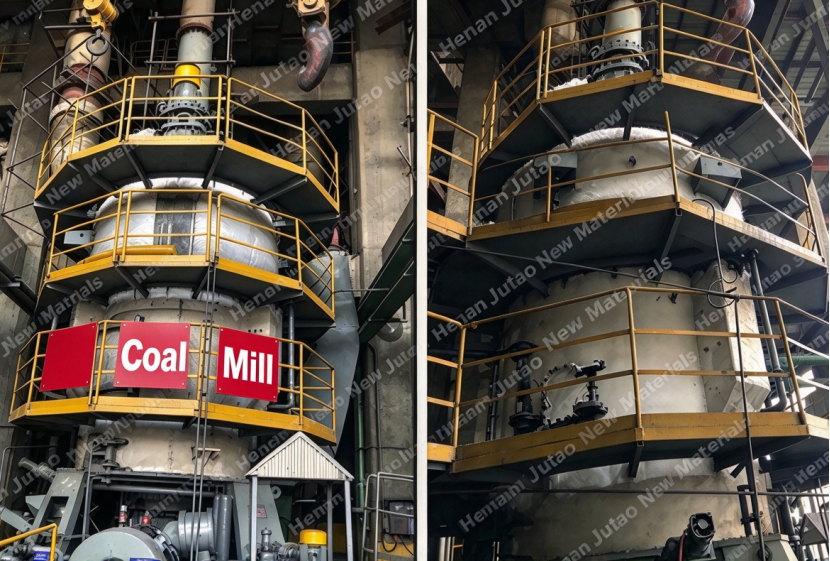
Dryers and Coal Mills
For high-temperature equipment operating continuously, reducing unnecessary heat dissipation can contribute to improved energy efficiency.
Pipes, Valves and Pumps
These components often have complex geometries that make conventional insulation difficult to install. Aerogel coatings can provide a more adaptable approach to surface thermal protection.
Maintenance Areas
For equipment that requires frequent inspection or maintenance, coating-based insulation can help address areas where conventional insulation systems are inconvenient or impractical.
A Practical Approach to Industrial Thermal Management
As industrial facilities pursue greater energy efficiency while maintaining safe working environments, thermal insulation solutions need to become more adaptable to real operating conditions.
Aerogel high-temperature coatings combine the thermal insulation characteristics of silica aerogel with the flexibility of a coating system.
For complex equipment and difficult-to-insulate areas, this technology provides another option for thermal protection, surface temperature reduction and energy conservation.
With temperature-specific solutions and a focus on industrial application requirements, Henan Jutao continues to explore the use of aerogel technology in high-temperature equipment and energy-saving applications.
Advanced materials can make industrial thermal management more flexible, efficient and practical.
Jutao Environmental Technology — Specialists in Aerogel Material Solutions
Stay connected with us for the latest updates, industry insights and application solutions in the aerogel sector.
Removable Insulation Jackets for Valves, Flanges and Turbine Casings: Specifying Aerogel for the Equipment Your Crew Must Open Every Outage
China Custom Vacuum Panels Aerogel High-Temperature Coatings: An Innovative Solution for Industrial Heat Protection and Energy Efficiency
In modern industrial production, high-temperature equipment faces two major challenges: thermal safety and energy efficiency.
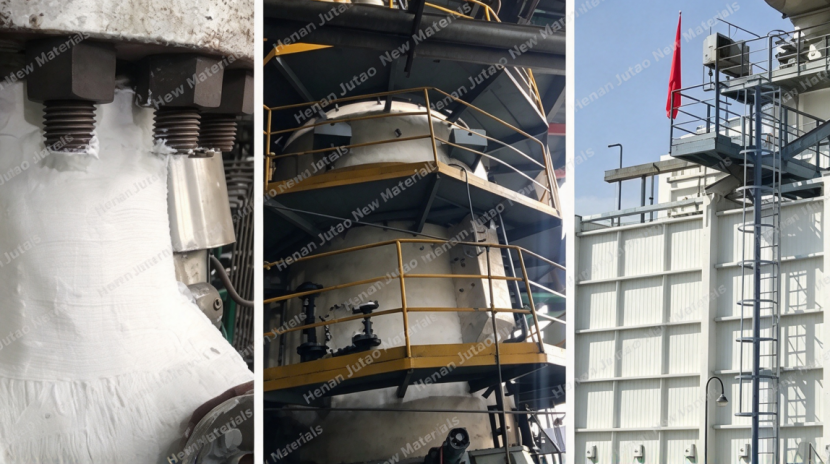
Equipment such as ethylene cracking furnaces, industrial heating furnaces, dryers, coal mills, valves and pumps can operate at elevated temperatures for extended periods. Significant heat loss from these surfaces can increase energy consumption while also creating hot surfaces that may pose safety risks to operators.
Traditional insulation systems can provide effective thermal protection, but they are not always suitable for equipment with complex geometries, limited installation space or frequent maintenance requirements. In these applications, aerogel high-temperature coatings offer a flexible alternative by combining thermal insulation with surface temperature reduction.
How Do Aerogel High-Temperature Coatings Work?
Aerogel is a lightweight nanostructured material with a highly porous network. Its nanoscale pores restrict heat transfer through conduction and convection, giving aerogel-based materials very low thermal conductivity.
When applied to the surface of high-temperature equipment, an aerogel coating forms a thermal barrier that helps reduce heat transfer from the equipment to the surrounding environment.
This can provide two important benefits:
* Lower surface temperatures: reducing the risk of accidental contact with hot equipment surfaces.
* Reduced heat loss: helping improve thermal efficiency and reduce unnecessary energy consumption.
For industrial facilities, this combination makes aerogel coatings particularly interesting for applications where both operator safety and energy conservation are important.
Henan Jutao’s Aerogel High-Temperature Coating Solution
Henan Jutao New Materials has developed an aerogel high-temperature coating based on silica aerogel, with an aerogel powder content of more than 40%.
The coating uses the unique nanoporous structure of silica aerogel to provide thermal insulation in a thin and conformable coating system.
Its main advantages include:
- Surface Temperature Reduction
The coating acts as an additional thermal barrier on equipment surfaces, helping reduce surface temperatures under suitable operating conditions. This can help minimize the risk of accidental burns in areas where workers may come into contact with or work close to hot equipment.
- Reduced Heat Loss
By limiting heat transfer from high-temperature equipment to the surrounding environment, aerogel coatings can help reduce thermal losses and improve overall energy utilization.
This makes them particularly useful for industrial equipment where conventional insulation is difficult to install or maintain.
- Adaptation to Complex Equipment
Unlike rigid insulation systems, coatings can be applied to components with irregular shapes, narrow spaces and complex geometries.
This makes aerogel coatings suitable for components such as valves, pumps, fittings and other areas where installing conventional insulation may be difficult.
Designed for Different Temperature Requirements
Industrial equipment operates under different temperature conditions. To meet these requirements, Henan Jutao provides aerogel high-temperature coating solutions designed for different operating temperature ranges, including:
* Up to 200°C
* Up to 400°C
* Up to 600°C
The appropriate coating system can be selected according to the equipment design, operating temperature and application environment.
Supporting Safer and More Energy-Efficient Industrial Operations
As industrial companies continue to focus on energy efficiency and workplace safety, thermal protection is becoming an increasingly important part of equipment management.
Aerogel high-temperature coatings provide an alternative approach for applications where traditional insulation systems may be too bulky, difficult to install or inconvenient for regular maintenance.
By combining thermal insulation, surface temperature reduction and application flexibility, aerogel coatings can help industrial facilities improve thermal management while supporting safer working environments.
Henan Jutao will continue to develop aerogel-based thermal insulation technologies for industrial applications, providing material solutions for energy efficiency, thermal protection and sustainable industrial development.
Jutao Environmental Technology — Specialists in Aerogel Material Solutions
Stay connected with us for the latest updates, industry insights and application solutions in the aerogel sector.
Thin-Format Aerogel for Battery Packs and Electronics: Specifying Film, Carbon Blanket and Panel Barriers
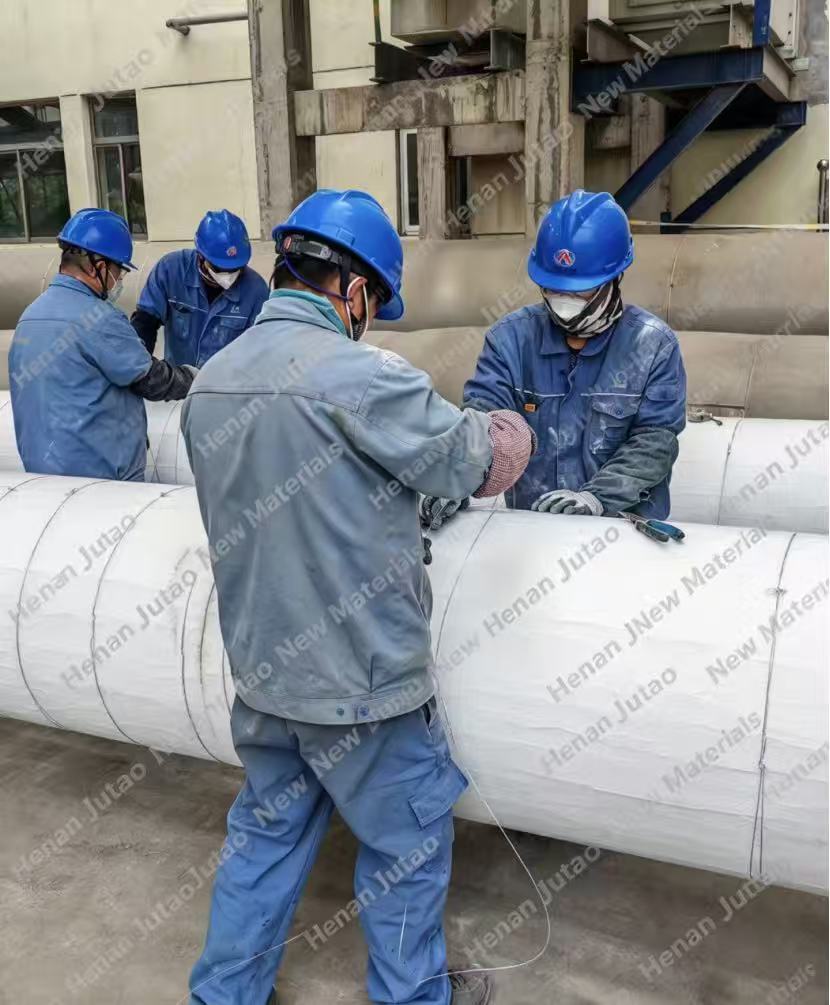
China Custom Aerogel U Value Aerogel vs. Traditional Insulation for Nuclear Power Plant Steam Piping: A Thickness and Performance Comparison
In nuclear power plants, steam piping operates under demanding temperature and pressure conditions. An effective insulation system must limit heat loss while meeting requirements for safety, thermal performance, durability and maintenance.
Traditional aluminium silicate wool remains a common solution for high-temperature piping. However, advanced insulation materials such as aerogel and nano-porous insulation are being considered where reduced insulation thickness and improved thermal efficiency are important.
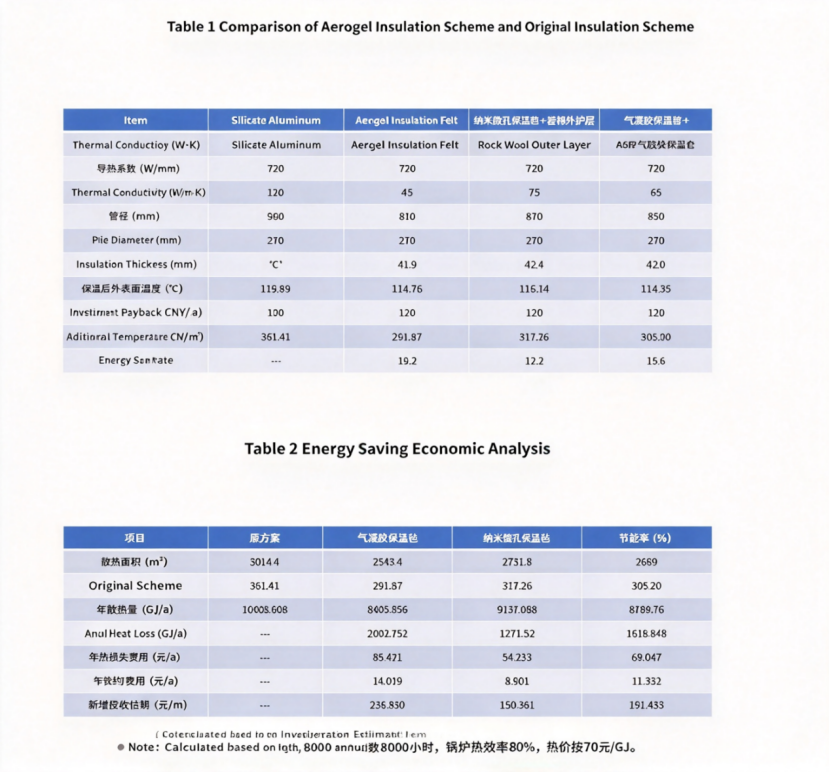
A comparison of several insulation configurations illustrates the potential advantages of thin-profile insulation systems.
Comparison of Typical Insulation Configurations
For a representative high-temperature steam pipe application, the following insulation configurations can be considered:
Insulation Solution Typical Insulation Thickness Main Structure
Aluminium silicate wool 120 mm 2 × 60 mm wool + aluminium foil reflective layer + metal outer cladding
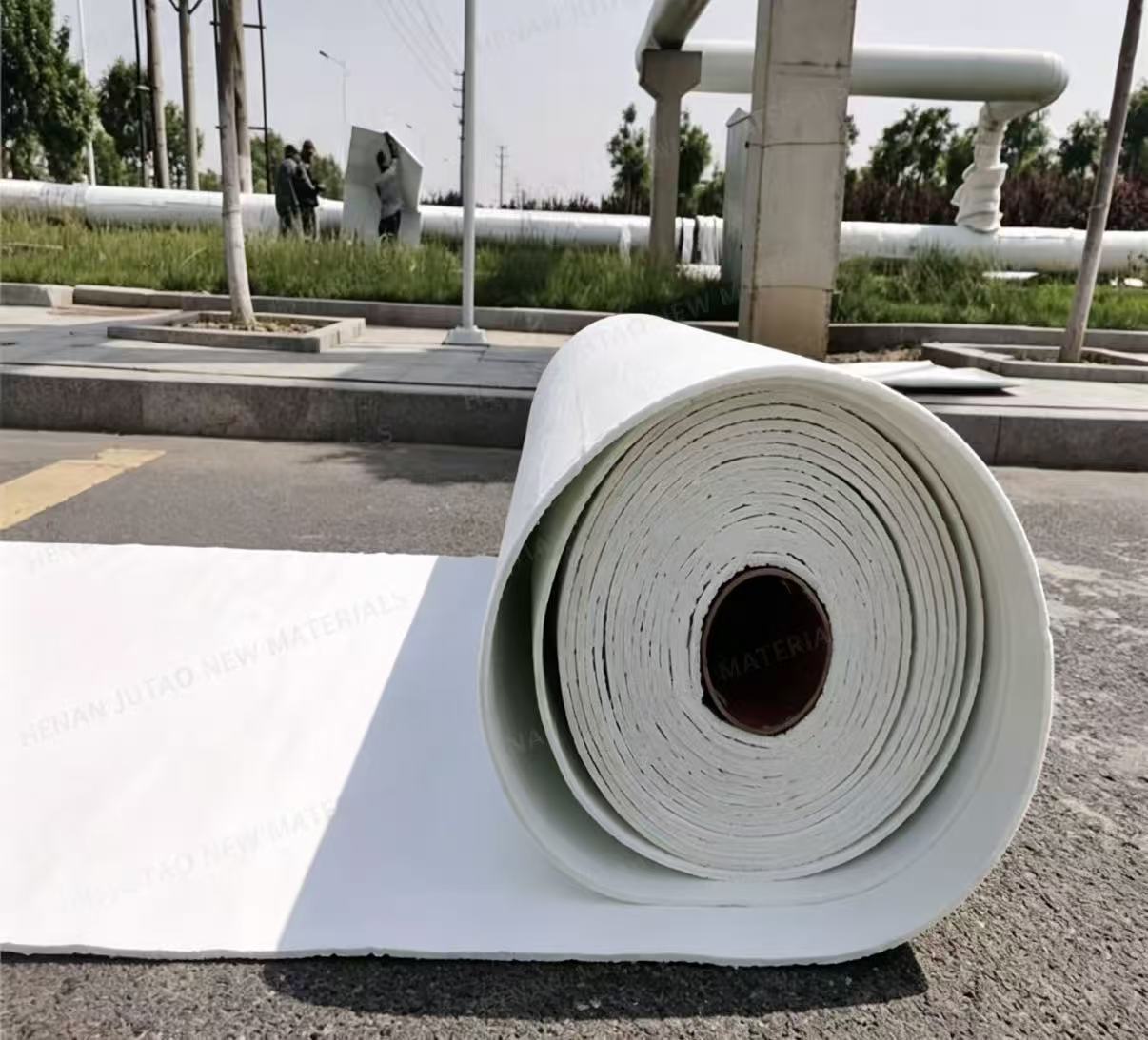
Aerogel insulation blanket 45 mm Aerogel insulation + aluminium foil reflective layer + metal outer cladding
Nano-porous insulation blanket 75 mm Nano-porous insulation + aluminium foil reflective layer + metal outer cladding
Removable aerogel insulation cover 65 mm Aerogel insulation layer
The actual thickness required for a nuclear power plant project should be determined through detailed thermal calculations and verified against the applicable design requirements.
Reduced Insulation Thickness
The most visible difference between these solutions is the required insulation thickness.
The conventional aluminium silicate wool configuration uses approximately 120 mm of insulation, while the example aerogel configurations use approximately 45–75 mm, depending on the product and system design.
A thinner insulation layer can reduce the overall diameter of the insulated pipe and help optimize the use of space around piping systems.
This can be particularly valuable in areas with high equipment density or limited maintenance clearance.
Lightweight Construction
Aerogel-based insulation materials can also reduce the mass of the insulation system compared with thicker conventional insulation configurations.
For large-diameter steam piping, reducing insulation weight can potentially decrease the load imposed on supports and associated structures, although structural calculations must be completed for each project.
Removable aerogel insulation covers can provide an additional option for valves, flanges and other components that require periodic inspection or maintenance.
Moisture Resistance and Long-Term Performance
Moisture is an important consideration for industrial insulation systems. Water penetration can reduce insulation effectiveness and may contribute to corrosion under insulation in certain applications.
Many aerogel insulation products offer hydrophobic properties, which can help limit water absorption.
This characteristic can be particularly useful in environments where insulation may be exposed to humidity, condensation or accidental water ingress.
However, the overall performance of an insulation system depends on the complete assembly, including the vapour barrier, reflective layer, protective cladding, joints and installation quality.
Energy Efficiency and Heat-Loss Reduction
The primary purpose of steam-pipe insulation is to reduce heat loss from high-temperature piping.
A properly designed aerogel insulation system can provide high thermal resistance with a relatively thin insulation layer. Lower heat loss can support more efficient thermal management and may contribute to reduced operating energy consumption over the service life of the system.
From a lifecycle perspective, insulation performance should therefore be evaluated not only by initial material cost, but also by installation requirements, maintenance, energy savings, durability and replacement frequency.
Aerogel and Conventional Insulation: Different Application Strategies
The comparison does not mean that one insulation material is universally suitable for every nuclear application.
Conventional aluminium silicate wool has established applications in high-temperature insulation, while aerogel and nano-porous materials provide alternative options where thin-profile construction, low weight and moisture resistance are important.
For nuclear power projects, the final selection should consider:
* Design temperature and pressure
* Required surface temperature
* Allowable heat loss
* Insulation thickness
* Material qualification requirements
* Fire performance
* Moisture resistance
* Mechanical durability
* Maintenance requirements
* Applicable nuclear and industrial standards
* Total lifecycle cost
A Thin-Profile Approach to Steam Pipe Insulation
The comparison of representative insulation configurations shows that aerogel-based materials can achieve high thermal insulation performance with substantially less thickness than the example conventional aluminium silicate wool system.
For applications where space, weight and long-term thermal performance are important, aerogel insulation provides a promising option for high-temperature steam piping.
For nuclear power plants, however, the final insulation design must always be verified through project-specific thermal calculations, material qualification and applicable safety and engineering requirements.
With the appropriate engineering validation, aerogel insulation can contribute to more compact, efficient and durable thermal management solutions for demanding steam piping applications.
Jutao Environmental Technology — Specialists in Aerogel Material Solutions
Stay connected with us for the latest updates, industry insights and application solutions in the aerogel sector.
Wholesale China Gas Membrane Aerogel Insulation for Steam Piping in Nuclear Power Plants: Improving Thermal Efficiency and System Reliability
Steam piping is one of the critical components in a nuclear power plant. It is responsible for transporting high-temperature, high-pressure steam between key systems, making effective thermal insulation essential for maintaining energy efficiency, operational reliability and thermal management.
Traditional insulation materials such as calcium silicate and aluminium silicate wool are still widely used for high-temperature piping. However, conventional insulation systems can have limitations in terms of thickness, thermal performance, moisture resistance and long-term durability.
As nuclear power plants increasingly focus on energy efficiency, operational reliability and long service life, advanced insulation materials such as aerogel are attracting growing attention for high-temperature piping applications.
Typical Steam Conditions in an AP1000-Type Application
For a representative AP1000-type steam system, the main steam operating conditions can be approximately described as follows:
* Steam temperature: approximately 270–273°C
* Steam pressure: approximately 5.6 MPa
* Main steam pipe outside diameter: approximately 720–750 mm
* External surface design temperature: approximately 250–270°C
* Ambient temperature: approximately 20°C
* Wind condition: no wind
Actual operating conditions can vary depending on the specific plant design, operating mode and engineering requirements.
These conditions place demanding requirements on the insulation system. The insulation must reduce heat loss while maintaining appropriate external surface temperatures and providing stable long-term performance.
Limitations of Conventional Insulation
Aluminium silicate wool is widely used in high-temperature thermal insulation because of its temperature resistance and relatively established installation technology.
However, conventional fibre insulation may require relatively thick insulation layers to achieve the required thermal performance.
For large-diameter steam pipes, increased insulation thickness can result in:
* Greater space requirements around piping
* Larger insulation support and protection structures
* Increased installation workload
* Greater sensitivity to moisture ingress
* Potential degradation of thermal performance during long-term service
These factors are particularly important in complex industrial facilities where equipment density and maintenance accessibility need to be carefully considered.
Why Aerogel Is Being Considered
Aerogel insulation materials feature a highly porous nano-scale structure that restricts heat transfer through the insulation layer.
Compared with conventional insulation materials, aerogel-based products can provide a combination of:
Low Thermal Conductivity
The nano-porous structure helps reduce heat transfer, enabling efficient thermal insulation with a relatively thin insulation layer.
Lightweight Structure
Aerogel insulation materials generally have a lower density than many traditional high-temperature insulation products, which can help reduce the weight of the insulation system.
Hydrophobic Performance
Many aerogel insulation products are engineered with hydrophobic characteristics, helping reduce moisture absorption and maintain insulation performance in humid environments.
High-Temperature Resistance
Depending on the formulation and reinforcement system, aerogel insulation materials can be designed for high-temperature industrial applications.
Thin-Profile Insulation
One of the most important advantages for large steam piping is the ability to achieve the required thermal insulation performance with a thinner insulation layer.
This can help reduce the overall envelope size of insulated pipes and improve space utilization in densely arranged plant areas.
Aerogel as an Advanced Insulation Option
For nuclear power plant steam piping, insulation performance cannot be evaluated solely on the basis of thermal conductivity. Material stability, moisture resistance, mechanical integrity, installation requirements and long-term service performance also need to be considered.
Aerogel-based insulation provides a combination of low thermal conductivity, lightweight construction, hydrophobic properties and thin-profile design, making it a potential solution for high-temperature steam piping applications.
For nuclear projects, however, material selection must always be based on the specific project specifications, applicable nuclear-industry standards, qualification requirements and safety assessments.
Supporting More Efficient Thermal Management
As nuclear power plants continue to pursue higher energy efficiency and more reliable operation, advanced insulation technologies can play an important role in reducing heat loss from high-temperature piping systems.
With its thin, lightweight and highly insulating characteristics, aerogel insulation offers a potential alternative to conventional insulation systems for selected steam piping applications.
Further engineering evaluation and qualification are required for specific nuclear power plant projects, but the technology demonstrates significant potential for high-performance thermal insulation in demanding industrial environments.
Jutao Environmental Technology — Specialists in Aerogel Material Solutions
Stay connected with us for the latest updates, industry insights and application solutions in the aerogel sector.
Custom China Facade Systems How to Verify Aerogel Coating Performance After Application: A Simple Hydrophobicity Test
Selecting a genuine aerogel coating is only the first step in a successful thermal insulation project. After application and curing, contractors and project owners may also need simple methods to carry out an initial on-site assessment of the coating surface.
For aerogel-based insulation coatings, surface hydrophobicity can provide a useful visual indication of the material’s surface characteristics.
Henan Jutao’s Aerogel Thermal Radiation Barrier Intermediate Coating is formulated with aerogel as a key functional component and is designed to work with primer and topcoat to create an integrated thermal insulation system.
The system combines reflective insulation, radiative heat control and resistance to thermal conduction to reduce heat exchange through the building envelope.
Post-Application Test: Sanding and Water-Droplet Test
After the coating has fully dried and cured, a simple sanding and water-droplet test can be used as an initial field observation.
The test involves lightly sanding a designated area of the cured coating with sandpaper and then placing a small amount of water onto the exposed coating surface.
A coating with pronounced hydrophobic characteristics may cause water droplets to remain beaded on the surface rather than immediately spreading and penetrating.
This phenomenon is related to the hydrophobic properties of the aerogel-based material.
How to Perform the Water-Droplet Test
Step 1: Allow the Coating to Cure
Make sure the coating has completely dried and reached the appropriate curing condition according to the manufacturer’s technical requirements.
Step 2: Lightly Sand the Surface
Use suitable sandpaper to lightly abrade a small test area. The purpose is to expose the coating structure while avoiding excessive damage to the substrate.
Step 3: Apply Several Drops of Water
Place a small amount of water onto the prepared surface and observe the behaviour of the droplets.
A hydrophobic surface will generally cause the water to form relatively rounded droplets and remain on the surface.
A highly wettable surface, by contrast, may cause the water to spread over the surface more quickly.
What Does the Test Tell Us?
The water-droplet test can provide a quick visual indication of the coating’s surface hydrophobicity.
If the water forms visible droplets and rolls or remains beaded on the surface, this indicates that the tested area has hydrophobic characteristics.
If the water rapidly spreads or is absorbed, the surface may have higher wettability.
However, this test should not be used as the sole method for determining whether a coating is genuine aerogel coating. Surface hydrophobicity can be affected by the formulation, surface treatment, curing conditions, substrate and environmental conditions.
For professional quality control, laboratory testing and product documentation should be used together with on-site observations.
Why Hydrophobicity Matters in Building Insulation
Moisture can negatively affect many insulation systems. Excessive water penetration may contribute to mould growth, material degradation and changes in thermal performance.
Aerogel materials with hydrophobic characteristics can help reduce moisture penetration and support the long-term stability of insulation systems.
For building renovation projects, this is particularly relevant in exterior walls, roofs and other areas exposed to changing temperature and humidity conditions.
From Material Verification to On-Site Quality Control
The combination of pre-application density measurement and post-application surface testing provides a practical two-stage approach to the initial assessment of aerogel insulation coatings.
Before construction, wet-density measurement can help identify potential differences in coating formulation.
After curing, the sanding and water-droplet test can provide a simple visual assessment of surface hydrophobicity.
For professional engineering projects, these simple methods should be combined with technical data sheets, laboratory test reports, thermal performance data and other quality-control documentation.
By establishing a systematic verification process, building owners, contractors and distributors can better evaluate aerogel coating products and reduce the risks associated with unsuitable or improperly formulated materials.
Jutao Environmental Technology — Specialists in Aerogel Material Solutions
Stay connected with us for the latest updates, industry insights and application solutions in the aerogel sector.
Aerogel in Building Envelope Retrofits: Specifying Panels, Strips and Powder for Walls, Windows and Roofs
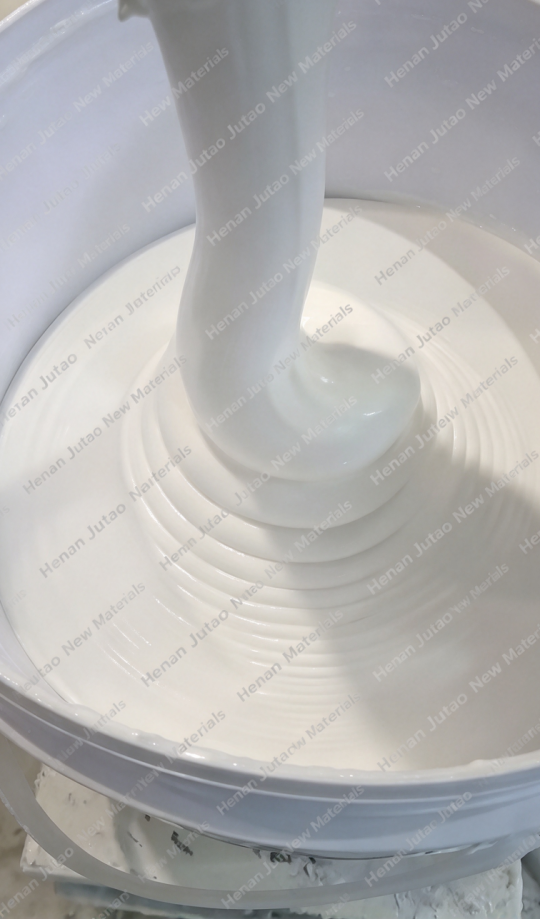
Flexible Aerogel Factory How to Identify Genuine Aerogel Coatings: A Practical Guide to Pre-Application Testing
Aerogel coatings are increasingly being used in building energy-efficiency projects because of their low thermal conductivity and lightweight structure. However, as the market continues to grow, the quality and formulation of aerogel-based coatings can vary significantly between products.
Some products may contain only a limited amount of aerogel or use conventional fillers while being marketed as aerogel coatings. Such formulations may not deliver the expected thermal insulation performance and can also create concerns regarding coating durability and long-term reliability.
For customers selecting aerogel insulation coatings, verifying the material before application is therefore an important step.
Henan Jutao’s Aerogel Thermal Radiation Barrier Intermediate Coating is designed to work together with primer and topcoat to form a complete aerogel-based thermal insulation coating system. The system creates a dense insulating layer on the substrate surface and helps reduce heat transfer through three mechanisms: reflective insulation, radiative heat control and thermal conduction resistance.
It can also be applied without removing existing exterior wall fixtures, helping simplify renovation projects and reduce construction time and overall project costs.
Why Does Aerogel Content Matter?
The amount and distribution of aerogel within a coating directly influence its thermal insulation performance.
In Henan Jutao’s Aerogel Thermal Radiation Barrier Intermediate Coating, aerogel accounts for more than 35% by volume and forms a continuous phase within the coating system. This structure is designed to provide an effective barrier against heat transfer.
Because aerogel itself has an extremely low density, the overall density of an aerogel-rich coating can also be relatively low.
This provides a practical basis for an initial quality check before construction.
Pre-Application Test: Measuring Wet Material Density
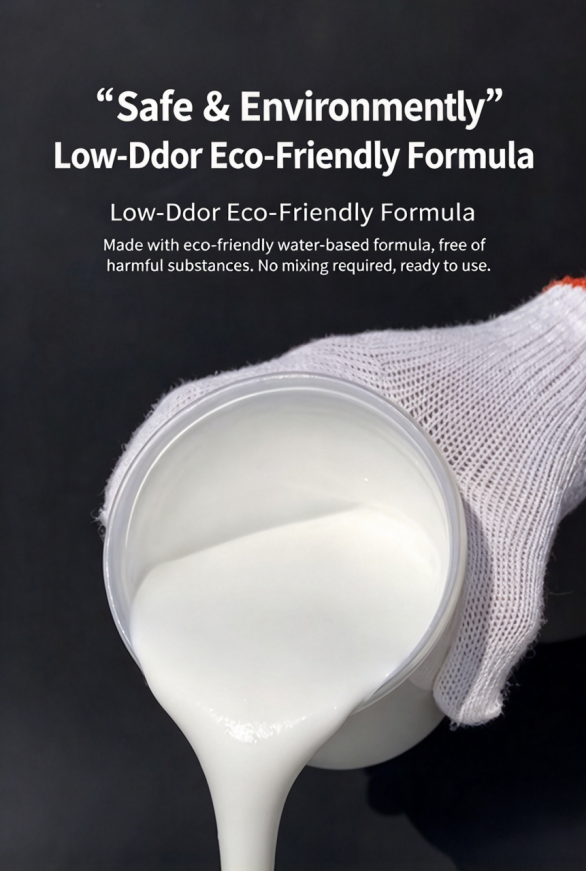
One of the simplest ways to carry out a preliminary assessment is to measure the density of the wet coating before application.
The basic principle is straightforward: measure a known volume of coating, weigh the material and calculate its density.
For Henan Jutao’s Aerogel Thermal Radiation Barrier Intermediate Coating, the specified wet-material density should be no higher than 0.6 kg/L, subject to the applicable product specification.
How to Perform the Test
- Prepare a clean container with a known volume.
- Fill the container with a representative sample of the wet coating.
- Weigh the sample accurately.
- Calculate the wet density based on the measured mass and volume.
- Compare the result with the manufacturer’s specified product range.
If the measured density falls within the specified range, the result can be used as an initial indication that the coating formulation is consistent with the product specification.
If the density is significantly higher than the specified value, further verification is recommended. A higher density may indicate a lower aerogel proportion or the use of conventional fillers, although density alone should not be treated as definitive proof of product authenticity.
Why a Preliminary Density Test Is Useful
A simple density measurement can help buyers, contractors and quality-control teams identify potential formulation differences before large-scale construction begins.
However, density testing should be regarded as a screening method rather than a complete authentication test. For engineering projects, additional verification such as technical documentation, laboratory testing, thermal conductivity testing and supplier quality certificates can provide a more comprehensive assessment.
A Practical Quality-Control Step for Aerogel Coatings
As the use of aerogel coatings expands in building insulation and energy-saving projects, establishing simple quality-control procedures before construction can help reduce the risk of selecting unsuitable materials.
Wet-density measurement is one convenient first-stage method. When combined with product specifications and professional testing, it can provide a more reliable basis for evaluating aerogel coating quality.
For building renovation and thermal insulation projects, selecting a properly formulated aerogel coating is essential to achieving the intended thermal performance and long-term value.
Jutao Environmental Technology — Specialists in Aerogel Material Solutions
Stay connected with us for the latest updates, industry insights and application solutions in the aerogel sector.
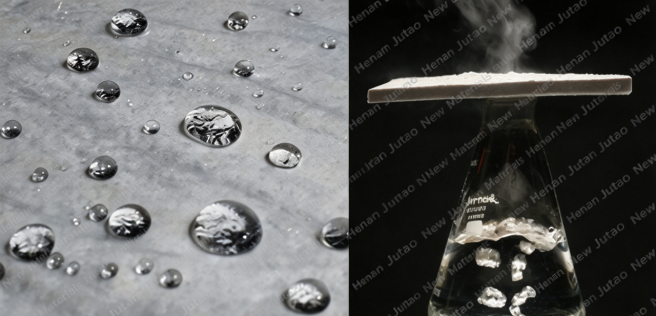
Custom China Aerogel Board Aerogel Thermal Insulation Coating: A 2 mm Solution for Thermal Insulation and Condensation Control
In residential renovation, commercial refurbishment and building energy-efficiency upgrades, roofs, top-floor ceilings and sun-facing walls are often exposed to significant heat transfer.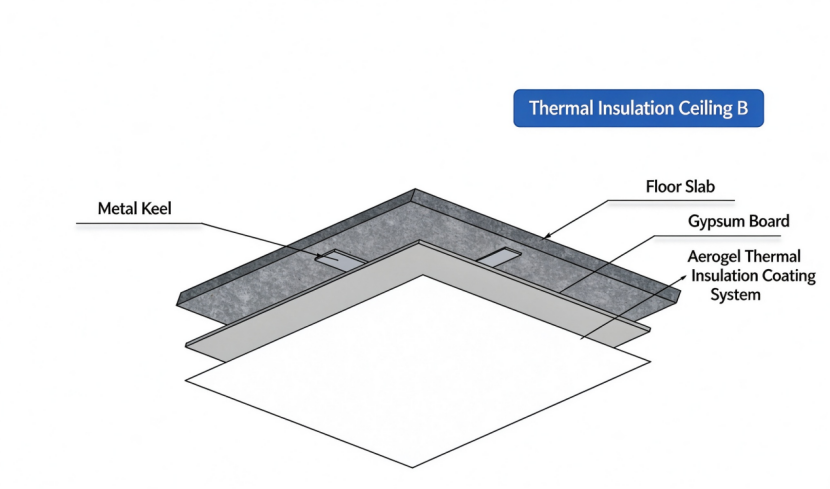
Conventional insulation systems generally require a certain thickness to achieve effective thermal performance. However, in buildings with limited ceiling height or restricted interior space, thick insulation layers can reduce usable space and complicate renovation work.
Structure sequence: Floor Slab → Metal Keel → Gypsum Board → Aerogel Thermal Insulation Coating System
Aerogel Insulation Solution B addresses these challenges through a functional water-based coating formulated with silica aerogel as the key insulation component. With an ultra-thin coating design, it combines thermal insulation with condensation control, sound absorption and fire-retardant properties.
Suitable for Ceilings, Walls and Interior Spaces
The aerogel insulation coating can be applied to top-floor ceilings, interior walls, sun-facing walls and other areas where reducing heat transfer is required.
It can also be considered for spaces such as music rooms, basements and other areas where both thermal insulation and noise reduction are required.
Silica Aerogel for Efficient Thermal Insulation
The coating uses silica aerogel as its key functional component, with an aerogel powder content of more than 40%.
Silica aerogel features a highly porous nano-scale structure that can reduce heat transfer through the coating. With an ultra-thin application thickness of approximately 2 mm, the coating forms a continuous thermal barrier while occupying very little interior space.
This makes it particularly suitable for renovation projects where conventional thick insulation systems are difficult to install.
Thermal Insulation and Condensation Control
Condensation can occur when the temperature difference between indoor air and building surfaces becomes significant.
By reducing heat transfer and helping improve the thermal conditions of wall and ceiling surfaces, the aerogel coating can help reduce the risk of surface condensation caused by temperature differences.
This makes the coating suitable not only for thermal insulation but also for applications where improved indoor surface temperature stability is required.
Combining Thermal and Acoustic Performance
The micro-porous structure within the coating can absorb and attenuate part of the sound energy. As a result, the coating can provide both thermal insulation and certain acoustic benefits.
This makes it potentially suitable for music rooms, basements and other indoor spaces where noise control is also a consideration.
Good Fire-Retardant Performance
The coating is based on an inorganic functional material system and offers good fire-retardant characteristics. It is designed to resist combustion and does not readily support burning, providing an additional layer of safety for interior applications.
Water-Based and Suitable for Interior Renovation
The coating uses a water-based formulation, helping reduce the impact associated with volatile organic compounds during application.
Its thin application thickness also minimizes the loss of usable interior space, making it suitable for building renovation, interior refurbishment and energy-efficiency improvement projects.
An Ultra-Thin Approach to Building Thermal Insulation
By combining nano-scale aerogel technology with coating technology, Aerogel Insulation Solution B integrates thermal insulation, condensation control, acoustic performance and fire-retardant properties into a thin functional layer.
For top-floor residences, sun-facing walls, interior renovation projects and buildings where ceiling height is limited, this ultra-thin insulation coating provides a flexible approach to improving thermal performance without the space requirements of conventional thick insulation systems.
Jutao Environmental Technology — Specialists in Aerogel Material Solutions
Stay connected with us for the latest updates, industry insights and application solutions in the aerogel sector.