



Industry News









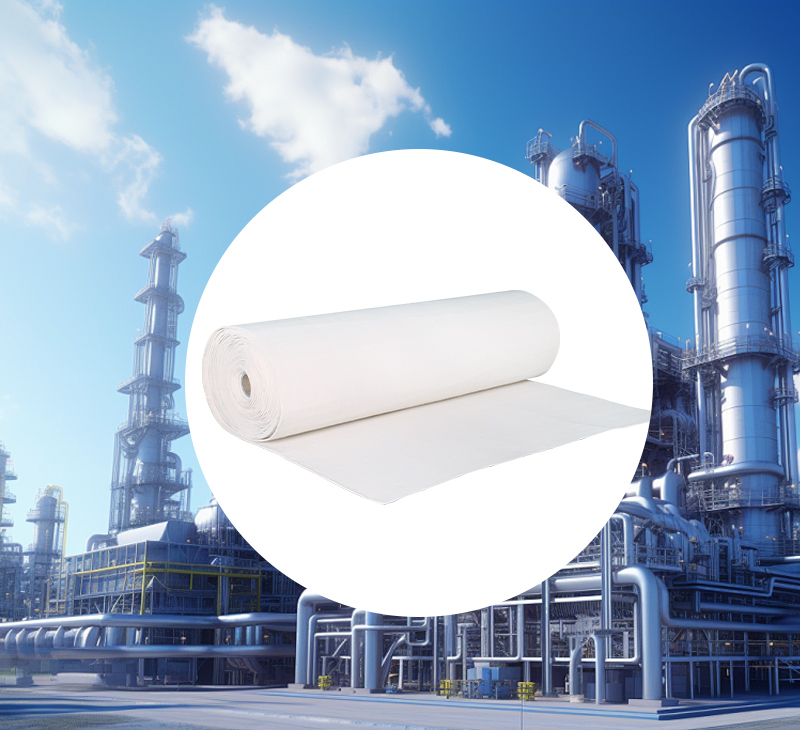
Water Uptake, Hydrophobicity and Corrosion Under Insulation: Specifying Aerogel Blankets for Outdoor Pipe and Tank Runs
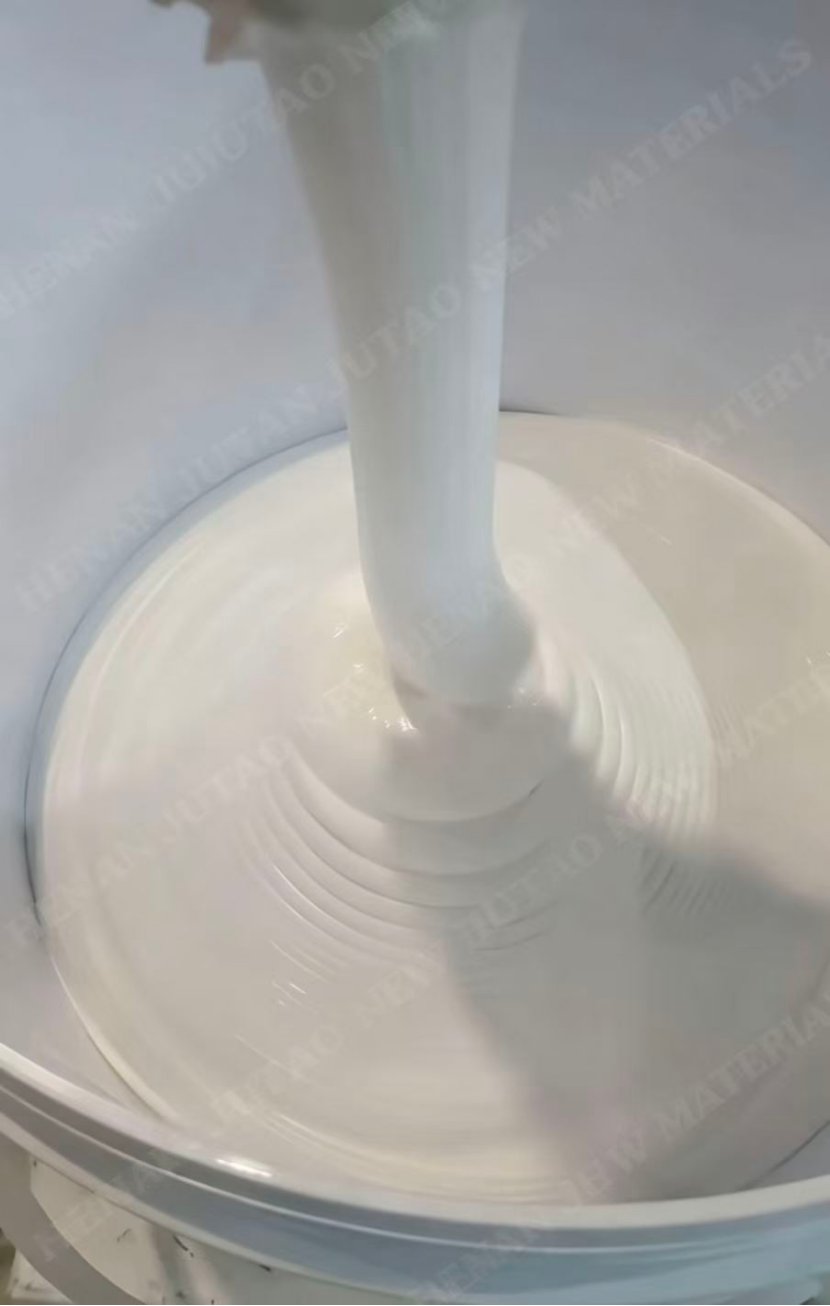
Custom China Aerogel Panels High-Temperature-Resistant Components and Functions of Aerogel Coatings
As demand continues to grow for industrial energy efficiency, building insulation and advanced thermal management, silica aerogel thermal insulation coatings are gradually expanding from high-end specialty applications into a wider range of industrial and construction markets.
Thanks to their lightweight structure, low density, low thermal conductivity and nanoporous architecture, aerogel coatings can provide effective thermal insulation within a relatively thin coating thickness. With continued progress in high-temperature modification technologies, their potential applications are expanding across battery thermal protection, industrial pipelines, high-temperature equipment, transportation systems, building insulation and other thermal management applications.
Key Advantages of Aerogel Thermal Insulation Coatings
Compared with conventional thermal insulation materials, aerogel-based coatings offer several important advantages.
Low Thermal Conductivity
Depending on the formulation and testing conditions, some aerogel insulation coatings can achieve thermal conductivity values of approximately 0.03–0.04 W/(m·K), helping to reduce heat transfer through equipment surfaces and building envelopes.
Thin Insulation Layers and Space Saving
Aerogel coatings can be applied by spraying or other coating methods to form millimetre-scale insulation layers. This makes them particularly suitable for applications where installation space is limited, including complex equipment, pipelines, irregular surfaces and localized thermal protection areas.
High-Temperature and Fire-Resistant Potential
When formulated with inorganic or high-temperature-resistant components, aerogel coatings can provide improved thermal stability under elevated temperatures while helping to reduce the risk of coating damage caused by heat exposure.
Flexible Application on Complex Surfaces
Aerogel coatings can be applied to flat surfaces, curved surfaces and complex geometries. Through proper formulation of binders, inorganic components and functional fillers, additional properties such as moisture resistance, adhesion and long-term durability can also be improved.
However, pure silica aerogel still presents certain challenges in practical applications. Its porous structure can result in relatively high brittleness and limited mechanical strength. Under prolonged exposure to elevated temperatures, structural shrinkage and changes in the aerogel network may also lead to reduced insulation performance.
For this reason, improving high-temperature stability through advanced binder systems, functional fillers, reinforcing fibres and aerogel matrix modification has become an important direction in aerogel coating development.
Major High-Temperature-Resistant Components in Aerogel Coatings
At present, the main approaches used to improve the high-temperature stability of silica aerogel coatings can generally be divided into four areas:
* High-temperature-resistant binder and film-forming systems
* Multi-scale functional thermal insulation fillers
* High-strength, high-temperature-resistant reinforcing fibres
* High-temperature modification of the aerogel matrix
- High-Temperature Binder Systems: The Foundation of Coating Stability
The binder system plays a critical role in determining coating adhesion, film formation, processability and long-term temperature resistance.
Conventional organic resins often provide good flexibility and ease of application, but their performance may decline at elevated temperatures. Purely inorganic binders, on the other hand, may require more demanding processing conditions and can introduce brittleness.
As a result, hybrid or composite binder systems have become an important technical approach for high-temperature aerogel coatings.
For example, modified silica aerogel and hollow ceramic microspheres can be used as the primary insulation components, while alkaline silica sol, modified silicone emulsions and silane coupling agents can be combined to form a composite binder system. Additional high-temperature functional materials, such as hexagonal boron nitride and aluminium silicate powders, may also be incorporated.
With appropriate formulation design, such systems can maintain relatively low thermal conductivity while improving adhesion, crack resistance and structural stability at elevated temperatures. Depending on formulation and application conditions, thermal conductivity values around 0.036 W/(m·K) at ambient temperature may be achievable.
- Functional High-Temperature Fillers: Building a Multi-Scale Thermal Barrier
High-temperature fillers do more than simply reduce heat transfer. They can also contribute to mechanical reinforcement, thermal stability and resistance to thermal radiation.
Hollow Ceramic Microspheres
Hollow ceramic microspheres offer low density and good temperature resistance. When incorporated into a coating, they can help create closed or semi-closed insulating structures within the material.
When combined with aerogel and high-temperature fibre materials, hollow ceramic microspheres can contribute to a multi-scale thermal insulation system and improve stability in medium- and high-temperature environments.
Hexagonal Boron Nitride
Hexagonal boron nitride is a high-performance ceramic material with a layered structure and excellent chemical stability.
When properly dispersed and incorporated at an appropriate loading level, it can help optimise the microstructure and processing characteristics of aerogel coating formulations.
Composite Refractory Powders
Aluminium silicate, alumina, titanium dioxide and other high-temperature inorganic powders can be combined according to specific operating temperatures and performance requirements.
Certain inorganic materials with high reflectivity can also help reduce the absorption of thermal radiation, contributing to improved insulation performance in high-temperature environments.
By combining functional powders with different particle sizes and characteristics, it is possible to build a multi-scale thermal barrier structure that improves the overall heat resistance of the coating.
- High-Temperature Reinforcing Fibres: Improving Mechanical Stability
While aerogel materials offer a highly porous structure and excellent insulation potential, their mechanical strength may be limited.
To reduce the risk of cracking, brittle failure or coating detachment under elevated temperatures, fibre reinforcement has become an important modification strategy.
Common reinforcing fibres include:
* Mullite fibre
* High-alumina ceramic fibre
* Aluminium silicate fibre
* Chopped glass fibre
Ultra-fine high-temperature fibres can form a three-dimensional supporting network within the coating, improving crack resistance and structural integrity.
When combined with an aerogel matrix, reinforcing fibres can also improve material stability under thermal shock and repeated temperature cycling.
- High-Temperature Modification of the Aerogel Matrix
In addition to external binders, fillers and reinforcing fibres, modifying the aerogel matrix itself is an important route for improving long-term thermal stability.
The main approaches include the following.
Oxide Composite Modification
Introducing high-temperature oxides such as alumina and zirconia can improve the structural stability of aerogel materials at elevated temperatures.
Certain infrared-blocking components can also help reduce radiative heat transfer, providing additional support for high-temperature thermal insulation.
Elemental Doping
Specific elemental doping can modify the microstructure and high-temperature shrinkage behaviour of silica aerogels, improving resistance to deformation and enhancing thermal stability.
Some functional elements may also contribute to improved infrared radiation shielding.
Flexible Fibre Composite Modification
Deep integration of aerogel materials with high-performance flexible fibres can improve compression resistance, bending resistance and thermal shock resistance while maintaining low density and effective thermal insulation.
This approach is particularly suitable for applications involving vibration, deformation or repeated temperature changes.
Flexible Aerogel Materials Create New Possibilities for Coating Applications
As industrial operating environments become increasingly demanding, low thermal conductivity alone is no longer sufficient for many advanced applications.
Future high-performance aerogel coatings are expected to combine:
* Efficient thermal insulation
* High-temperature stability
* Mechanical strength
* Crack resistance
* Flexibility
* Long-term durability
Jutao New Materials continues to develop flexible aerogel material technologies designed to improve structural stability under compression, bending, vibration and thermal shock.
By optimising aerogel structures and composite reinforcement technologies, flexible aerogel materials can provide improved mechanical adaptability while maintaining effective thermal insulation performance.
These developments can provide additional material options for thermal insulation coatings used on complex equipment, vibrating systems and demanding thermal management applications.
Conclusion
High-temperature resistance is one of the key factors driving the expansion of aerogel thermal insulation coatings into a broader range of industrial applications.
Through the combined use of high-temperature binder systems, functional inorganic fillers, reinforcing fibres and aerogel matrix modification technologies, aerogel coatings are evolving from simple insulation materials into multifunctional systems capable of providing thermal insulation, high-temperature stability, mechanical integrity and long-term durability.
As formulation technologies and aerogel modification techniques continue to advance, aerogel thermal insulation coatings are expected to play an increasingly important role in industrial energy saving, high-temperature pipelines, energy systems, transportation and building thermal management.
For specific operating environments, the actual temperature resistance and performance of an aerogel coating should be evaluated according to the formulation, testing standards, application method and service conditions.
Jutao Environmental Technology — Specialists in Aerogel Material Solutions
Stay connected with us for the latest updates, industry insights and application solutions in the aerogel sector.
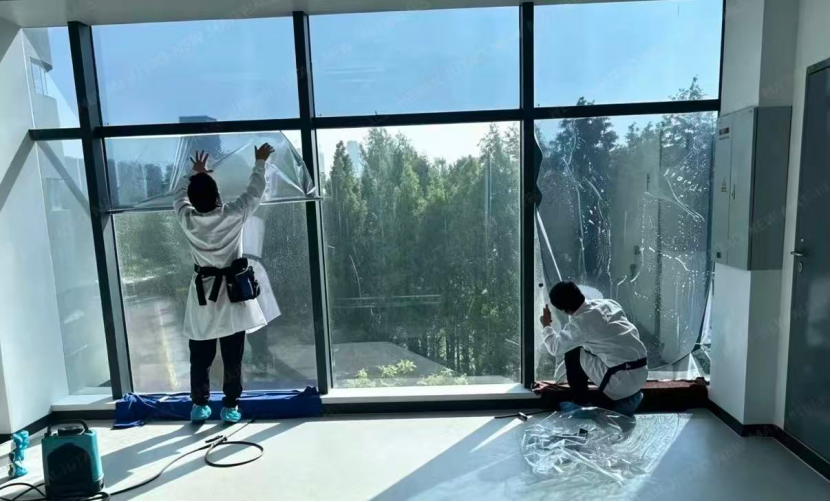
Aerogel Wall Manufacturer Aerogel Transparent Insulation Film: Balancing Natural Daylight and High-Performance Thermal Insulation
As high-temperature weather continues to affect many regions around the world, building cooling demand and energy consumption have become increasingly important concerns. For modern buildings featuring glass curtain walls, floor-to-ceiling windows, sunrooms, and other large glazed structures, glass provides abundant natural daylight and visual transparency but can also become a major pathway for solar heat to enter indoor spaces.
Traditional solar control films can help reduce solar heat gain, but they often reduce visible light transmission and make indoor spaces darker. As a result, achieving both effective thermal insulation and sufficient natural daylight has become an important challenge in the building energy-efficiency sector.
Aerogel Technology for High-Performance Transparent Insulation
To address the thermal insulation challenges associated with glazed building structures, SAC Aerogel Transparent Insulation Film combines a nanoporous aerogel structure with a transparent polymer substrate to provide a lightweight and high-transparency thermal insulation solution for glass surfaces.
Aerogel features a highly porous nanoscale structure that helps reduce heat transfer. When incorporated into transparent insulation films, this structure can help limit the amount of solar heat entering indoor spaces while maintaining good visible light transmission.
The film can also incorporate temperature-responsive materials designed to improve infrared radiation management under elevated temperatures, further enhancing thermal performance in hot environments.
Balancing Natural Daylight and Solar Heat Control
Conventional building insulation solutions often require a compromise between daylight transmission and solar shading. Aerogel transparent insulation film offers a different approach by combining optical transparency with solar heat control.
According to product design parameters, SAC Aerogel Transparent Insulation Film can maintain visible light transmission of more than 70% while providing effective control of infrared radiation and ultraviolet exposure.
By reducing the amount of solar heat entering through glazed surfaces, the film can help lower thermal loads in areas exposed to strong sunlight and reduce the operating demand placed on air-conditioning systems during hot weather.
Actual thermal insulation and energy-saving performance may vary depending on factors such as glass type, building orientation, structure, climate conditions, and installation environment.
A Convenient Solution for Existing Glass Building Upgrades
Compared with replacing existing energy-efficient glass or reconstructing curtain wall systems, applying a transparent insulation film to existing glass surfaces can provide a more convenient upgrade solution.
SAC Aerogel Transparent Insulation Film features a self-adhesive backing and can be applied to suitable glass surfaces without requiring large-scale removal or replacement of the original glass structure.
This makes the product suitable for energy-efficiency upgrades in existing buildings while helping reduce installation time and minimize disruption to normal building operations.
For applications such as sunrooms, glass curtain walls, large floor-to-ceiling windows, and commercial display glass, transparent insulation films can improve solar heat control while preserving the original appearance and transparency of the building.
Applications Across Multiple Glass Insulation Scenarios
With its combination of high transparency, lightweight construction, and convenient installation, aerogel transparent insulation film can be used in a wide range of glass insulation applications, including:
* Building glass curtain walls
* Residential and commercial windows
* Sunrooms and glass roofs
* Hotels, office buildings, and commercial spaces
* Decorative and display glass
* Transportation and automotive glass-related applications
In addition to helping reduce solar heat gain, ultraviolet-blocking performance can also help reduce the long-term effects of sunlight exposure on indoor furnishings, flooring, curtains, and other decorative materials.
Supporting More Energy-Efficient Glass Buildings
As demand for green buildings, energy-efficient renovation, and low-carbon development continues to grow, improving the energy performance of building envelopes has become an increasingly important priority.
For modern buildings that rely heavily on glass structures, reducing solar heat gain while maintaining natural daylight and architectural aesthetics is an important approach to improving overall energy efficiency.
Aerogel transparent insulation technology provides a new functional upgrade solution for conventional glass. By integrating nanoporous aerogel structures into transparent insulation films, glass surfaces can potentially achieve improved thermal insulation performance while maintaining visual transparency.
As aerogel materials and transparent composite technologies continue to develop, high-performance transparent insulation films are expected to find broader applications in building energy efficiency, existing building renovation, transportation, and other sectors.
SAC Aerogel Transparent Insulation Film offers a new approach to balancing natural daylight, thermal comfort, and energy efficiency—helping modern glass structures move toward a more sustainable future.
Jutao Environmental Technology — Specialists in Aerogel Material Solutions
Stay connected with us for the latest updates, industry insights and application solutions in the aerogel sector.
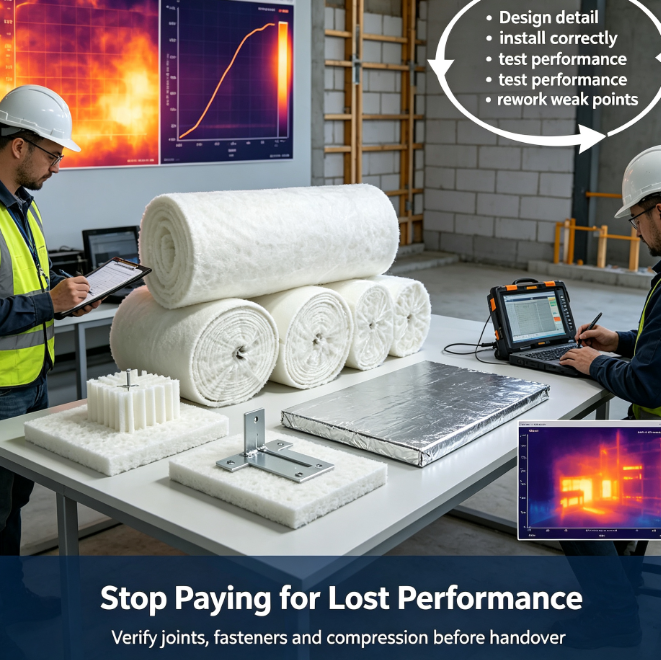
Thermal Bridging and Joint Detailing: Where Aerogel Blanket Installations Lose the Performance You Paid For
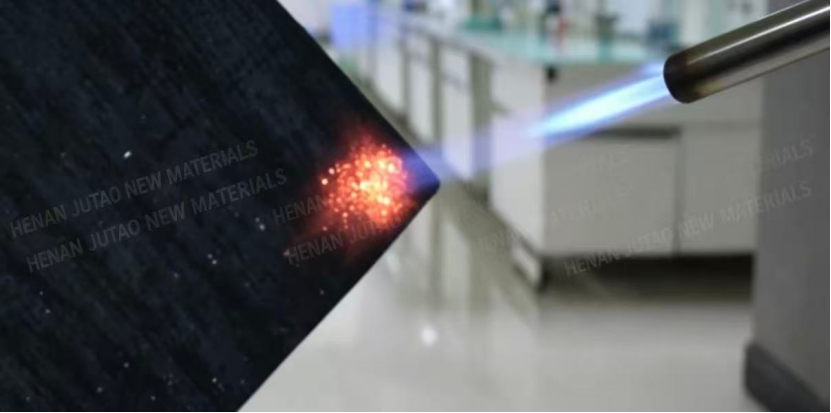
China Custom Vacuum Panels Four Key Composite Processes for PANOF Aerogel Blankets
Pre-oxidized PAN fiber (PANOF), also known as pre-oxidized fiber, is an important precursor material used in carbon fiber production. It offers excellent flexibility, high-temperature resistance, and inherent flame-retardant properties.
A PANOF aerogel blanket is a lightweight nanoporous thermal insulation material made by combining pre-oxidized polyacrylonitrile fibers with silica aerogel. By integrating the high-temperature resistance and flame-retardant performance of PANOF with the ultra-low thermal conductivity of aerogel, this composite material has become increasingly attractive for industrial insulation, electric vehicle battery packs, energy storage systems, and other thermal protection applications.
Different composite technologies can be used to integrate silica aerogel with PANOF substrates. Among them, the following processes are widely used in the development and production of PANOF aerogel blankets.
- Sol-Gel Impregnation Process
The sol-gel impregnation process is one of the most widely used methods for producing fiber-reinforced aerogel composites.
In this process, the PANOF blanket is impregnated with an aerogel precursor sol. The porous fiber structure helps absorb and retain the sol through capillary action. After gelation, aging, and drying, a silica aerogel network is formed within and around the fiber structure, creating an integrated composite insulation blanket.
For silica-based aerogel systems, the typical process generally includes the following steps:
* A silica precursor, such as tetraethyl orthosilicate (TEOS), is mixed with ethanol and deionized water to prepare a homogeneous precursor solution.
* The pH value is adjusted using an appropriate catalyst to initiate the sol-gel reaction.
* The PANOF blanket is immersed in the precursor sol to ensure sufficient penetration into the fiber network.
* Vacuum-assisted treatment can be used to remove trapped air and improve sol penetration.
* After gelation, the wet composite is aged to strengthen the internal gel network.
* The material is then dried using supercritical drying or optimized ambient-pressure drying processes to remove the solvent and preserve the porous aerogel structure.
The main advantage of this process is the strong integration between the silica aerogel and the PANOF fiber network. The resulting composite can achieve excellent thermal insulation performance while maintaining the flexibility of the fiber blanket.
Depending on the formulation and production process, the thermal conductivity of PANOF aerogel blankets can be reduced to approximately 0.018 W/(m·K). This makes the material suitable for applications requiring thin, lightweight, and flexible thermal insulation, such as EV battery modules and high-temperature industrial equipment.
However, supercritical drying requires specialized equipment and involves relatively high production costs. Ambient-pressure drying can provide a more cost-effective alternative, although the process must be carefully optimized to minimize shrinkage and maintain the porous structure of the aerogel.
- Aerogel Powder Spray Coating Process
The aerogel powder spray coating process is more suitable for continuous manufacturing and large-scale industrial production.
In this process, silica aerogel powder is mixed with a suitable binder and dispersing agent to form a stable coating suspension. The suspension is then sprayed evenly onto the surface of the PANOF blanket and into the fiber intersections.
A typical process includes:
* Preparing a uniform suspension using aerogel powder with an appropriate particle size, together with a heat-resistant binder and dispersing agent.
* Applying the suspension evenly to the PANOF blanket using spray-coating equipment.
* Controlling the coating thickness according to the required insulation performance and product flexibility.
* Drying and curing the coated blanket to form a stable bonding layer.
To further improve the bonding strength between the aerogel and the fiber substrate, a spray-and-needle-punching process can also be used. After each coating stage, needle punching helps drive part of the aerogel-containing material deeper into the fiber structure, improving mechanical interlocking and interfacial adhesion.
Compared with conventional impregnation processes, spray coating offers advantages in production efficiency, process flexibility, and compatibility with automated manufacturing lines.
- Fiber Network Reinforcement and Multi-Layer Composite Technology
For applications requiring higher mechanical strength and improved thermal protection, PANOF aerogel blankets can also be produced using multi-layer composite structures.
In this approach, aerogel-containing layers are combined with PANOF fiber layers through lamination, needle punching, or other reinforcement technologies. The multi-layer structure helps improve the material’s dimensional stability and mechanical performance while maintaining excellent thermal insulation.
This process is particularly suitable for applications where the material must withstand vibration, compression, or repeated thermal cycling.
- In-Situ Aerogel Growth Composite Process
Another advanced composite technology is the in-situ formation of aerogel within the PANOF fiber network.
Instead of simply coating or bonding pre-produced aerogel particles to the fiber substrate, the aerogel precursor is introduced directly into the porous structure of the PANOF blanket. The gel network then forms in situ around the fibers during the sol-gel process.
This approach can improve the distribution uniformity of the aerogel and enhance the interface between the fiber skeleton and the nanoporous silica structure.
The resulting composite material can offer a more integrated microstructure and improved resistance to aerogel particle shedding. However, the process requires precise control of precursor formulation, gelation conditions, and drying parameters.
Choosing the Right Composite Process
Different PANOF aerogel blanket manufacturing processes offer different advantages in terms of thermal insulation performance, flexibility, mechanical strength, production efficiency, and cost.
Sol-gel impregnation provides strong integration between aerogel and fibers and is suitable for high-performance insulation applications. Aerogel powder spray coating is more compatible with large-scale and continuous production. Multi-layer composite technology can improve mechanical strength and structural stability, while in-situ aerogel formation provides a more integrated microstructure and enhanced interface performance.
As demand continues to grow for high-temperature insulation and fire-resistant thermal protection materials, PANOF aerogel blankets are expected to play an increasingly important role in industrial equipment, new energy vehicles, battery systems, energy storage facilities, and other advanced thermal management applications.
By selecting the appropriate composite process and optimizing the material structure, manufacturers can balance thermal performance, mechanical durability, flexibility, and production efficiency to meet the requirements of different markets and applications.
Jutao Environmental Technology — Specialists in Aerogel Material Solutions
Stay connected with us for the latest updates, industry insights and application solutions in the aerogel sector.
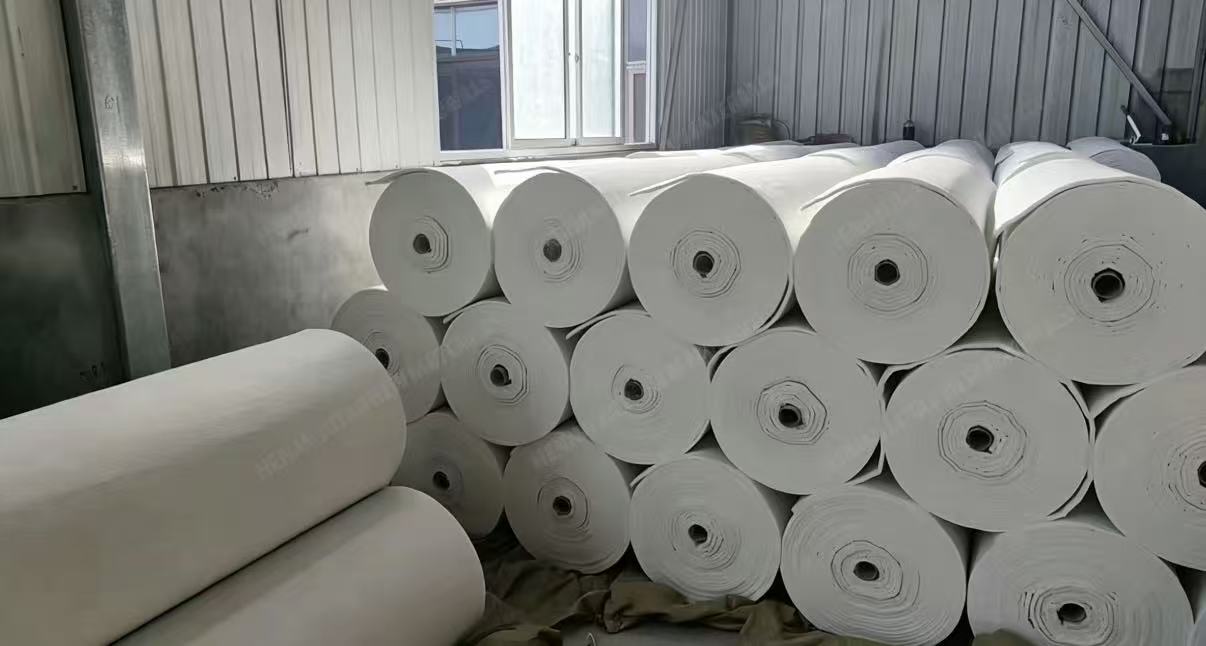
Custom China Aerogel Wall Advantages of Aerogel Thermal Insulation Pads in Energy-Efficient Buildings
As energy efficiency and sustainable construction become increasingly important worldwide, reducing energy consumption in buildings has become a key focus for the construction industry. Traditional insulation materials, such as mineral wool and expanded polystyrene (EPS), can provide basic thermal insulation, but they may require greater thickness or face limitations in space-constrained, complex, or high-performance applications.
Aerogel thermal insulation pads are emerging as an advanced insulation solution for energy-efficient buildings. With their nanoporous structure, low thermal conductivity, lightweight design, and flexible application possibilities, they offer new opportunities for improving the thermal performance of building envelopes and other energy-sensitive components.
- Excellent Thermal Insulation Performance
The outstanding insulation performance of aerogel materials comes from their unique nanoporous structure. Aerogel consists of a nanoscale solid network containing a large volume of pores, which helps reduce heat transfer through conduction and convection.
Aerogel thermal insulation pads typically offer significantly lower thermal conductivity than many conventional insulation materials. Depending on the material formulation and application conditions, thermal conductivity can generally range from approximately 0.018 to 0.025 W/(m·K).
This high insulation efficiency allows designers to achieve strong thermal performance with a thinner insulation layer. In applications where installation space is limited, aerogel insulation pads can help reduce wall thickness while maintaining effective thermal resistance.
For urban buildings, renovation projects, and high-density developments, thinner insulation systems may also help preserve valuable indoor space.
- Thin and Lightweight Design for Complex Building Applications
One of the major advantages of aerogel thermal insulation pads is their lightweight and adaptable structure. Depending on the product design, they can be used in areas where traditional bulky insulation materials may be difficult to install.
Typical applications include:
* Door and window areas: Aerogel insulation pads can be installed around window frames, wall connections, and other thermal bridge areas to help reduce heat transfer.
* Existing building renovation: Their thin profile makes aerogel insulation solutions suitable for energy-saving upgrades where major structural changes or thick additional insulation layers may not be practical.
* HVAC systems and building equipment: Aerogel insulation pads can be applied around pipes, ducts, and irregular equipment surfaces to help reduce thermal energy loss.
Their flexibility and compact structure make them particularly attractive for building retrofit projects, complex construction details, and space-limited applications.
- Improved Fire Safety Performance
Fire safety is an important consideration when selecting insulation materials for buildings. Depending on the specific product formulation and reinforcement materials used, aerogel-based insulation products can provide strong high-temperature resistance and can be designed to meet relevant fire performance requirements.
Compared with some organic insulation materials, inorganic aerogel-based insulation systems may offer advantages in applications where higher thermal stability and improved fire resistance are required.
For high-rise buildings, public facilities, industrial buildings, and other projects with demanding safety requirements, selecting insulation materials with suitable fire performance can contribute to the overall safety design of the building.
- Moisture Resistance and Long-Term Durability
Building insulation materials are often exposed to changing temperatures, humidity, and long-term environmental conditions. Moisture absorption can reduce the insulation performance of some traditional materials over time.
Many aerogel insulation products can be engineered with hydrophobic properties, helping reduce water absorption and maintain stable thermal performance in humid environments.
In addition, the chemical stability and aging resistance of aerogel-based materials can support long-term use in demanding applications. When properly selected and installed, aerogel insulation pads can help reduce maintenance requirements and contribute to the long-term energy efficiency of building systems.
- Supporting Sustainable and Energy-Efficient Construction
Improving the insulation performance of a building envelope can help reduce heating and cooling loads, supporting lower overall energy consumption.
Aerogel thermal insulation pads provide an efficient solution for projects seeking high thermal performance with limited installation space. Their thin design can also reduce material usage in certain applications and make energy-saving upgrades easier to implement.
As green building standards and energy-efficiency requirements continue to evolve, advanced insulation materials are expected to play an increasingly important role in new construction and building renovation projects.
Applications of Aerogel Thermal Insulation Pads in Buildings
Aerogel thermal insulation pads can be used in a variety of building-related applications, including:
* Wall and façade insulation
* Roof insulation
* Door and window frame areas
* Thermal bridge reduction
* HVAC systems
* Pipes and ducts
* Mechanical equipment insulation
* Existing building energy-saving renovations
* Space-constrained construction areas
Conclusion
Aerogel thermal insulation pads offer a combination of high thermal insulation efficiency, thin construction, lightweight performance, flexible installation, and long-term durability. These characteristics make them a promising solution for energy-efficient buildings, particularly in applications where traditional insulation materials may be too thick or difficult to install.
From new construction projects to building renovation and energy-saving upgrades, aerogel insulation technology provides an effective option for improving thermal performance while supporting more sustainable building design.
As aerogel manufacturing technology continues to advance and production becomes increasingly efficient, aerogel thermal insulation pads are expected to find broader applications in the global building and construction industry.
Jutao Environmental Technology — Specialists in Aerogel Material Solutions
Stay connected with us for the latest updates, industry insights and application solutions in the aerogel sector.
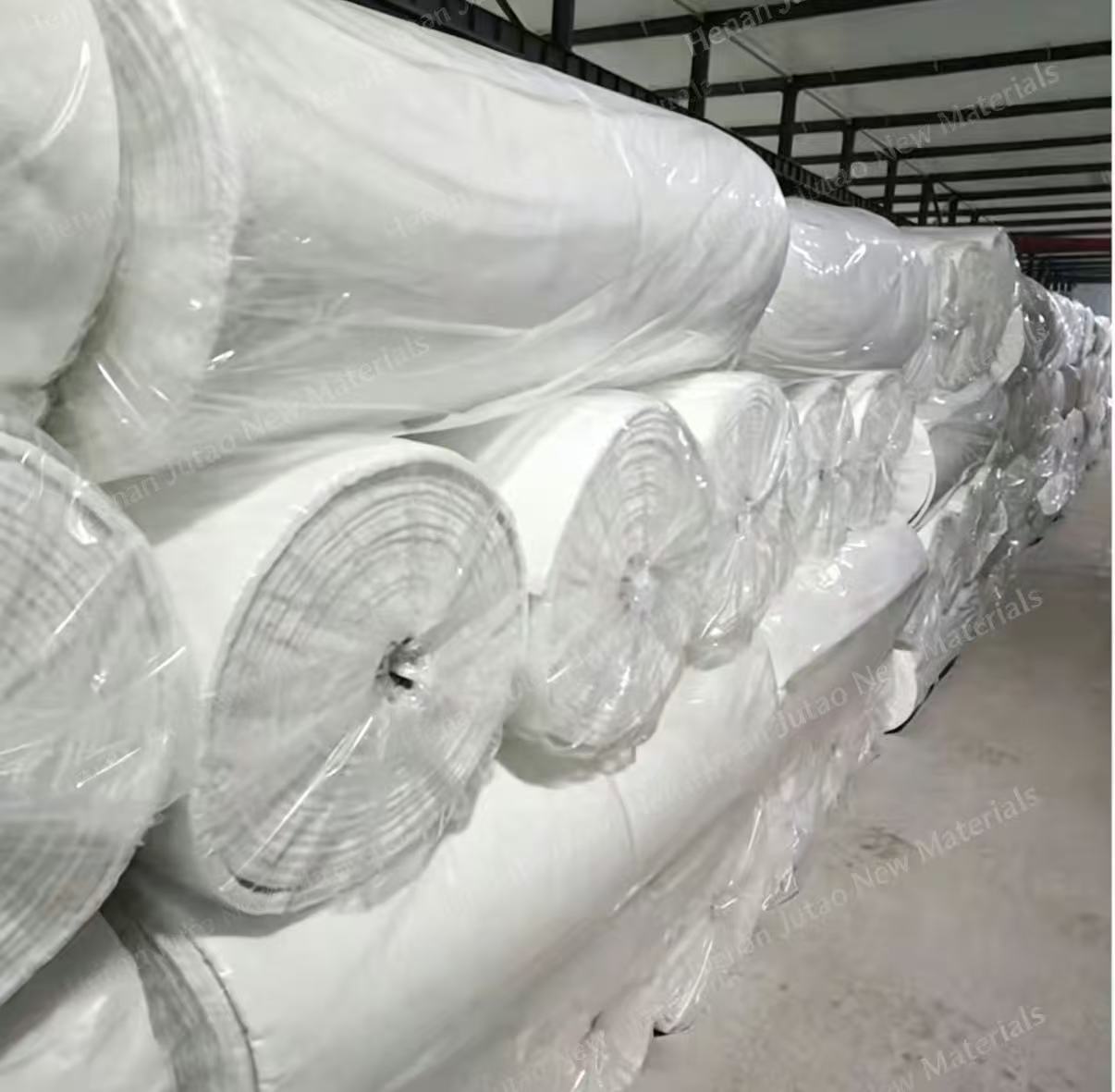
What Is the R-Value of Aerogel?

Custom China Aerogel Panels Why Are Aerogel Thermal Insulation Pads Becoming a Preferred Choice for Energy Saving?
As global demand for energy efficiency, sustainable construction, and high-performance thermal management continues to grow, advanced insulation materials are becoming increasingly important across the construction, industrial, new energy, and transportation sectors.
Among these materials, aerogel thermal insulation pads are gaining attention for their ultra-low thermal conductivity, thin and lightweight structure, broad application adaptability, and long-term performance stability.
But why are aerogel insulation pads standing out from conventional insulation materials?
The answer lies in their unique nanoporous structure and their ability to reduce heat transfer through multiple mechanisms, including thermal conduction, convection, and radiation.
- Outstanding Thermal Insulation Performance Enabled by a Nanoporous Structure
Aerogel is a highly porous material with a three-dimensional nanoscale network structure. Its internal structure contains a large number of nanosized pores, which help reduce heat transfer through both solid and gaseous pathways.
Thanks to this unique structure, aerogel materials typically offer extremely low thermal conductivity, commonly in the range of 0.012–0.020 W/(m·K), depending on material composition, density, reinforcement, and application conditions.
When manufactured into thermal insulation pads, aerogel can provide high thermal resistance within a relatively thin profile.
Compared with conventional insulation materials, aerogel insulation pads can often achieve similar insulation performance with reduced thickness, making them particularly suitable for applications where installation space is limited.
This advantage is especially valuable in compact industrial equipment, battery systems, building components, and other applications requiring both high insulation efficiency and space-saving design.
- Multi-Dimensional Protection Against Heat Transfer
Heat is generally transferred through three primary mechanisms: conduction, convection, and radiation.
Aerogel thermal insulation pads can help reduce all three forms of heat transfer through their nanoporous structure and functional composite design.
Reduced Thermal Conduction
The three-dimensional nanoscale network inside aerogel helps extend the path through which heat travels.
At the same time, the material’s high porosity reduces continuous solid heat-transfer pathways, contributing to lower thermal conductivity.
This allows aerogel insulation materials to provide high thermal resistance even in relatively thin structures.
Suppressed Air Convection
In conventional porous insulation materials, larger pores may allow air movement, resulting in convective heat transfer.
Aerogel contains nanoscale pores that significantly restrict the movement of air molecules and help suppress internal air convection.
This structural feature is one of the key reasons why aerogel materials can achieve excellent thermal insulation performance.
Reduced Thermal Radiation
Thermal radiation becomes increasingly important in high-temperature applications.
Some aerogel thermal insulation pads can be designed with infrared opacifiers or other functional additives to reduce the impact of radiative heat transfer.
This type of composite design can further improve insulation performance in demanding thermal environments.
As a result, aerogel insulation pads are suitable not only for conventional temperature applications but also for selected high-temperature industrial environments.
- Energy-Saving Applications Across Multiple Industries
With their lightweight structure, thin profile, and high insulation efficiency, aerogel thermal insulation pads offer significant potential across a wide range of industries.
Building Energy Efficiency
Building envelopes are one of the major sources of energy loss.
Aerogel insulation pads can be used in walls, roofs, window systems, and other space-constrained areas to reduce heat transfer between indoor and outdoor environments.
By reducing heat loss during colder periods and limiting external heat gain during warmer periods, aerogel insulation materials can help improve indoor thermal stability and reduce the energy demand of heating and cooling systems.
Their thin profile makes them particularly attractive for high-performance building retrofits and applications where conventional insulation thickness is difficult to accommodate.
Industrial Energy Saving
Industrial pipelines, tanks, boilers, thermal processing equipment, and high-temperature machinery can experience significant heat loss during operation.
Although conventional insulation materials provide thermal protection, they may require greater thickness to achieve higher insulation performance.
Aerogel thermal insulation pads can provide high thermal resistance in a thinner structure, making them suitable for industrial applications with limited installation space or weight restrictions.
By reducing heat loss from equipment surfaces, aerogel insulation materials can help improve energy efficiency while also contributing to safer and more comfortable operating environments.
New Energy and Battery Systems
Thermal management is a critical factor in electric vehicles and energy storage systems.
Aerogel thermal insulation pads can be used between battery cells, modules, or other heat-sensitive components to help reduce heat transfer.
In certain applications, aerogel materials can also form part of a broader thermal protection system designed to slow heat propagation and provide additional time for thermal management measures.
As electric vehicles and energy storage technologies continue to develop, demand for lightweight, high-performance thermal insulation materials is expected to increase.
Transportation Applications
Automotive, rail transportation, and other mobility systems often require a combination of lightweight construction and efficient thermal protection.
Aerogel insulation pads can provide effective thermal insulation while adding relatively little weight to the overall system.
Their lightweight properties can help reduce structural loads while supporting improved energy efficiency and thermal management performance.
- Long-Term Value Beyond Thermal Insulation
In addition to excellent insulation performance, aerogel thermal insulation pads can offer several advantages that support long-term energy-saving value.
Durability and Performance Stability
With appropriate reinforcement, composite design, and protective construction, aerogel insulation materials can be engineered to operate in a variety of demanding environments while maintaining stable thermal performance.
For buildings and industrial equipment designed for long-term operation, reliable insulation performance can help reduce maintenance requirements and replacement frequency.
Lightweight and Space-Saving Design
Compared with many conventional insulation solutions, aerogel materials can deliver high thermal resistance in thinner and lighter structures.
This can help save installation space while reducing additional weight on equipment or structural components.
Application Adaptability
Different aerogel thermal insulation pads can be engineered with specific performance characteristics, including high-temperature resistance, moisture resistance, flexibility, and mechanical strength.
This flexibility allows aerogel insulation materials to be adapted to a wide range of applications across construction, industrial equipment, new energy systems, and transportation.
- Why Are Aerogel Thermal Insulation Pads an Important Material for Future Energy Efficiency?
As industries place greater emphasis on energy efficiency, carbon reduction, and sustainable development, insulation materials are facing increasingly demanding performance requirements.
Future insulation solutions must offer more than low thermal conductivity. They are also expected to provide lightweight construction, reduced thickness, durability, application flexibility, and multifunctional performance.
Aerogel thermal insulation pads are well aligned with this trend.
They can provide highly efficient thermal insulation within limited installation space while helping reduce energy losses during long-term operation.
As aerogel manufacturing technologies continue to improve and large-scale production expands, material costs and processing methods are also expected to become increasingly optimized.
In the future, aerogel thermal insulation pads are expected to find broader applications in green buildings, high-temperature industrial equipment, electric vehicles, energy storage systems, aerospace, and other advanced thermal management applications.
Conclusion
Aerogel thermal insulation pads are becoming an increasingly important choice for energy-saving applications because of their unique nanoporous structure and highly efficient thermal insulation performance.
By reducing thermal conduction, suppressing internal air convection, and helping control thermal radiation through functional design, aerogel insulation materials can provide effective thermal protection in thin and lightweight structures.
From energy-efficient buildings and industrial equipment to battery systems and transportation applications, aerogel thermal insulation pads are providing new solutions for advanced thermal management and energy conservation.
As global efforts toward energy efficiency and low-carbon development continue to accelerate, aerogel-based insulation materials are expected to play an increasingly important role in future energy-saving technologies and advanced manufacturing.
Jutao Environmental Technology — Specialists in Aerogel Material Solutions
Stay connected with us for the latest updates, industry insights and application solutions in the aerogel sector.
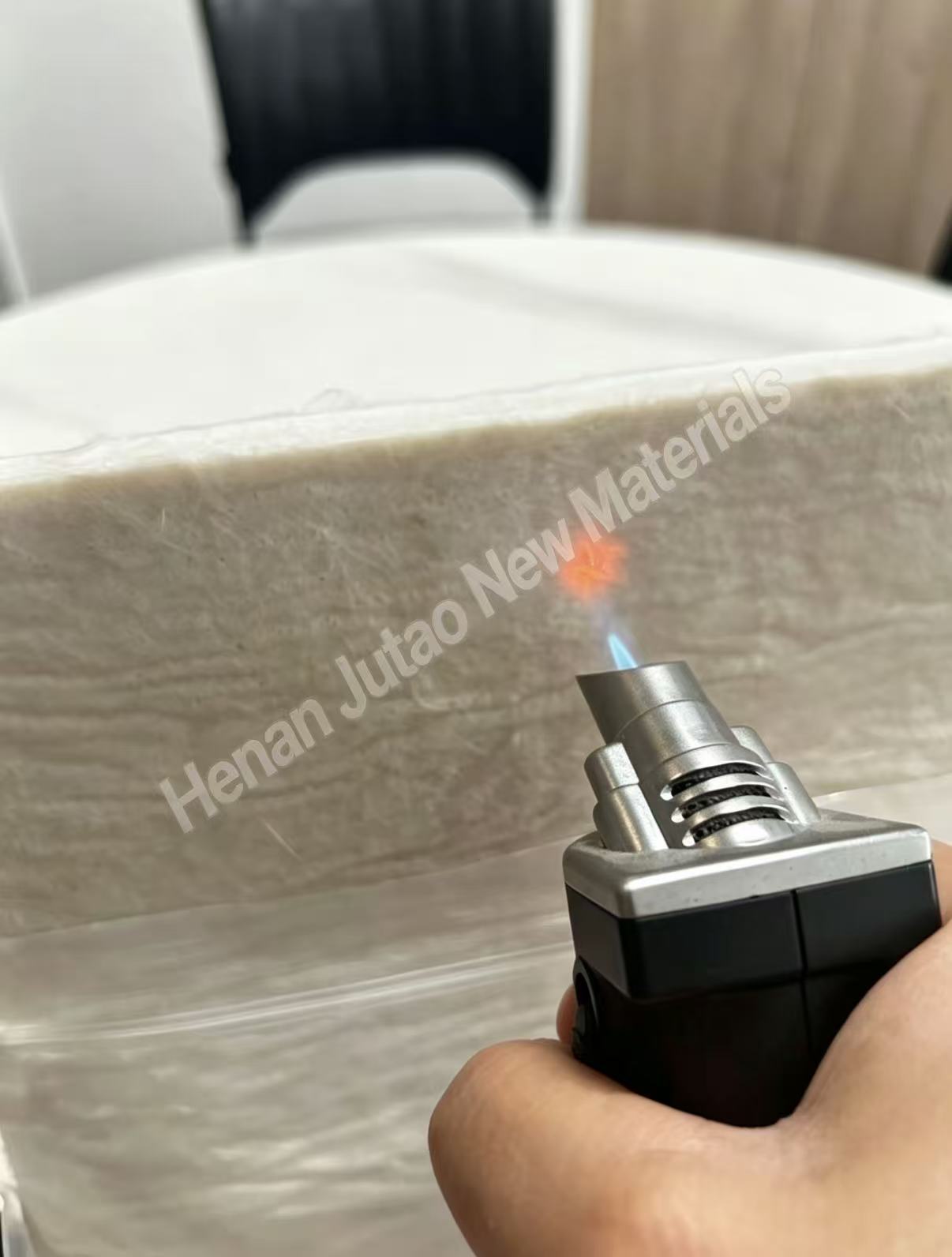
Flexible Aerogel Factory Why Can Aerogel Insulation Gaskets Improve Equipment Efficiency?
Aerogel Insulation Gaskets: The Key to Better Thermal Management and Equipment Efficiency
In industrial manufacturing, energy, power, new energy, and high-temperature applications, equipment efficiency depends not only on the performance of core components but also on effective thermal management. Excessive heat loss, temperature fluctuations, and thermal stress can increase energy consumption and negatively affect equipment stability and service life.
Aerogel insulation gaskets are high-performance thermal insulation components developed from the unique nanoporous structure of aerogel materials. By combining the excellent thermal insulation properties of aerogel with the flexibility, adaptability, and installation convenience of gasket materials, they can be used around equipment connections, heat sources, interfaces, and other areas requiring localized thermal insulation.
So, why can aerogel insulation gaskets help improve equipment efficiency? The key advantages include the following.
- Excellent Thermal Insulation Helps Reduce Energy Loss
Aerogel features a highly porous nanoscale network structure that effectively suppresses heat transfer through solid conduction and gas convection, while also reducing radiative heat transfer under appropriate conditions. Depending on the aerogel formulation and testing conditions, high-performance aerogel materials can achieve very low thermal conductivity and provide excellent thermal resistance even in relatively thin insulation layers.
For industrial equipment, reducing unnecessary heat loss means less energy is required to compensate for thermal losses, helping improve overall energy efficiency.
Typical applications include:
* Industrial heating equipment: Used around furnaces, heating systems, reactors, and high-temperature pipelines to reduce heat loss to the surrounding environment.
* Heat treatment equipment: Helps keep thermal energy concentrated in the effective working area and reduces heat dissipation.
* Refrigeration and low-temperature equipment: Limits heat transfer into low-temperature areas, reducing cooling losses and additional refrigeration loads.
* Heat exchange and energy systems: Used for localized insulation and thermal management to improve overall thermal efficiency.
In other words, aerogel insulation gaskets do more than simply “block heat.” By reducing unnecessary thermal losses, they help equipment operate more efficiently.
- Improved Temperature Stability for More Precise Operation
For many industrial systems, stable temperature conditions are essential for equipment performance and product quality.
Traditional insulation materials may experience performance degradation over long-term operation due to temperature fluctuations, compression, aging, or moisture exposure. High-performance aerogel insulation materials can maintain reliable thermal insulation within their applicable temperature range, helping reduce localized temperature fluctuations and unwanted heat transfer.
In precision manufacturing, electronics, laboratory equipment, and thermal processing systems, properly positioned aerogel insulation gaskets can reduce thermal interference from the surrounding environment and help maintain more stable operating temperatures.
Potential applications include:
* Localized thermal isolation in semiconductor and precision processing equipment;
* Thermal insulation between heat-generating components and temperature-sensitive electronic components;
* Temperature-zone control in industrial furnaces and heat treatment systems;
* Localized thermal management in HVAC and energy equipment.
More stable temperature conditions can help reduce equipment performance fluctuations and improve the consistency of industrial processes.
- Reduced Thermal Stress Helps Extend Equipment Service Life
Continuous exposure to high or low temperatures, as well as frequent temperature changes, can cause thermal expansion and contraction in equipment components. Over time, this may contribute to material fatigue, sealing degradation, and premature component aging.
Aerogel insulation gaskets can reduce heat transfer to adjacent components and provide localized thermal protection for temperature-sensitive parts.
This type of thermal protection is particularly valuable in automotive, industrial, power, and new energy applications.
For example, around high-temperature pipelines, engine exhaust systems, industrial furnaces, and battery systems, aerogel insulation gaskets can serve as thermal barriers to help protect seals, cables, electronic components, and other temperature-sensitive parts.
By reducing thermal exposure and premature aging, equipment may require less maintenance and experience fewer unplanned shutdowns caused by thermal-related component failures.
- Lightweight Design Supports Equipment Weight Reduction
In addition to thermal insulation performance, lightweight construction is another important advantage of aerogel materials.
Compared with some conventional, relatively heavy insulation materials, aerogel-based solutions can offer low density. For applications where equipment weight or installation space is limited, aerogel insulation gaskets can provide effective thermal isolation with relatively low weight and thickness.
This makes them suitable for:
* Aerospace equipment;
* Electric vehicles and battery systems;
* Portable industrial equipment;
* Electronic and precision equipment;
* Thermal management systems with strict space and weight requirements.
By incorporating lightweight insulation solutions during equipment design, manufacturers can gain greater flexibility in structural optimization and space utilization.
- Flexible Geometry for More Versatile Thermal Insulation
Compared with large-area rigid insulation structures, aerogel insulation gaskets can be cut, shaped, and installed according to specific equipment geometries. This makes them particularly suitable for flanges, connections, equipment interfaces, and irregular structural areas.
This adaptability allows aerogel insulation gaskets to provide thermal protection in localized areas that may be difficult to cover with conventional insulation materials.
For industrial equipment, heat loss does not always occur across large surface areas. Connections, interfaces, and localized high-temperature zones can also become important thermal weak points. Targeted insulation in these areas can therefore help create a more comprehensive thermal management system.
Key Application Areas of Aerogel Insulation Gaskets
With their combination of low thermal conductivity, lightweight construction, high-temperature resistance, and structural adaptability, aerogel insulation gaskets can be used across a wide range of industries, including:
Industrial Manufacturing: Furnaces, reactors, high-temperature pipelines, heat treatment equipment, and other industrial systems.
Energy and Power: Power equipment, thermal energy systems, generation equipment, and energy pipelines.
Automotive and New Energy: Engines, exhaust systems, battery packs, and thermal management systems for electric vehicles.
Electronics: Chips, electronic components, servers, and equipment requiring localized thermal isolation.
Aerospace: Aircraft engines, aerospace equipment, and other applications requiring lightweight thermal protection.
Conclusion
Improving equipment efficiency is not only about optimizing core components. Effective thermal management is also an essential part of modern equipment design.
Aerogel insulation gaskets can help improve equipment performance by reducing heat loss, stabilizing operating temperatures, minimizing thermal stress, supporting lightweight design, and adapting to complex structures.
As industrial energy efficiency, advanced manufacturing, and new energy technologies continue to develop, aerogel insulation gaskets are expected to find broader applications in high-temperature insulation, localized thermal protection, and advanced thermal management, providing an efficient material solution for improving equipment energy performance and operational reliability.
Jutao Environmental Technology — Specialists in Aerogel Material Solutions
Stay connected with us for the latest updates, industry insights and application solutions in the aerogel sector.
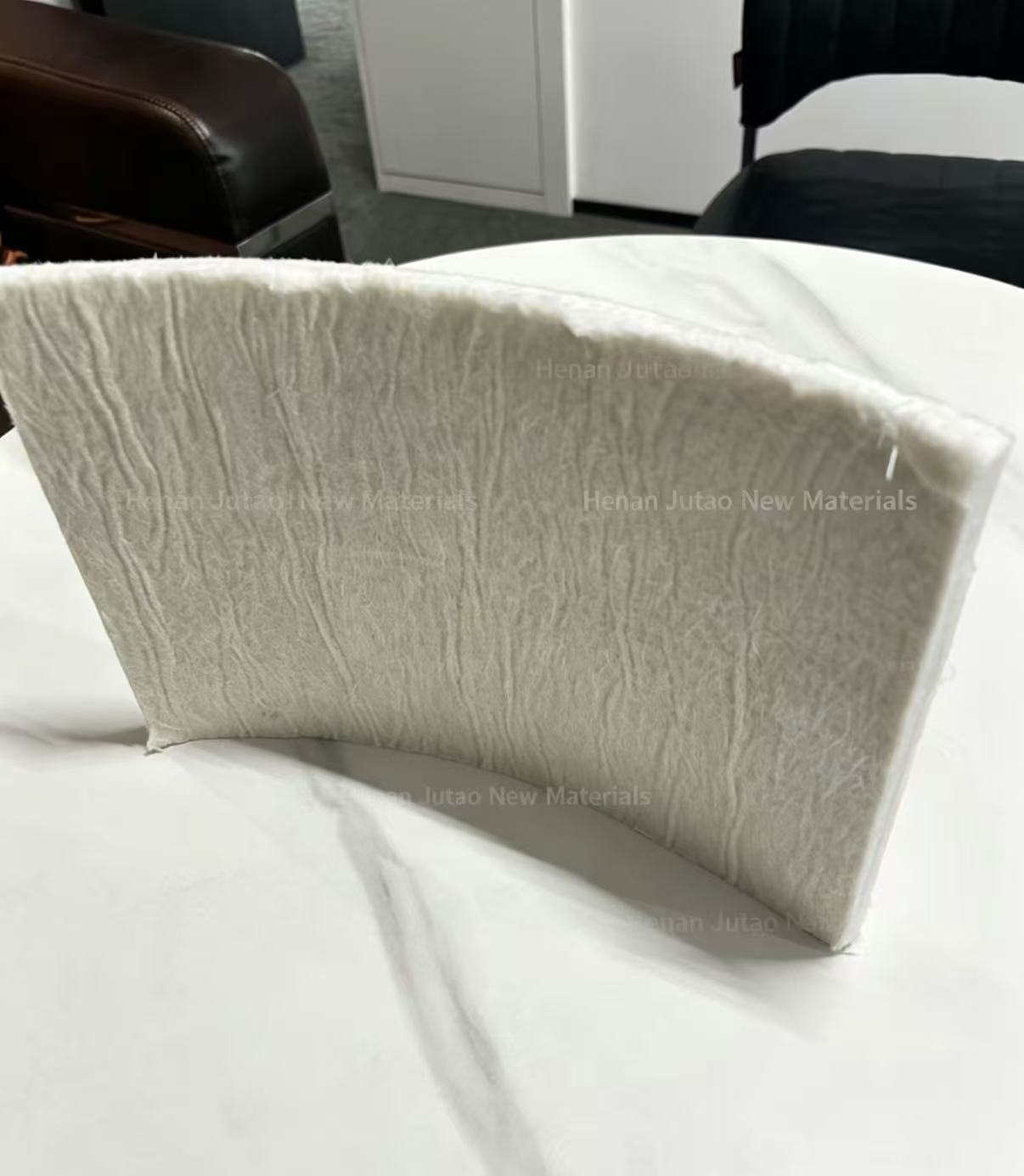
Aerogel Panels Factories Applications of Aerogel Insulation Gaskets in High-Temperature Equipment
As industrial equipment continues to move toward higher operating temperatures, greater energy efficiency, and lightweight design, conventional insulation materials are increasingly facing limitations in terms of thickness, weight, thermal performance, and adaptability to complex structures.
Aerogel insulation gaskets combine the unique nanoporous structure of aerogel materials with the fitting, cushioning, and thermal insulation functions of gaskets. This combination makes them an efficient and compact thermal management solution for a wide range of high-temperature equipment.
Aerogel insulation gaskets are commonly manufactured using silica aerogel combined with fiber reinforcement. Depending on the application, they can be produced as flexible gaskets, sealing components, or customized insulation parts. Typical thermal conductivity can reach approximately 0.012–0.025 W/(m·K), while their low density, high-temperature stability, and flexibility make them suitable for industrial furnaces, energy systems, chemical processing equipment, and selected aerospace thermal management applications.
- Energy-Saving Applications in Industrial Furnaces
Industrial furnaces are widely used in ceramics, metallurgy, glass manufacturing, heat treatment, and other industries. These systems typically operate under high thermal loads, while furnace doors, flanges, equipment interfaces, and structural gaps are common areas for heat loss.
Aerogel insulation gaskets can be used around furnace doors, equipment connections, and high-temperature pipeline interfaces. Their low thermal conductivity helps reduce heat transfer while their flexible structure allows them to adapt to certain irregular or confined installation areas.
For example, aerogel gaskets can be used around furnace doors and inspection openings in ceramic kilns and heat-treatment equipment. At flange connections in high-temperature steam pipelines and industrial piping systems, they can provide localized thermal insulation and cushioning while helping reduce heat loss and improve the thermal environment around the equipment.
- Lightweight Thermal Protection for Aerospace Applications
Aerospace equipment places particularly demanding requirements on insulation materials. In addition to high-temperature stability, materials must often provide effective thermal protection with minimum weight and thickness.
Aerogel materials feature low density and excellent thermal insulation performance, making them suitable for selected engine thermal management components, spacecraft thermal protection structures, and insulation areas between high-temperature components.
Where installation space is limited, aerogel insulation gaskets can provide relatively high thermal resistance with a thin insulation layer, helping engineers achieve more compact and lightweight designs.
For aerospace applications, however, material selection should be based on specific operating temperatures, mechanical loads, thermal cycling, material compatibility, and applicable qualification requirements. Actual performance should be verified through application-specific testing.
- Thermal Management in High-Temperature New Energy Equipment
The development of new energy technologies has increased the demand for high-temperature energy systems, including solid oxide fuel cells (SOFCs) and concentrated solar power systems.
In high-temperature systems such as SOFCs, aerogel insulation gaskets can be installed between heat-generating components and external structures to reduce unwanted heat transfer and improve temperature management within the equipment.
In concentrated solar power systems, high-temperature pipelines, collector components, and connection points can experience continuous thermal losses. Aerogel insulation materials can be applied to pipelines and interfaces to provide high thermal resistance in limited installation spaces, helping improve overall thermal energy utilization.
- Thermal Insulation and Safety Protection in Chemical Processing Equipment
Chemical processing equipment such as reactors, heat-transfer systems, thermal-fluid pipelines, and high-temperature flange connections often require a combination of thermal insulation, sealing, and long-term operating stability.
Aerogel insulation gaskets can be used around equipment connections and localized heat sources to reduce heat transfer and help lower external surface temperatures and thermal radiation to the surrounding environment.
For high-temperature pipelines and thermal-fluid systems, including molten-salt systems, aerogel insulation materials can be cut and customized according to equipment geometry. This makes them suitable for compact insulation around flanges, valves, and other complex components.
- Key Advantages of Aerogel Insulation Gaskets
High Thermal Insulation Performance
The nanoporous structure of aerogel effectively limits solid conduction, gas conduction, and thermal radiation, resulting in very low thermal conductivity. This makes aerogel insulation particularly valuable where high thermal resistance is required within a limited space.
Lightweight Design
Aerogel materials have relatively low density and can significantly reduce insulation weight compared with many conventional insulation materials. This is especially beneficial for weight-sensitive equipment and structures.
Flexibility and Adaptability
Fiber-reinforced aerogel gaskets offer a certain degree of flexibility and can be cut, bent, and customized according to equipment geometry. They can therefore be used around flanges, pipe connections, furnace doors, and other complex areas.
High-Temperature Stability
Silica aerogel provides good thermal stability at elevated temperatures. When combined with suitable reinforcement and composite structures, aerogel insulation gaskets can meet the thermal insulation requirements of various industrial applications.
The actual service temperature depends on the type of aerogel, reinforcement material, composite structure, manufacturing process, and operating environment.
Easy Processing and Installation
Aerogel insulation gaskets can be customized according to equipment dimensions and installation requirements. Their flexible processing characteristics allow them to accommodate different shapes and confined spaces, helping simplify installation and maintenance.
- Challenges to Consider
Despite their advantages, aerogel insulation gaskets still require careful consideration when being adopted for large-scale industrial applications.
First, aerogel production involves processes such as sol-gel synthesis, drying, and composite reinforcement, which generally result in higher costs than conventional insulation materials.
Second, some aerogel materials have limited mechanical strength and may require fiber reinforcement or composite structures to improve compression resistance, tear resistance, and dimensional stability.
For long-term ultra-high-temperature applications, material selection should also consider operating temperature, thermal cycling, mechanical vibration, chemical exposure, and installation conditions. Application-specific testing is recommended before large-scale deployment.
Conclusion
Aerogel insulation gaskets are emerging as an important material for thermal management in high-temperature equipment. With their low thermal conductivity, lightweight structure, high-temperature stability, and adaptability to complex geometries, they provide compact and efficient insulation solutions for industrial furnaces, energy systems, chemical processing equipment, new energy systems, and selected aerospace applications.
As aerogel manufacturing, fiber reinforcement, and large-scale production technologies continue to advance, improvements in cost efficiency and mechanical performance are expected to further expand their commercial applications.
In the future, aerogel insulation gaskets are expected to play an increasingly important role in industrial energy efficiency, high-temperature thermal management, and advanced equipment manufacturing.
Jutao Environmental Technology — Specialists in Aerogel Material Solutions
Stay connected with us for the latest updates, industry insights and application solutions in the aerogel sector.