



Industry News
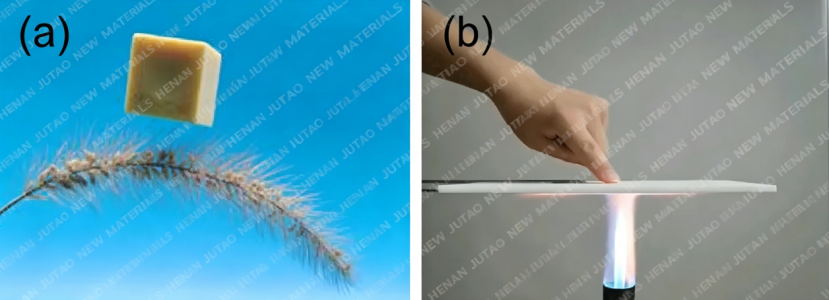









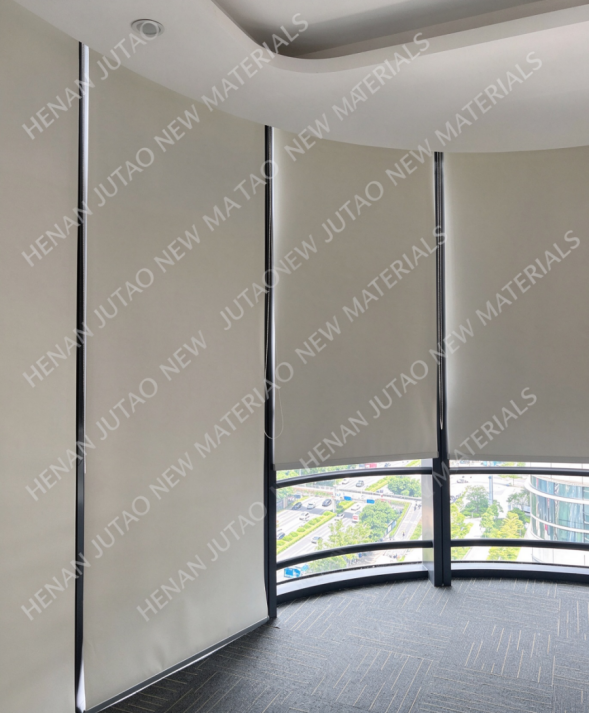
Post-Installation Inspection and Handover: How EPC Teams Verify an Aerogel Insulation Job Before Signing Off
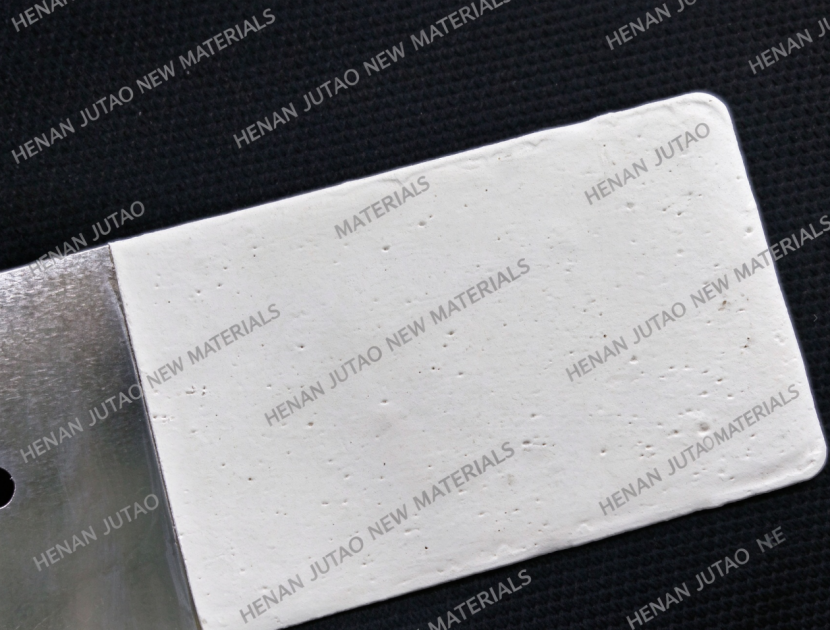
Aerogel Insulation Panel Manufacturer Aerogel-Based Fire-Resistant Coatings for Steel Structures: Intumescent and Non-Intumescent Solutions
As steel structures become increasingly common in buildings, industrial plants and infrastructure projects, fire protection has become an essential part of structural safety planning. Although steel offers high strength and construction efficiency, its mechanical properties deteriorate at elevated temperatures. During a fire, unprotected steel members may deform, potentially compromising structural stability.
Passive fire protection helps slow the transfer of heat to structural components and provides additional time for evacuation and emergency response. Fire-resistant coatings are widely used for this purpose. By incorporating the nanoporous structure of silica aerogel into different coating systems, Henan Jutao New Materials develops intumescent and non-intumescent aerogel-based fire-resistant coatings for a range of steel structure applications.
- Intumescent Aerogel-Based Fire-Resistant Coatings
Product Composition and Working Principle
Henan Jutao New Materials’ intumescent fire-resistant coating for steel structures combines nanoporous silicon dioxide (SiO₂) aerogel powder with an intumescent formulation containing components such as ammonium polyphosphate, together with inorganic flame-retardant materials.
When exposed to high temperatures, an intumescent coating can expand and form a protective char layer. This layer helps slow heat transfer to the underlying steel, delaying temperature rise and providing valuable time for evacuation and fire response.
Key Advantages
* Thin-film protection: Can help reduce the space required for fire protection, subject to the project’s design and fire-resistance requirements.
* Good adhesion: Designed to adhere to properly prepared steel surfaces.
* Protective char formation: The char layer formed under heat provides a thermal barrier.
* Convenient application: Application methods can be selected according to project conditions and product specifications.
* Appearance considerations: Certain applications can combine fire protection with the desired surface finish.
Typical Applications
Intumescent aerogel-based fire-resistant coatings may be considered for steel structures in:
* Commercial buildings, industrial plants and warehouses;
* Petrochemical facilities and associated steel structures;
* Power generation, metallurgy and other industrial facilities;
* Offshore drilling platforms and oil storage support structures;
* Automotive manufacturing facilities and other steel structures with fire-protection requirements.
For projects requiring a specified fire-resistance rating, product selection, coating thickness and application procedures should be determined in accordance with applicable fire codes, engineering design and relevant test or certification results. The actual fire-resistance rating must be verified for the intended system and application.
- Non-Intumescent Aerogel-Based Fire-Resistant Coatings
Product Composition and Working Principle
Henan Jutao New Materials’ non-intumescent aerogel-based fire-resistant coating is formulated by combining nanoporous SiO₂ aerogel powder with an inorganic binder system. The product has a paste-like consistency and can be applied by troweling, spreading or spraying, depending on the project requirements.
Unlike intumescent coatings, this formulation does not rely on expansion to create a protective char layer. Instead, its heat-resistant coating structure and insulating properties help slow heat transfer to the steel substrate. Actual performance depends on the formulation, applied thickness, substrate conditions and relevant test results.
Key Advantages
* Non-intumescent formulation: Protection does not depend on coating expansion.
* Relatively high coating hardness: Helps meet surface-performance requirements in suitable applications.
* Good adhesion: Designed for application to appropriately prepared steel substrates.
* Lightweight thermal insulation: The nanoporous aerogel structure helps limit heat transfer.
* Adaptability to thicker applications: Application methods can be selected according to project requirements, while crack resistance and final coating quality should be
Jutao Environmental Technology — Specialists in Aerogel Material Solutions
Stay connected with us for the latest updates, industry insights and application solutions in the aerogel sector.
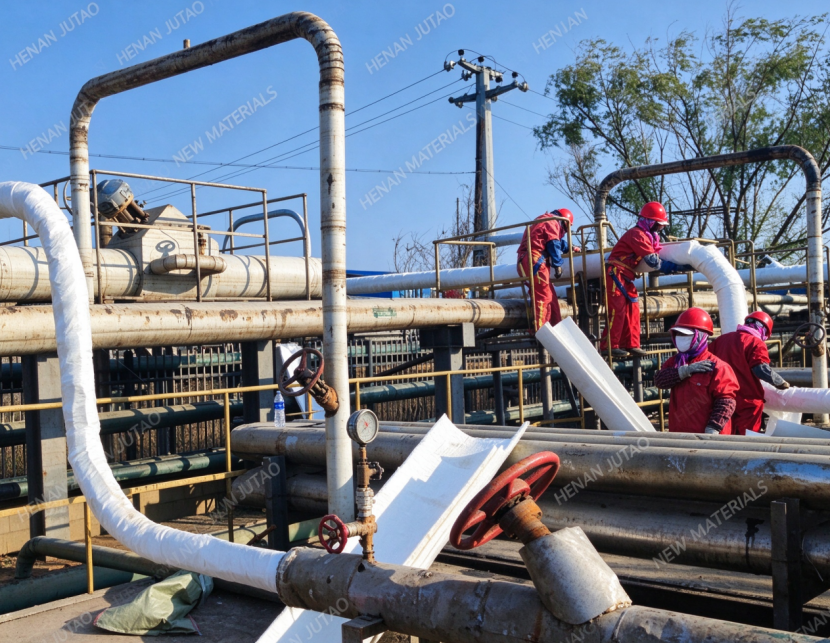
Aerogel Insulation Board Supplier Aerogel Insulation Solutions for High-Temperature Steam Pipelines: Industrial Case Studies
Supporting Thermal Efficiency in Demanding Industrial Environments
High-temperature steam pipelines are essential components in petrochemical plants, energy facilities and industrial process systems. Operating under elevated temperatures and, in some cases, high pressure, these pipelines require reliable insulation to minimize heat loss, maintain process efficiency and support safe operation.
Conventional insulation systems may require considerable thickness to achieve specified thermal performance. For projects with limited installation space or demanding operating conditions, aerogel insulation blankets and prefabricated aerogel pipe sections offer an alternative worth evaluating.
Henan Jutao New Materials has supplied aerogel-based insulation products for industrial pipeline insulation and retrofit projects. The following examples illustrate their use in high-temperature steam and process piping applications.
Case Study 1: High-Pressure Steam Pipeline Retrofit at a Petrochemical Facility
Project requirements
A petrochemical company required insulation improvements for a high-pressure steam pipeline with a nominal diameter of DN500 and an operating steam temperature of 420°C.
Insulation solution
The retrofit used 60 mm-thick aerogel insulation blankets supplied by Henan Jutao New Materials, together with aerogel pipe sections designed for pipeline insulation.
Project outcome
According to the project information provided, the upgraded insulation system delivered satisfactory insulation performance. The retrofit was also reported to extend the insulation maintenance interval significantly.
The project demonstrates the potential of combining aerogel blankets with pipe-shaped insulation components to address the thermal insulation requirements of large-diameter, high-temperature industrial pipelines.
Case Study 2: High-Pressure Steam Pipeline at an Energy Facility
Project requirements
An energy-sector customer needed insulation for a high-pressure steam pipeline operating at a steam flow rate of 80 tonnes per hour. The reported operating conditions were 9.5 MPa pressure and 540°C steam temperature, with a nominal pipe diameter of DN175.
Insulation solution
Henan Jutao New Materials supplied 60 mm-thick aerogel insulation blankets for the pipeline insulation retrofit.
Project benefits
The retrofit was intended to reduce heat dissipation and improve the thermal insulation performance of the pipeline. The relatively compact insulation configuration was also suited to applications where limiting the overall insulation dimensions is important.
This case illustrates the use of aerogel insulation blankets in demanding steam service. For projects operating at 540°C, the suitability of the selected product must be confirmed against its certified continuous-use temperature, installation details and the complete system’s thermal and mechanical requirements.
Case Study 3: Insulation Retrofit for Petrochemical Piping and Equipment
Project requirements
A petrochemical company sought to improve the insulation performance of its piping and associated process equipment while supporting reliable and safe plant operation.
Insulation solution
Aerogel insulation blankets supplied by Henan Jutao New Materials were used in the insulation retrofit.
Application value
The insulation upgrade was intended to reduce heat loss from the treated piping and equipment while supporting improved thermal management in the operating facility.
In petrochemical environments, appropriate insulation selection and installation are important not only for energy efficiency but also for managing external surface temperatures, protecting personnel and addressing moisture-related corrosion risks.
The final performance of an insulation system depends on the operating conditions, product specification, installation quality and the design of the protective cladding.
Why Consider Aerogel Insulation for Industrial Pipelines?
These projects highlight several potential advantages of aerogel-based insulation systems for industrial applications:
* Thermal efficiency: Helps reduce heat loss when properly designed and installed.
* Space efficiency: Can support thinner insulation configurations where project requirements allow.
* Flexible application: Suitable for straight pipes, bends and selected complex geometries.
* Moisture management: Hydrophobic products can help limit water uptake under appropriate conditions.
* Retrofit potential: Can be considered for upgrading existing industrial insulation systems.
Actual energy savings and maintenance benefits should be assessed using project-specific operating data and suitable thermal calculations.
Henan Jutao New Materials: Aerogel Insulation for Industrial Applications
Industrial steam pipeline projects require insulation solutions that match the operating temperature, pressure environment, pipeline geometry and applicable safety requirements.
Henan Jutao New Materials provides aerogel insulation blankets and related insulation products for industrial piping and equipment applications. By evaluating each project’s technical requirements, customers can identify suitable insulation configurations for high-temperature steam distribution, petrochemical processing and other demanding thermal applications.
For project-specific recommendations, the required product thickness and configuration should be determined through engineering assessment and verified product data.
Jutao Environmental Technology — Specialists in Aerogel Material Solutions
Stay connected with us for the latest updates, industry insights and application solutions in the aerogel sector.
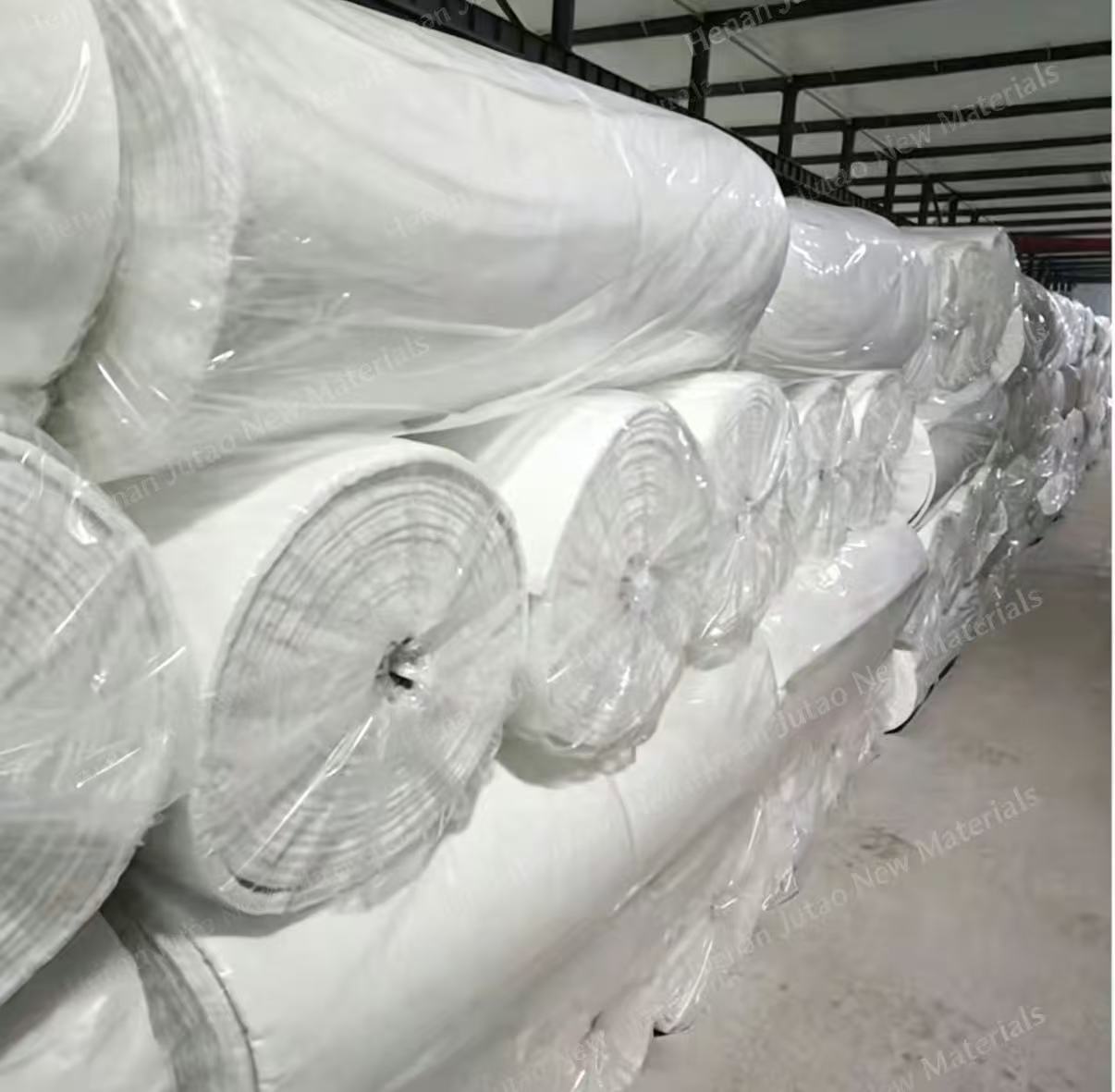
Receiving, Storing and Cutting Aerogel Blanket: The Site Handling Plan That Protects Performance Before Installation
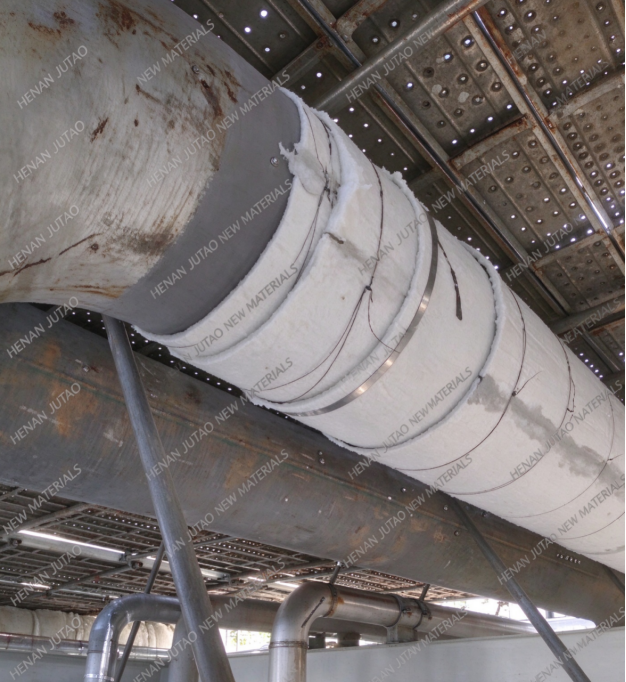
Aerogel Insulation Board Manufacturer Aerogel Insulation Blankets for High-Temperature Steam Pipelines

Aerogel Wall Insulation Supplier Aerogel Insulation Coatings for Basement Condensation Control
Improving Surface Temperatures with Advanced Thermal Insulation
Basement condensation is often associated with cold wall surfaces, high indoor humidity and inadequate thermal insulation. In areas where conventional insulation boards are difficult to install, a thin-layer insulation coating may offer a practical alternative or supplementary solution.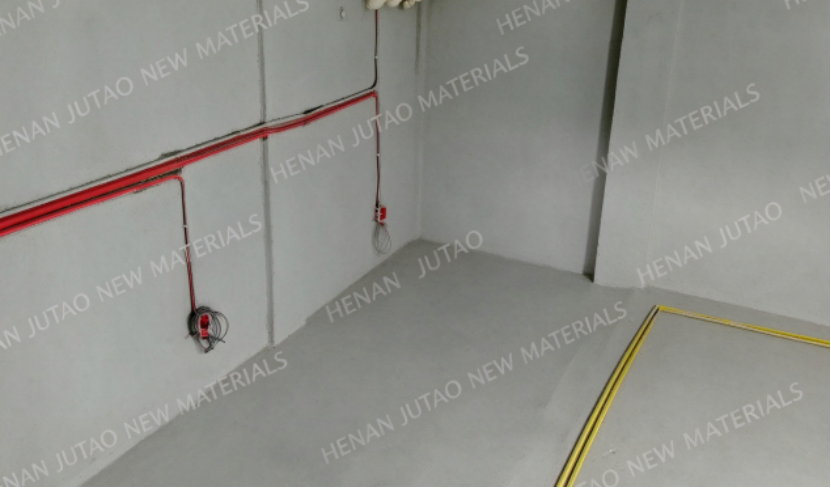
Aerogel insulation coatings combine the thermal insulation characteristics of aerogel materials with the application flexibility of coating systems. They can be considered for selected building surfaces where improving thermal performance and reducing condensation risk are important.
How Do Aerogel Insulation Coatings Work?
- A Nanoporous Structure for Thermal Insulation
Aerogel is a lightweight, highly porous solid material characterized by a three-dimensional nanoscale network structure. Its pores contain a gaseous phase, and its unique structure can significantly restrict heat transfer.
Silica aerogel is particularly valued for its low thermal conductivity and lightweight characteristics. When incorporated into a suitable coating formulation, aerogel can help reduce heat transfer through the treated surface.
- Helping Maintain Higher Wall Surface Temperatures
Aerogel insulation coatings are generally formulated using aerogel powder or granules together with suitable polymer binders and, depending on the product design, hollow glass microspheres or other functional fillers.
When applied to an appropriate substrate, the coating adds a thermal resistance layer that can help reduce heat loss and maintain a higher interior surface temperature under suitable operating conditions.
Keeping the surface temperature above the dew point can reduce the likelihood of condensation. Actual results depend on coating thickness, thermal conductivity, substrate conditions, indoor humidity, ventilation and the temperature difference between the interior and exterior environments.
- Hydrophobic Properties and Moisture Resistance
Silica aerogel materials can exhibit hydrophobic properties, depending on their composition and surface treatment. In appropriately formulated systems, these properties can help limit moisture uptake by the insulation component and support thermal performance under humid conditions.
However, hydrophobicity should not be confused with waterproofing. An aerogel insulation coating is not automatically a substitute for a dedicated waterproofing membrane or a complete basement moisture-protection system. Product performance should be evaluated using relevant technical data and application requirements.
Key Advantages of Aerogel Insulation Coatings
Low Thermal Conductivity
Aerogel-based formulations can provide effective thermal insulation in relatively thin coating layers, depending on the specific product and its tested properties.
Flexible Application
Depending on the formulation and substrate, coatings may be applied by spraying or troweling. This can be useful for irregular surfaces, corners and areas where installing conventional insulation boards is challenging.
Potential to Reduce Condensation Risk
By improving the thermal resistance of a surface, the coating may help maintain a higher surface temperature and reduce the likelihood of condensation when used as part of a properly designed moisture-control strategy.
Adaptability to Building Renovation
Thin-layer coating systems can be considered for selected retrofit projects where space is limited or conventional insulation installation is difficult.
Typical Application Areas
Aerogel insulation coatings may be considered for:
* Basement walls and selected interior surfaces
* Wall corners and junctions that are prone to cold spots
* Balcony soffits and overhangs
* Selected partition walls and difficult-to-insulate building details
* Renovation projects involving recurring surface condensation
Before application, the substrate should be assessed for water ingress, loose finishes, contamination and existing mold. Active leaks must be addressed first, and mold should be removed using appropriate procedures. The coating should then be applied in accordance with the manufacturer’s preparation, thickness and curing requirements.
A Practical Approach to Basement Condensation
Aerogel insulation coatings offer a useful option for improving the thermal performance of selected building surfaces. Their low thermal conductivity, lightweight structure and flexible application methods make them worth considering in areas where conventional insulation solutions are difficult to implement.
Nevertheless, effective condensation control depends on more than insulation alone. Waterproofing, drainage, ventilation and humidity management remain essential where the underlying conditions require them.
For building owners, designers and contractors, selecting a suitable aerogel insulation coating should involve reviewing product-specific thermal conductivity, recommended application thickness, substrate compatibility, moisture resistance and relevant test data.
By integrating aerogel insulation coatings into a comprehensive building-envelope strategy, it may be possible to reduce surface condensation risks and improve the comfort and durability of basement spaces.
Jutao Environmental Technology — Specialists in Aerogel Material Solutions
Stay connected with us for the latest updates, industry insights and application solutions in the aerogel sector.
Modular Skids and Containerised Plant: Specifying Aerogel Insulation Before the Module Leaves the Fabrication Yard
Aerogel Wall Insulation Manufacturer Basement Condensation: Causes, Risks and Prevention with Aerogel Insulation Coatings
Understanding Moisture and Condensation in Basements
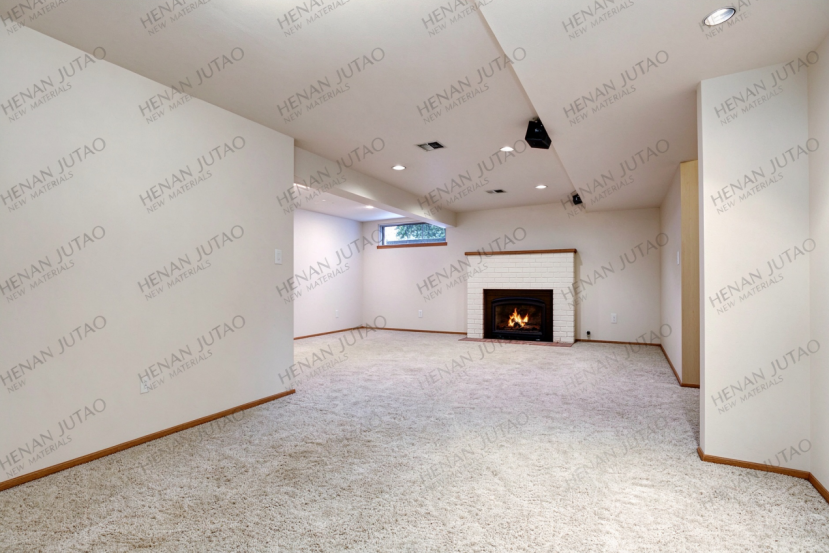
Basements are particularly susceptible to moisture-related problems because they are located below ground level and are often exposed to high humidity, low surface temperatures and potential groundwater infiltration. Without appropriate moisture protection and thermal insulation, basement walls and floors may develop condensation, damp patches, mold growth and other moisture-related damage.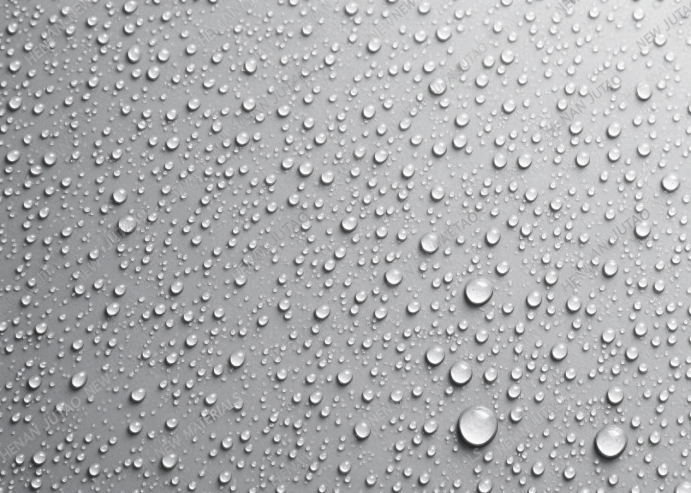
As basements are increasingly used for storage, recreation, home offices and other functional spaces, maintaining a dry, comfortable and healthy indoor environment has become an important consideration in building design and renovation.
Understanding the causes of condensation is the first step toward selecting an effective insulation and moisture-control solution.
What Causes Condensation?
Condensation occurs when water vapor in the air comes into contact with a surface that is at or below the air’s dew-point temperature. As the surface temperature decreases, moisture in the surrounding air condenses into liquid water.
In basements, underground walls and other poorly insulated building components can remain relatively cold, particularly when warm, humid indoor air comes into contact with them. This temperature difference creates favorable conditions for condensation.
However, condensation is not the only source of basement moisture. Groundwater seepage, rainwater penetration, inadequate drainage and insufficient ventilation may also contribute to damp conditions. These problems require appropriate waterproofing, drainage or ventilation measures in addition to thermal insulation.
The Consequences of Basement Condensation
Persistent condensation can affect building durability, indoor air quality and the safe operation of equipment.
- Deterioration of Wall Finishes
Prolonged exposure to moisture can weaken plaster, paint and other surface finishes, potentially leading to peeling, cracking and reduced service life.
- Mold Growth and Indoor Air Quality Issues
Damp surfaces create favorable conditions for mold growth. If moisture remains uncontrolled, mold may spread across walls and ceilings, negatively affecting indoor air quality and occupant comfort.
- Potential Risks to Electrical Equipment
Condensation can accumulate on surfaces and drip onto nearby electrical installations or equipment. In environments where electrical systems are exposed to moisture, this may increase the risk of corrosion, malfunction and electrical hazards.
- Reduced Insulation Performance
When moisture-sensitive insulation materials absorb water, their thermal conductivity may increase, reducing their insulating effectiveness. Lower surface temperatures can then make condensation more likely, creating a cycle of recurring moisture problems.
Why a Comprehensive Moisture-Control Strategy Matters
Effective basement moisture management requires identifying the underlying cause of the problem. Waterproofing and drainage are essential where groundwater infiltration or water penetration is present. Adequate ventilation and humidity control can help reduce indoor moisture levels, while thermal insulation can help maintain warmer interior surface temperatures.
Aerogel-based insulation coatings offer a potential supplementary solution for improving the thermal performance of selected building surfaces, especially where conventional insulation systems are difficult to install.
By combining appropriate waterproofing, ventilation, humidity management and thermal insulation measures, building owners can create more durable, comfortable and healthier basement environments.
In the next article, we explore how aerogel insulation coatings work, their key thermal properties and their potential applications in basement condensation control.
Jutao Environmental Technology — Specialists in Aerogel Material Solutions
Stay connected with us for the latest updates, industry insights and application solutions in the aerogel sector.
China Custom Aerogel U Value Aerogel Insulation for Petrochemical Pipelines: Enhancing Energy Efficiency and Corrosion Protection
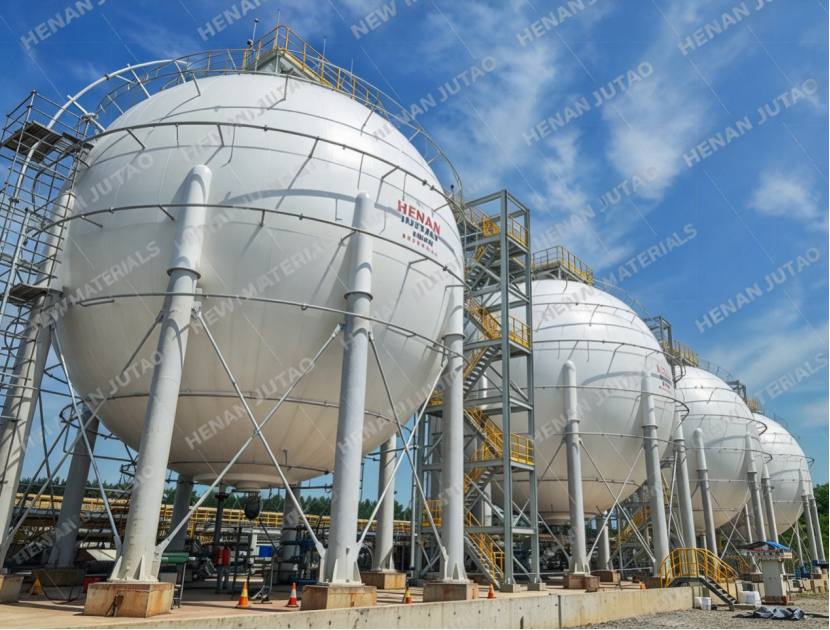
Pipeline systems are essential to the petrochemical industry, transporting crude oil, liquefied petroleum gas (LPG), refined fuels, steam, cooling water, and chemical process fluids. These systems often operate under demanding conditions involving temperature fluctuations, moisture exposure, and corrosive environments.
Insulation plays a critical role in maintaining process temperatures, reducing heat loss, protecting personnel, and improving energy efficiency. However, conventional mineral wool insulation with metal cladding may absorb moisture when the protective system is damaged or inadequately sealed. This can reduce insulation effectiveness and contribute to corrosion under insulation (CUI).
Aerogel-based coatings and insulation blankets offer alternative approaches for different pipeline temperature ranges, helping operators balance thermal performance, maintenance requirements, and lifecycle costs.
- Ambient-Temperature Pipelines: Lightweight Thermal Protection
Ambient-temperature pipelines, including certain LPG transfer lines, may require thermal management to help maintain operating conditions and support safe, reliable transportation.
For suitable applications, Henan Jutao New Materials recommends a 2 mm aerogel coating system.
2 mm Aerogel Coating System
The coating system provides a thin thermal insulation layer designed to reduce heat transfer without adding the bulk associated with conventional insulation blankets.
Its lightweight structure may be advantageous where installation space is limited or where operators want to avoid enclosing the pipeline in a thick insulation assembly.
Potential benefits include:
* Reduced heat transfer: Helps limit thermal exchange between the pipeline and its surroundings.
* Compact construction: A thin coating can be suitable for selected pipelines where conventional insulation thickness is difficult to accommodate.
* Inspection accessibility: Compared with thick insulation blankets and metal cladding, a coating system may make certain external surface changes or leakage indicators easier to observe.
* Simplified maintenance: Depending on the system design, coating application may reduce the number of components involved in installation and repair.
For LPG and other hazardous-fluid pipelines, insulation is not a substitute for appropriate pressure containment, leak detection, corrosion control, and inspection procedures. The coating must also be compatible with the pipeline’s operating temperature and required corrosion protection system.
- Medium- and Low-Temperature Pipelines: Reducing CUI Risks
Corrosion under insulation is a significant maintenance concern for insulated industrial equipment. It can develop when moisture enters an insulation system and remains in contact with the underlying metal surface.
Pipelines operating between -40°C and 200°C, as well as equipment operating outside this range that periodically passes through it, may require particular attention to insulation design and inspection.
These conditions can occur in various petrochemical processes involving temperature cycling, moisture exposure, and intermittent operation.
Hydrophobic GJN Nanoporous Insulation Blanket
Henan Jutao New Materials offers a hydrophobic GJN nanoporous insulation blanket for suitable medium- and low-temperature pipeline applications.
According to the supplied product information, the material is designed to combine high hydrophobicity with thermal insulation performance and a competitive cost profile.
The manufacturer describes its relative characteristics as follows:
* Hydrophobic performance comparable to 100% of the reference aerogel insulation blanket.
* Thermal insulation performance comparable to 80% of the reference aerogel insulation blanket.
* Price at approximately 50% of the reference aerogel insulation blanket.
These are manufacturer-provided relative comparisons rather than universal industry benchmarks. The reference products, test methods, operating temperatures, and commercial conditions should be specified when making direct product comparisons.
Key Application Benefits
Moisture resistance: Hydrophobic properties help limit water uptake by the insulation material, supporting moisture management when the complete insulation assembly is properly designed.
Thermal insulation: The nanoporous structure helps reduce heat transfer, supporting temperature stability and limiting unnecessary heat loss.
Flexible industrial application: The blanket can be considered for suitable pipelines and equipment requiring insulation under changing operating conditions.
Cost-effectiveness: Its combination of insulation performance, water repellency, and material cost may provide a practical alternative for applications where full aerogel blanket specifications are not required.
For pipelines transporting crude oil, bitumen, heavy fuel oil, and other temperature-sensitive materials, suitable insulation can also help reduce excessive cooling and, where relevant, lower the risk of material solidification during cold weather.
A complete system generally includes appropriate insulation thickness, corrosion protection, weather-resistant metal cladding, sealed joints, and provisions for inspection and drainage.
- High-Temperature Pipelines: Improving Steam Insulation Performance
High-temperature process pipelines and long-distance steam transmission lines require effective insulation to minimize heat loss and maintain the required steam conditions.
Poor insulation performance can increase fuel consumption, reduce thermal efficiency, and affect the quality of steam delivered to downstream users.
Aerogel Insulation Blankets for High-Temperature Applications
For demanding high-temperature applications, Henan Jutao New Materials recommends aerogel insulation blankets as an alternative to conventional mineral wool systems, subject to the product’s rated operating temperature and the requirements of the installation.
Aerogel insulation blankets feature a nanoporous structure designed to restrict heat transfer. Their relatively low thermal conductivity can help achieve effective insulation with less thickness than some conventional materials.
Potential benefits include:
* Reduced heat loss: Helps conserve thermal energy in high-temperature process and steam pipelines.
* Improved space efficiency: High insulation performance may reduce the thickness required for a given thermal design target.
* Hydrophobic performance: Suitable hydrophobic aerogel products can help limit moisture absorption within the insulation material.
* Support for CUI management: Appropriate material selection, drainage, cladding design, and inspection can help address conditions associated with corrosion under insulation.
* Long-term operational value: Reduced heat loss and lower insulation replacement frequency may improve lifecycle economics.
Hydrophobic GIN nanoporous insulation blankets may also be considered for suitable industrial applications. Product grades and specifications should be checked carefully before selecting materials for a particular temperature range.
- Aerogel vs. Conventional Mineral Wool: A Lifecycle Perspective
Conventional mineral wool insulation remains widely used in industrial pipelines because of its availability and established installation practices. However, moisture exposure, mechanical damage, and insulation degradation can increase maintenance demands over time.
Aerogel insulation blankets offer a different balance of thermal performance, thickness, and moisture resistance.
According to the supplied product information, aerogel insulation can achieve a thermal conductivity approximately one-third to one-half that of the referenced mineral wool insulation. Actual performance depends on the product grade, mean test temperature, density, and measurement method.
The supplied service-life comparison also indicates an expected service life of more than 15 years for the referenced aerogel system, compared with approximately 3–5 years for a conventional mineral wool system.
These figures should be treated as indicative product comparisons rather than guaranteed service lives. Actual durability depends on operating temperature, installation quality, protective cladding, moisture exposure, maintenance practices, and the condition of the underlying equipment.
Evaluating Total Cost of Ownership
Insulation selection should consider more than the initial material price.
A lifecycle cost assessment may include:
* Initial material and installation costs.
* Energy losses throughout the operating period.
* Inspection and maintenance requirements.
* Replacement frequency and associated labor.
* Waste generation and disposal costs.
* Production interruptions during maintenance or replacement.
Where the operating conditions favor aerogel insulation, its thermal performance and potential durability advantages may help reduce total ownership costs over the equipment lifecycle.
A project-specific economic assessment is recommended to establish the actual savings.
- Tailored Aerogel Solutions for Petrochemical Pipelines
Pipeline insulation requirements vary considerably according to fluid type, operating temperature, pipeline geometry, environmental exposure, and safety requirements.
Henan Jutao New Materials provides a range of aerogel-based insulation options for different industrial conditions:
* Ambient-temperature pipelines: A 2 mm aerogel coating system for selected applications requiring lightweight thermal protection.
* Medium- and low-temperature pipelines: Hydrophobic GJN nanoporous insulation blankets for suitable temperature-control and CUI-risk management applications.
* High-temperature process and steam pipelines: Aerogel insulation blankets designed to reduce heat loss and improve thermal efficiency.
Choosing the appropriate system requires engineering evaluation of thermal conductivity at the operating temperature, insulation thickness, moisture management, corrosion protection, mechanical protection, and applicable industry standards.
Through application-oriented insulation solutions, Henan Jutao New Materials aims to help petrochemical operators improve thermal efficiency, manage maintenance risks, and support more sustainable industrial operations.
Jutao Environmental Technology — Specialists in Aerogel Material Solutions
Stay connected with us for the latest updates, industry insights and application solutions in the aerogel sector.
Wholesale China Gas Membrane Aerogel Insulation Solutions for Petrochemical Storage Tanks: Improving Thermal Control and Corrosion Protection
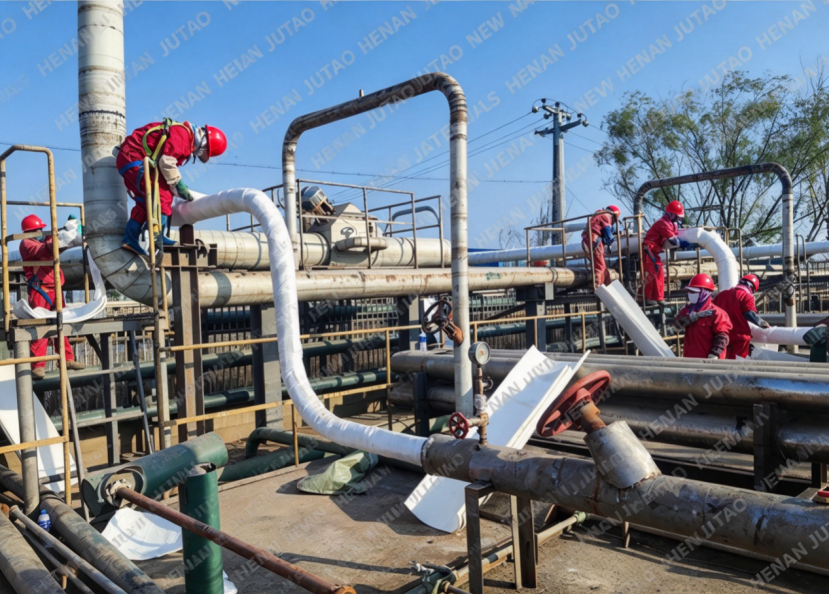
Storage tanks play a vital role in the petrochemical industry, providing essential storage for crude oil, refined petroleum products, and chemical feedstocks. Their safe and reliable operation is critical to supply chain stability, process efficiency, and industrial safety.
However, conventional tank insulation systems, typically consisting of mineral wool covered with metal cladding, can present challenges. Moisture ingress may lead to corrosion under insulation (CUI), while excessive thermal resistance can be undesirable for certain ambient-temperature tanks that require heat dissipation rather than heat retention.
Aerogel-based insulation technologies offer alternative solutions for different tank operating conditions, helping petrochemical operators manage heat transfer, improve insulation system durability, and optimize maintenance requirements.
- Ambient-Temperature Storage Tanks: Summer Heat Protection
Ambient-temperature storage tanks are often exposed to intense solar radiation during summer. As the temperature rises, heat transfer into the tank can increase the temperature of the stored product, potentially accelerating evaporation losses and increasing the need for cooling.
Traditional insulation systems may not always be the most suitable choice for these applications. A lightweight aerogel coating system can provide an alternative approach to controlling external heat gain.
Jutao 2 mm Aerogel Coating System
Henan Jutao New Materials offers a 2 mm aerogel coating system designed for selected tank applications requiring summer heat protection.
The system combines a low-thermal-conductivity insulating intermediate layer with a suitable surface coating to help reduce heat transfer from the external environment.
Compared with conventional single-layer solar-reflective coatings, sometimes marketed as cool-roof or cool-surface paints, the aerogel coating system incorporates an additional thermal insulation layer. Its performance approach combines solar reflectance, thermal radiation management, and resistance to heat conduction.
According to the supplied product information, the system provides approximately 50% better insulation performance than conventional single-layer solar-reflective coatings. This comparative figure should be verified against the applicable test method and reference coating before being used as a formal performance guarantee.
Potential benefits include:
* Reduced solar heat gain: Helps limit heat transfer into exposed storage tanks during hot weather.
* Support for evaporation control: Reducing external heat input may help limit temperature increases and associated evaporation losses, depending on the stored product and tank operating conditions.
* Lightweight construction: The thin coating adds relatively little weight compared with conventional bulky insulation assemblies.
* Convenient installation: The coating system may simplify application on suitable tank surfaces and help shorten construction schedules.
* Reduced moisture-related risks: A properly designed coating system can avoid some of the moisture-trapping concerns associated with conventional insulated and metal-clad assemblies.
For tanks that require spray-water cooling during summer, the coating can also be considered as part of a broader thermal management strategy. Substrate preparation, coating compatibility, corrosion protection, and application quality remain important to long-term performance.
- Medium- and Low-Temperature Storage Tanks: Reducing Heat Loss
Some storage tanks must maintain their contents within a relatively stable temperature range. Applications may include tanks storing crude oil, bitumen, heavy fuel oil, and other materials that require temperature control to preserve handling properties or prevent excessive cooling.
For these applications, conventional mineral wool and metal cladding can face durability challenges when moisture enters the insulation system. Water accumulation may impair thermal performance and create conditions conducive to corrosion under insulation.
Hydrophobic GJN Microporous Insulation Blanket
Henan Jutao New Materials recommends its hydrophobic GJN nanoporous insulation blanket for suitable medium- and low-temperature storage tank applications.
The material is designed to combine efficient thermal insulation with water-repellent properties, helping reduce the risk of moisture-related insulation degradation.
Key application benefits include:
Thermal efficiency: The nanoporous structure helps restrict heat transfer, supporting temperature maintenance and reducing heat loss.
Moisture management: Hydrophobic properties help limit water absorption by the insulation material. When incorporated into a properly designed system, this can help reduce moisture-related CUI risks.
Equipment protection: A suitable insulation and protective cladding system can help maintain stable operating conditions and support the long-term serviceability of storage tanks.
Lifecycle value: Reduced heat loss, appropriate moisture management, and longer insulation service life may help lower maintenance requirements and overall operating costs.
The complete insulation assembly should be designed for the actual operating temperature, ambient humidity, rain exposure, drainage requirements, and corrosion protection needs of the tank.
- Why Consider Aerogel-Based Tank Insulation?
Different storage tanks have different thermal management requirements. Ambient-temperature tanks may need to limit external heat gain, while heated or temperature-sensitive tanks may require effective heat retention.
A single insulation approach is therefore not appropriate for every application.
For summer heat protection, a thin aerogel coating system may be suitable where low added weight and convenient installation are priorities. For tanks requiring sustained heat retention, a hydrophobic nanoporous insulation blanket with an appropriate metal protective layer may be a better fit.
Selecting the right solution requires consideration of the stored medium, operating temperature, exposure conditions, maintenance strategy, and required thermal performance.
- Supporting More Reliable and Energy-Efficient Petrochemical Operations
Henan Jutao New Materials develops aerogel-based thermal insulation solutions for industrial applications, including petrochemical storage tanks and process equipment.
By matching insulation technologies to specific operating conditions, petrochemical operators can improve thermal management, reduce unnecessary heat transfer, address moisture-related insulation risks, and support more efficient equipment operation.
Aerogel coatings and hydrophobic nanoporous insulation blankets provide complementary options for storage tank applications where thermal performance, durability, and lifecycle cost are important considerations.
Jutao Environmental Technology — Specialists in Aerogel Material Solutions
Stay connected with us for the latest updates, industry insights and application solutions in the aerogel sector.