



Industry News
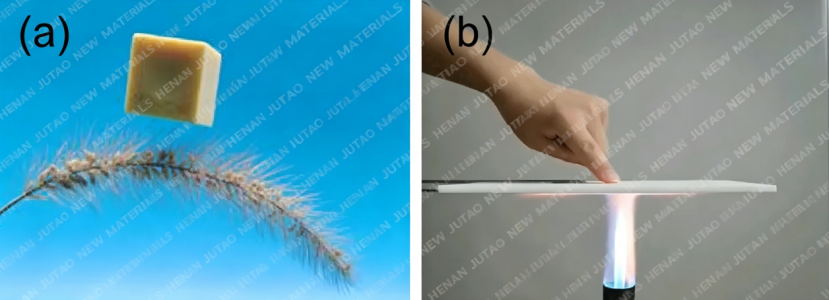









Stocking Aerogel Insulation Formats Without Tying Up Importer Cash
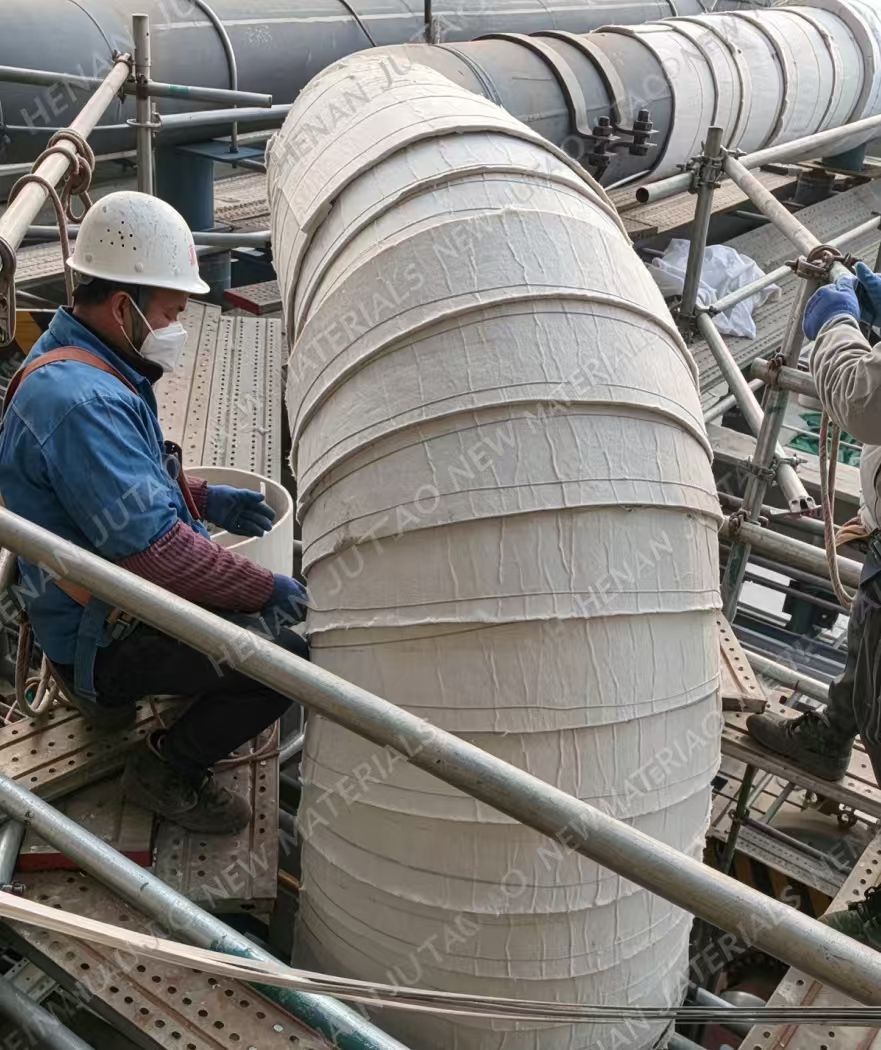
Hydrophobic Aerogel Blanket Expanding Applications of Aerogel Blanket in New Energy Vehicles, Rail Transit and Prefabricated Insulation Pipes
As the global new energy industry, rail transportation, and industrial infrastructure continue to develop, demand for lightweight and high-performance thermal insulation materials is increasing. With its low density, thin structure, and excellent thermal insulation properties, aerogel blanket is expanding beyond traditional industrial pipeline insulation into new energy vehicles, rail transit, and prefabricated insulation pipe applications.
Driven by energy-saving initiatives and lightweight engineering trends, aerogel insulation is becoming an increasingly attractive material solution across multiple industries.
1. New Energy Vehicles: Lightweight Thermal Protection
The rapid development of the new energy vehicle industry has created higher requirements for battery systems and vehicle thermal management.
Around battery packs, battery modules, and related thermal management structures, insulation materials must balance lightweight design, efficient use of limited space, and thermal protection performance.
Aerogel blankets feature low density and a thin material structure, making them suitable for selected insulation applications in battery systems and vehicle components. They can help optimize insulation layouts where installation space and weight are important considerations.
For electric vehicle manufacturers and battery system suppliers, material selection should take into account operating temperature, thermal runaway protection requirements, compression performance, fire safety, and long-term reliability.
2. Rail Transit: Efficient Insulation with Space-Saving Design
High-speed trains, metro systems, and other rail vehicles have strict requirements for material weight, available space, and safety performance.
Conventional thick insulation materials may occupy considerable interior space and increase vehicle weight. Aerogel blankets, with their thin and lightweight structure, can be used in selected carriage enclosure structures and equipment insulation systems.
Subject to applicable railway fire, smoke, and toxicity requirements, aerogel materials can help optimize vehicle insulation designs and provide additional opportunities for lightweight rail vehicle engineering.
3. Prefabricated Insulation Pipes: Improving Manufacturing and Installation Efficiency
Prefabricated insulated pipes are essential components of district heating networks, industrial steam transportation systems, and chemical industrial pipeline infrastructure.
As engineering projects demand lower heat losses, improved transportation efficiency, and shorter installation periods, prefabricated pipe manufacturers are increasingly interested in thinner and lighter high-performance insulation materials.
Integrating aerogel blankets into prefabricated pipe insulation systems can help optimize insulation thickness while meeting project-specific thermal performance requirements. This can reduce the overall dimensions and weight of finished insulated pipes.
Factory-based prefabrication also helps improve manufacturing consistency, reduce on-site construction work, and simplify transportation and installation.
4. Lightweight and Flexible Structure for Multiple Applications
Aerogel blankets are commonly supplied in roll form, offering flexibility and convenient processing.
Their key advantages include:
Low density and lightweight structure
Excellent thermal insulation performance
Flexible and easy-to-cut material format
Reduced insulation thickness
Adaptability to complex surfaces
Potential for long-term thermal insulation applications
These characteristics make aerogel blankets suitable not only for conventional industrial pipelines but also for insulation designs involving different equipment structures and space limitations.
5. Product Quality and Technical Specifications Matter
As aerogel blanket applications continue to expand, different industries are introducing their own technical and performance requirements.
Industrial pipelines, power battery systems, and rail transit projects have different standards for operating temperatures, fire performance, chemical stability, and mechanical properties.
When evaluating aerogel blanket suppliers, buyers should pay particular attention to:
Operating temperature range
Thermal conductivity at specified temperatures
Density and thickness tolerance
Fire resistance and relevant certifications
Chloride ion content
Hydrophobic performance
Mechanical strength and flexibility
Product consistency and customization capabilities
Stable manufacturing processes, reliable test data, and consistent supply capacity are essential for aerogel blanket manufacturers seeking to enter advanced application markets.
Conclusion
From electric vehicle battery systems to rail transportation and prefabricated insulation pipes, aerogel blankets are continuing to expand their application range.
Lightweight construction, reduced insulation thickness, and efficient thermal performance are key factors driving this development. As the new energy industry, transportation infrastructure, and industrial energy-efficiency projects continue to grow, high-performance aerogel blankets are expected to gain further market opportunities.
For material manufacturers, engineering contractors, and international buyers, choosing an aerogel blanket supplier with consistent product quality, comprehensive technical documentation, and customization capabilities will be increasingly important for future project success.
Jutao Environmental Technology — Specialists in Aerogel Material Solutions
Stay connected with us for the latest updates, industry insights and application solutions in the aerogel sector.
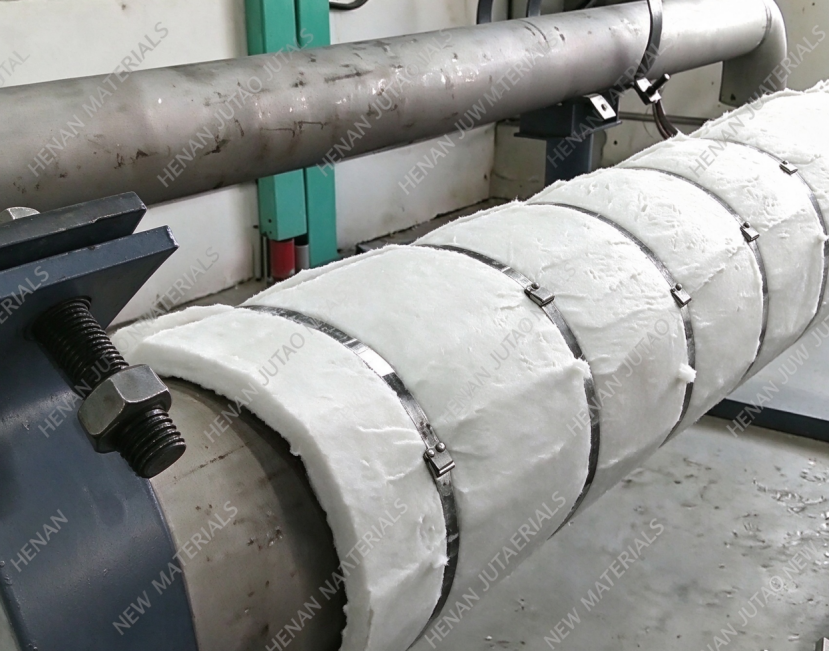
Aerogel Insulation for Industrial Pipes 650°C Aerogel Blanket: An Advanced Insulation Solution for Industrial Pipeline Energy Efficiency Upgrades
As global industries place increasing emphasis on energy efficiency, equipment modernization, and operational safety, high-temperature pipeline insulation is undergoing significant upgrades. Energy-intensive sectors such as petrochemicals, power generation, thermal power, and chemical processing are seeking more efficient, lightweight, and heat-resistant insulation solutions to minimize thermal losses, improve operating efficiency, and reduce long-term maintenance costs.
Against this backdrop, 650°C aerogel blanket is gaining attention as an advanced insulation material for industrial pipeline renovation projects, thanks to its excellent thermal insulation performance, lightweight structure, and inorganic material composition.
1. Superior Thermal Insulation with Reduced Thickness
Traditional insulation materials, such as calcium silicate and ceramic fiber blankets, often require relatively thick layers to achieve the desired thermal performance. In industrial facilities with densely arranged pipelines, complex valves, and limited installation space, thick insulation systems can increase installation difficulties and occupy valuable space.
Aerogel blankets feature a nanoscale porous structure that effectively limits heat transfer. Under a test condition of 25°C, some products can achieve a thermal conductivity of approximately 0.018 W/(m·K).
Compared with conventional insulation materials, aerogel blankets can deliver effective thermal insulation with significantly reduced thickness. They are particularly suitable for high-temperature pipelines, elbows, flanges, valves, and complex equipment surfaces.
2. Lightweight Design Reduces Installation and Transportation Costs
Industrial equipment modernization projects are increasingly focused not only on insulation performance but also on installation efficiency and overall project costs.
Aerogel blankets feature a flexible, low-density structure. Their roll format makes transportation, cutting, handling, and on-site installation more convenient, helping reduce material handling requirements and the workload associated with elevated installation.
For large-scale petrochemical facilities, thermal power plants, and industrial pipeline networks, lightweight insulation materials can reduce lifting requirements, improve installation efficiency, and minimize transportation and storage space.
3. Non-Combustible Inorganic Material for Industrial Safety
Fire safety is a critical consideration when selecting insulation materials for petrochemical plants and energy production facilities.
High-temperature aerogel blankets can be manufactured using inorganic material systems with non-combustible characteristics. Relevant fire performance reports can be provided depending on the specific product and applicable testing standards.
Certain products also offer good aging resistance and resistance to challenging chemical environments, making them suitable for industrial applications requiring long-term performance and operational safety.
For individual projects, fire performance, corrosion resistance, and chloride ion content should be verified through product specifications and independent test reports.
4. Long Service Life and Lower Lifecycle Costs
For continuously operating industrial facilities, replacing insulation materials involves more than the cost of purchasing new products. Additional expenses may include equipment shutdowns, labor, material removal, and reinstallation.
High-performance aerogel blankets offer good thermal stability and aging resistance. Under appropriate design, installation, and operating conditions, they can support reliable long-term industrial insulation systems.
Rather than focusing solely on initial purchase prices, more industrial buyers are evaluating total lifecycle costs, including energy losses, maintenance frequency, installation expenses, and potential production downtime.
5. Key Technical Requirements in Industrial Procurement
As technical requirements for industrial energy-efficiency projects become more demanding, procurement teams and engineering contractors are paying closer attention to the following aerogel blanket specifications:
Maximum continuous operating temperature
Thermal conductivity
Density and dimensional stability
Chloride ion content
Fire performance and relevant test reports
Chemical resistance
Product thickness and dimensional specifications
Quality consistency and delivery capacity
For petrochemical, power generation, and chemical pipeline projects, complete technical documentation and third-party test reports are also important factors in supplier evaluation and project tendering.
Conclusion
Industrial energy-efficiency initiatives and equipment modernization are accelerating the transition toward high-performance, lightweight, and durable insulation materials.
With its thin insulation structure, lightweight properties, inorganic composition, and thermal stability, 650°C aerogel blanket offers considerable potential for applications in petrochemical plants, power generation facilities, thermal power systems, and industrial pipeline insulation.
As industrial users increasingly prioritize energy efficiency, fire safety, and total lifecycle costs, advanced aerogel insulation materials are expected to play an increasingly important role in the global industrial insulation market.
Jutao Environmental Technology — Specialists in Aerogel Material Solutions
Stay connected with us for the latest updates, industry insights and application solutions in the aerogel sector.
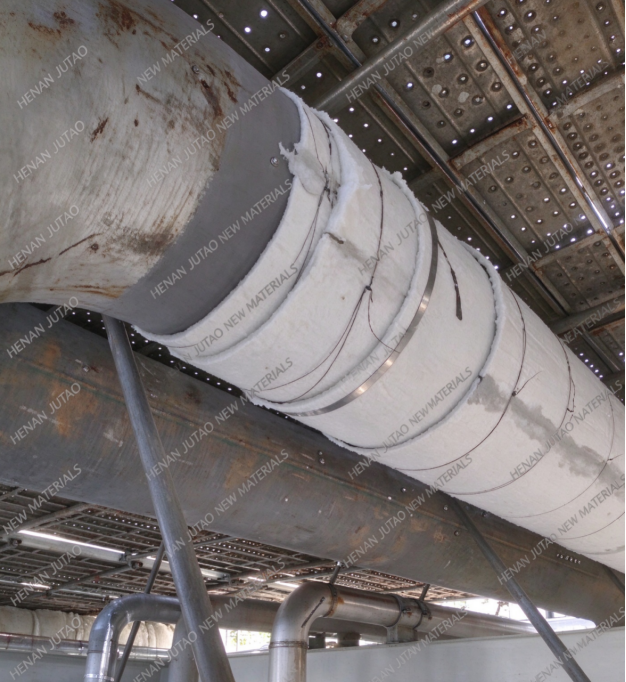
One aerogel spec for hot lines, cold lines and the building fabric
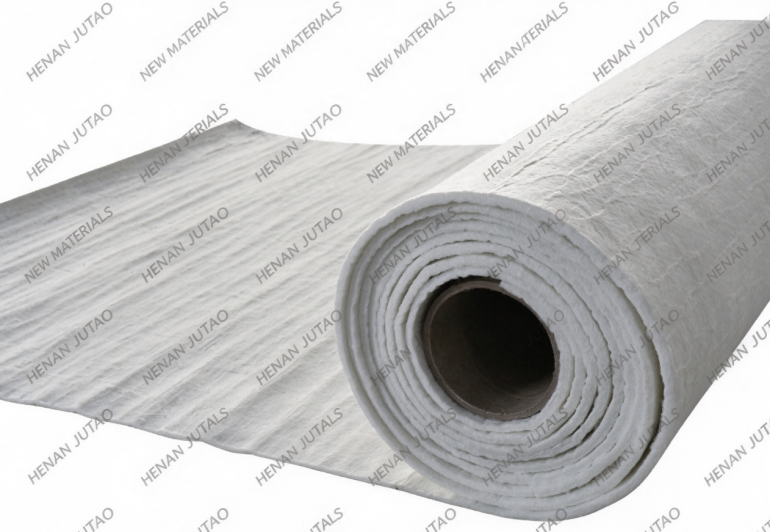
Aerogel Insulation for Oil and Gas How to Reduce Corrosion Under Insulation (CUI) in Industrial Piping and Equipment
Understanding the Hidden Risks of Corrosion Under Insulation
In the petrochemical, oil and gas, and power generation industries, thermal insulation is essential for energy conservation, process temperature control, and operational safety. However, insulated pipes and equipment can face a serious challenge: Corrosion Under Insulation (CUI).
CUI refers to corrosion that develops on the external metal surfaces of pipes and equipment beneath insulation systems when moisture and corrosive contaminants are present. Because the affected areas are concealed by insulation and protective cladding, corrosion can remain undetected until significant damage has occurred.
In severe cases, CUI can lead to wall thinning, equipment failure, process leakage, unplanned shutdowns, and increased maintenance costs. It therefore represents an important concern for industrial asset integrity and long-term operational reliability.
Why Does Corrosion Under Insulation Occur?
Moisture ingress is one of the major factors contributing to CUI. Rainwater, condensation, damaged cladding, and poorly sealed joints can allow water to enter an insulation system. If moisture becomes trapped against the metal surface, corrosion may develop or accelerate, particularly when corrosive contaminants are present.
Many carbon steel systems are vulnerable to CUI within certain intermediate temperature ranges, although the actual risk depends on the metal, insulation design, operating conditions, and exposure environment.
Common causes include:
* Damaged protective cladding: Improper installation, mechanical damage, wind exposure, or aging can create gaps through which water enters.
* Moisture absorption: Conventional fibrous insulation materials can retain moisture under certain conditions, potentially reducing thermal performance and prolonging contact between water and metal.
* Concealed corrosion: Insulation prevents direct visual inspection of the underlying metal, making early detection difficult.
* Temperature fluctuations: Heating and cooling cycles can contribute to condensation and changing moisture conditions within the insulation system.
* Vulnerable details and connections: Valves, pipe supports, instrument connections, safety valves, and other penetrations can create potential water-entry points if not properly sealed.
Limitations of Conventional Insulation Materials
Traditional insulation materials, including rock wool, mineral wool, and calcium silicate, are widely used in industrial applications. However, their performance against CUI depends heavily on material properties, installation quality, weather protection, and maintenance.
When water enters a conventional insulation system, moisture retention can compromise insulation performance and increase the risk of corrosion. Repeated wetting and drying may also contribute to premature deterioration and higher maintenance requirements.
In addition, conventional insulation systems may require greater thickness to achieve a comparable thermal resistance. This can complicate installation in congested piping layouts and increase the space needed around industrial equipment.
For these reasons, industrial operators are increasingly evaluating insulation materials that combine efficient thermal performance with water repellency and long-term durability.
Aerogel Insulation Felt: A Moisture-Resistant Alternative
Silica aerogel is a lightweight nanoporous material with exceptionally low thermal conductivity. When combined with suitable reinforcing fibers, it can be manufactured into a flexible insulation felt for industrial piping, storage tanks, and process equipment.
Henan Jutao New Materials develops silica aerogel insulation felt using an in-situ sol-gel composite process that combines silica aerogel with glass fiber reinforcement.
Key Benefits for CUI Risk Management
- High thermal insulation efficiency
Aerogel insulation felt can deliver substantially lower thermal conductivity than many conventional insulation materials. Depending on the products being compared and the design conditions, it may provide comparable thermal resistance with a significantly thinner insulation layer.
Reduced thickness can help optimize installation space and improve the efficiency of industrial insulation systems.
- Hydrophobic properties
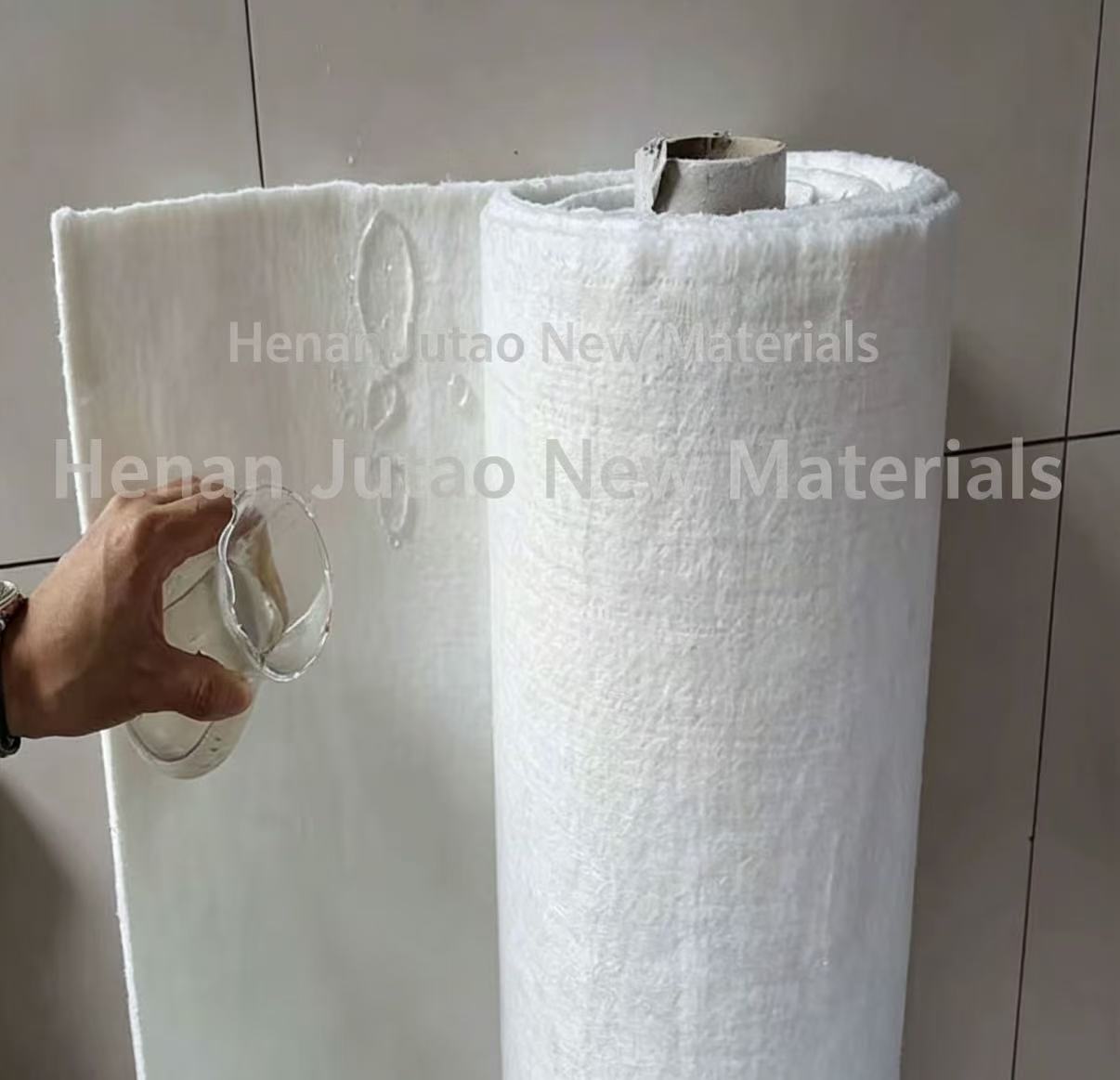
The hydrophobic characteristics of aerogel insulation felt help resist liquid water penetration into the insulation material. By limiting moisture ingress, the material can help reduce one of the key contributing factors to CUI.
- Vapor permeability
A suitably designed insulation system can allow water vapor to pass through the insulation material, supporting moisture management. However, vapor permeability alone does not guarantee that an insulation system will remain dry; the complete system design and environmental conditions must also be considered.
- Fire performance
Henan Jutao’s aerogel insulation felt is designed for industrial applications where thermal insulation and fire safety are important. Fire classification should be verified against the relevant product test reports and applicable standards for each project.
- Flexible installation and reduced maintenance burden
The lightweight, flexible felt can be cut and fitted around pipes and equipment with complex geometries. Easier installation can help reduce labor requirements and material waste while supporting more consistent insulation coverage.
A Comprehensive Approach to CUI Prevention
No insulation material alone can guarantee the complete elimination of CUI under all operating conditions. Effective prevention requires a coordinated approach that addresses the entire insulation system.
Industrial operators should consider the following measures:
* Select insulation materials with suitable thermal, moisture, and fire performance.
* Maintain the integrity of external cladding and seal joints and penetrations appropriately.
* Apply compatible protective coatings to metal surfaces where required by the project specification.
* Inspect vulnerable locations regularly, particularly valves, supports, instrument connections, and areas exposed to water ingress.
* Establish risk-based inspection and maintenance procedures for insulated piping and equipment.
Combining suitable insulation materials with sound installation practices, corrosion protection, and routine inspection can significantly improve the reliability of industrial insulation systems.
Conclusion
Corrosion Under Insulation remains a challenging issue for industrial facilities because it develops in concealed areas and can compromise equipment integrity before visible warning signs appear.
With its low thermal conductivity, hydrophobic properties, and flexible construction, Henan Jutao New Materials’ aerogel insulation felt offers an advanced option for managing moisture-related risks while improving thermal efficiency.
For petrochemical plants, oil and gas facilities, and industrial piping systems, selecting the right insulation solution is an important step toward reducing CUI risks, improving energy efficiency, and supporting long-term operational reliability.
Contact Henan Jutao New Materials for product specifications, technical data, and insulation recommendations tailored to your application.
Jutao Environmental Technology — Specialists in Aerogel Material Solutions
Stay connected with us for the latest updates, industry insights and application solutions in the aerogel sector.
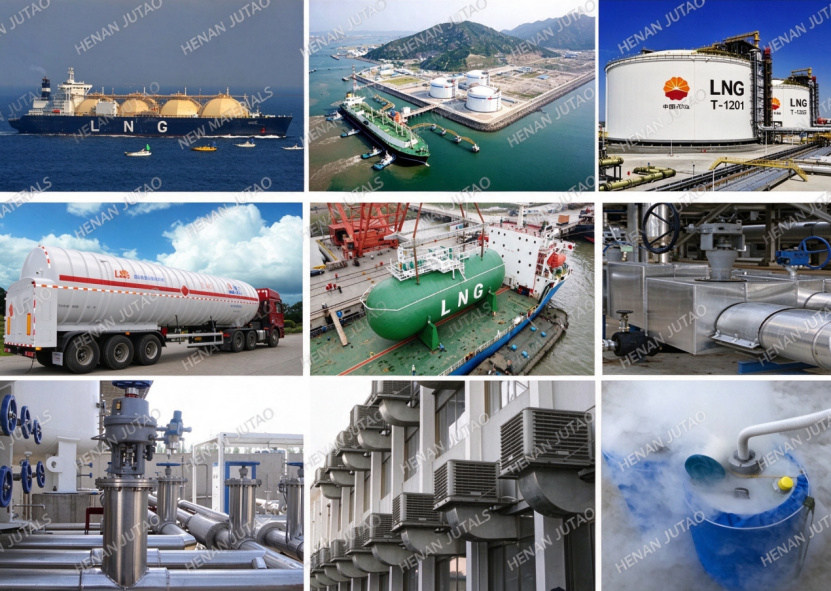
Aerogel Insulation for LNG Henan Jutao Aerogel Insulation Felt: A High-Performance Solution for LNG and Cryogenic Systems
Advancing Cold Insulation with Aerogel Technology
In industries such as oil and gas, petrochemicals, industrial refrigeration, and liquefied gas transportation, maintaining low temperatures is essential for safe and efficient operation. Heat entering a cold pipeline or storage system can increase refrigeration demand, reduce energy efficiency, and contribute to product losses in certain processes.
For liquefied natural gas (LNG) facilities, effective thermal insulation is particularly important because unwanted heat transfer can increase boil-off gas (BOG) generation. Insulation performance, system integrity, and proper installation all contribute to managing these operational challenges.
Henan Jutao New Materials provides aerogel insulation felt developed through an advanced nanocomposite process. By combining nanoscale silica aerogel with inorganic materials, the product is designed to deliver high thermal resistance, moisture management, and installation flexibility for demanding cold-insulation applications.
Four Key Advantages of Henan Jutao Aerogel Insulation Felt
- High Thermal Resistance for Deep-Cold Applications
Aerogel’s nanoporous structure restricts heat transfer, giving it exceptionally low thermal conductivity compared with many conventional insulation materials.
Henan Jutao aerogel insulation felt is designed for applications at temperatures as low as -200°C, subject to the applicable product specifications and system requirements. By reducing heat ingress, it can help maintain process temperatures and improve the energy efficiency of cryogenic equipment and piping.
- Hydrophobic and Fire-Resistant Properties
Moisture ingress is a major concern in cold-insulation systems. Water entering the insulation layer can reduce thermal performance and increase the risk of corrosion under insulation.
Henan Jutao aerogel insulation felt combines water-repellent properties with inorganic-based material construction. These characteristics can help limit moisture penetration and support corrosion mitigation when used with a properly designed insulation and protective jacketing system.
Its fire-related performance should be evaluated against the relevant product test reports and applicable project standards to ensure suitability for the intended installation.
- Space-Saving Design and Efficient Installation
In industrial plants, limited installation space and complex pipe layouts can make conventional insulation systems difficult to install.
Compared with comparable insulation products under specified design conditions, Henan Jutao aerogel insulation felt can offer an insulation thickness reduction of up to 75%, based on the stated product comparison. Its flexible structure also allows convenient cutting and fitting around pipes, valves, and other equipment.
These features can help improve installation efficiency, reduce space requirements, and lower labor and material costs over the course of a project.
- Durable Performance and Long-Term Economic Benefits
A well-designed cold-insulation system helps reduce unnecessary heat gain, maintain operating conditions, and limit maintenance caused by moisture-related damage.
The combination of thermal insulation, hydrophobic performance, and flexible installation makes aerogel insulation felt a practical option for industrial facilities seeking to improve long-term insulation reliability. Actual service life and cost savings depend on operating conditions, protective cladding, installation quality, and maintenance practices.
Applications Across Cryogenic and Refrigeration Industries
Henan Jutao aerogel insulation felt can be considered for a variety of cold-insulation projects, including:
* LNG facilities: Insulation for relevant pipelines, process equipment, and transportation systems.
* Liquid nitrogen and liquid oxygen systems: Thermal insulation for suitable storage and transfer equipment.
* Industrial low-temperature piping: Cold insulation for petrochemical and process industries.
* Refrigeration systems: Insulation for air coolers, cooling coils, and associated piping.
* Cryogenic equipment: Flexible insulation for selected components where reduced thickness and effective thermal performance are required.
For applications involving oxygen service, the complete insulation system must be assessed for oxygen compatibility, cleanliness, and applicable safety requirements.
Supporting Energy Efficiency and Reliable Operations
High-performance insulation is more than a means of controlling temperature. It can help industrial operators reduce heat ingress, manage refrigeration loads, mitigate moisture-related corrosion risks, and optimize the use of installation space.
Henan Jutao New Materials’ aerogel insulation felt combines advanced nanoporous insulation technology with flexible handling and water-repellent performance. It is a promising option for LNG-related systems, cryogenic pipelines, and industrial refrigeration applications where reliable cold insulation is a priority.
Looking for an aerogel insulation solution for your next project? Contact Henan Jutao New Materials for product specifications, technical data, and application recommendations.
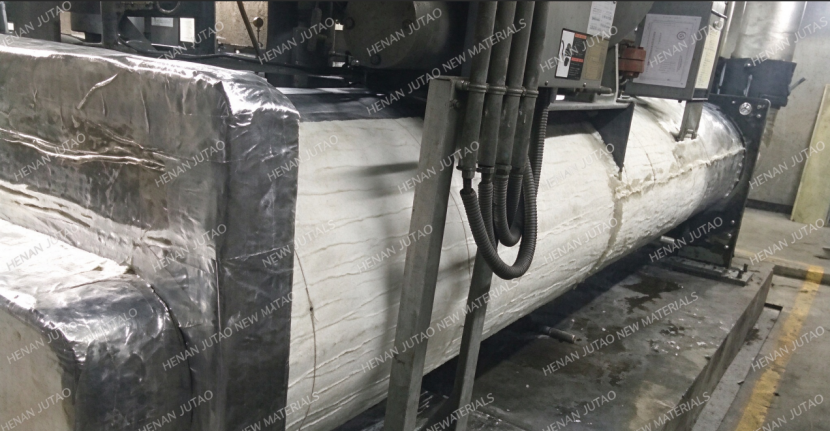
Aerogel Insulation for Chemical Plants Aerogel Cryogenic Insulation Felt for Low-Temperature Piping: Improving Thermal Efficiency and Corrosion Protection
The Challenges of Low-Temperature Pipe Insulation
Low-temperature piping plays a critical role in the oil and gas, petrochemical, and liquefied gas industries. These systems are commonly used to transport or process media at temperatures below -20°C, with some applications operating at cryogenic temperatures as low as -200°C.
Effective cold insulation is essential for minimizing heat ingress, maintaining process temperatures, reducing refrigeration energy consumption, and controlling condensation on pipe surfaces. Selecting the right insulation material can significantly improve system efficiency, protect equipment, and reduce long-term operating and maintenance costs.
Limitations of Conventional Cold Insulation Materials
Traditional cold insulation materials include polyurethane (PU), elastomeric rubber foam, and mineral wool. Compared with earlier solutions such as expanded perlite, these materials have improved installation efficiency and thermal performance. However, demanding low-temperature applications continue to present challenges.
Key limitations of conventional insulation systems include:
* Thermal performance degradation: Aging, moisture exposure, and insulation damage can reduce long-term thermal efficiency and increase maintenance requirements.
* Heat gain and cold loss: Inadequate insulation allows external heat to enter the pipeline, increasing refrigeration loads and potentially affecting process stability.
* Excessive insulation thickness: Thick insulation layers occupy valuable space and complicate installation in densely arranged piping systems.
* Corrosion under insulation (CUI): Moisture penetrating the insulation system can accumulate on metal surfaces, accelerating corrosion and increasing maintenance risks.
* Fire safety considerations: Some organic insulation materials offer good moisture resistance but may require additional measures to meet project-specific fire safety requirements.
These challenges highlight the need for insulation solutions that combine low thermal conductivity, moisture resistance, fire performance, and installation flexibility.
Aerogel Insulation: An Advanced Solution for Cryogenic Applications
Silica aerogel is a lightweight nanoporous material known for its exceptionally low thermal conductivity. When combined with suitable inorganic reinforcement materials, it can be manufactured into a flexible insulation felt designed for demanding cold-insulation applications.
Henan Jutao New Materials develops aerogel insulation felt using a nanocomposite process that combines nanoscale silica aerogel with inorganic materials. The resulting product is designed to deliver efficient thermal insulation while addressing common challenges associated with conventional cold insulation systems.
Key Advantages of Aerogel Cryogenic Insulation Felt
- Excellent thermal insulation performance
Its low thermal conductivity helps reduce heat ingress and maintain the required temperature of low-temperature and cryogenic piping. The material is designed for applications operating at temperatures as low as -200°C, subject to the product specification and system design.
- Hydrophobic performance and corrosion mitigation
The felt’s water-repellent properties help limit moisture penetration into the insulation system. By reducing the risk of water accumulation at metal surfaces, it can help mitigate corrosion under insulation (CUI). Appropriate sealing, jacketing, and installation practices remain essential for reliable long-term protection.
- Reduced insulation thickness
According to the product’s stated performance comparison, the insulation layer can be up to 75% thinner than comparable conventional products under specified thermal design conditions. A thinner insulation system can help save installation space and simplify pipe arrangement in congested industrial facilities.
- Flexible installation and long-term value
The flexible felt can be cut to suit different pipe dimensions and equipment configurations. Its convenient handling can improve installation efficiency, reduce material waste, and help lower overall project costs.
Typical Application Areas
Aerogel cryogenic insulation felt is suitable for a range of industrial applications, including:
* LNG storage, processing, and transportation systems
* Liquid nitrogen and liquid oxygen storage and transfer lines
* Low- and medium-temperature industrial pipelines
* Cryogenic equipment and associated process systems
* Refrigeration equipment, air coolers, and cooling coils
Conclusion
As industrial facilities pursue greater energy efficiency, reliable cold insulation has become increasingly important for process performance, equipment protection, and operating cost control.
With its low thermal conductivity, hydrophobic properties, flexible installation, and potential for reduced insulation thickness, Henan Jutao New Materials’ aerogel insulation felt offers an advanced option for low-temperature and cryogenic piping applications.
For project-specific performance data, recommended insulation thicknesses, and application guidance, contact Henan Jutao New Materials.
Jutao Environmental Technology — Specialists in Aerogel Material Solutions
Stay connected with us for the latest updates, industry insights and application solutions in the aerogel sector.
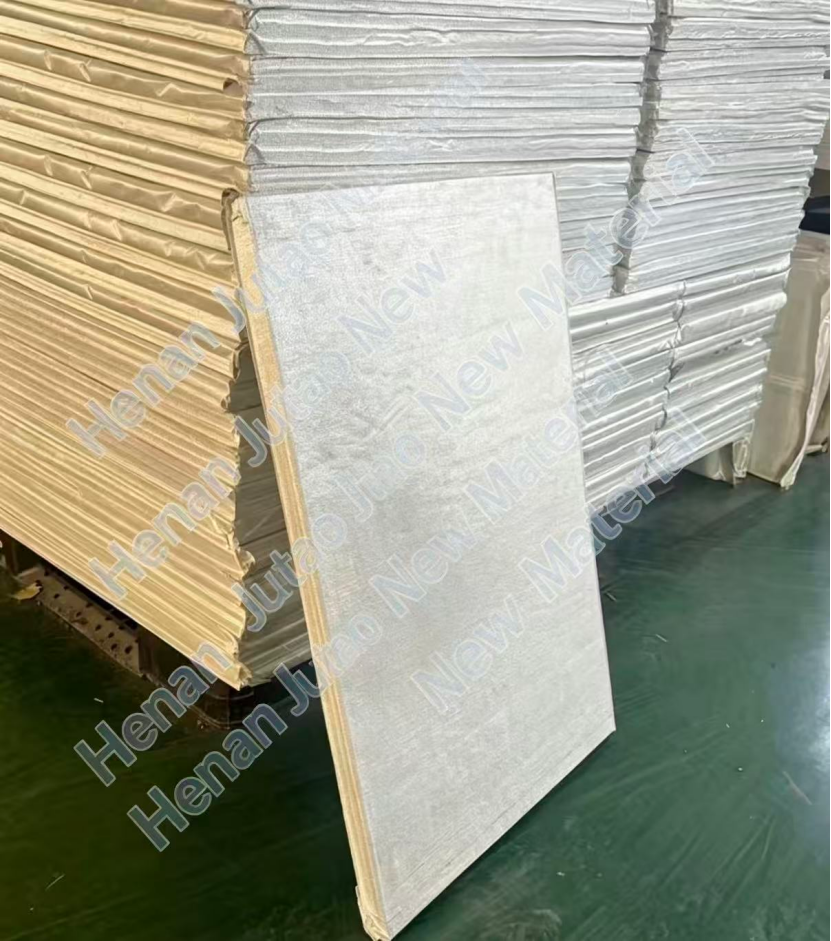
Thin Aerogel Touch-Guards Cut Burn Risk on Pumps, Valves and Platforms
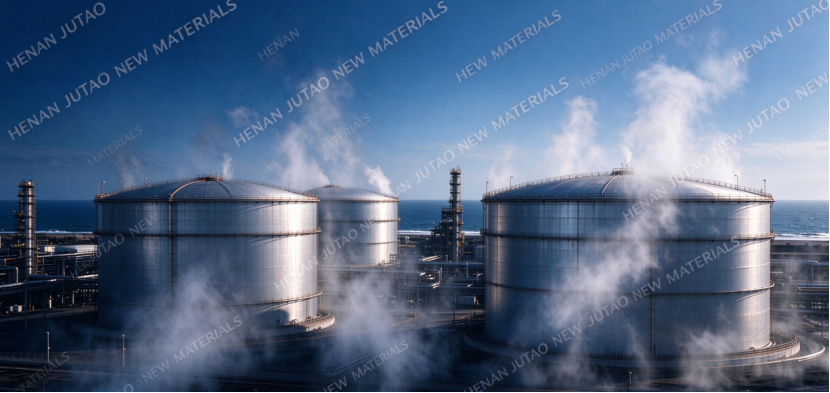
Aerogel Battery Thermal Insulation Beyond Thermal Insulation: How Aerogel Coatings Improve Efficiency and Maintainability in Coastal Industrial Facilities
Keywords: aerogel insulation coating, industrial energy efficiency, storage tank insulation, CUI prevention, thermal insulation for pipelines, offshore insulation solutions
Rethinking Industrial Insulation in Coastal Environments
For petrochemical facilities located near the coast, insulation performance is only one part of the challenge. High humidity, salt spray, heavy rainfall and severe weather can damage conventional insulation systems, increasing the risk of corrosion under insulation (CUI), heat loss and maintenance costs.
Traditional insulation assemblies typically combine insulation blankets with metal cladding. Although widely used, these systems can be difficult to install around irregular surfaces, valves, flanges and other complex components. Damaged joints, deteriorated seals and water ingress may also increase maintenance requirements.
Aerogel insulation coatings offer an alternative approach. By forming a continuous coating over suitably prepared surfaces, they can provide thermal insulation while simplifying coverage of complex equipment.
Henan Jutao New Materials develops aerogel-based insulation coating solutions for industrial equipment, storage tanks and pipeline systems where thermal performance, installation flexibility and long-term maintainability are important considerations.
Five Advantages of Aerogel Insulation Coatings
- Continuous Coverage for Complex Equipment
Industrial facilities contain numerous irregular components, including tank roofs, supports, manholes, flanges, valves and pipeline fittings. Installing prefabricated insulation around these structures can require extensive cutting, fitting and sealing.
Spray-applied or otherwise suitably applied aerogel coatings can accommodate many complex geometries and create a continuous insulation layer when properly specified and installed.
Potential benefits include:
* More complete coverage of irregular surfaces.
* Fewer conventional insulation joints.
* Reduced dependence on prefabricated insulation shells.
* Easier treatment of areas where conventional cladding is difficult to install.
For tank roofs and complex pipeline networks, this approach can help address installation gaps and improve the consistency of insulation coverage.
- Lightweight Insulation for Existing Assets
The weight of an insulation system is an important consideration when upgrading aging tanks and industrial structures.
Henan Jutao’s aerogel coating solution is reported to have a dry density of approximately 0.15 g/cm³. Its relatively low density may help reduce the added weight associated with insulation, depending on the applied thickness and the construction of the existing system.
The company estimates that total insulation-system weight can be reduced by more than 85% in certain applications compared with conventional arrangements. This figure should be verified against the actual reference system, coating thickness, cladding requirements and project design.
Lightweight insulation may be particularly attractive for aging storage tanks, elevated pipelines and facilities where additional structural loading is a concern.
- Thermal Efficiency and Reduced Heat Loss
Aerogel materials are valued for their low thermal conductivity and ability to provide effective insulation within a relatively thin profile.
For heated crude oil tanks and industrial pipelines, reducing heat loss can help maintain operating temperatures and limit energy consumption. The potential savings depend on several factors, including:
* Operating and ambient temperatures.
* Existing insulation performance and condition.
* Coating thickness and thermal conductivity.
* Tank dimensions and exposed surface area.
* Heating arrangements and annual operating hours.
Henan Jutao estimates that, under certain project assumptions, an aerogel insulation upgrade could deliver additional annual energy savings worth approximately RMB 50,000–120,000 per tank.
This is an indicative company estimate rather than a guaranteed saving. A project-specific thermal calculation and energy-cost assessment are necessary to establish the actual return on investment.
- Easier Local Repair and Maintenance
Maintenance access is another important consideration in petrochemical plants. Conventional insulation may need to be removed and reinstalled to inspect or repair underlying equipment, especially around valves, instrument connections and complex fittings.
Depending on the coating system and the required inspection procedure, damaged aerogel coating areas may be repaired locally rather than requiring the replacement of an entire insulation assembly.
This can help simplify maintenance planning, particularly in valve stations, metering areas and densely arranged pipeline systems.
Where corrosion inspection is required, the coating system should be designed to accommodate the facility’s inspection strategy. Operators should not assume that a continuous coating eliminates the need for periodic condition monitoring.
- Reduced Exposure to Conditions Associated With CUI
One of the most important potential benefits is the opportunity to reduce moisture ingress into the insulation system.
Conventional insulation can retain water when the outer cladding or seals fail. A properly formulated and applied aerogel coating system may reduce the number of water-ingress pathways and limit moisture exposure at the steel surface.
For coastal facilities, this can contribute to a broader CUI risk-management strategy.
Effective protection still requires appropriate corrosion-resistant surface preparation and coating selection, careful treatment of joints and penetrations, and inspection throughout the equipment’s service life.
Evaluating the Life-Cycle Economics
The initial cost of an insulation upgrade is only one part of the investment decision. Operators should also consider energy consumption, inspection requirements, repair frequency, unplanned shutdowns and the consequences of corrosion-related failures.
For example, Henan Jutao estimates that CUI-related maintenance and repair costs under conventional insulation arrangements may amount to approximately RMB 100,000–300,000 per tank annually in certain scenarios. The company further estimates that a suitable aerogel coating solution could reduce annual maintenance expenditure by approximately RMB 150,000–250,000 in applicable projects.
These figures are illustrative estimates, not universal industry benchmarks or guaranteed savings. Actual costs vary substantially with tank size, corrosion severity, operating conditions, inspection programs and local labor costs. Savings should be established through a documented comparison of the existing system and the proposed solution.
A comprehensive life-cycle assessment can help determine whether an aerogel coating upgrade is economically justified.
Applications Beyond Crude Oil Storage Tanks
The potential applications of aerogel insulation coatings extend beyond storage tanks. They may also be considered for other facilities exposed to moisture, salt spray, temperature fluctuations or complex equipment geometries.
Coastal Petrochemical Plants
Process vessels, heated pipelines, valves and equipment connections can benefit from insulation systems designed to accommodate irregular surfaces and challenging environmental conditions.
Offshore Oil and Gas Platforms
Offshore installations face persistent exposure to salt spray, high humidity and severe weather. Lightweight insulation and reduced dependence on complex cladding arrangements may be valuable where installation space and maintenance access are limited.
Product suitability must be verified against the platform’s fire-safety, mechanical, environmental and thermal requirements.
LNG Receiving Terminals
LNG facilities contain specialized equipment and piping that operate under demanding thermal conditions. Aerogel coatings may be considered for suitable auxiliary equipment and temperature ranges, but they should not be assumed to replace conventional cryogenic insulation systems without specific engineering validation.
Industrial Pipeline Networks
Valve assemblies, metering stations, flanges and other irregular components can be difficult to insulate using standard prefabricated products. Coating-based insulation may offer a flexible option for selected applications.
Henan Jutao New Materials: Supporting Industrial Thermal Management
Henan Jutao New Materials focuses on aerogel-based insulation technologies for industrial thermal management and equipment protection.
For facilities evaluating an upgrade, the appropriate solution should be selected according to operating temperature, substrate condition, required insulation performance, environmental exposure, fire-safety requirements and maintenance procedures.
By considering these factors together, operators can assess whether an aerogel coating system offers a practical alternative to conventional insulation in their specific application.
Conclusion: A More Integrated Approach to Insulation and Asset Protection
For coastal industrial facilities, effective insulation must do more than reduce heat loss. It should also support reliable equipment operation, practical maintenance and the management of moisture-related corrosion risks.
Aerogel insulation coatings offer potential advantages in thermal efficiency, lightweight construction, coverage of complex geometries and localized repair. When supported by appropriate engineering design and verified product performance, they can form part of a more integrated insulation and asset-protection strategy.
Henan Jutao New Materials aims to help industrial operators explore more efficient insulation solutions for storage tanks, pipelines, petrochemical facilities and other demanding applications.
Technical note: All performance and economic figures should be validated against product test reports, project conditions and a clearly defined conventional-insulation baseline. Aerogel insulation coatings should be selected and applied in accordance with the relevant engineering, corrosion-protection and fire-safety requirements.
Jutao Environmental Technology — Specialists in Aerogel Material Solutions
Stay connected with us for the latest updates, industry insights and application solutions in the aerogel sector.
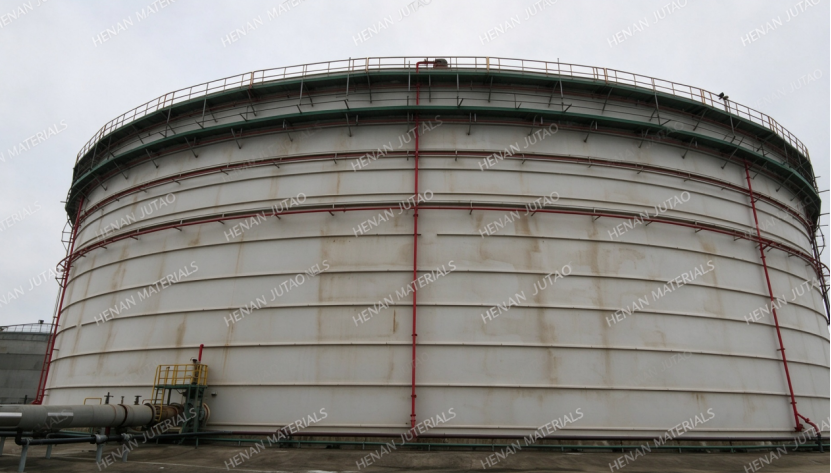
Aerogel Fire Protection Insulation Corrosion Under Insulation in Coastal Oil Tanks: How Aerogel Coatings Help Address CUI Risks at the Source
Keywords: Corrosion Under Insulation (CUI), aerogel insulation coating, crude oil storage tanks, corrosion protection, coastal petrochemical facilities
Why Is CUI a Major Challenge for Coastal Storage Tanks?
In coastal regions, high humidity, salt-laden air and frequent rainfall create demanding conditions for corrosion protection in petrochemical facilities. Crude oil storage tanks often require thermal insulation to reduce heat loss and maintain the desired operating temperature. However, when conventional insulation systems become wet, they can create conditions that promote corrosion beneath the insulation.
This degradation mechanism is known as Corrosion Under Insulation (CUI). Water can enter through damaged cladding, failed seals, joints or other openings. Once moisture and corrosive contaminants accumulate at the steel surface, corrosion may continue unnoticed beneath the insulation layer.
Because the affected areas are concealed, CUI can be difficult to detect through routine external inspections. Advanced corrosion may lead to wall-thickness loss, leakage risks, unplanned maintenance and costly operational interruptions.
Three Factors That Increase CUI Risks in Coastal Environments
- Moisture Retention in Conventional Insulation
Traditional materials such as mineral wool and calcium silicate insulation may retain moisture when exposed to water ingress or damaged weatherproofing. Moisture, together with deposited salts and other contaminants, can create a corrosive environment at the steel surface.
Repeated wetting and drying may further complicate corrosion management, while degraded insulation can lose part of its thermal performance.
- Damage to the Outer Protective Cladding
Coastal storage tanks are exposed to salt spray, strong winds and severe weather. Over time, metal cladding may corrode, deform or develop holes, while sealants and joints may deteriorate. Typhoons and strong seasonal winds can also damage or dislodge protective cladding.
Rainwater can then penetrate the insulation system and remain in contact with the tank wall. If moisture becomes trapped, the steel may be exposed to corrosive conditions for extended periods.
- Operating Temperatures Within the CUI Range
Many crude oil storage tanks operate at approximately 60–90°C. This falls within the broad temperature range in which CUI can occur, although the actual corrosion rate depends on factors such as insulation condition, water chemistry, steel temperature, coating integrity and exposure duration.
For tanks operating under these conditions, reliable moisture management and corrosion protection are essential.
Case Study: Severe Wall-Thinning in a Coastal Crude Oil Tank
At a coastal petrochemical facility, a crude oil storage tank originally used 10 mm steel plate and a conventional insulation system.
Over time, rainwater ingress and salt contamination contributed to persistent moisture exposure beneath the insulation. During maintenance, the facility identified severe localized corrosion, with reported metal loss reaching approximately 8 mm in the most affected area.
Such extensive wall-thickness loss can significantly compromise tank integrity and may create a serious leakage risk. The case also illustrates a key limitation of conventional insulation systems: the insulation may continue to cover the damaged area, making the underlying corrosion difficult to identify before substantial deterioration has occurred.
The operator faced a challenging decision. Replacing the entire insulation system could involve considerable maintenance expenditure and operational disruption, while continuing to operate without appropriate assessment and corrective action could increase safety and environmental risks.
The case highlighted the need for an insulation and protection strategy that addresses both thermal performance and the conditions contributing to CUI.
Henan Jutao Aerogel Coating: An Alternative Approach to CUI Risk Management
Following assessment and repair of the corroded steel, the facility adopted an aerogel coating solution from Henan Jutao New Materials for tank insulation and surface protection.
Unlike conventional systems that rely on insulation blankets and separate metal cladding, an appropriately specified aerogel coating system can form a continuous layer over the prepared substrate, including complex geometries that are difficult to cover with prefabricated insulation components.
- Continuous Coating to Reduce Water-Ingress Pathways
Spray-applied coatings can create a seamless insulation layer without the numerous joints associated with conventional insulation blankets. This can reduce potential pathways for rainwater and salt contamination to reach the steel surface.
The effectiveness of the system depends on correct surface preparation, coating thickness, curing, detailing and compatibility with the underlying corrosion-protection system. Penetrations, edges and other vulnerable areas must also be properly treated.
- Thermal Insulation for Heated Storage Tanks
Aerogel-based materials are known for their low thermal conductivity. When formulated and applied as a suitable insulation coating, they can help reduce heat loss while maintaining a relatively thin insulation profile.
For crude oil storage tanks operating at elevated temperatures, the coating can support temperature management while reducing reliance on bulky conventional insulation assemblies. Actual thermal performance should be verified against the product’s tested properties and the tank’s operating conditions.
- A Protective Barrier Against Moisture and Salt Contamination
A properly designed coating system can help limit the penetration of water and corrosive contaminants toward the steel substrate. By reducing the likelihood of persistent wetting at the metal surface, it can help manage one of the key conditions associated with CUI.
However, no insulation coating should be assumed to eliminate CUI under all conditions. Long-term performance depends on coating integrity, substrate preparation, environmental exposure and ongoing inspection.
Why Consider Aerogel Coatings for Coastal Petrochemical Facilities?
Henan Jutao New Materials’ aerogel insulation coatings are designed for applications where thermal insulation, surface coverage and maintenance accessibility are important.
Potential advantages include:
* Continuous coverage: Helps reduce insulation joints and associated water-ingress pathways.
* Adaptability to complex structures: Can be applied to tank surfaces and suitably prepared irregular components.
* Reduced dependence on bulky insulation assemblies: Offers an alternative approach where space, weight or geometry creates installation challenges.
* Maintainability: Damaged areas may be locally repaired when the coating system and maintenance procedures permit.
* Combined thermal and protective functions: Supports insulation objectives while contributing to moisture-management and corrosion-protection strategies.
For aging storage tanks and coastal facilities, these characteristics may help operators develop a more practical approach to managing CUI risks.
Conclusion
Corrosion Under Insulation remains a significant challenge for crude oil storage tanks in coastal environments, where moisture, salt contamination and weather-related damage can accelerate deterioration beneath conventional insulation.
By combining thermal insulation with a continuous coating approach, aerogel-based systems offer an alternative for facilities seeking to reduce water-ingress pathways, simplify coverage of complex surfaces and improve maintenance accessibility.
Henan Jutao New Materials provides aerogel-based insulation coating solutions for industrial thermal management and equipment protection. With appropriate engineering design, surface preparation and inspection practices, these coatings can form part of a comprehensive strategy for managing CUI risks in coastal petrochemical facilities.
Note: Project outcomes depend on substrate condition, coating specifications, application quality and operating environment. Product selection should be supported by relevant test data and project-specific engineering assessment.
Jutao Environmental Technology — Specialists in Aerogel Material Solutions
Stay connected with us for the latest updates, industry insights and application solutions in the aerogel sector.