Industry News
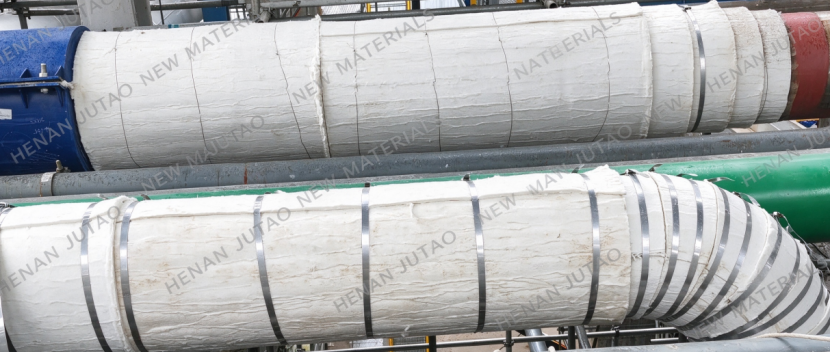
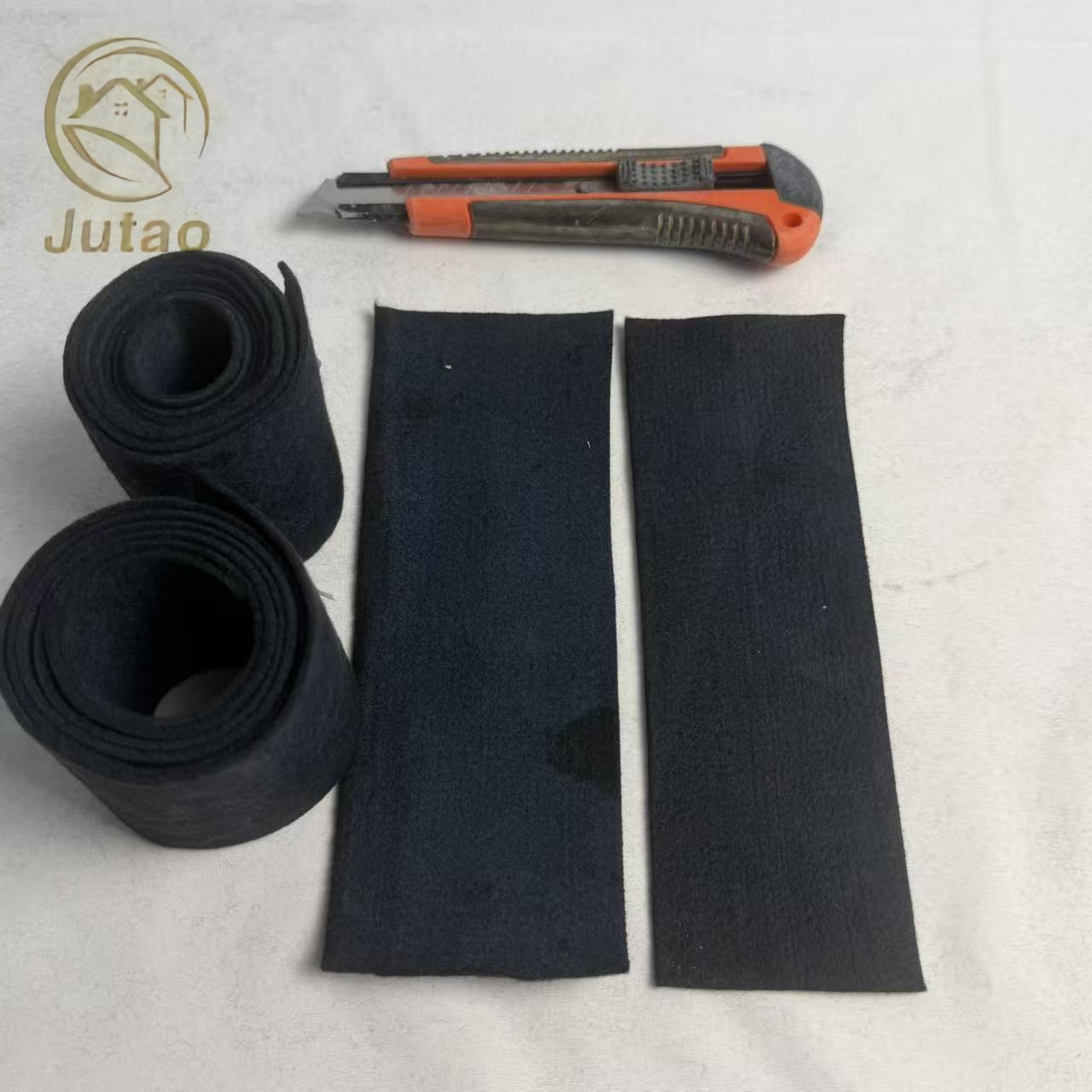
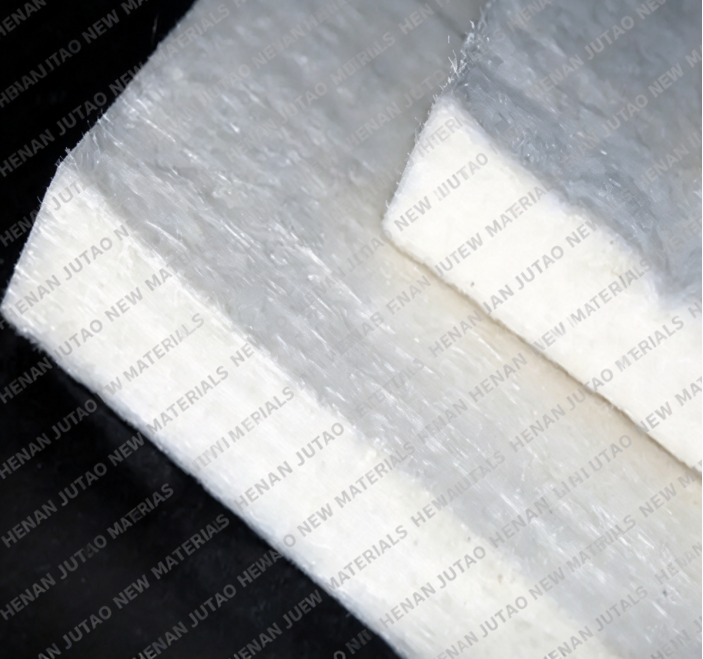
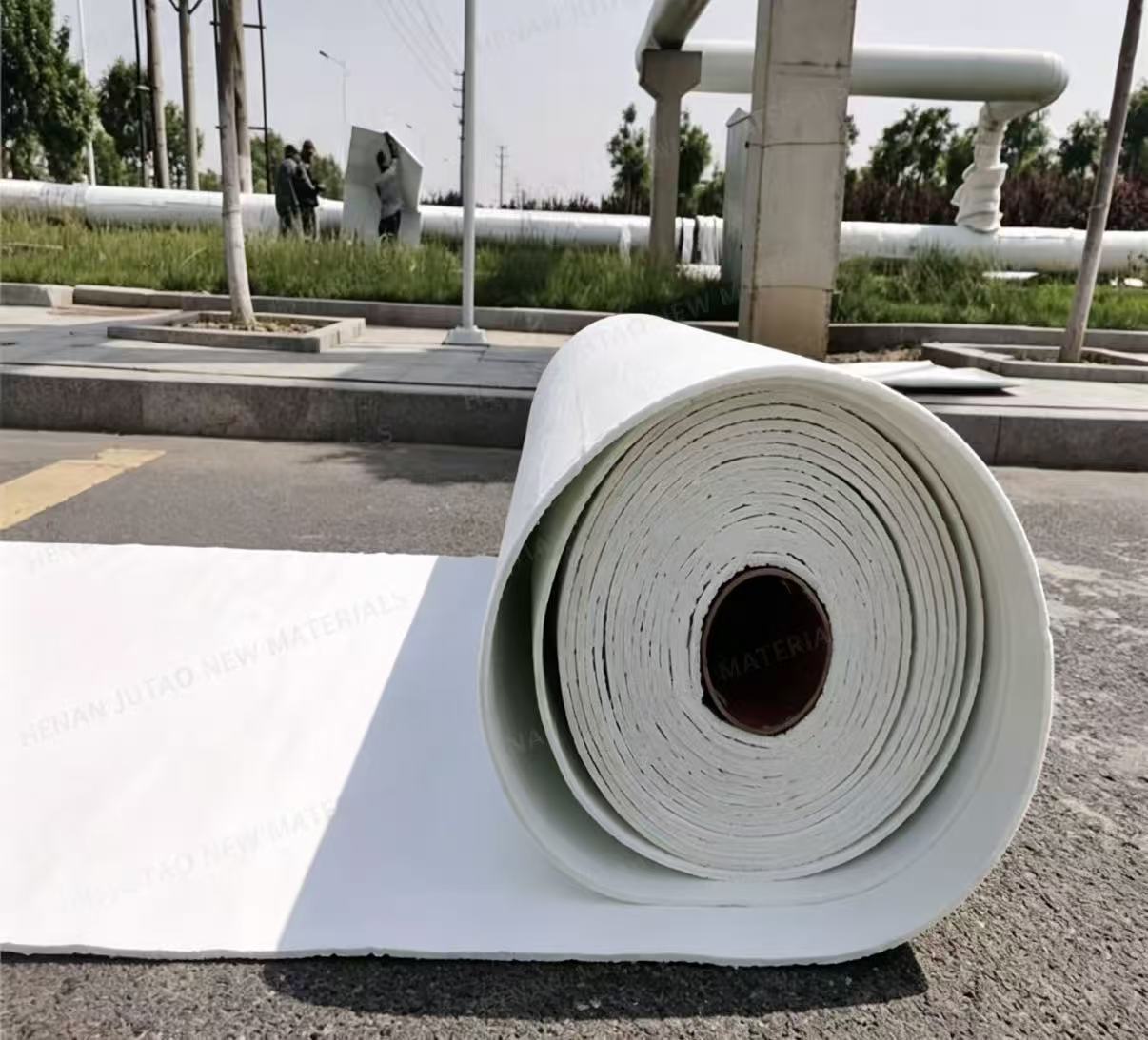
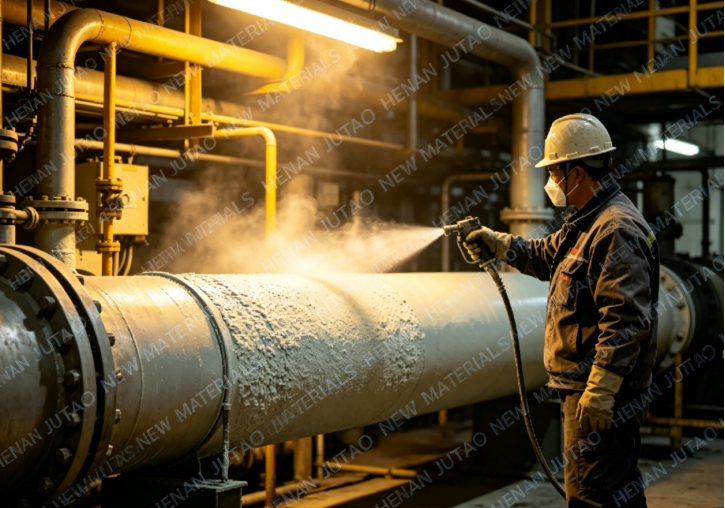
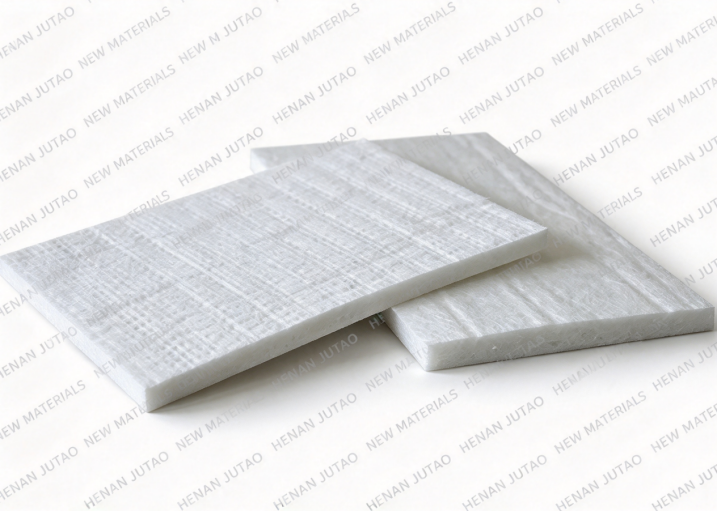
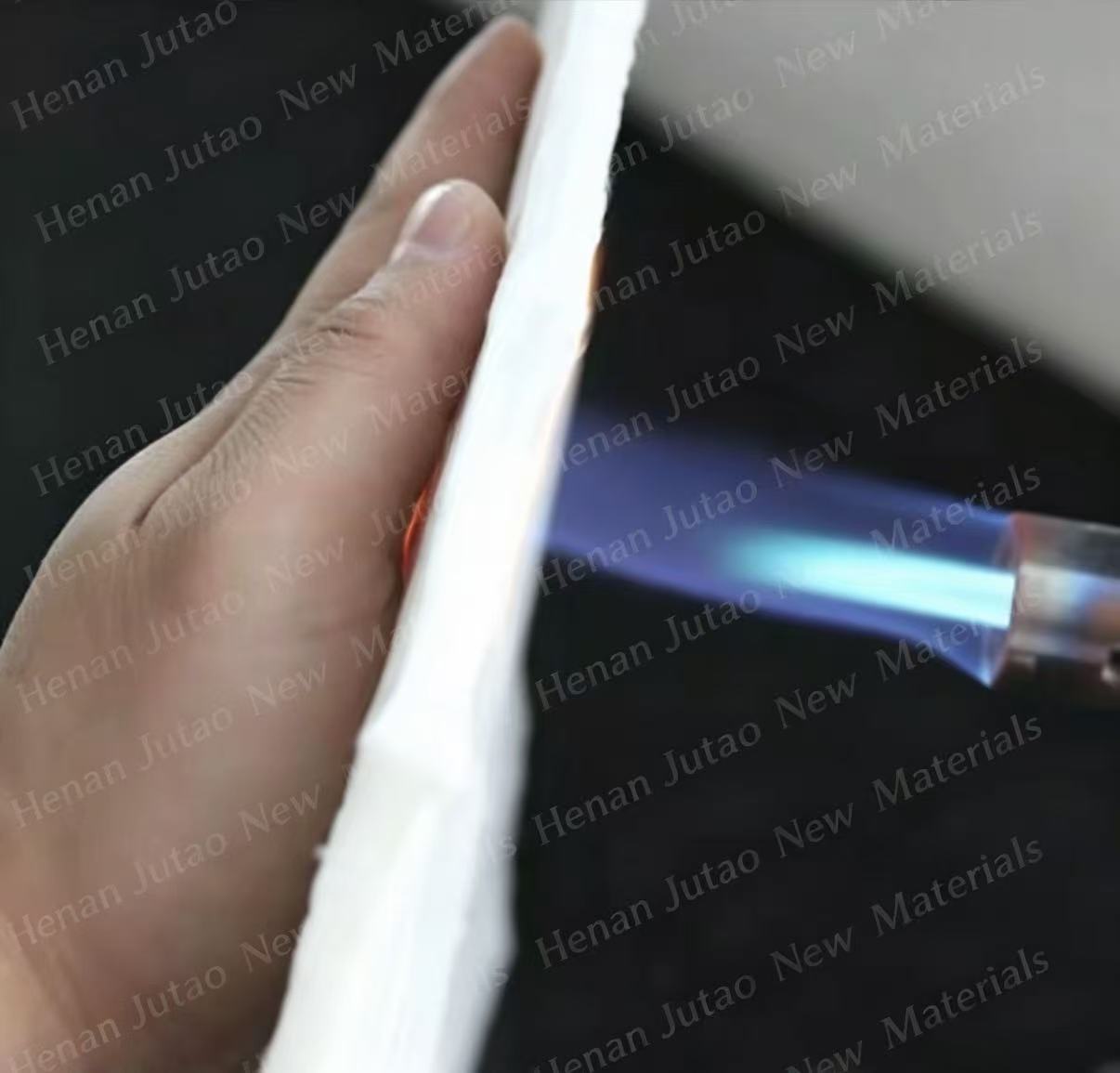
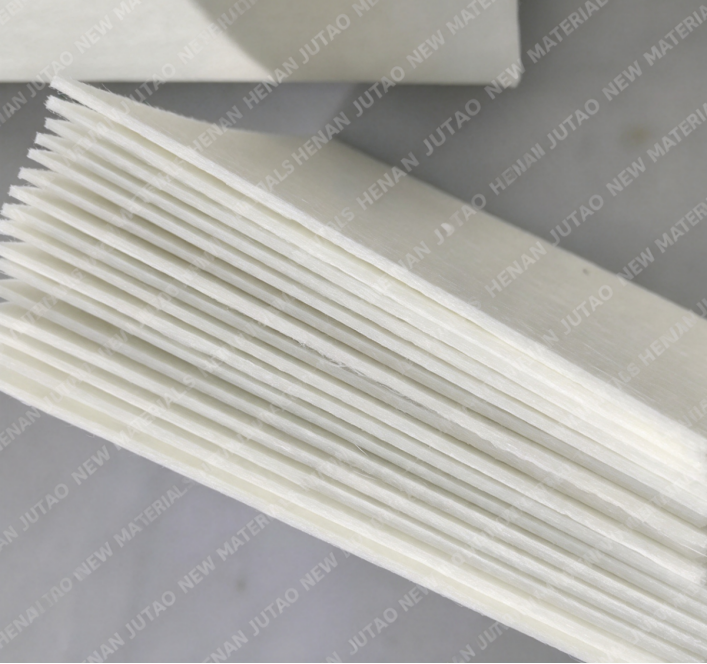
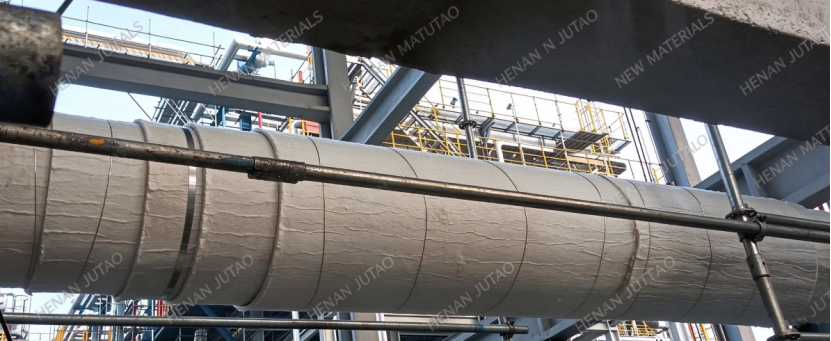
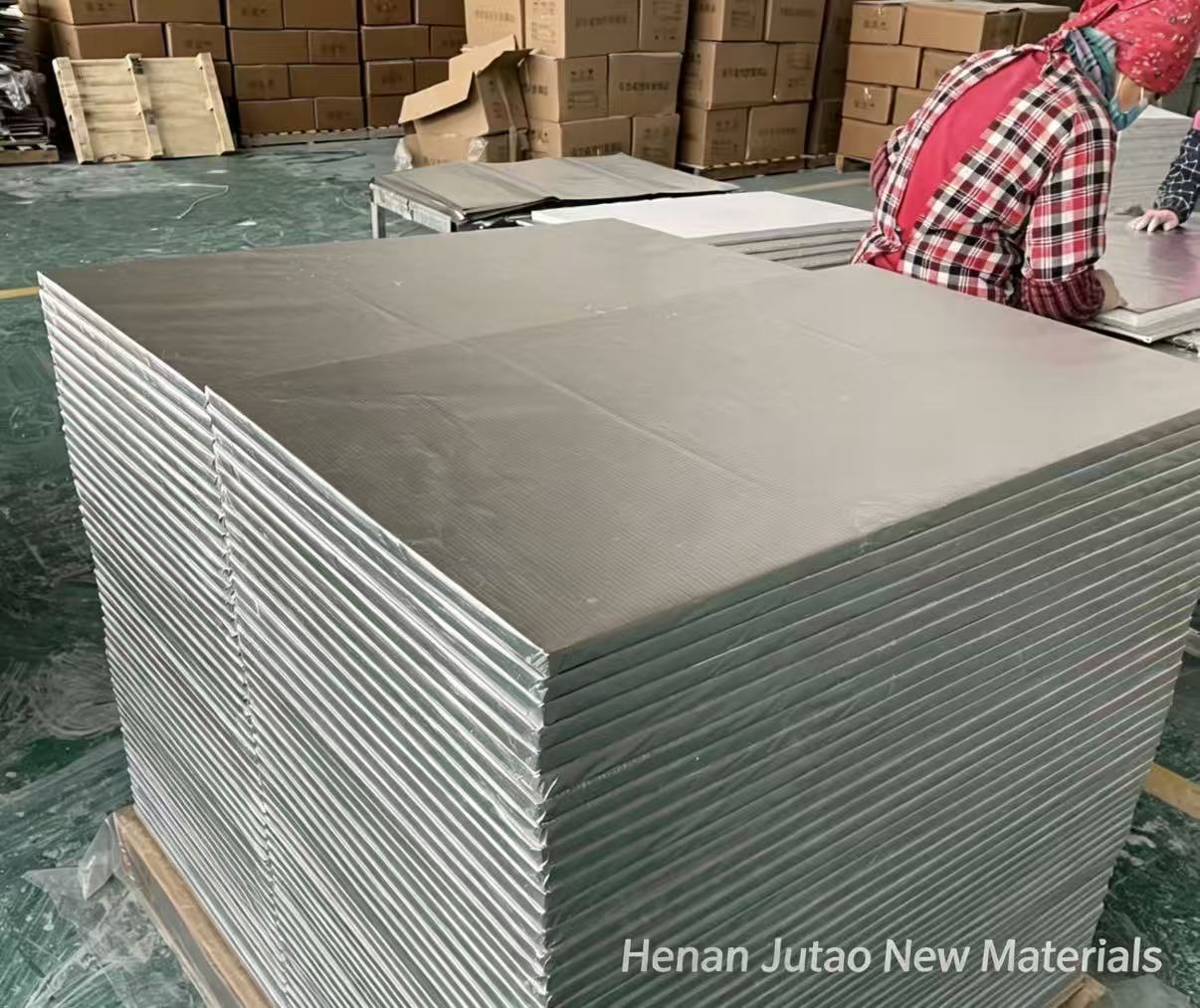
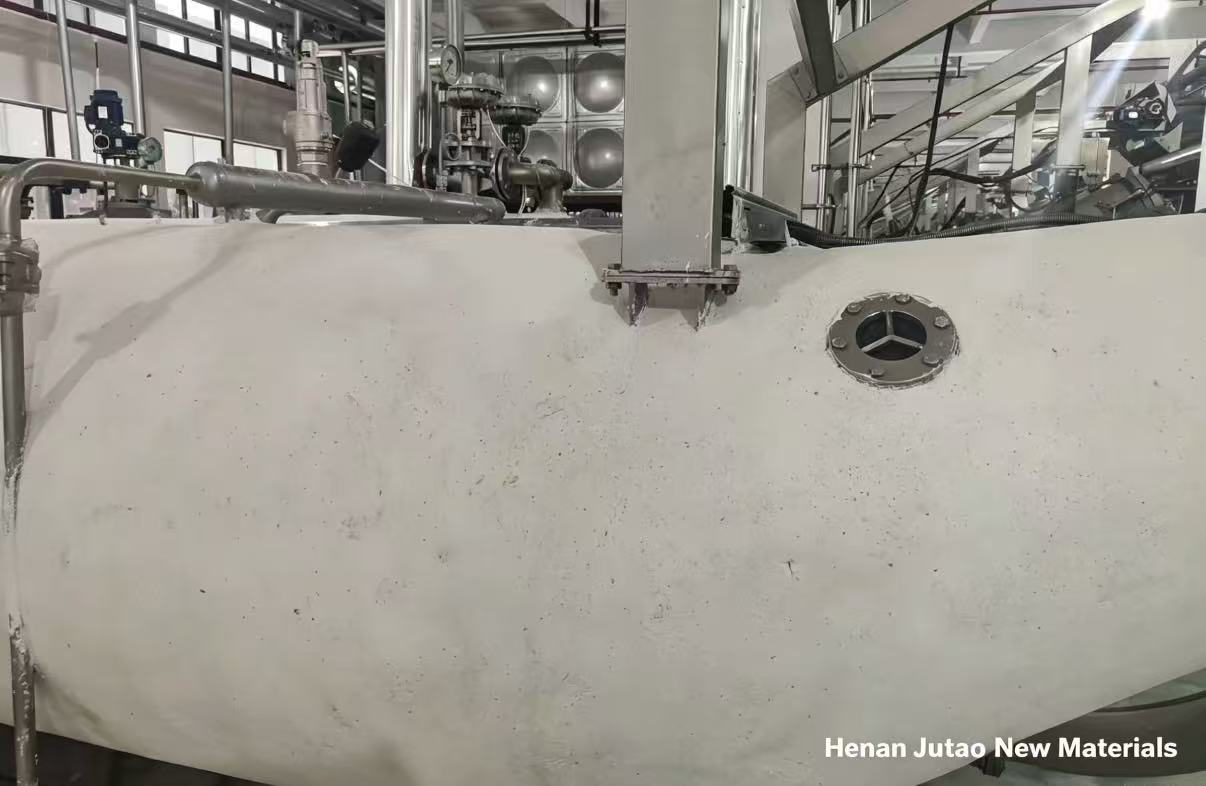
Custom China Aerogel Panels Industrial Insulation Boards: Selection Guide and Practical Benefits for High-Temperature Equipment Choosing the Right Industrial Insulation Board
In high-temperature industrial environments, heat loss not only leads to increased energy consumption but can also affect process stability and equipment performance. As a critical thermal barrier, the selection of industrial insulation boards directly impacts the service life, energy efficiency, and overall cost-effectiveness of insulation systems.
When selecting insulation boards, three key performance indicators should be considered:
- Thermal Conductivity
Thermal conductivity determines the insulation efficiency of a material. Insulation boards with a thermal conductivity below 0.05 W/(m·K) are generally suitable for continuous high-temperature operations, while materials above 0.15 W/(m·K) are typically recommended only for intermittent heat sources.
- Maximum Service Temperature
The operating temperature of the insulation material should include a safety margin of 10%–15% above the actual process temperature. This helps prevent material degradation, phase transformation, and premature insulation failure.
- Compressive Strength
Mechanical strength is essential for maintaining structural integrity during installation and operation. For most industrial applications, a compressive strength of at least 0.6 MPa is recommended.
Common Types of Industrial Insulation Boards and Their Applications
Calcium Silicate Insulation Board
Calcium silicate boards can withstand temperatures up to 650°C and exhibit low linear shrinkage. They are widely used in steam pipelines, hot-air ducts, and industrial furnaces.
Rock Wool Insulation Board
Rock wool offers a cost-effective insulation solution. However, prolonged exposure to high temperatures may cause fiber degradation, making it suitable primarily for equipment operating below 400°C and in low-vibration environments.
Ceramic Fiber Board
Ceramic fiber boards provide excellent thermal insulation and are easy to fabricate. They are ideal for complex-shaped components such as valves, flanges, and irregular equipment surfaces.
Nano Microporous Insulation Board
Although nano microporous insulation boards have a higher initial cost, their thermal conductivity is approximately one-third that of conventional insulation materials. They are particularly effective in applications with limited installation space and demanding thermal performance requirements.
Key Benefits of Industrial Insulation Boards
Reduced Heat Loss
Properly installed insulation boards can lower equipment surface temperatures by 50–70°C, significantly reducing thermal energy loss and improving operational efficiency.
Improved Production Efficiency
For intermittent industrial furnaces and kilns, high-performance insulation can shorten heating cycles by 15%–25%, leading to increased productivity and lower energy consumption.
Corrosion Prevention
In petrochemical reactors and storage vessels, insulation systems help maintain internal wall temperatures above the acid dew point, reducing the risk of corrosion under insulation (CUI) and extending equipment lifespan.
Multi-Layer Composite Solutions
Combining different insulation materials, such as an inner nano microporous layer with an outer calcium silicate layer, provides both superior thermal insulation and enhanced mechanical protection.
Avoiding Common Selection Mistakes
Selecting insulation boards based solely on temperature resistance can lead to performance issues. Environmental conditions, especially humidity and moisture exposure, must also be considered.
For humid environments, hydrophobic insulation boards are recommended to prevent moisture absorption and insulation degradation. For large vertical storage tanks, engineers should verify anchorage performance and indentation strength, with values above 2.0 MPa generally preferred.
Regular inspections are also essential to identify delamination, cracking, or thermal shock damage that may occur during long-term operation.
Cost-Effectiveness and Maintenance Considerations
The lowest purchase price does not always deliver the best long-term value. For example, on a 200-square-meter insulated surface, upgrading to a material with 10% higher energy-saving efficiency can save approximately 12 tons of standard coal annually.
Maintenance should focus on repairing damaged edges and joints as early as possible, since heat flux density at insulation edges can be more than three times higher than in central areas. If insulation boards become saturated with water, replacement is generally recommended unless vacuum drying can fully restore their original performance.
Conclusion
Industrial insulation boards play a vital role in energy conservation, process optimization, equipment protection, and operational safety. By carefully evaluating thermal conductivity, service temperature, compressive strength, and environmental conditions, companies can select the most suitable insulation solution for their specific applications. Investing in high-performance insulation materials can significantly reduce operating costs while improving the reliability and efficiency of industrial systems.
Jutao Environmental Technology — Specialists in Aerogel Material Solutions
Stay connected with us for the latest updates, industry insights and application solutions in the aerogel sector.
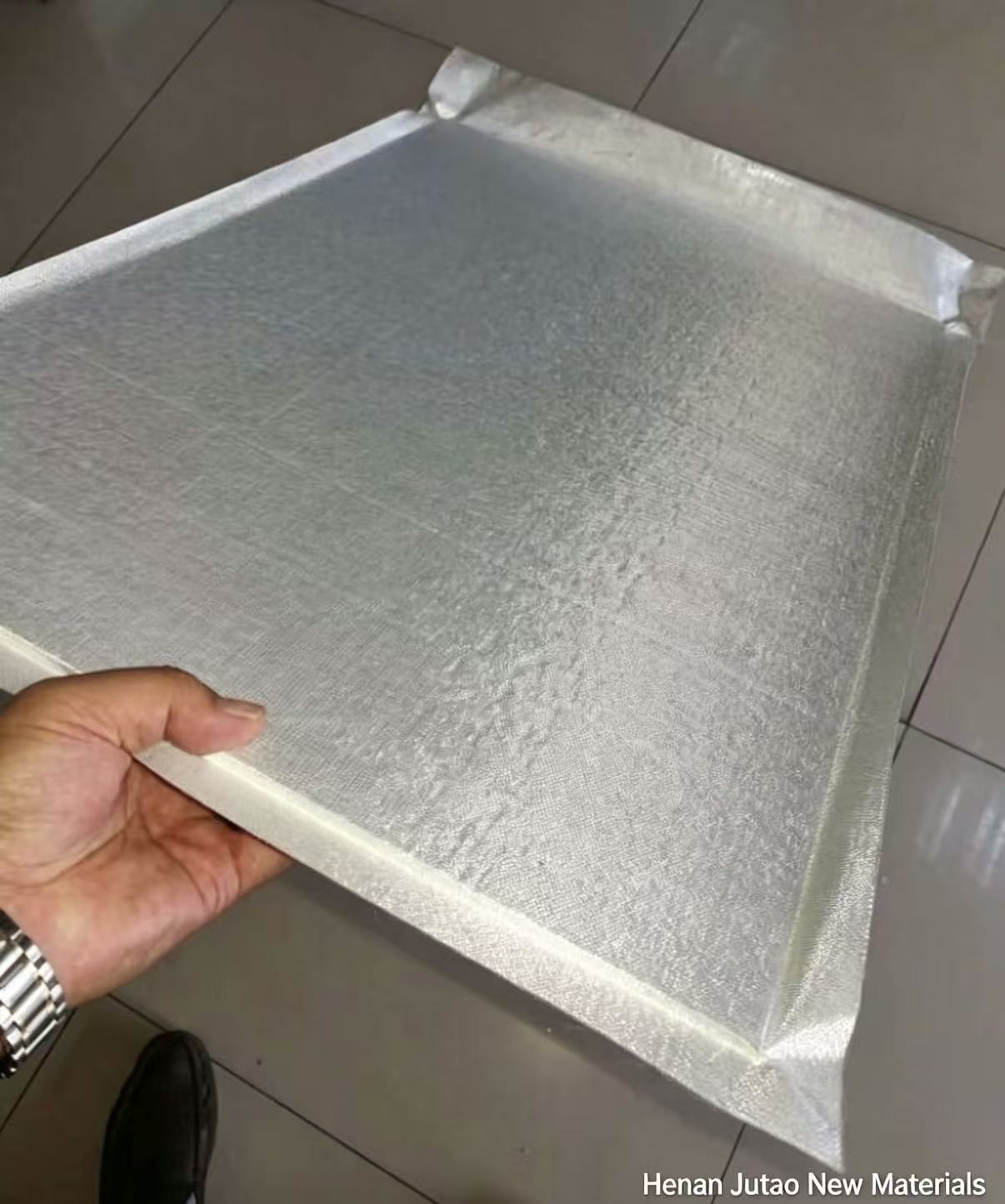
Custom China Facade Systems Vacuum Insulation Panels: A Smart Solution for Building Energy Retrofits
As global energy-saving requirements continue to increase, building renovation projects are facing a common challenge: how to significantly improve thermal insulation performance while minimizing the impact on existing building space and appearance. Traditional insulation materials such as rock wool and EPS/XPS boards often require thick installation layers, which can reduce indoor space or alter the building façade. Vacuum Insulation Panels (VIPs) provide an innovative solution to this challenge.
Why Vacuum Insulation Panels Deliver Superior Thermal Performance
The exceptional insulating capability of Vacuum Insulation Panels comes from their advanced composite structure. A VIP typically consists of a microporous core material, such as fumed silica, enclosed within a high-barrier multilayer envelope under vacuum conditions.
By removing air from the panel, convective heat transfer is nearly eliminated. At the same time, conductive and radiant heat transfer are greatly reduced. As a result, VIPs achieve an ultra-low thermal conductivity of only 0.004–0.008 W/(m·K), approximately five to ten times more effective than conventional insulation materials.
This means that a 20 mm thick VIP can often provide insulation performance comparable to more than 80 mm of traditional insulation boards, making it ideal for applications where space is limited.
Ideal for Existing Building Renovation Projects
Many older buildings were not originally designed to accommodate additional insulation layers. Increasing wall thickness with conventional materials can create thermal bridges around windows, balconies, roofs, and other structural details. It may also require costly modifications to doors, window frames, and utility systems.
The ultra-thin design of Vacuum Insulation Panels allows them to be integrated into existing building envelopes with minimal impact on the original structure. This advantage makes VIPs particularly suitable for:
* Residential building energy retrofits
* Commercial building renovations
* Historic building preservation projects
* Urban renewal programs
* Buildings with strict façade requirements
By maintaining the original appearance while significantly improving thermal performance, VIPs provide a practical solution for challenging renovation projects.
Installation Considerations
To achieve long-term performance, proper installation of Vacuum Insulation Panels is essential.
Because the vacuum-sealed structure is critical to insulation performance, VIPs should never be cut or punctured during installation. Project-specific dimensions should be determined during the design phase, and customized panel sizes are often recommended.
Key installation practices include:
* Accurate panel layout planning
* Sealing panel joints with airtight tapes or polyurethane sealants
* Staggered joint installation to reduce thermal bridging
* Protective mortar layers or reinforced mesh systems for mechanical protection
Since VIPs are not designed to support heavy loads directly, they are typically incorporated into complete insulation systems that include protective and decorative layers.
Economic Value and Long-Term Durability
Although Vacuum Insulation Panels generally have a higher initial cost than traditional insulation materials, they often provide greater long-term value.
Their superior thermal performance allows thinner insulation assemblies, reducing costs associated with façade modifications, support structures, finishing layers, and labor. In interior renovation projects, preserving usable floor area can generate significant economic benefits.
High-quality VIPs are also designed for long service life. Under proper protection conditions, vacuum degradation can be minimized, enabling a service life of more than 25 years while maintaining excellent thermal performance.
Typical Applications of Vacuum Insulation Panels
Rather than replacing all conventional insulation materials, VIPs are best used in applications where maximum thermal performance and minimum thickness are required.
Common applications include:
* Interior wall insulation systems
* Exterior wall energy retrofit projects
* Elevator shaft insulation
* Basement ceiling insulation
* Balcony thermal bridge treatment
* Roof insulation upgrades
* Prefabricated and passive building systems
These applications demonstrate the unique value of VIP technology in situations where conventional insulation solutions may not be practical.
Conclusion
Vacuum Insulation Panels represent an advanced insulation technology that addresses the growing demand for energy-efficient buildings. Their ultra-low thermal conductivity, space-saving design, and long-term durability make them an ideal choice for modern building renovation projects.
As energy-efficiency standards continue to evolve, VIPs are expected to play an increasingly important role in sustainable construction and building retrofit applications worldwide.
Jutao Environmental Technology — Specialists in Aerogel Material Solutions
Stay connected with us for the latest updates, industry insights and application solutions in the aerogel sector.
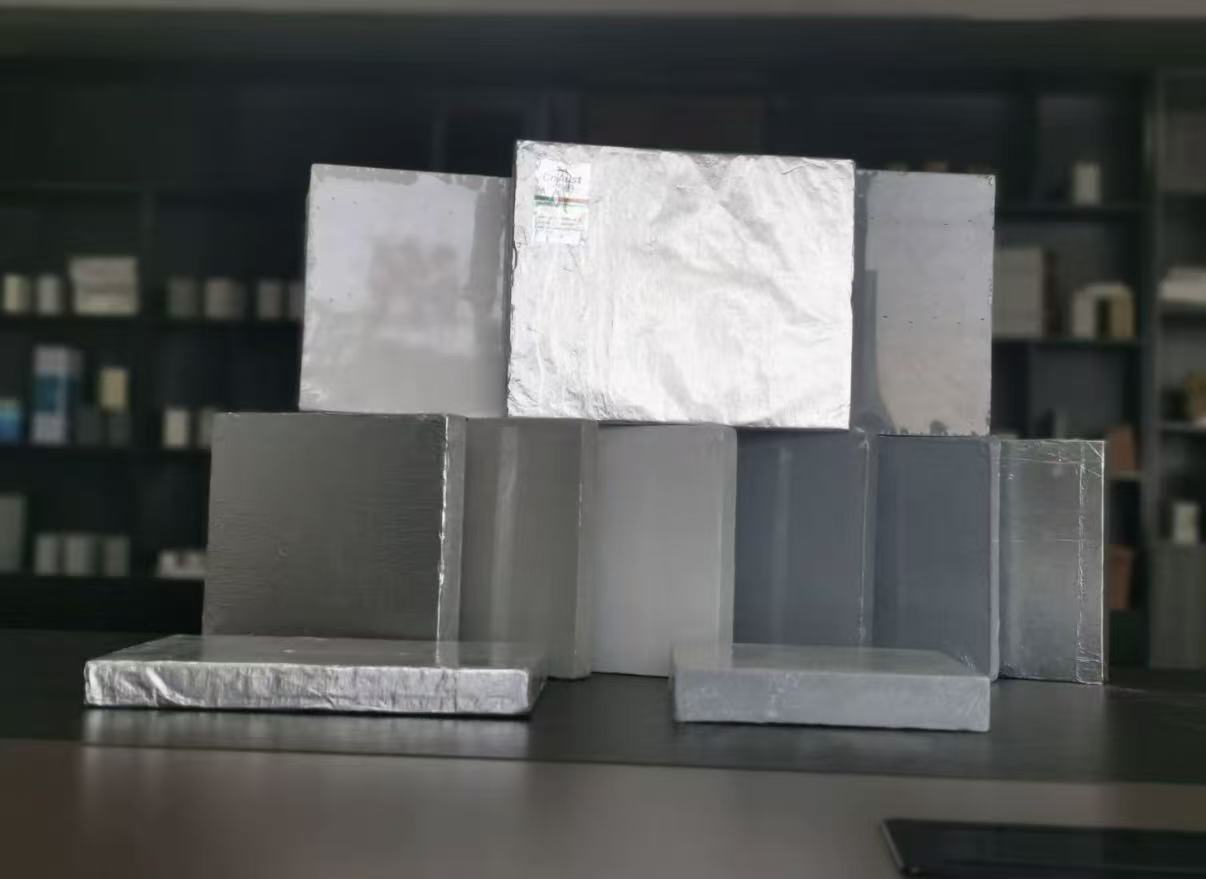
Wholesale China Gas Membrane STP Insulation Panels – The Physics-Based Solution for High-Temperature Workshop Environments
Intro
For factories with metal roofs, summer heat is not just a discomfort—it is a productivity killer. When solar radiation and machinery heat combine, indoor temperatures frequently exceed 40°C, leading to worker fatigue, safety risks, and equipment strain. Conventional fans and ventilation systems struggle against radiant heat. The real answer lies in physics: block the radiation at the building envelope.
- The Core Insulation Logic of STP Panels
STP (Vacuum Insulation Panel) technology utilizes a high-porosity nano-core material, evacuated to an extremely low internal pressure. This dramatically suppresses convective heat transfer within the panel. With a thermal conductivity as low as 0.008 W/(m·K) —one-fifth to one-tenth that of standard polyurethane foam—STP panels provide exceptional thermal resistance in an ultra-thin profile. When installed on roofs or walls, they reflect most solar radiation and cut off the conduction pathway into the workspace.
- Engineered for Industrial Demands
Industrial environments demand durability. STP panels are faced with high-strength aluminum foil or pre-painted steel sheets, offering excellent corrosion resistance, weatherability, and mechanical strength. They are suitable for chemical plants, foundries, food processing facilities, and more. With thicknesses ranging from only 10 to 30 mm, they can be retrofitted onto existing structures without modifying load-bearing frameworks or reducing overhead clearance. Field data shows that during peak summer hours, STP-clad roof undersurface temperatures can be 8–12°C lower than uninsulated areas, with overall workshop ambient temperatures dropping by 4–6°C.
- Tangible Benefits – Beyond Just Temperature Reduction
The goal is not simply lower numbers on a thermometer—it is reducing heat stress and improving human performance. Workers spend less time seeking relief under fans or AC outlets, and equipment failure rates due to overheating decline measurably. Unlike high-power industrial air conditioners, STP panels are a passive, energy-free insulation solution. Once installed, they require zero operational electricity and minimal maintenance. For large factory floors, this approach eliminates the wasteful cycle of "cooling while leaking heat" through the building shell.
- Easy Installation and Low Maintenance
Installation involves no complex mechanical or electrical work. Panels are affixed using specialized adhesives or mechanical anchors, with joints sealed using aluminum foil tape to preserve the vacuum integrity. Routine maintenance is simple: periodic visual inspection for punctures or damage, with quick repairs using patch kits. A damaged single panel does not compromise the performance of adjacent panels, and repairs can be carried out without halting production.
- Why Choose STP?
Choosing STP insulation is choosing a strategy that respects the laws of thermodynamics, values worker well-being, and delivers long-term economic returns. When radiant heat is kept outside, every breath inside the workshop becomes easier—and every production line runs more steadily.
Jutao Environmental Technology — Specialists in Aerogel Material Solutions
Stay connected with us for the latest updates, industry insights and application solutions in the aerogel sector.
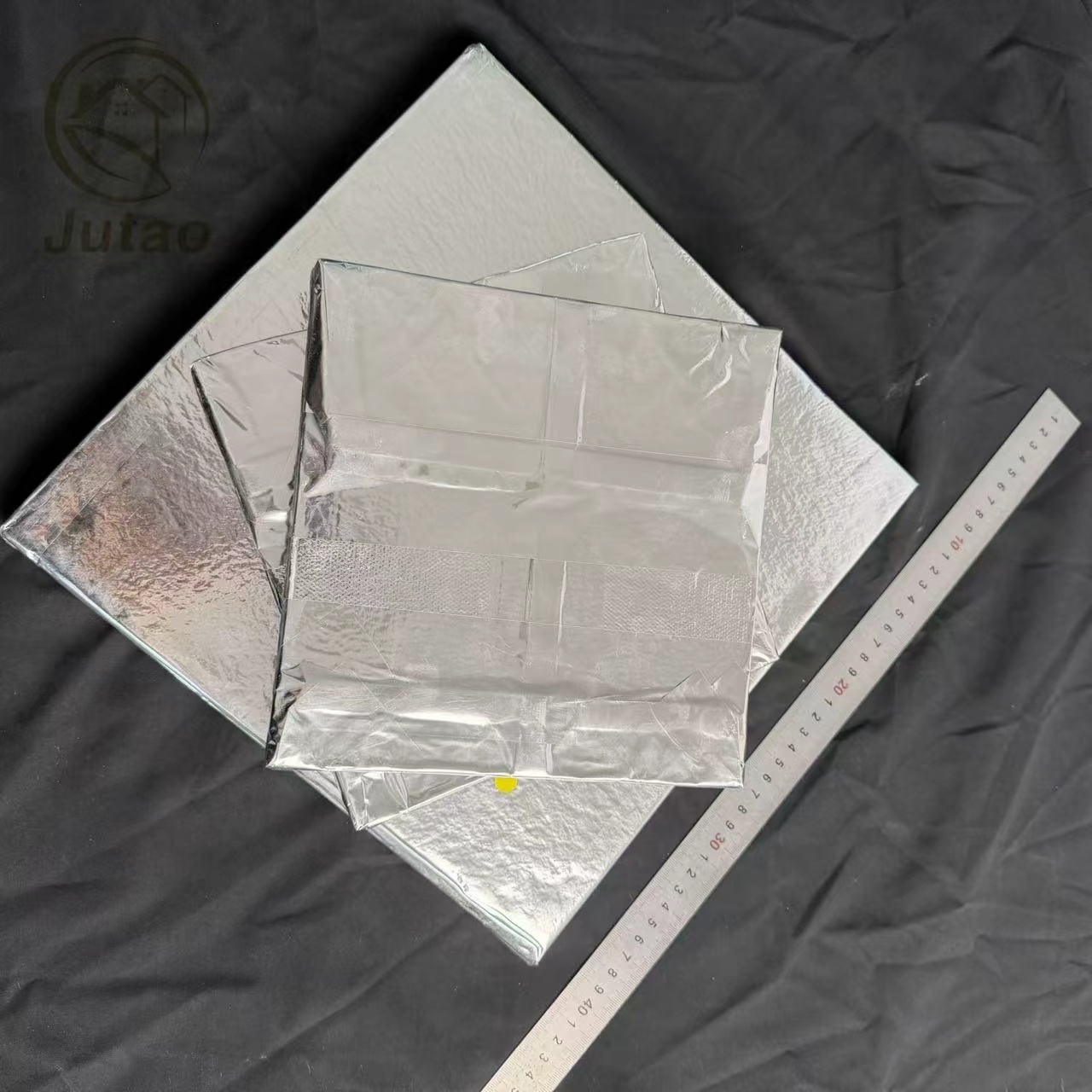
China Custom Aerogel U Value STP Thermal Insulation Panel: A Building Insulation Solution Integrating Fire Safety and Thermal Efficiency
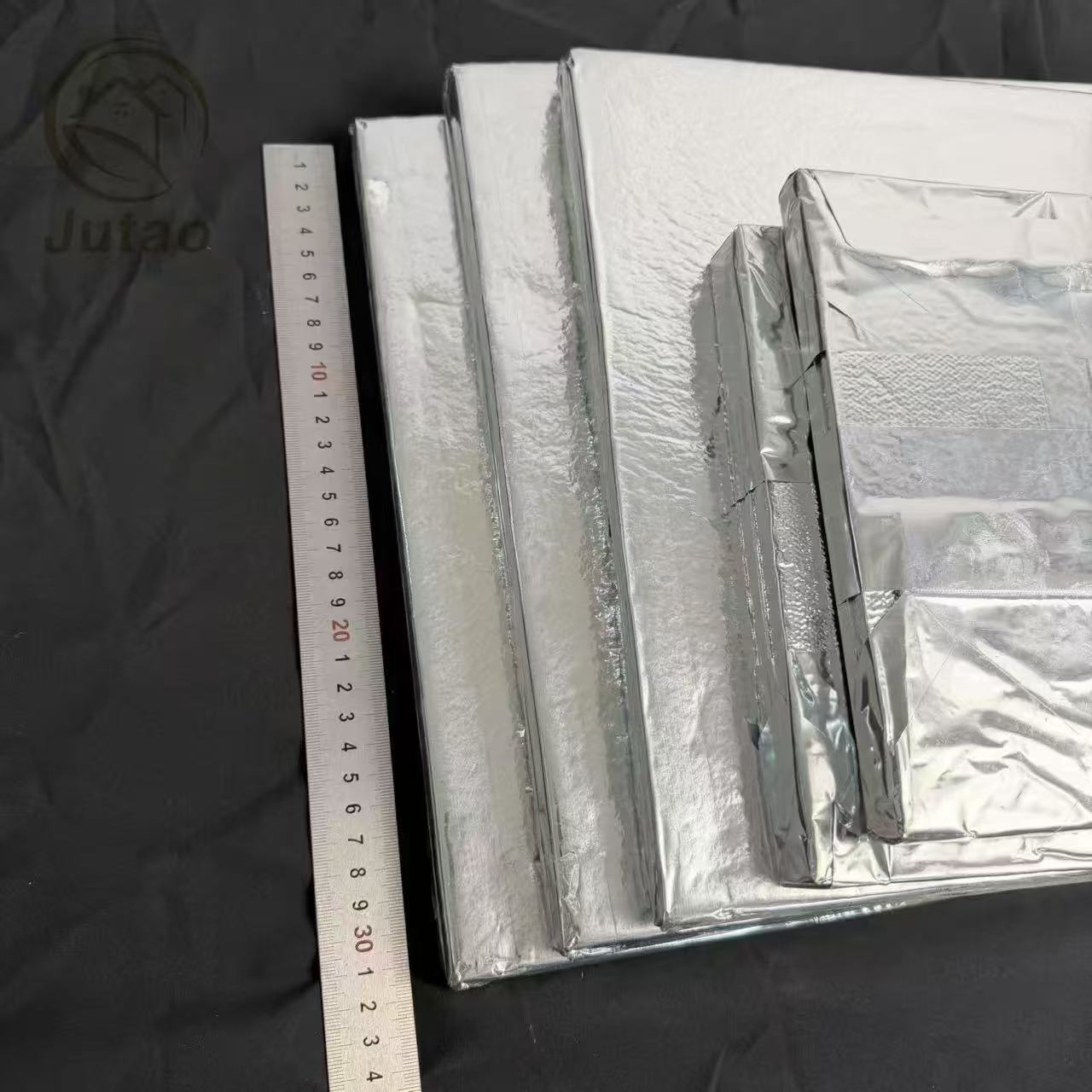
Custom China Aerogel Board Vacuum Insulation Panels (VIP): The Ultimate High-Performance Thermal Insulation Solution
As global energy-efficiency standards continue to rise, traditional insulation materials are increasingly challenged by limited thermal performance and excessive thickness requirements. Vacuum Insulation Panels (VIPs) have emerged as one of the most advanced insulation technologies available today, delivering exceptional thermal performance within an ultra-thin profile.
What Is a Vacuum Insulation Panel (VIP)?
A Vacuum Insulation Panel (VIP) is a high-performance thermal insulation material that combines a microporous core with a vacuum environment to minimize heat transfer. Thanks to its unique structure, VIP technology achieves some of the lowest thermal conductivity values currently available in commercial insulation products.
A typical VIP consists of three main components:
* Core Material – Usually fumed silica, featuring a nano-porous structure that maintains excellent insulation under moderate vacuum conditions.
* Barrier Envelope – A multilayer laminate composed of PET, aluminum foil (or metallized PET), and PE, designed to maintain vacuum integrity and prevent gas and moisture penetration.
* Getter and Desiccant System – Absorbs residual gases and moisture entering the panel, significantly extending service life.
Exceptional Thermal Performance
The primary advantage of VIP technology lies in its ultra-low thermal conductivity.
Newly manufactured fumed silica VIPs typically achieve center-of-panel thermal conductivity values of approximately:
0.004–0.005 W/(m·K)
This is several times more efficient than conventional insulation materials such as mineral wool, EPS, or XPS.
The outstanding performance results from the combination of:
* Vacuum conditions that eliminate convective heat transfer
* Nano-scale porous structures that suppress gaseous conduction
* Reduced radiative heat transfer within the core
Even after decades of service, VIPs generally maintain superior insulation performance compared to traditional materials.
Long-Term Durability and Moisture Management
Over time, atmospheric gases and water vapor gradually diffuse through the barrier film, increasing internal pressure and causing a slow rise in thermal conductivity.
Accelerated aging studies indicate that after approximately 25 years of service, thermal conductivity may increase to:
0.007–0.009 W/(m·K)
Despite this aging process, VIPs remain highly efficient insulation solutions.
Panel longevity largely depends on:
* Barrier film quality
* Manufacturing precision
* Installation conditions
* Protection against mechanical damage
Modern monitoring and predictive modeling techniques are increasingly used to estimate service life and long-term thermal performance.
Acoustic Performance
Due to their relatively low surface mass and rigid laminated envelope, standalone VIPs provide limited airborne sound insulation.
However, when integrated into multi-layer wall systems alongside materials such as:
* Gypsum fiber boards
* Lightweight concrete panels
* High-density polymer layers
VIP-containing assemblies can achieve improved sound reduction while maintaining exceptional thermal insulation performance.
Fire Performance
VIPs exhibit a composite fire behavior because of their multi-layer construction.
The fumed silica core is non-combustible and generally classified as:
Euroclass A1
However, the outer barrier film contains polymer layers that contribute to combustibility, meaning individual VIP panels are often classified at lower fire-performance levels.
When incorporated into certified building systems using non-combustible facings or protective coverings, VIP assemblies can meet more demanding fire safety requirements such as:
* Broof(t4)
* B-s1, d0
depending on the complete system design and certification.
Thermal Bridging and Edge Effects
One important design consideration for VIP applications is the edge effect.
The multilayer barrier film often contains aluminum layers with higher thermal conductivity than the core material. This creates thermal bridges around the panel perimeter, increasing the effective thermal conductivity of the overall panel.
Factors influencing edge effects include:
* Panel dimensions
* Barrier film thickness
* Metal layer conductivity
For practical building applications, designers often use the equivalent thermal conductivity (λeq) value, which accounts for edge losses and provides a more realistic assessment of thermal performance.
Environmental Considerations
The production of VIPs requires energy-intensive processes, including:
* Fumed silica manufacturing
* Multilayer barrier film production
* Vacuum encapsulation technology
As a result, VIPs generally have a higher embodied carbon footprint per unit volume than conventional insulation materials.
However, their outstanding thermal efficiency and ability to significantly reduce wall thickness can lower building operational energy consumption throughout the building lifecycle, partially offsetting initial environmental impacts.
End-of-life recycling remains a challenge due to the combination of silica cores and multilayer composite barrier materials.
Ideal for Modular and Prefabricated Construction
Vacuum Insulation Panels are particularly suitable for modular and prefabricated building systems, where factory-controlled installation minimizes the risk of accidental damage.
With thermal conductivity values typically ranging from:
0.004–0.007 W/(m·K)
VIPs allow designers to achieve:
U-values below 0.15 W/m²·K
while maintaining significantly thinner wall assemblies compared with conventional insulation materials.
This makes VIP technology an ideal solution for:
* Modular buildings
* Prefabricated construction
* High-performance façades
* Cold-chain logistics
* Refrigeration equipment
* Space-constrained insulation applications
Conclusion
Vacuum Insulation Panels represent one of the most advanced thermal insulation technologies available today. Combining ultra-low thermal conductivity, space-saving design, and long-term energy efficiency, VIPs provide an effective solution for modern buildings and industrial applications where maximizing insulation performance within limited space is critical.
As energy-efficiency requirements continue to evolve worldwide, VIP technology is expected to play an increasingly important role in next-generation sustainable construction and thermal management systems.
Jutao Environmental Technology — Specialists in Aerogel Material Solutions
Stay connected with us for the latest updates, industry insights and application solutions in the aerogel sector.
Custom China Aerogel Board Silica Aerogel: A Revolutionary Insulation Material from Aerospace to Energy-Efficient Buildings
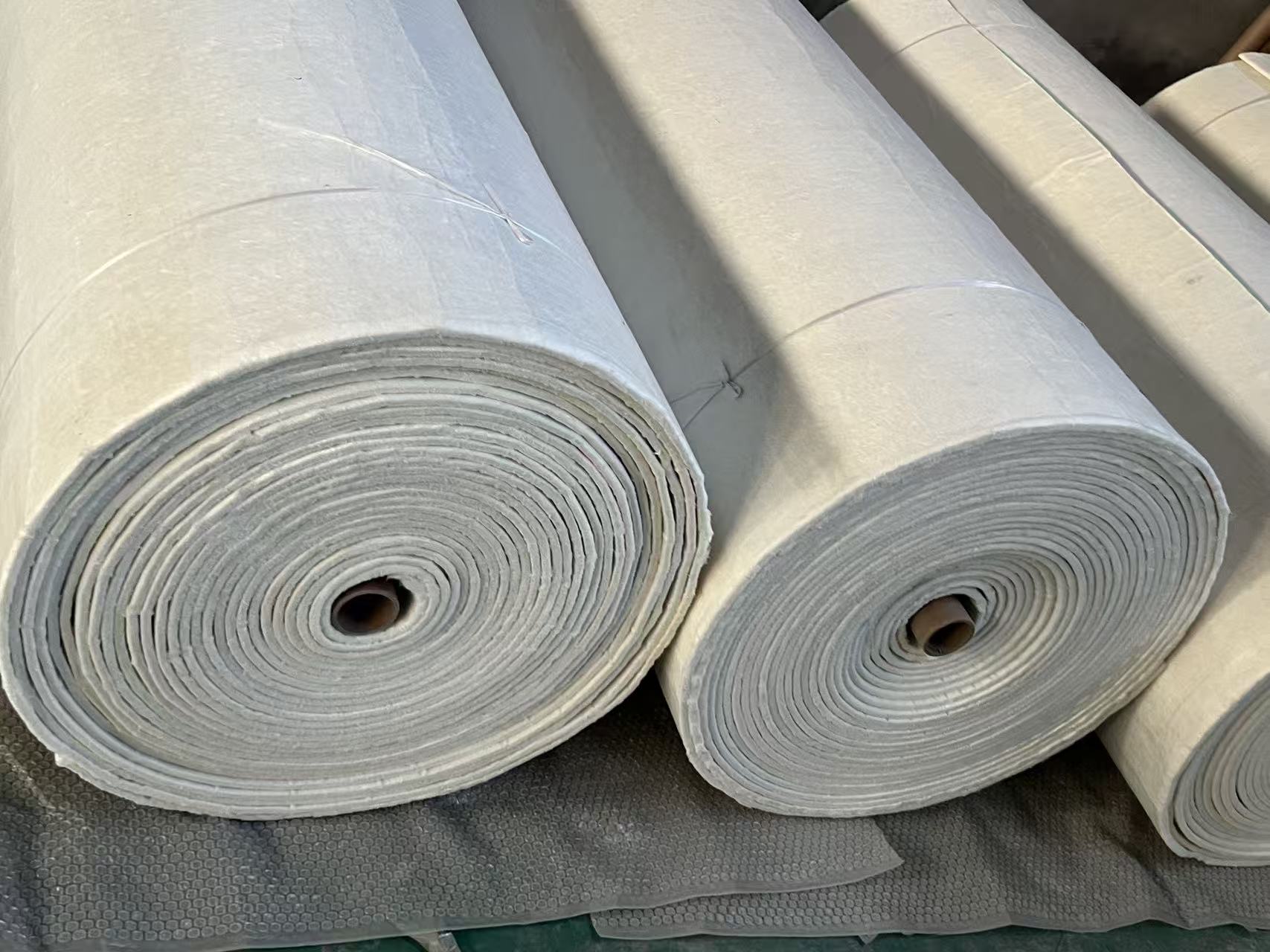
Silica aerogel represents the cutting edge of advanced material technology. Its thermal insulation performance is unmatched by traditional materials. Although initially developed for aerospace applications, it is now being increasingly used in energy-efficient building construction.
- Material Properties
Aerogel is a solid material with extremely high porosity (typically 95–99%), where the internal liquid phase is replaced by gas while maintaining a three-dimensional silica skeleton. Silica-based aerogel (SiO₂) dominates building applications, featuring a mesoporous structure with pore sizes of approximately 20–50 nm. This nanostructure results in very low bulk density and limits heat transfer through both solid and gaseous phases.
The key mechanism behind its superb insulation performance is the Knudsen effect. Because the pore size is smaller than the mean free path of air molecules (≈70 nm under standard conditions), gas molecules collide more frequently with pore walls than with each other, significantly reducing thermal conduction and convection in the gas phase. As a result, the total thermal conductivity of silica aerogel can be below 0.020 W/(m·K), with laboratory measurements reaching as low as 0.013–0.015 W/(m·K).
- Thermal Performance
Commercial silica aerogel insulation materials, typically supplied as flexible blankets or composites, have very low thermal conductivity (λ) in the range of 0.013–0.026 W/(m·K) under ambient conditions—far lower than traditional insulation materials such as mineral wool or expanded polystyrene. This allows aerogel to provide 2–3 times better thermal insulation than standard mineral wool of the same thickness.
This characteristic enables significantly thinner walls while maintaining required insulation performance. For example, a 10–20 mm aerogel layer can provide insulation equivalent to 40–60 mm of standard fiber insulation. In modular construction, this is especially beneficial: thinner walls increase usable interior floor space while keeping external dimensions suitable for transport and prefabrication.
- Acoustic Performance
The nanoporous structure of silica aerogel creates high airflow resistance and enhances viscous scattering effects within the pore network, giving it potential as a sound-absorbing material. Studies on fiber-reinforced aerogel have shown maximum sound absorption coefficients (α) of approximately 0.89 within selected frequency ranges. Absorption efficiency depends on density, thickness, and the method of integrating aerogel into the composite matrix. For lightweight partitions in modular buildings, these materials provide effective solutions that optimize both thermal and acoustic insulation while minimizing wall thickness.
- Moisture Management (Hygroscopicity)
Although silica aerogel is typically modified to be hydrophobic, its thermal performance under varying humidity levels remains an important consideration. Increasing relative humidity (RH) leads to higher thermal conductivity, especially under very high humidity (>80–90% RH), where capillary condensation and the presence of water (which has a much higher thermal conductivity than air) significantly reduce insulation performance. At moderate humidity (0–60% RH), the change in thermal conductivity is small. Aerogel composites generally have low hygroscopicity and high vapor permeability, reducing long-term moisture accumulation in building walls. However, effective moisture protection measures are still recommended to ensure long-term insulation performance.
- Fire Resistance
Due to its inorganic chemical composition and the absence of organic components in the porous skeleton, silica aerogel is non-combustible. Depending on the type of fiber reinforcement used, aerogel blankets can achieve A2-s1, d0 or B-s1, d0 fire ratings, indicating limited smoke production and no burning droplets. These materials exhibit excellent high-temperature resistance; high-temperature aerogels maintain structural integrity up to 650 °C and do not release toxic smoke or gases, making them a safe choice for partitions in public buildings and modular construction.
- Hazards, Safety, and Limitations
Cutting and installing aerogel blankets generates dust. While the amorphous silica released is not classified as a carcinogen like crystalline silica, it is hygroscopic and may irritate the skin, eyes, and respiratory tract. Strict personal protective measures must be taken, including FFP2/FFP3 masks, protective clothing, safety glasses, gloves, and local exhaust ventilation.
High production costs result from the complex supercritical drying process and energy-intensive manufacturing. In addition, the global warming potential (GWP) per unit mass of silica aerogel is several times higher than that of traditional mineral insulation materials (rock wool, glass wool), which hinders its widespread adoption in large-scale building applications.
- Environmental Aspects
Although the production of silica aerogel—especially the supercritical drying stage—is energy-intensive and has a higher GWP per unit mass compared to traditional mineral insulation, life cycle assessment (LCA) shows that the significant reduction in heat loss and operational energy consumption over a building's lifetime can offset the initial "carbon investment" within a relatively short period. Recycling of composite blankets remains a major challenge (e.g., separating aerogel from fiber carriers). However, pure silica aerogel is non-toxic and chemically stable, reducing environmental impact at the end of its life.
- Applications in Modular Construction
Thanks to their extremely low thermal conductivity—typically 0.018–0.026 W/(m·K) for fiber-reinforced aerogel composites—silica aerogel materials allow comparable thermal performance with significantly thinner layers, reducing wall thickness by 50–70% compared to standard mineral insulation. In modular construction, where external dimensions are constrained by transport and prefabrication requirements, thinner insulation translates directly into increased usable floor space inside the module while maintaining high thermal performance and occupant comfort.
Jutao Environmental Technology — Specialists in Aerogel Material Solutions
Stay connected with us for the latest updates, industry insights and application solutions in the aerogel sector.
Aerogel Wall Manufacturer STP Vacuum Insulation Panel: Advanced Thermal Insulation Solution for Building Exterior Walls
As global building energy-efficiency standards continue to rise, traditional insulation materials are increasingly challenged by the need to balance thermal performance, wall thickness, and usable interior space. STP Vacuum Insulation Panels (VIPs) have emerged as a next-generation insulation solution, delivering exceptional thermal performance in an ultra-thin profile.
A Breakthrough in Thermal Insulation Performance
Conventional insulation materials such as mineral wool and EPS boards typically require significant thickness to achieve desired thermal resistance. While effective, these systems often reduce usable building space and create challenges during renovation projects.
STP Vacuum Insulation Panels overcome these limitations through an innovative vacuum-based insulation mechanism. By creating a high-vacuum environment inside the panel, air convection and gas thermal conduction are dramatically reduced. Combined with a nano-porous core material, the panel achieves an ultra-low thermal conductivity of less than 0.008 W/(m·K).
As a result, a panel thickness of only 10–20 mm can provide insulation performance comparable to traditional materials measuring 60–80 mm thick. This allows architects and developers to maximize interior space while meeting stringent energy-saving requirements.
Reliable System Design for Long-Term Building Performance
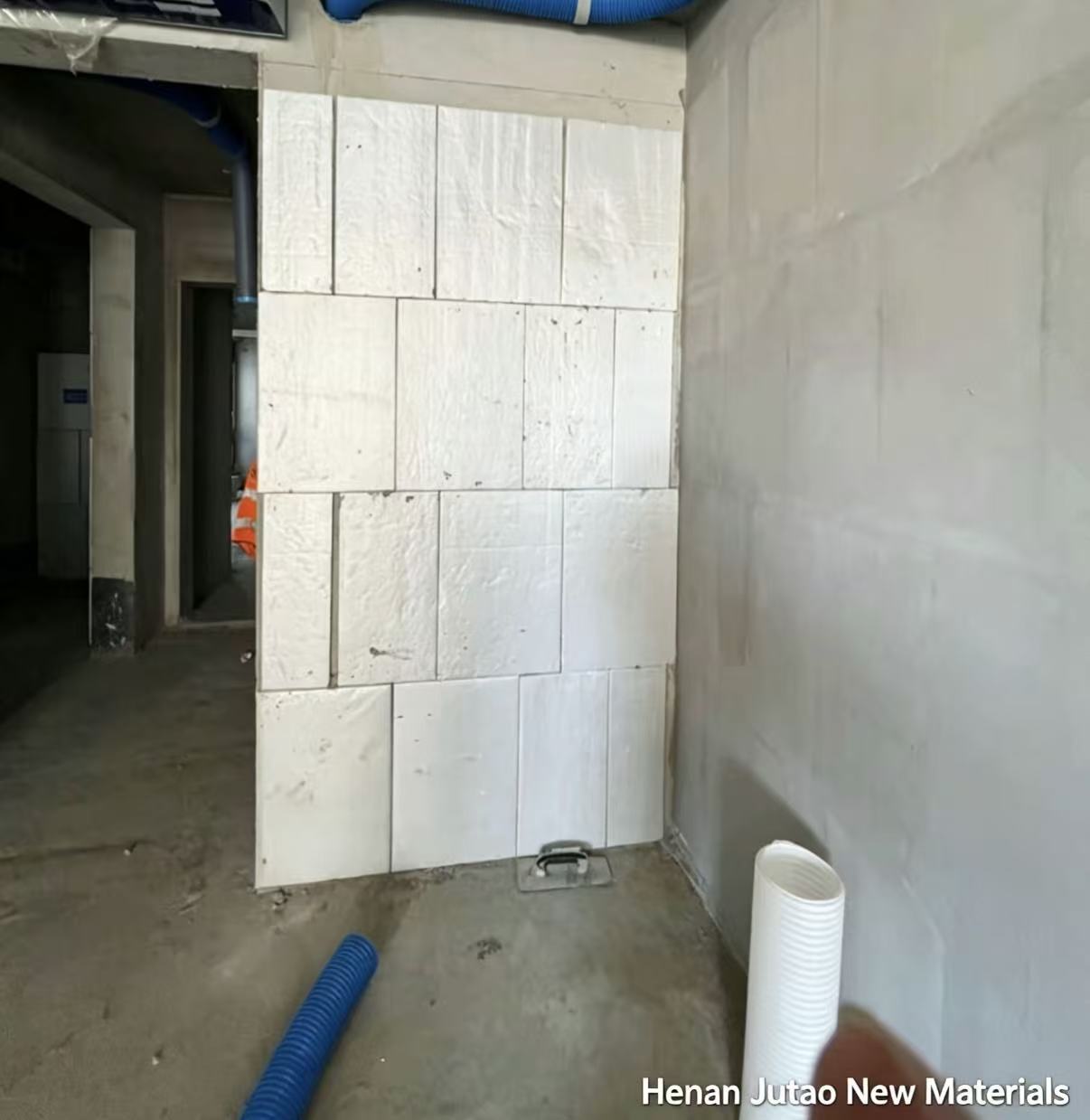
Outstanding insulation performance must be supported by a reliable installation system. High-quality STP exterior wall insulation systems utilize dedicated mechanical fixing methods, ensuring that structural loads are transferred directly to the building substrate rather than the vacuum panel itself.
Flexible polyurethane foam is commonly used to seal panel joints, while reinforcing mesh and protective render layers create a complete system with excellent crack resistance, moisture protection, and impact resistance.
This integrated design approach protects the vacuum insulation panels and helps maintain long-term thermal performance throughout the building’s service life.
Sustainable Benefits Throughout the Building Lifecycle
The advantages of STP Vacuum Insulation Panels extend beyond operational energy savings.
Due to their slim profile, fewer raw materials are required for transportation and installation, contributing to lower carbon emissions. Reduced wall thickness can also decrease the overall structural load of a building, offering additional benefits in high-rise construction and seismic design applications.
Furthermore, if an individual panel is accidentally damaged, the impact is typically localized. The overall insulation system remains intact, allowing maintenance or replacement without extensive façade reconstruction. This improves the long-term maintainability and cost-effectiveness of the building envelope.
Applications
STP Vacuum Insulation Panels are widely used in:
* Building exterior wall insulation systems
* High-rise residential and commercial buildings
* Passive houses and low-energy buildings
* Building renovation and energy-efficiency retrofit projects
* Areas where space-saving insulation solutions are required
The Future of High-Efficiency Building Insulation
Choosing the right insulation system is an investment in a building’s long-term energy performance. STP Vacuum Insulation Panels represent more than just thinner insulation—they offer a smarter approach to achieving superior thermal efficiency, space optimization, and sustainable construction.
As the demand for energy-efficient and environmentally responsible buildings continues to grow, STP Vacuum Insulation Panels are becoming an increasingly valuable solution for modern architecture and construction projects worldwide.
Jutao Environmental Technology — Specialists in Aerogel Material Solutions
Stay connected with us for the latest updates, industry insights and application solutions in the aerogel sector.
Custom China Aerogel Board Building Vacuum Insulation Panels: An Ideal Solution for Exterior Wall Insulation Projects
Building Vacuum Insulation Panels Adapted for Modern Exterior Wall Engineering
As global demand for energy-efficient and sustainable buildings continues to grow, Building Vacuum Insulation Panels (VIPs) are becoming an increasingly important solution for exterior wall insulation systems. With their ultra-low thermal conductivity, slim profile, and long-term durability, VIPs offer significant advantages over conventional insulation materials in both new construction and renovation projects.
How Vacuum Insulation Panels Achieve Superior Thermal Performance
A vacuum insulation panel consists of a highly porous core material encapsulated within a high-barrier multilayer film. By removing the air inside the panel, heat transfer through conduction, convection, and radiation is dramatically reduced.
As a result, VIPs can achieve thermal conductivity values as low as 0.002–0.008 W/(m·K), making them one of the most efficient thermal insulation materials available today. Compared with traditional insulation products, their thermal performance can be more than ten times higher.
Advantages in Exterior Wall Applications
One of the most significant benefits of building vacuum insulation panels is their ultra-thin design.
To achieve the same insulation performance, a VIP typically requires only one-fifth to one-eighth of the thickness of conventional materials such as mineral wool or expanded polystyrene (EPS). This allows architects and developers to:
* Maximize usable interior space
* Reduce façade thickness
* Lower structural and anchoring loads
* Improve building aesthetics
* Meet stringent energy-efficiency standards
For existing building retrofits, thin-panel installation minimizes disruption to the original façade and reduces construction impact on occupants.
In addition, many exterior-grade VIPs can achieve Class A fire resistance, providing enhanced fire safety for modern building projects.
Installation Considerations and Best Practices
Proper installation is essential to ensure long-term insulation performance.
During installation, special attention should be given to panel joint sealing. Even minor damage to the barrier film may reduce the vacuum level and affect thermal efficiency.
Recommended installation practices include:
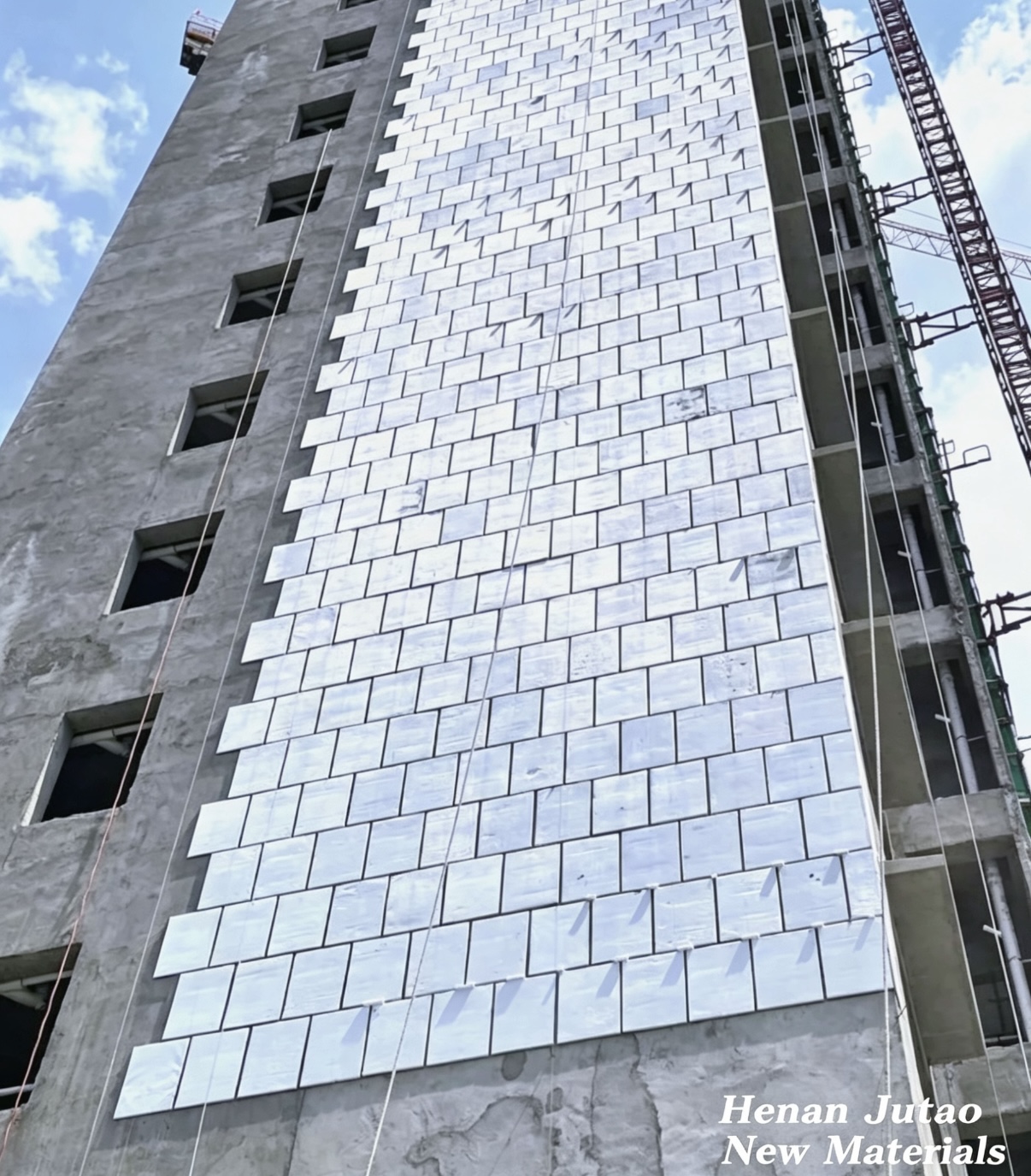
* Staggered panel layout to minimize thermal bridging
* Specialized edge-sealing tapes
* Flexible anti-crack mortar systems
* Alkali-resistant fiberglass mesh reinforcement
Because VIPs should not be punctured, all mechanical fixtures, pipelines, and mounting systems should be planned within joint areas or dedicated leveling layers.
A clean, dry, and level substrate is also critical to prevent stress concentration, debonding, or hollow spots during long-term service.
Durability and Long-Term Service Life
Exterior wall insulation systems must withstand continuous exposure to sunlight, rain, freeze-thaw cycles, and wind loads.
High-quality vacuum insulation panels are typically protected by advanced barrier laminates, such as aluminum foil composite films reinforced with fiberglass layers. These protective structures help maintain thermal performance and mechanical integrity for more than 25 years under normal operating conditions.
Critical areas including:
* Building corners
* Window and door openings
* Expansion joints
should be reinforced with corner guards and additional mesh to prevent localized stress damage.
For maintenance inspections, thermal imaging technology can quickly identify potential panel failures, allowing targeted replacement without affecting the entire insulation system.
Cost Efficiency and Project Selection Recommendations
Although the initial material cost of VIPs is higher than traditional insulation products, the overall project economics can be highly competitive when considering:
* Reduced wall thickness
* Lower transportation costs
* Faster installation
* Increased usable floor area
* Improved energy savings throughout the building lifecycle
For passive houses, ultra-low-energy buildings, and net-zero-energy projects, vacuum insulation panels offer exceptional value by delivering maximum insulation performance within limited space.
When selecting building VIPs, engineers and project owners should evaluate:
* Initial thermal conductivity
* Aged thermal conductivity design values
* Flexural strength
* Dimensional stability
* Barrier film quality
Products featuring stepped-edge overlap designs are recommended, as they help reduce thermal bridging at panel joints and improve overall system efficiency.
During storage and transportation, panels should be protected from punctures, excessive pressure, folding, and moisture exposure to maintain their vacuum integrity.
Conclusion
With proper detailing, professional installation, and effective protection measures, building vacuum insulation panels provide a safe, efficient, and durable insulation solution for exterior wall applications.Building Vacuum Insulation Panels: An Ideal Solution for Exterior Wall Insulation Projects
Building Vacuum Insulation Panels Adapted for Modern Exterior Wall Engineering
As global demand for energy-efficient and sustainable buildings continues to grow, Building Vacuum Insulation Panels (VIPs) are becoming an increasingly important solution for exterior wall insulation systems. With their ultra-low thermal conductivity, slim profile, and long-term durability, VIPs offer significant advantages over conventional insulation materials in both new construction and renovation projects.
How Vacuum Insulation Panels Achieve Superior Thermal Performance
A vacuum insulation panel consists of a highly porous core material encapsulated within a high-barrier multilayer film. By removing the air inside the panel, heat transfer through conduction, convection, and radiation is dramatically reduced.
As a result, VIPs can achieve thermal conductivity values as low as 0.002–0.008 W/(m·K), making them one of the most efficient thermal insulation materials available today. Compared with traditional insulation products, their thermal performance can be more than ten times higher.
Advantages in Exterior Wall Applications
One of the most significant benefits of building vacuum insulation panels is their ultra-thin design.
To achieve the same insulation performance, a VIP typically requires only one-fifth to one-eighth of the thickness of conventional materials such as mineral wool or expanded polystyrene (EPS). This allows architects and developers to:
* Maximize usable interior space
* Reduce façade thickness
* Lower structural and anchoring loads
* Improve building aesthetics
* Meet stringent energy-efficiency standards
For existing building retrofits, thin-panel installation minimizes disruption to the original façade and reduces construction impact on occupants.
In addition, many exterior-grade VIPs can achieve Class A fire resistance, providing enhanced fire safety for modern building projects.
Installation Considerations and Best Practices
Proper installation is essential to ensure long-term insulation performance.
During installation, special attention should be given to panel joint sealing. Even minor damage to the barrier film may reduce the vacuum level and affect thermal efficiency.
Recommended installation practices include:
* Staggered panel layout to minimize thermal bridging
* Specialized edge-sealing tapes
* Flexible anti-crack mortar systems
* Alkali-resistant fiberglass mesh reinforcement
Because VIPs should not be punctured, all mechanical fixtures, pipelines, and mounting systems should be planned within joint areas or dedicated leveling layers.
A clean, dry, and level substrate is also critical to prevent stress concentration, debonding, or hollow spots during long-term service.
Durability and Long-Term Service Life
Exterior wall insulation systems must withstand continuous exposure to sunlight, rain, freeze-thaw cycles, and wind loads.
High-quality vacuum insulation panels are typically protected by advanced barrier laminates, such as aluminum foil composite films reinforced with fiberglass layers. These protective structures help maintain thermal performance and mechanical integrity for more than 25 years under normal operating conditions.
Critical areas including:
* Building corners
* Window and door openings
* Expansion joints
should be reinforced with corner guards and additional mesh to prevent localized stress damage.
For maintenance inspections, thermal imaging technology can quickly identify potential panel failures, allowing targeted replacement without affecting the entire insulation system.
Cost Efficiency and Project Selection Recommendations
Although the initial material cost of VIPs is higher than traditional insulation products, the overall project economics can be highly competitive when considering:
* Reduced wall thickness
* Lower transportation costs
* Faster installation
* Increased usable floor area
* Improved energy savings throughout the building lifecycle
For passive houses, ultra-low-energy buildings, and net-zero-energy projects, vacuum insulation panels offer exceptional value by delivering maximum insulation performance within limited space.
When selecting building VIPs, engineers and project owners should evaluate:
* Initial thermal conductivity
* Aged thermal conductivity design values
* Flexural strength
* Dimensional stability
* Barrier film quality
Products featuring stepped-edge overlap designs are recommended, as they help reduce thermal bridging at panel joints and improve overall system efficiency.
During storage and transportation, panels should be protected from punctures, excessive pressure, folding, and moisture exposure to maintain their vacuum integrity.
Conclusion
With proper detailing, professional installation, and effective protection measures, building vacuum insulation panels provide a safe, efficient, and durable insulation solution for exterior wall applications.
Jutao Environmental Technology — Specialists in Aerogel Material Solutions
Stay connected with us for the latest updates, industry insights and application solutions in the aerogel sector.
Flexible Aerogel Factories Why Does Vacuum Silica Insulation Felt Achieve Such a Low Thermal Conductivity?
An In-Depth Analysis from Material Formula, Pore Structure, and Manufacturing Process
In the thermal insulation industry, thermal conductivity is the key indicator that determines insulation performance. Vacuum Silica Insulation Felt represents a new generation of ultra-thin, high-performance thermal insulation materials, featuring a remarkably low thermal conductivity of only 0.012–0.016 W/(m·K) under ambient conditions. This performance significantly surpasses many conventional insulation materials, including mineral wool, rubber foam, and even some traditional aerogel-based insulation products.
The secret behind its outstanding thermal performance lies not in a single material advantage, but in the combination of three core technologies: advanced material formulation, nano-scale pore structure, and innovative manufacturing processes. Together, these technologies effectively block heat transfer pathways and create a vacuum-like insulation effect.
- High Content of Nanoporous Silica – The Foundation of Low Thermal Conductivity
Vacuum Silica Insulation Felt utilizes an innovative composition consisting of approximately 90% nanoporous silica powder as the primary insulation medium and 10% polymer-based material as a flexible bonding framework.
Unlike conventional aerogel insulation blankets, which typically rely on inorganic fiber substrates coated with aerogel particles, Vacuum Silica Insulation Felt maximizes the proportion of active insulating material. Traditional fiber-based structures often suffer from limited aerogel loading, poor compatibility between fibers and powders, and particle shedding during use.
With its polymer-supported network, Vacuum Silica Insulation Felt enables uniform integration of a large amount of nanoporous silica, maintaining structural integrity while significantly increasing the effective insulation component content. This high silica loading forms the basis for its exceptionally low thermal conductivity.

- Nano-Scale Pore Structure Effectively Suppresses Air Convection
Heat transfer in insulation materials generally occurs through three mechanisms:
* Solid thermal conduction
* Gas convection
* Thermal radiation
Among these, air convection is one of the primary contributors to heat loss under normal conditions.
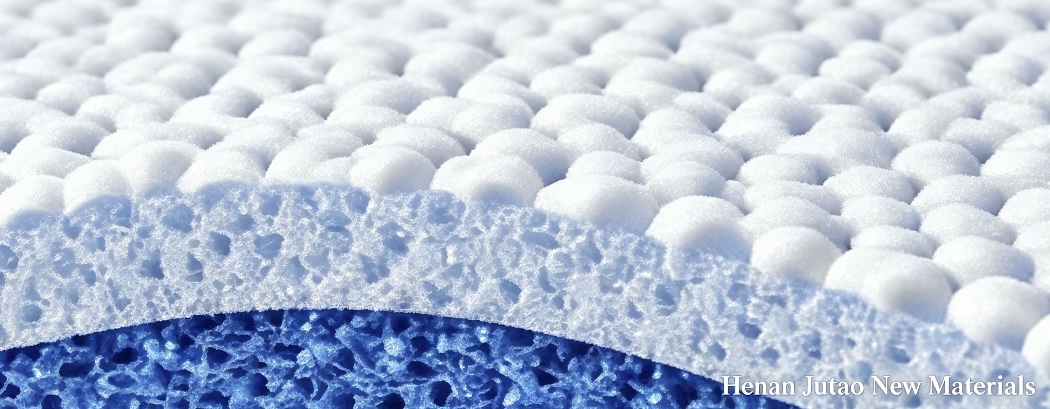
The core insulation material within Vacuum Silica Insulation Felt contains pores ranging from 10–40 nanometers, which are smaller than the mean free path of air molecules (approximately 68 nanometers). As a result, air molecules are unable to move freely within the pores, greatly reducing molecular collisions and suppressing convective heat transfer.
Additionally, the material possesses an ultra-high porosity of over 97%, creating a stable vacuum-like internal structure with a density below 0.03 g/cm³. This dramatically reduces gas-phase heat conduction.
In contrast, conventional insulation materials such as mineral wool, foam insulation, and traditional fibrous aerogel blankets typically contain micron-sized pores that allow air movement and convection, resulting in higher thermal conductivity.
- Innovative Powder-Stacking Technology Optimizes Heat Transfer Paths
Beyond material composition and pore structure, the manufacturing process plays a critical role in achieving ultra-low thermal conductivity.
Traditional aerogel blankets generally employ a fiber-matrix structure in which insulating particles are attached to inorganic fibers. This often results in uneven distribution, structural gaps, and continuous thermal bridges that facilitate heat transfer.
Vacuum Silica Insulation Felt adopts an advanced nano-powder crosslinking and stacking process, allowing high-purity nanoporous silica particles to be uniformly interconnected through a flexible polymer framework.
This process creates a highly homogeneous sheet structure with:
* Uniform pore distribution
* Minimal thermal bridges
* Reduced solid-phase heat conduction
* Improved mechanical stability
* Long-term insulation performance
The result is a material that maintains excellent thermal insulation while minimizing performance degradation over time.
- Key Advantages Over Conventional Insulation Materials
Compared with traditional insulation products, Vacuum Silica Insulation Felt offers several significant advantages:
Ultra-Low Thermal Conductivity
0.012–0.016 W/(m·K), substantially lower than many conventional insulation materials.
High Nanoporous Silica Content
Approximately 90% effective insulation material for maximum thermal performance.
Nano-Scale Pore Structure
10–40 nm pores effectively suppress gas convection.
Ultra-High Porosity
More than 97% porosity creates a vacuum-like insulation environment.
Lightweight and Flexible
Easy to process and install in complex applications.
Stable Long-Term Performance
Excellent resistance to aging, particle shedding, and performance degradation.
Applications
Thanks to its exceptional insulation properties and lightweight structure, Vacuum Silica Insulation Felt is widely used in:
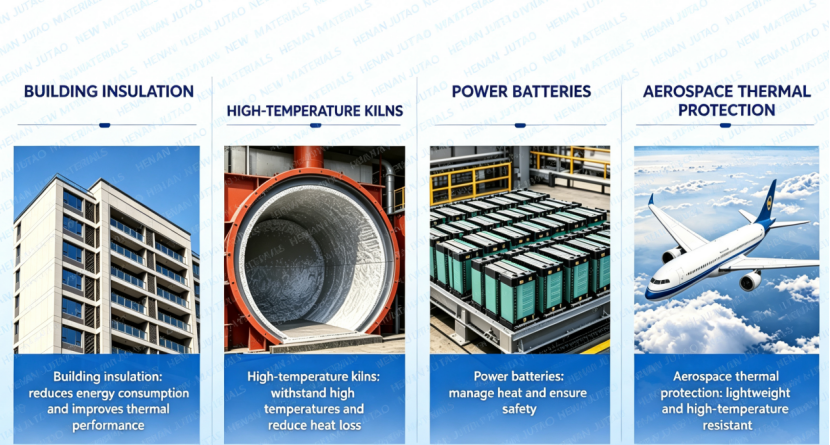
* New Energy Battery Systems
* Industrial High-Temperature Equipment
* Building Energy-Efficient Insulation
* Electronics and Semiconductor Thermal Management
* Aerospace Applications
* Automotive Thermal Protection
* Cold Chain and Refrigeration Systems
Conclusion
The ultra-low thermal conductivity of Vacuum Silica Insulation Felt is the result of a carefully engineered combination of high nanoporous silica content, nano-scale pore architecture, ultra-high porosity, and advanced powder-stacking manufacturing technology.
By effectively minimizing solid conduction, suppressing gas convection, and reducing thermal radiation pathways, Vacuum Silica Insulation Felt delivers superior thermal insulation performance while maintaining flexibility, durability, and lightweight characteristics. These advantages make it an ideal solution for next-generation thermal management and energy-saving
Jutao Environmental Technology — Specialists in Aerogel Material Solutions
Stay connected with us for the latest updates, industry insights and application solutions in the aerogel sector.