



Industry News










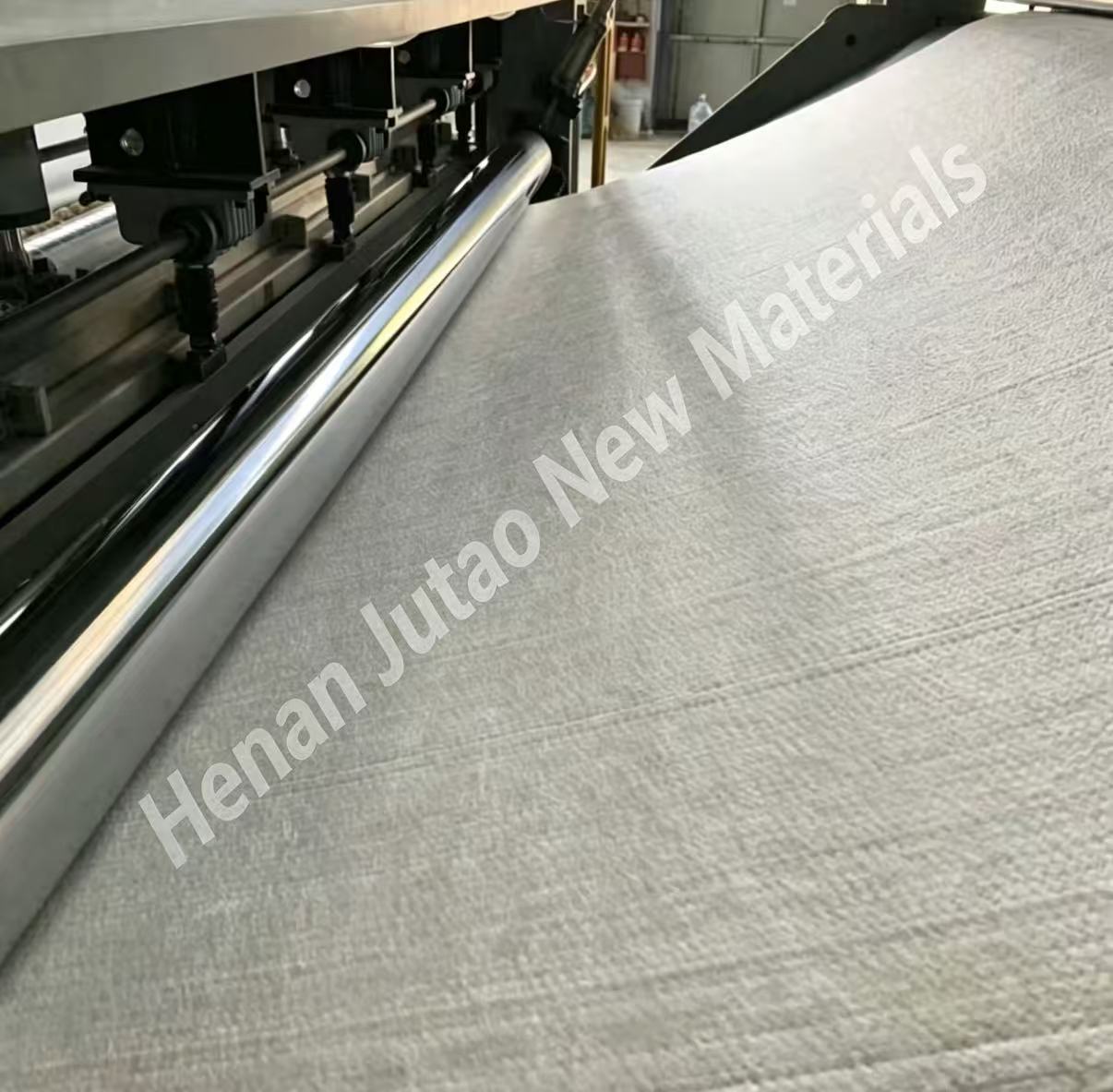
Flexible Aerogel Factories Aerogel Insulation Blankets: Achieve Superior Thermal Performance Without Thick Insulation Boards
Thin Insulation for Modern Energy-Efficient Buildings
As energy efficiency standards continue to rise worldwide, architects and developers are seeking insulation materials that deliver excellent thermal performance without sacrificing valuable interior space. Traditional insulation boards often require significant thickness to meet building codes, reducing usable floor area and increasing installation complexity.
Aerogel insulation blankets provide an innovative alternative. Combining ultra-low thermal conductivity with a lightweight and flexible structure, they help improve building energy efficiency while minimizing insulation thickness, making them an ideal solution for modern construction and renovation projects.
Challenges of Traditional Thick Insulation Boards
Conventional insulation materials such as rock wool boards and extruded polystyrene (XPS) boards generally require considerable thickness to achieve the desired thermal performance. This creates several challenges:
* Reduced usable indoor space due to thick wall insulation.
* Increased risk of thermal bridges at joints and connections.
* Moisture absorption that may reduce long-term insulation efficiency.
* Heavy weight leading to higher transportation and installation costs.
* Difficult installation on curved or irregular building structures.
* Higher maintenance costs when insulation systems require replacement over time.
These limitations have encouraged the construction industry to adopt thinner and more efficient insulation technologies.
Why Choose Aerogel Insulation Blankets?
Aerogel insulation blankets utilize a nanoporous silica structure containing billions of microscopic pores that effectively suppress heat transfer through conduction and convection. This enables outstanding insulation performance with significantly reduced thickness.
- Maximize Interior Space
Compared with conventional insulation systems, aerogel blankets provide excellent thermal insulation using much thinner layers.
Key benefits include:
* More usable interior floor area
* Greater design flexibility
* Better preservation of ceiling height
* Ideal for renovation projects where space is limited
For high-value residential and commercial buildings, thinner insulation can contribute to more efficient use of building space.
- Outstanding Thermal Performance
Aerogel insulation blankets provide stable thermal performance throughout their service life.
Advantages include:
* Extremely low thermal conductivity
* Reduced thermal bridge effects
* Improved indoor temperature stability
* Lower heating and cooling energy consumption
* Better compliance with green building standards
Their consistent insulation performance helps improve overall building energy efficiency.
- Fire Safety and Moisture Resistance
Silica aerogel is an inorganic material with excellent fire resistance.
Additional benefits include:
* High fire performance suitable for demanding building applications
* Hydrophobic properties that resist moisture penetration
* Reduced risk of condensation and mold formation
* Excellent resistance to aging and environmental exposure
* Long service life with minimal performance degradation
These characteristics make aerogel insulation suitable for both new construction and building renovation.
- Easy Installation and Flexible Applications
Unlike rigid insulation boards, aerogel blankets are lightweight and flexible.
They can easily conform to complex building geometries including:
* Exterior walls
* Interior walls
* Roof insulation
* Balconies
* Curved structures
* Steel structures
* Pipes and HVAC systems
* Industrial equipment
The flexible design reduces cutting waste while simplifying installation, helping contractors improve project efficiency.
Applications
Aerogel insulation blankets are widely used in:
* Residential buildings
* Commercial buildings
* Industrial facilities
* Energy-efficient renovations
* Passive house construction
* Prefabricated buildings
* HVAC insulation
* Cold storage facilities
Their combination of high thermal performance and thin profile makes them suitable wherever space-saving insulation is required.
Conclusion
As the construction industry increasingly focuses on sustainability, energy efficiency, and space optimization, insulation materials must deliver more than just low thermal conductivity.
Aerogel insulation blankets provide a practical solution by combining exceptional thermal performance, reduced thickness, fire resistance, moisture protection, and long-term durability. For architects, contractors, and building owners, they represent an effective way to improve building efficiency while preserving valuable interior space.
Whether for new construction or renovation, aerogel insulation blankets are becoming a preferred insulation solution for next-generation energy-efficient buildings.
Jutao Environmental Technology — Specialists in Aerogel Material Solutions
Stay connected with us for the latest updates, industry insights and application solutions in the aerogel sector.
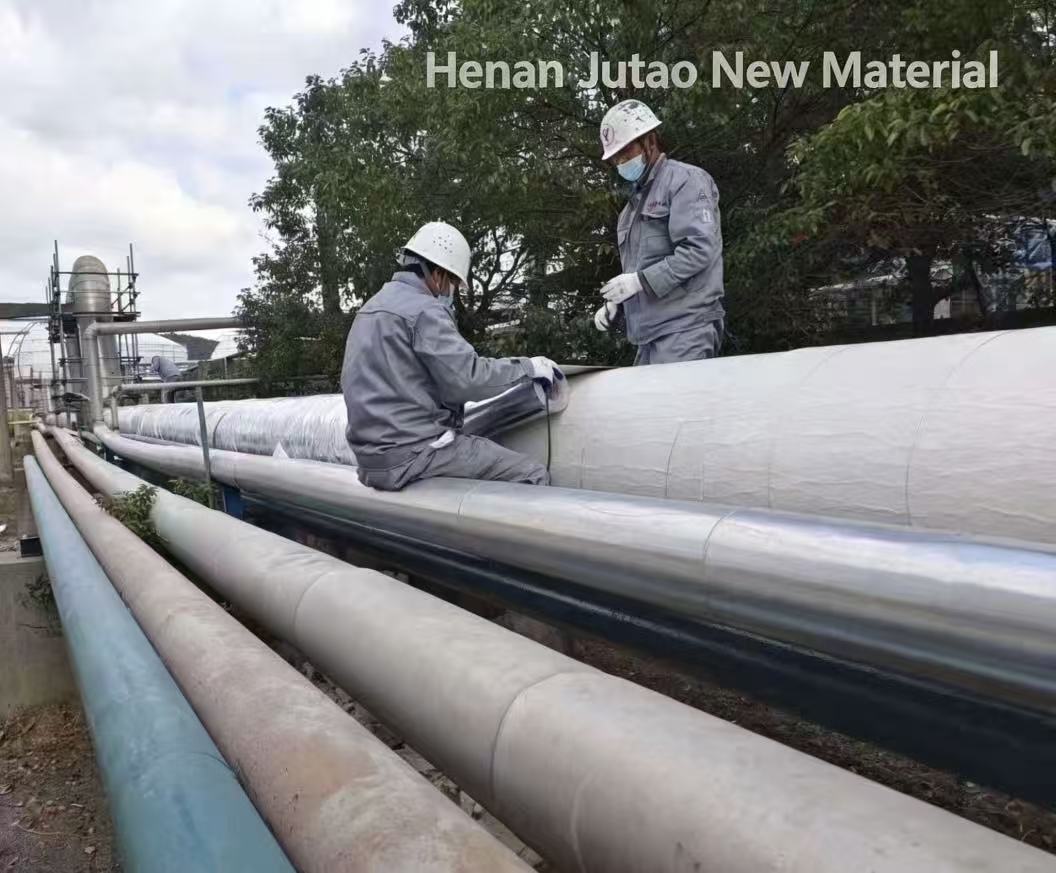
Custom China Aerogel Board Aerogel Coating: A New Generation Surface Protection Solution
As industries continue to pursue higher energy efficiency, improved fire safety, and lightweight design, traditional insulation and protective coatings are increasingly facing limitations. Conventional coatings often require significant thickness to achieve thermal protection, while balancing insulation, fire resistance, and durability remains a challenge.
Aerogel coating technology offers a new approach. By incorporating aerogel nanoparticles into advanced coating systems, it becomes possible to deliver superior thermal insulation, fire protection, moisture resistance, and acoustic performance in an ultra-thin layer.
What Is Aerogel Coating?
Aerogel is widely recognized as one of the lightest solid materials ever developed. Its unique nanoporous structure significantly reduces heat transfer, making it one of the most effective thermal insulation materials available today.
Through specialized dispersion and composite technologies, aerogel materials can be integrated into coatings suitable for brushing, spraying, or dipping applications. This allows manufacturers and engineers to enhance surface performance without adding substantial weight or thickness.
Key Benefits of Aerogel Coatings
Ultra-Thin Thermal Insulation
Aerogel coatings provide exceptional thermal insulation while maintaining a very thin profile.
* Coating thickness can be less than 1 mm
* Thermal insulation performance significantly exceeds many conventional coating systems
* Supports lightweight product and structural designs
* Helps improve energy efficiency without increasing component dimensions
Enhanced Fire Protection
Safety is a critical requirement across construction, transportation, and industrial sectors.
* High-temperature resistance exceeding 1200°C under specific conditions
* Non-combustible characteristics
* Reduced smoke generation during fire exposure
* Additional protection for critical equipment and structures
Multi-Functional Surface Performance
Unlike conventional coatings that focus on a single property, aerogel coatings offer multiple benefits simultaneously.
* Water-repellent and moisture-resistant performance
* Sound absorption capabilities for noise reduction
* Chemical resistance and corrosion protection
* Long-term environmental stability
Environmentally Friendly Solution
Modern aerogel coatings are designed with sustainability in mind.
* Low VOC formulations available
* Compatible with existing coating processes
* Long service life and reduced maintenance requirements
* Supports energy-saving and carbon reduction goals
Applications of Aerogel Coatings
Building and Construction
Aerogel coatings can improve thermal performance while preserving valuable space.
Applications include:
* Exterior wall insulation
* Interior thermal management
* Steel structure fire protection
* Energy-efficient building retrofits
Industrial Equipment and Energy Systems
Industrial facilities often experience significant heat loss through pipes, tanks, and processing equipment.
Typical applications include:
* Industrial pipelines
* Storage tanks
* Boilers and heat exchangers
* Power generation equipment
* Oil and gas infrastructure
Electric Vehicles and New Energy Systems
The demand for lightweight thermal management solutions continues to grow in the new energy sector.
Aerogel coatings can be used for:
* Battery pack thermal management
* Electrical insulation protection
* Fire safety enhancement
* Condensation prevention
Advanced and Specialized Applications
The versatility of aerogel coatings also supports high-performance industries.
Examples include:
* Electronics and semiconductor equipment
* Aerospace components
* Marine and transportation systems
* Cultural heritage preservation projects
* Specialized vehicles operating in extreme environments
Customized Aerogel Coating Solutions
The performance requirements of every project are different. Factors such as operating temperature, substrate material, environmental exposure, and installation conditions all influence coating selection.
Our team provides customized aerogel coating solutions designed to meet specific application requirements. From material formulation and application recommendations to performance testing and technical support, we work closely with customers to ensure optimal results.
Why Choose Our Aerogel Coatings?
* Advanced aerogel dispersion technology
* Customizable performance characteristics
* Comprehensive technical support
* Consistent product quality and scalable production capacity
* Solutions designed for long-term thermal efficiency and durability
Conclusion
Aerogel coatings represent a significant advancement in surface protection technology. By combining thermal insulation, fire resistance, moisture protection, and durability within an ultra-thin coating system, they provide a practical solution for modern construction, industrial, energy, and transportation applications.
As industries continue to prioritize energy efficiency, safety, and sustainability, aerogel coatings are becoming an increasingly important part of next-generation material solutions.
For more information, free samples, or customized project support, please contact our technical team today.
Jutao Environmental Technology — Specialists in Aerogel Material Solutions
Stay connected with us for the latest updates, industry insights and application solutions in the aerogel sector.
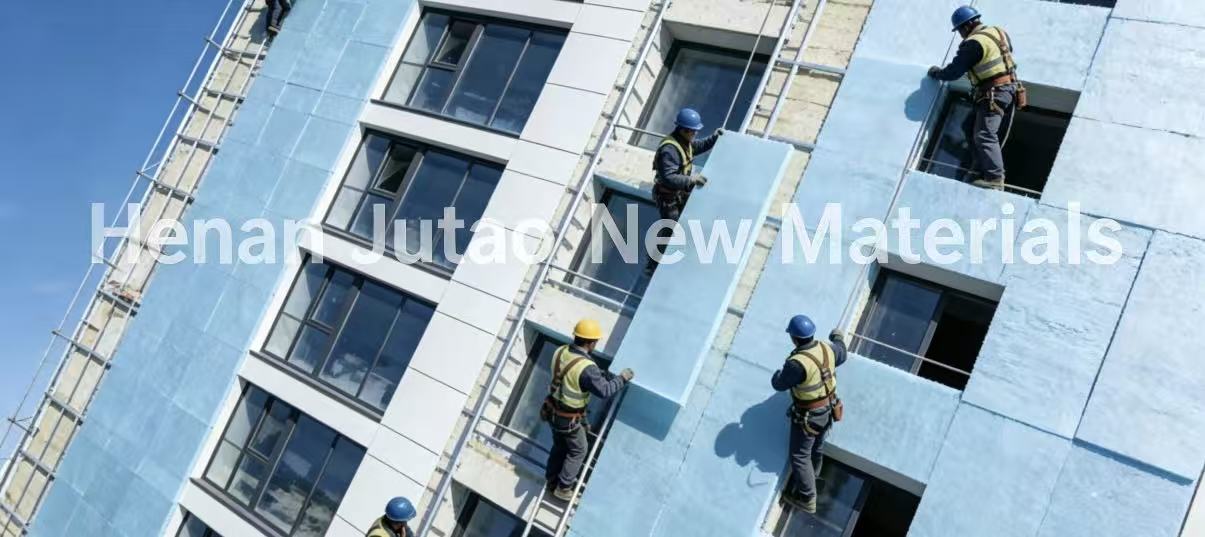
Flexible Aerogel Factories Ultra-Thin Silica Aerogel Insulation Panels: A Smarter Solution for High-Performance Thermal Insulation
As global energy-efficiency standards continue to rise, traditional insulation materials are facing increasing challenges. Modern construction and industrial projects require higher thermal performance while minimizing insulation thickness, improving fire safety, and extending service life.
To meet these demands, Jutao Environmental Technology offers high-performance Silica Aerogel Insulation Panels, providing an advanced thermal insulation solution for both building and industrial applications.
Outstanding Thermal Performance with Ultra-Low Thermal Conductivity
Silica aerogel features a unique nanoporous structure that significantly reduces heat transfer by minimizing thermal conduction, suppressing air convection, and limiting thermal radiation.
Compared with conventional insulation materials such as mineral wool and fiberglass, silica aerogel insulation panels achieve the same thermal performance with much thinner insulation layers. This helps maximize usable space while improving overall energy efficiency, making them ideal for energy-efficient buildings, renovation projects, and space-constrained applications.
Ultra-Thin Design for Better Space Utilization
Traditional insulation systems often require thick insulation layers to meet thermal requirements. Silica aerogel insulation panels deliver excellent insulation performance with substantially reduced thickness.
The thinner insulation system reduces structural load, increases usable interior space, lowers transportation and installation costs, and offers greater flexibility for modern building design.
Class A Non-Combustible Fire Performance
Fire safety is an essential requirement for insulation materials.
Silica aerogel composite insulation panels provide excellent high-temperature resistance and can achieve Class A non-combustible performance. They do not ignite, melt, or produce flaming droplets under fire exposure, helping improve the fire safety of buildings and industrial facilities.
Long-Term Durability in Harsh Environments
Conventional insulation materials may absorb moisture over time, resulting in reduced thermal performance and shorter service life.
Silica aerogel insulation panels feature excellent hydrophobic properties that resist moisture penetration, allowing them to maintain stable thermal performance even in humid or demanding environments. Their long-term durability helps reduce maintenance costs throughout the building lifecycle.
Supporting Sustainable and Energy-Efficient Construction
As the demand for sustainable construction continues to grow, high-performance insulation materials play an increasingly important role in reducing building energy consumption.
Silica aerogel insulation panels help minimize heat loss during winter and reduce heat gain during summer, lowering HVAC energy consumption and improving overall building efficiency while supporting green building initiatives and low-carbon development.
Wide Range of Applications
Silica aerogel insulation panels are suitable for numerous applications, including:
* Exterior wall insulation systems
* Roof insulation
* Industrial equipment insulation
* Petrochemical pipelines
* Power generation facilities
* High-temperature industrial furnaces
* Cold storage and cold chain logistics
* New energy and specialized industrial equipment
With ultra-low thermal conductivity, lightweight construction, outstanding fire resistance, and long-term durability, silica aerogel insulation panels have become an ideal choice for modern thermal insulation systems in both construction and industrial markets.
Jutao Environmental Technology — Specialists in Aerogel Material Solutions
Stay connected with us for the latest updates, industry insights and application solutions in the aerogel sector.
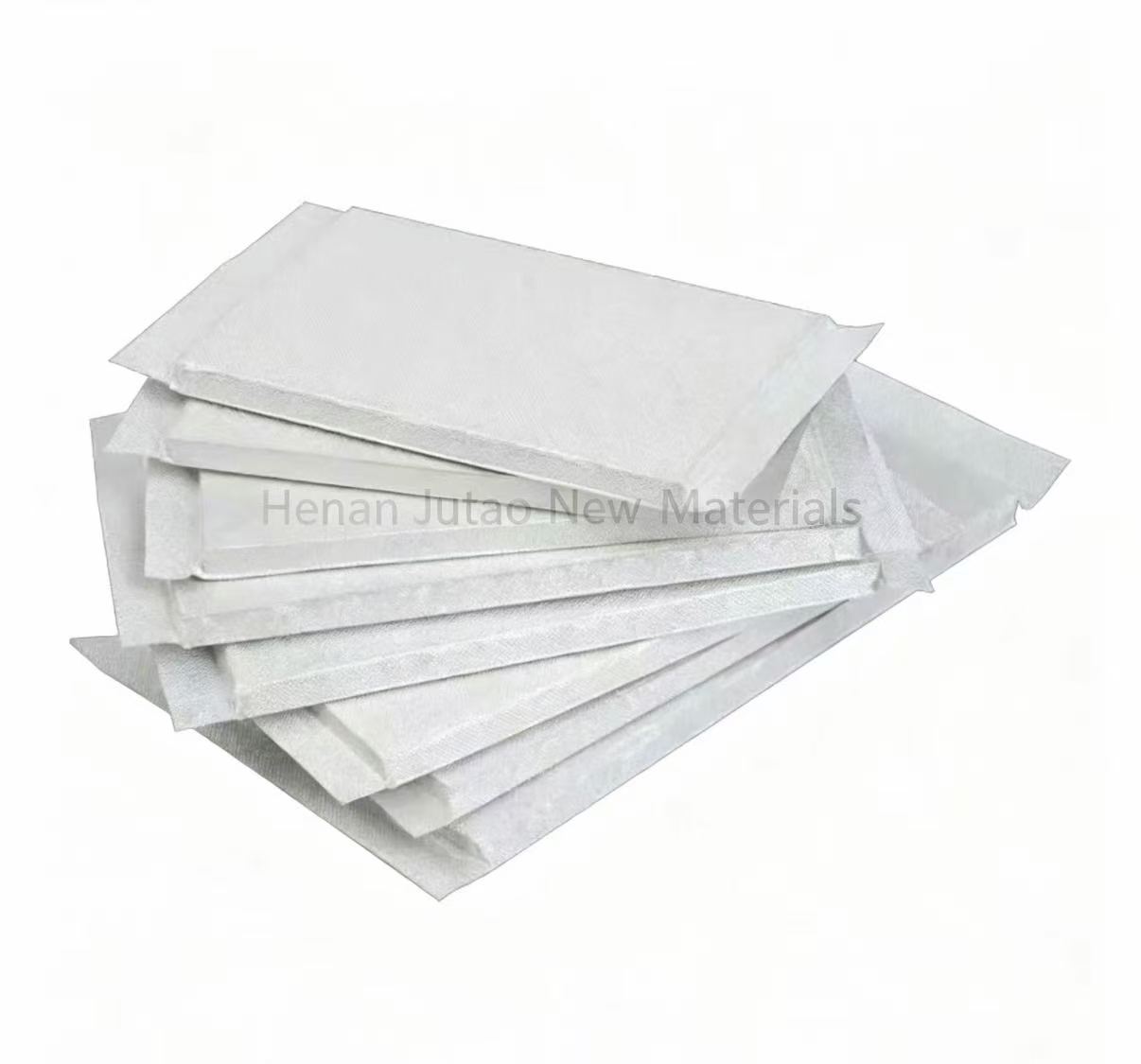
Custom China Aerogel Board STP Outer Packaging Bags for Vacuum Insulation Panels
Reliable Protection Throughout the Supply Chain
Vacuum insulation panels (VIPs) require reliable protection throughout manufacturing, transportation, storage, and installation. While the insulation panels themselves offer outstanding thermal performance, improper packaging can expose them to punctures, moisture, and physical damage that may compromise product quality.
STP outer packaging bags are specially designed for vacuum insulation panels, providing an additional protective layer against mechanical impact and environmental conditions. They help preserve panel integrity while reducing transportation losses and improving handling efficiency.
Built for Transportation and Storage
During transportation, vacuum insulation panels are repeatedly handled by forklifts, stacked on pallets, stored in warehouses, and shipped over long distances. Conventional woven bags or standard PE wrapping films offer limited protection and can be easily damaged by sharp panel edges.
STP outer bags feature a multi-layer composite construction combining high-strength polypropylene nonwoven fabric with moisture-resistant polyethylene film. This structure provides:
* High tear resistance
* Enhanced puncture resistance
* Excellent moisture protection
* Secure heat-sealed edges
* Improved durability during handling and transportation
Reinforced corners further reduce the possibility of puncture when insulation panels are stacked or transported.
Protection from Moisture, Dust and UV Exposure
Construction materials are often temporarily stored outdoors before installation. Moisture, dust, sunlight, and temperature changes can gradually degrade ordinary packaging materials.
STP outer packaging bags incorporate moisture-barrier layers that help minimize water vapor penetration during storage. UV stabilizers added to the outer layer improve resistance to sunlight, helping maintain packaging performance during temporary outdoor exposure.
These features keep insulation panels clean, dry, and protected until installation.
Improving Logistics Efficiency and Reducing Costs
Quality packaging plays an important role in reducing transportation damage, lowering replacement costs, and improving construction site management.
By minimizing panel damage during handling and storage, STP outer bags help reduce material waste and improve project efficiency. Manufactured from recyclable polyolefin materials without halogen-containing components, the bags also support environmentally responsible disposal and recycling.
A Reliable Packaging Solution for Vacuum Insulation Panels
STP outer packaging bags are designed to provide dependable protection for vacuum insulation panels used in building insulation systems, prefabricated construction, and energy-efficient building projects. Combining mechanical strength, moisture resistance, and handling durability, they help ensure insulation products arrive at the job site in excellent condition, supporting both product quality and construction efficiency.
Jutao Environmental Technology — Specialists in Aerogel Material Solutions
Stay connected with us for the latest updates, industry insights and application solutions in the aerogel sector.
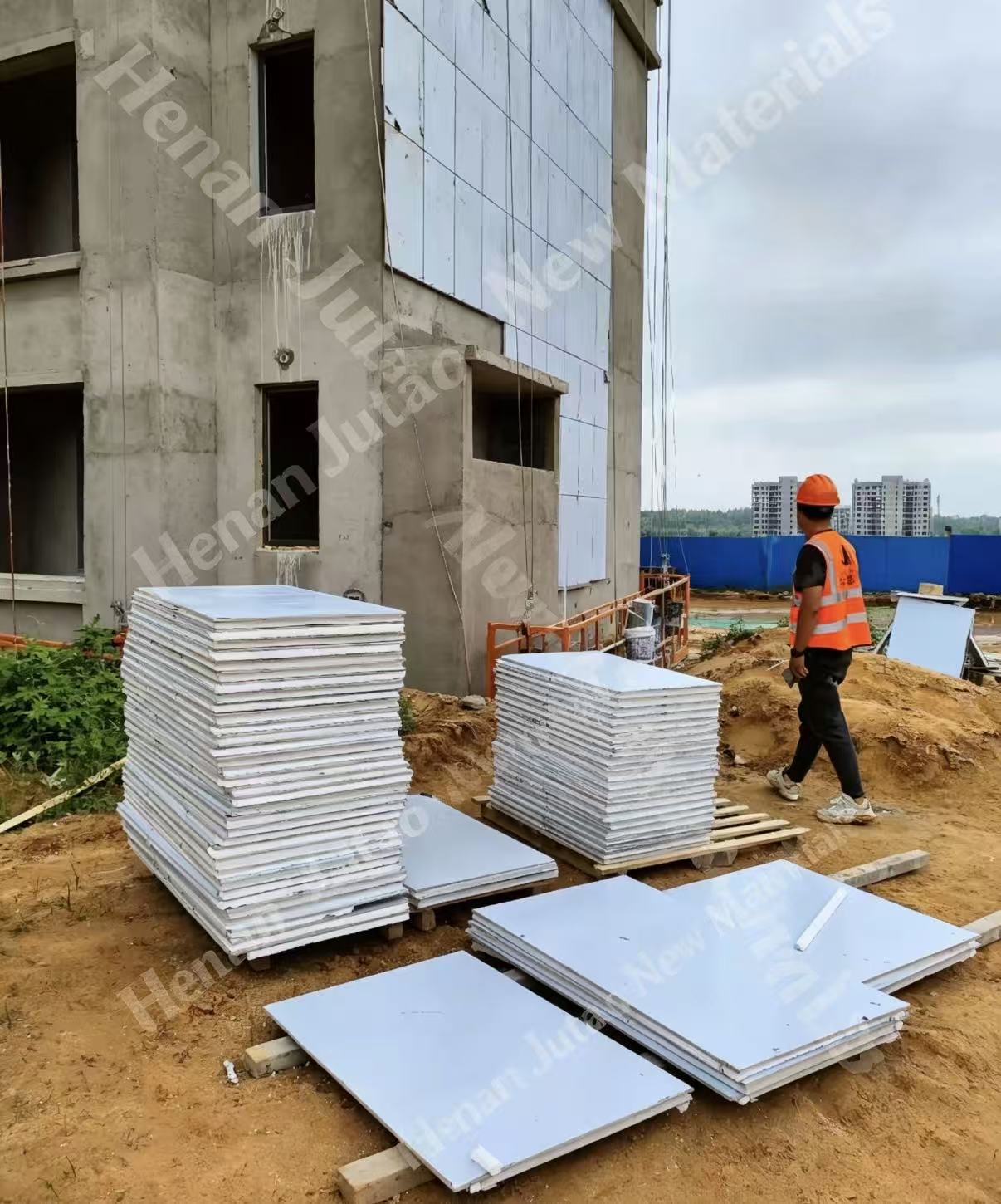
Custom China Aerogel Wall STP Vacuum Insulation Panels for Residential Exterior Wall Insulation
Reduce Thermal Bridges for Better Building Performance
Thermal bridges remain one of the biggest challenges in exterior wall insulation systems. Heat loss often occurs around panel joints, fasteners, window openings, and structural connections. These weak points reduce insulation efficiency and may lead to condensation, mold growth, and higher energy consumption.
STP Vacuum Insulation Panels (VIP) address this issue through advanced vacuum insulation technology. With a thermal conductivity of ≤0.008 W/(m·K), STP panels provide significantly higher thermal resistance than conventional insulation materials while requiring much less thickness.
Because STP panels are typically only 10–20 mm thick, they create a continuous insulation layer that minimizes thermal bridges without increasing wall thickness. This makes them an excellent solution for modern residential buildings where both energy efficiency and usable floor area are important.
Why STP Panels Are Ideal for Residential Communities
Large residential developments require insulation materials that deliver consistent quality, long-term durability, and reliable safety.
Excellent Fire Performance
STP Vacuum Insulation Panels use an inorganic core material sealed within a high-barrier composite envelope. The system can achieve Class A non-combustible performance, helping improve fire safety for residential buildings.
Long-Term Structural Stability
Unlike traditional insulation materials that may absorb moisture, deform, or deteriorate over time, STP panels are vacuum-sealed to maintain dimensional stability. When installed with appropriate adhesive mortar and mechanical anchors, they provide reliable long-term performance.
Faster Construction
Factory-manufactured STP panels simplify on-site installation. Contractors only need to position, bond, and finish the panels, reducing construction time while improving installation consistency.
High Energy Efficiency with Thin Thickness
Many building energy standards require increasingly lower wall U-values. Traditional insulation systems often need thick insulation layers to comply with these requirements. STP panels achieve comparable thermal performance with much thinner insulation, maximizing interior space while meeting demanding energy-efficiency targets.
Improved Living Comfort
The slim insulation system reduces complicated wall details around windows and doors, lowering the risk of water leakage. The dense panel structure also contributes to improved indoor acoustic performance compared with many conventional insulation materials.
Installation Recommendations
Proper installation is essential to maximize the performance of STP Vacuum Insulation Panels.
For cold climate regions, staggered panel layouts and careful treatment of panel joints help minimize thermal bridging. In hot and humid climates, breathable finishing systems can assist in moisture management.
For renovation projects, the ultra-thin design of STP panels offers significant advantages. Existing exterior walls can often be upgraded without dramatically increasing wall thickness, minimizing disruption to occupants while improving building energy performance.
Special attention should be given to corners, window openings, pipe penetrations, and expansion joints. Since cutting on site may damage the vacuum envelope, customized panel sizes should be prepared during project planning whenever possible.
Conclusion
STP Vacuum Insulation Panels provide an advanced insulation solution for residential exterior wall systems. Their ultra-low thermal conductivity, thin profile, excellent fire resistance, and long-term durability make them suitable for both new construction and building renovation projects.
As global demand for high-performance, energy-efficient buildings continues to grow, STP Vacuum Insulation Panels offer developers, architects, and contractors a practical solution for reducing energy consumption while maintaining modern building aesthetics and valuable interior space.
Jutao Environmental Technology — Specialists in Aerogel Material Solutions
Stay connected with us for the latest updates, industry insights and application solutions in the aerogel sector.
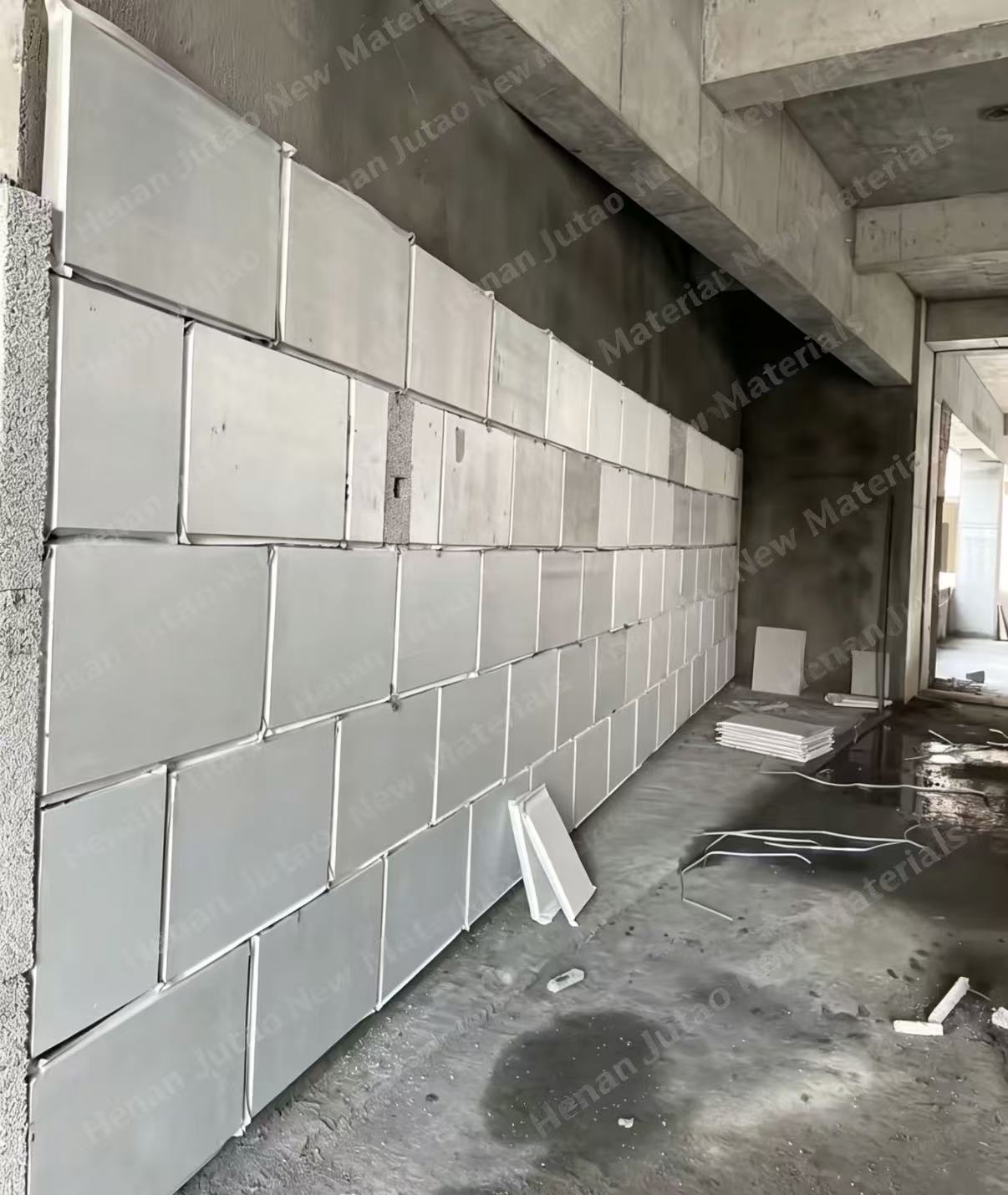
Aerogel Panels Factories STP Vacuum Insulation Panels for Interior Wall Thermal Insulation and Moisture Protection
As building energy-efficiency standards continue to improve, interior wall insulation systems are expected to provide not only excellent thermal performance but also reliable moisture resistance, condensation control, and long-term durability. Compared with conventional insulation materials, STP Vacuum Insulation Panels (VIPs) offer an advanced solution with ultra-low thermal conductivity and a slim profile, making them suitable for residential, commercial, healthcare, hospitality, and educational buildings.
Excellent Thermal Insulation Performance
STP Vacuum Insulation Panels are manufactured using a high-performance core material sealed within a high-barrier multilayer envelope under vacuum conditions. This structure significantly reduces heat transfer, achieving a thermal conductivity of as low as 0.008 W/(m·K) or below.
The outstanding insulation performance allows designers to achieve high energy efficiency while minimizing insulation thickness, making STP panels particularly suitable for renovation projects and buildings where interior space is limited.
Improved Moisture Resistance
Moisture accumulation inside wall systems can reduce insulation efficiency and affect long-term building performance. The high-barrier encapsulation used in STP Vacuum Insulation Panels helps minimize water vapor penetration into the insulation layer, contributing to improved condensation resistance when incorporated into a properly designed wall assembly.
When combined with appropriate vapor control layers and professional installation, STP panels help create a more stable and energy-efficient interior wall system.
Reduced Thermal Bridge Effects
Thermal bridges are one of the major causes of energy loss in building envelopes. Thanks to their ultra-low thermal conductivity, STP Vacuum Insulation Panels help reduce localized heat transfer around window openings, corners, structural joints, and other critical building details.
Proper joint sealing and installation techniques further improve the overall thermal performance of the insulation system while supporting long-term energy efficiency.
Applications
STP Vacuum Insulation Panels are suitable for a wide range of building applications, including:
* Interior wall insulation systems
* Building energy retrofit projects
* High-rise residential buildings
* Hotels and commercial buildings
* Hospitals and healthcare facilities
* Schools and educational buildings
* Space-saving insulation solutions
With their ultra-thin profile, superior thermal insulation performance, lightweight construction, and long-term stability, STP Vacuum Insulation Panels provide an efficient solution for modern building insulation and energy-saving applications.
Jutao Environmental Technology — Specialists in Aerogel Material Solutions
Stay connected with us for the latest updates, industry insights and application solutions in the aerogel sector.
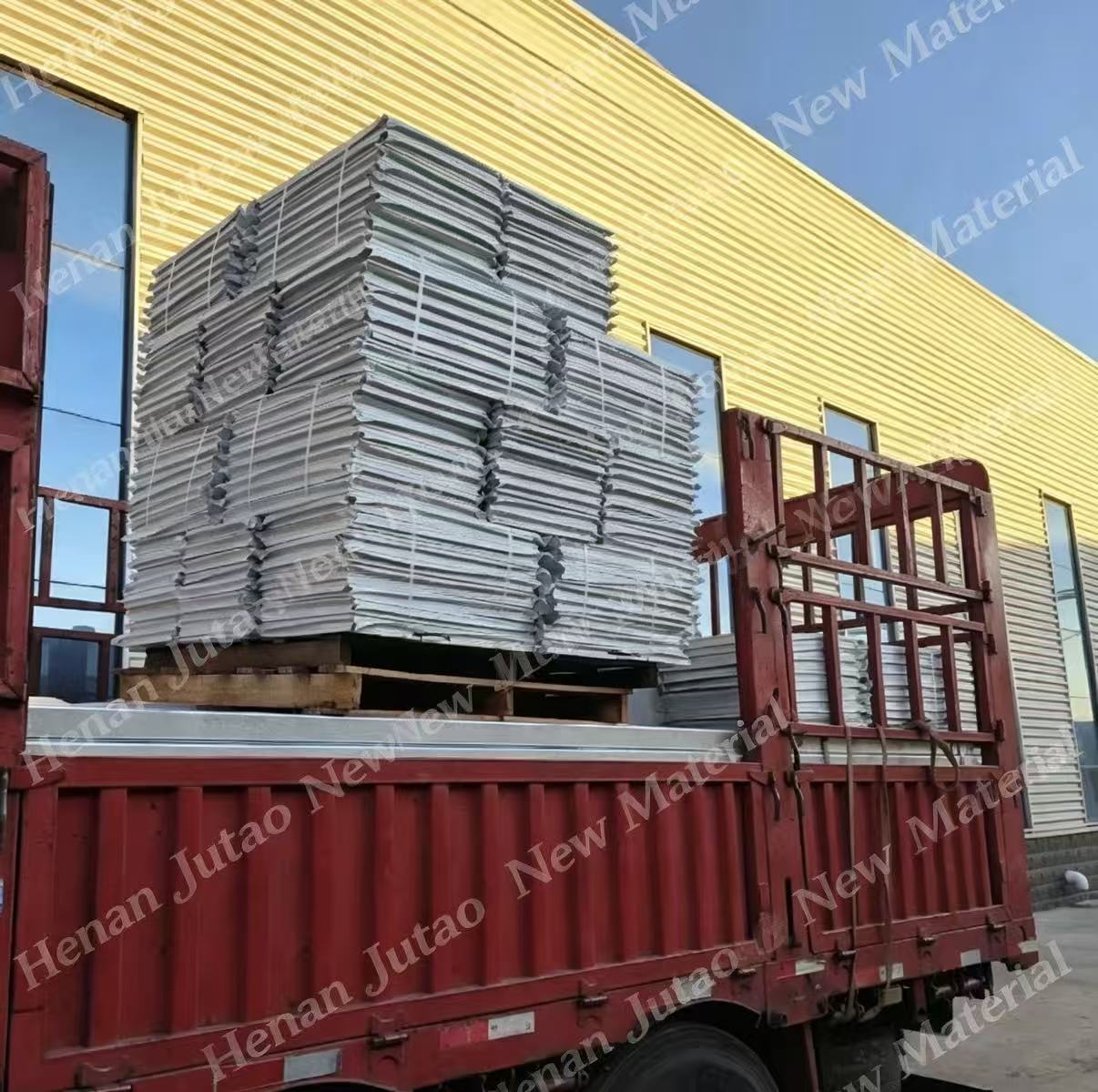
Aerogel Wall Supplier VIP Insulation STP Exterior Vacuum Insulation Panels for High-Performance Building Facades
STP Exterior Vacuum Insulation Panels for Modern Building Projects
As global building energy-efficiency standards continue to rise, developers and contractors are seeking insulation materials that combine outstanding thermal performance with minimal thickness. STP Exterior Vacuum Insulation Panels (VIPs) provide an advanced solution by delivering exceptional insulation efficiency while reducing wall thickness, making them suitable for residential, commercial, and renovation projects.
Superior Thermal Performance
The core advantage of STP Vacuum Insulation Panels lies in their vacuum insulation technology. A microporous core material is sealed inside a high-barrier envelope under vacuum conditions, dramatically reducing heat transfer caused by air convection and gas conduction.
With a thermal conductivity as low as 0.008 W/(m·K) or lower, STP panels offer significantly better insulation performance than conventional materials such as EPS, XPS, mineral wool, or polyurethane foam. This allows architects to achieve demanding energy-saving requirements with much thinner insulation systems while maximizing usable building space.
Ideal for Exterior Wall Insulation
STP Exterior Vacuum Insulation Panels are widely used in:
* High-rise residential buildings
* Commercial buildings
* Public buildings
* Passive house projects
* Building energy retrofit and renovation
* Space-limited insulation applications
Their slim profile makes them particularly suitable for projects where wall thickness is restricted without compromising thermal efficiency.
Reliable Installation Performance
Proper installation plays an important role in maintaining the long-term insulation performance of vacuum insulation panels.
Professional installation practices include careful handling to prevent damage to the vacuum envelope, full-surface adhesive bonding, proper joint sealing, and reinforced finishing layers. Correct installation minimizes thermal bridges, improves moisture resistance, and ensures stable long-term performance under different climate conditions.
With qualified construction methods, STP panels maintain excellent dimensional stability and durable insulation performance throughout the building lifecycle.
Moisture Resistance and Fire Safety
The sealed vacuum structure effectively reduces moisture penetration while maintaining outstanding thermal insulation performance. When integrated into a complete exterior insulation system, STP panels help reduce condensation risks and improve the overall durability of building envelopes.
In addition, STP Exterior Vacuum Insulation Panels can be incorporated into building systems designed to meet high fire safety requirements, making them suitable for modern energy-efficient construction projects.
Long-Term Value for Building Projects
Compared with conventional insulation materials, STP Exterior Vacuum Insulation Panels provide multiple engineering benefits:
* Ultra-low thermal conductivity
* Thin insulation design that saves interior space
* Improved building energy efficiency
* Reduced thermal bridges
* Excellent long-term thermal stability
* Suitable for new construction and renovation projects
* Compatible with modern green building standards
As building regulations continue to emphasize sustainability and energy conservation, STP Vacuum Insulation Panels have become an increasingly attractive solution for architects, developers, contractors, and building owners seeking high-performance exterior wall insulation.
English Version
STP Exterior Vacuum Insulation Panels for High-Performance Building Facades
Advanced Exterior Wall Insulation for Energy-Efficient Buildings
As global energy-efficiency requirements continue to increase, architects, developers, and contractors are looking for insulation materials that deliver maximum thermal performance with minimum thickness. STP Exterior Vacuum Insulation Panels (VIPs) provide an innovative solution by combining ultra-low thermal conductivity with a slim profile, making them ideal for both new construction and building renovation projects.
Outstanding Thermal Insulation Performance
The exceptional performance of STP Vacuum Insulation Panels comes from their advanced vacuum insulation technology. A microporous core is encapsulated within a high-barrier multilayer envelope under vacuum conditions, significantly reducing heat transfer caused by air convection and gas conduction.
With thermal conductivity as low as 0.008 W/(m·K) or below, STP panels outperform many conventional insulation materials, including EPS, XPS, mineral wool, and polyurethane foam. This enables buildings to achieve high energy-efficiency standards while reducing insulation thickness and maximizing usable interior space.
Suitable for a Wide Range of Building Applications
STP Exterior Vacuum Insulation Panels are suitable for various building projects, including:
* High-rise residential buildings
* Commercial buildings
* Office complexes
* Public facilities
* Passive house construction
* Building energy retrofits
* Space-constrained insulation applications
Their ultra-thin design makes them especially valuable where maintaining building dimensions is a priority.
Reliable Installation and Long-Term Performance
Proper installation is essential for preserving the vacuum structure and ensuring long-term insulation efficiency. During construction, the panels should be handled carefully to avoid damage to the vacuum envelope. Full adhesive bonding, properly sealed joints, and reinforced finishing layers help minimize thermal bridges and improve overall system durability.
When installed correctly, STP Vacuum Insulation Panels provide stable thermal performance, excellent dimensional stability, and long service life under a wide range of environmental conditions.
Moisture Protection and Fire Safety
The sealed vacuum structure helps limit moisture ingress while maintaining excellent thermal insulation performance. As part of a complete exterior insulation system, STP panels contribute to reducing condensation risks and improving the durability of the building envelope.
They can also be integrated into exterior wall systems designed to satisfy stringent fire safety requirements, making them suitable for modern energy-efficient building projects.
Benefits for Modern Construction
Compared with traditional insulation materials, STP Exterior Vacuum Insulation Panels offer numerous advantages:
* Ultra-low thermal conductivity
* Space-saving thin insulation system
* Enhanced building energy efficiency
* Reduced thermal bridge effects
* Excellent long-term thermal stability
* Suitable for both new buildings and renovation projects
* Compatible with green building and sustainable construction standards
As the construction industry continues to pursue higher energy efficiency and lower carbon emissions, STP Exterior Vacuum Insulation Panels are becoming an increasingly preferred solution for high-performance exterior wall insulation worldwide.
Jutao Environmental Technology — Specialists in Aerogel Material Solutions
Stay connected with us for the latest updates, industry insights and application solutions in the aerogel sector.
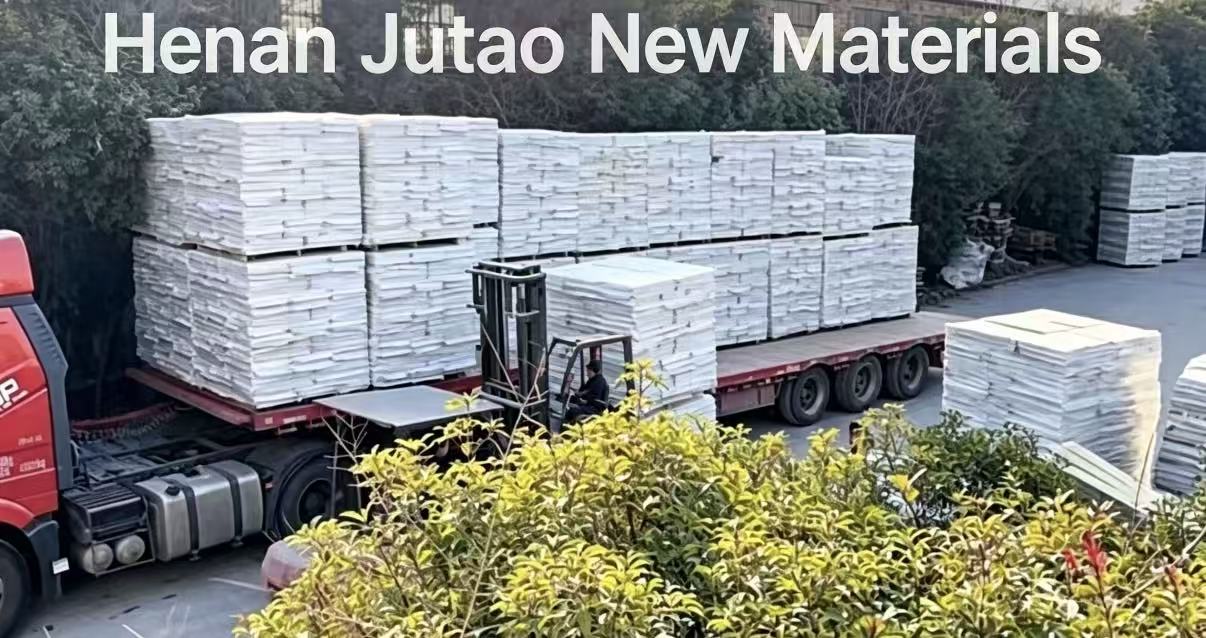
Flexible Aerogel Factories STP Vacuum Insulation Panels for Various Building Insulation Applications
As building energy standards continue to become more demanding, architects, contractors, and developers are looking for insulation materials that deliver higher thermal performance without increasing wall thickness. STP Vacuum Insulation Panels (VIPs) offer an effective solution by combining exceptional insulation efficiency with a slim profile, making them suitable for both new construction and renovation projects.
Ultra-Low Thermal Conductivity for Better Energy Performance
Unlike conventional insulation materials that rely mainly on material thickness, STP Vacuum Insulation Panels utilize vacuum technology to eliminate air convection while minimizing heat transfer through a microporous core material.
With a thermal conductivity typically below 0.008 W/(m·K), STP panels achieve outstanding insulation performance while requiring significantly less thickness than traditional insulation materials. This allows designers to improve building energy efficiency without sacrificing valuable interior space.
Ideal for New Building Construction
For new building projects, STP Vacuum Insulation Panels provide greater flexibility during the design phase.
Typical applications include:
* Exterior wall insulation systems
* Roof insulation
* Floor insulation
* Prefabricated wall panels
* Interior insulation systems
Because the panels are extremely thin and lightweight, they help reduce wall thickness, decrease structural loads, and maximize usable floor area. Their high thermal efficiency also contributes to reducing thermal bridges within the building envelope.
An Excellent Choice for Building Renovation
Energy renovation of existing buildings often faces limitations such as restricted installation space and the need to minimize construction disruption.
The slim profile of STP Vacuum Insulation Panels makes them particularly suitable for retrofit projects. Whether installed as interior insulation or integrated into exterior wall systems, they help improve thermal performance without significantly altering the building structure.
For areas around windows, balconies, beams, and other thermal bridge locations, STP panels can be combined with appropriate air-sealing materials to achieve more uniform insulation performance throughout the building envelope.
Installation Recommendations
To maintain long-term insulation performance, proper installation is essential.
Recommended practices include:
* Protect panels from puncture, impact, or excessive bending during transportation and storage.
* Install panels using compatible adhesive mortar and mechanical fixing systems where required.
* Arrange panels with staggered joints to reduce heat transfer.
* Seal panel joints carefully using approved edge-sealing materials.
* Do not cut or modify the vacuum core during installation.
* Keep panels dry before and during installation to protect the barrier film.
Proper handling helps preserve the vacuum condition and ensures optimal thermal performance throughout the product’s service life.
Long-Term Durability
High-quality STP Vacuum Insulation Panels incorporate multilayer high-barrier films together with internal getters and desiccants to maintain vacuum stability for many years under normal service conditions.
To protect the insulation system, the panels should always be covered by suitable finishing materials such as cement mortar, façade panels, or other protective layers that shield them from mechanical damage and UV exposure.
When used together with compatible construction materials and appropriate movement joints, STP panels provide reliable long-term insulation performance across various climate conditions.
Conclusion
STP Vacuum Insulation Panels provide an advanced insulation solution for modern buildings by combining ultra-thin construction with outstanding thermal performance. Suitable for both new construction and renovation projects, they help improve energy efficiency, reduce wall thickness, and maximize usable building space.
Selecting the right insulation material and following proper installation practices allows building owners and contractors to achieve durable thermal performance and long-term energy savings.
Jutao Environmental Technology — Specialists in Aerogel Material Solutions
Stay connected with us for the latest updates, industry insights and application solutions in the aerogel sector.
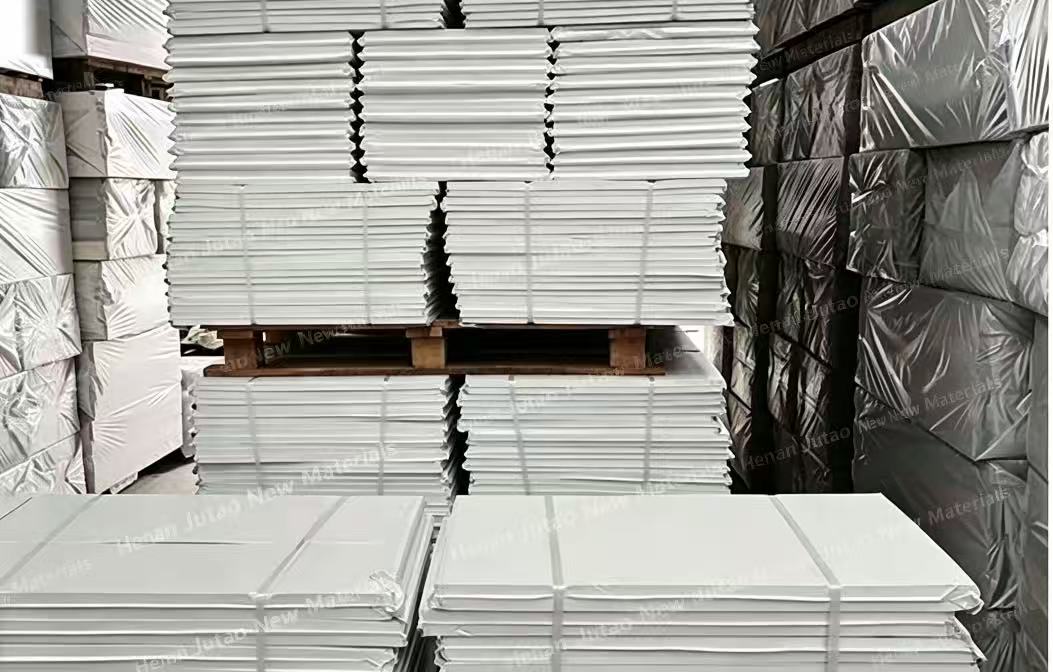
Flexible Aerogel Factories STP Vacuum Insulation Panels: An Ideal Solution for Exterior Wall Energy Retrofit Projects
Optimizing Existing Buildings with High-Performance Thermal Insulation
As energy efficiency standards continue to rise worldwide, upgrading the thermal performance of existing buildings has become a priority for many renovation projects. Aging exterior wall insulation systems often suffer from cracking, detachment, and declining thermal performance. Renovation projects require insulation materials that deliver outstanding thermal efficiency without significantly increasing wall thickness or structural load.
STP Vacuum Insulation Panels (VIPs) provide an effective solution by combining ultra-low thermal conductivity, lightweight construction, and long-term durability for modern building retrofit applications.
Ultra-Thin Insulation with Outstanding Thermal Performance
Compared with conventional insulation materials such as mineral wool or EPS boards, which typically have thermal conductivity values between 0.035–0.045 W/(m·K), STP Vacuum Insulation Panels achieve thermal conductivity as low as 0.006 W/(m·K) or even lower.
This exceptional insulation performance allows a panel thickness of only 10–20 mm to provide thermal resistance comparable to 80–100 mm of traditional insulation materials. The ultra-thin profile makes STP panels particularly suitable for renovation projects where installation space is limited or preserving the original building appearance is essential.
Lightweight Design Simplifies Installation
Building renovation projects often require minimizing additional structural loads. STP Vacuum Insulation Panels feature a lightweight construction that places very little extra weight on existing walls.
Factory-manufactured panels allow efficient installation through surface preparation, adhesive bonding, mechanical fixing, and finishing layers. Compared with conventional insulation systems, installation time can be significantly reduced while minimizing dust, noise, and disruption during construction.
Long-Term Durability and Fire Safety
High-quality STP Vacuum Insulation Panels utilize multilayer high-barrier laminates together with advanced getter technology to maintain vacuum performance for extended service life.
Even if an individual panel is accidentally damaged, localized performance loss does not significantly affect the thermal performance of the surrounding insulation system when proper installation methods are followed.
The inorganic core material also provides excellent fire resistance. When integrated into certified exterior wall systems, STP panels can help projects meet stringent fire safety requirements while delivering superior thermal insulation.
Cost-Effective over the Building Life Cycle
Although the initial material cost of STP Vacuum Insulation Panels is generally higher than conventional insulation products, the overall project economics can be highly competitive.
Their ultra-thin design reduces auxiliary materials, shortens installation time, lowers labor costs, and preserves valuable interior space. Faster project completion can also reduce renovation downtime, making STP panels an attractive long-term investment for building owners and contractors.
Best Practices for Installation
Proper handling is essential to maintain the vacuum integrity of the panels.
Recommended installation practices include:
* Handle panels carefully to prevent edge damage.
* Use fine-tooth cutting tools when trimming panels.
* Seal all cut edges with appropriate sealing materials.
* Leave expansion joints around windows and corners where required.
* Verify bonding coverage and vacuum performance during quality inspection.
Professional installation helps maximize both thermal performance and service life.
Conclusion
STP Vacuum Insulation Panels offer an advanced insulation solution for exterior wall energy retrofit projects. Their combination of ultra-thin construction, excellent thermal efficiency, lightweight design, fire resistance, and long-term durability makes them an ideal choice for upgrading existing buildings to modern energy-efficiency standards.
As demand for sustainable and energy-efficient construction continues to grow, STP Vacuum Insulation Panels are becoming an increasingly valuable material for high-performance building renovation worldwide.
Jutao Environmental Technology — Specialists in Aerogel Material Solutions
Stay connected with us for the latest updates, industry insights and application solutions in the aerogel sector.
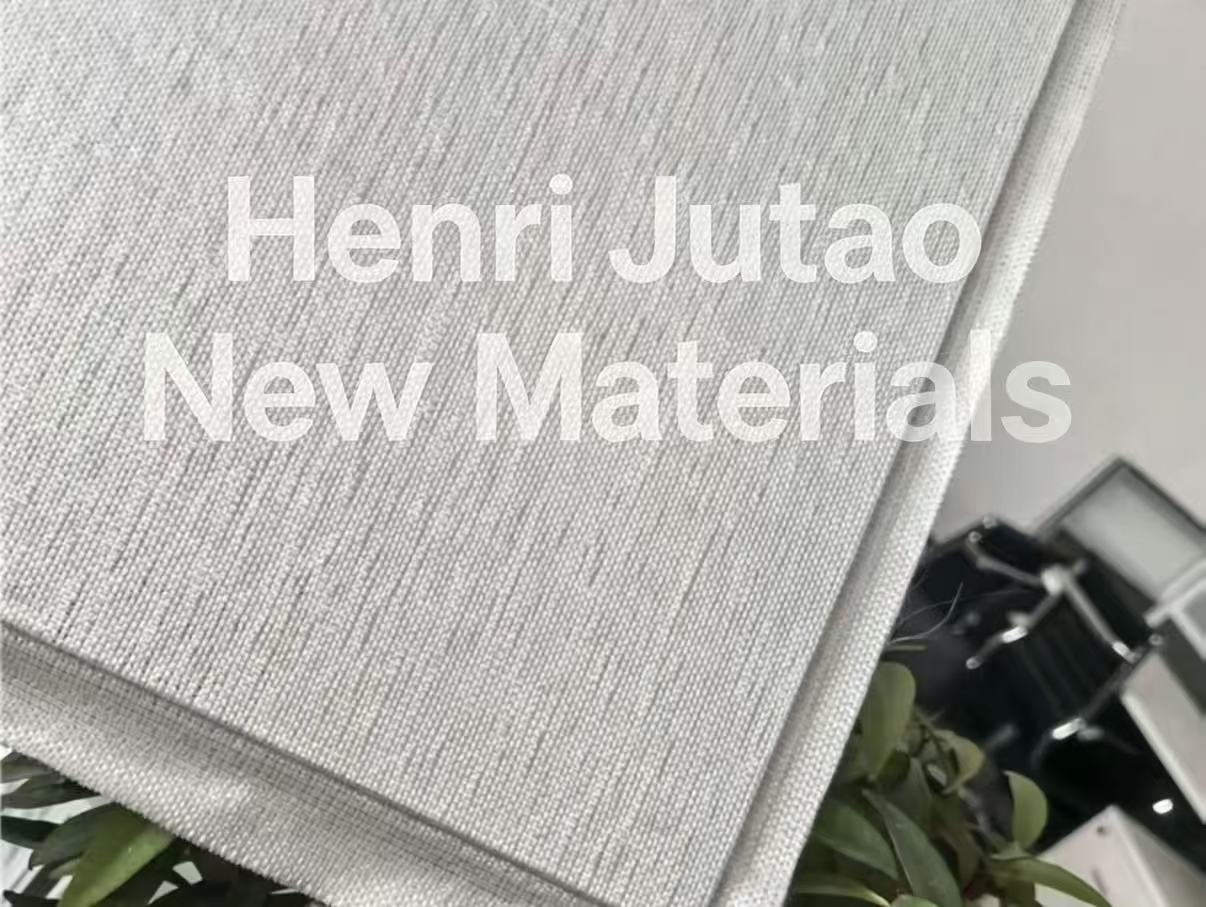
Custom China Aerogel Board VIP Vacuum Insulation Panels for High-Efficiency Cold Chain Warehouse Insulation
As cold chain logistics continues to expand worldwide, warehouse operators are under increasing pressure to reduce energy consumption while maintaining stable storage temperatures. Conventional insulation materials often require thick wall structures and may experience gradual thermal performance degradation over time. Vacuum Insulation Panels (VIPs) provide an advanced insulation solution that combines exceptional thermal efficiency with space-saving design.
Why Choose VIP Vacuum Insulation Panels?
VIPs are manufactured using a microporous core material sealed within a high-barrier multilayer film under vacuum conditions. By eliminating gas convection inside the panel, VIP technology significantly reduces heat transfer and delivers thermal conductivity as low as 0.002–0.004 W/(m·K), substantially lower than conventional polyurethane insulation.
This outstanding insulation performance allows cold storage facilities to achieve the required thermal resistance with much thinner insulation systems.
Benefits for Cold Chain Warehouses
For newly constructed or renovated cold storage facilities, VIP insulation panels can be installed on walls, floors, and ceilings to maximize thermal performance while minimizing insulation thickness.
Typical advantages include:
* Increased internal storage capacity through thinner insulation walls
* Lower refrigeration energy consumption
* Improved temperature stability
* Reduced compressor operating frequency
* Better utilization of available warehouse space
* Suitable for both new construction and retrofit projects
Because less space is occupied by insulation, operators can improve storage efficiency without expanding the building footprint.
Installation Considerations
Unlike conventional foam insulation boards, VIP panels cannot be cut or punctured after manufacturing because doing so would compromise the vacuum structure.
For optimal performance, panels should be custom-designed according to project dimensions, installed with staggered joints, and protected by durable finishing materials to prevent mechanical damage during warehouse operation.
Regular thermal inspections using infrared imaging can help identify damaged panels and maintain long-term insulation performance.
Long-Term Value
Although the initial investment of VIP insulation panels is generally higher than traditional insulation materials, many cold storage projects benefit from lower operating costs through reduced electricity consumption and increased usable storage volume.
Over the life cycle of the facility, these operational savings can contribute to an attractive return on investment while also supporting energy-efficiency goals and lower carbon emissions.
Many VIP products use fumed silica or fiberglass core materials without ozone-depleting blowing agents, making them a suitable choice for environmentally conscious building projects.
A Smarter Insulation Solution for Modern Cold Storage
As energy prices continue to rise and temperature control becomes increasingly critical, high-performance insulation is becoming an essential component of modern cold chain infrastructure.
VIP Vacuum Insulation Panels offer an effective solution for improving thermal efficiency, maximizing storage capacity, and supporting long-term operational performance in refrigerated warehouses and cold rooms.
Jutao Environmental Technology — Specialists in Aerogel Material Solutions
Stay connected with us for the latest updates, industry insights and application solutions in the aerogel sector.