



Industry News










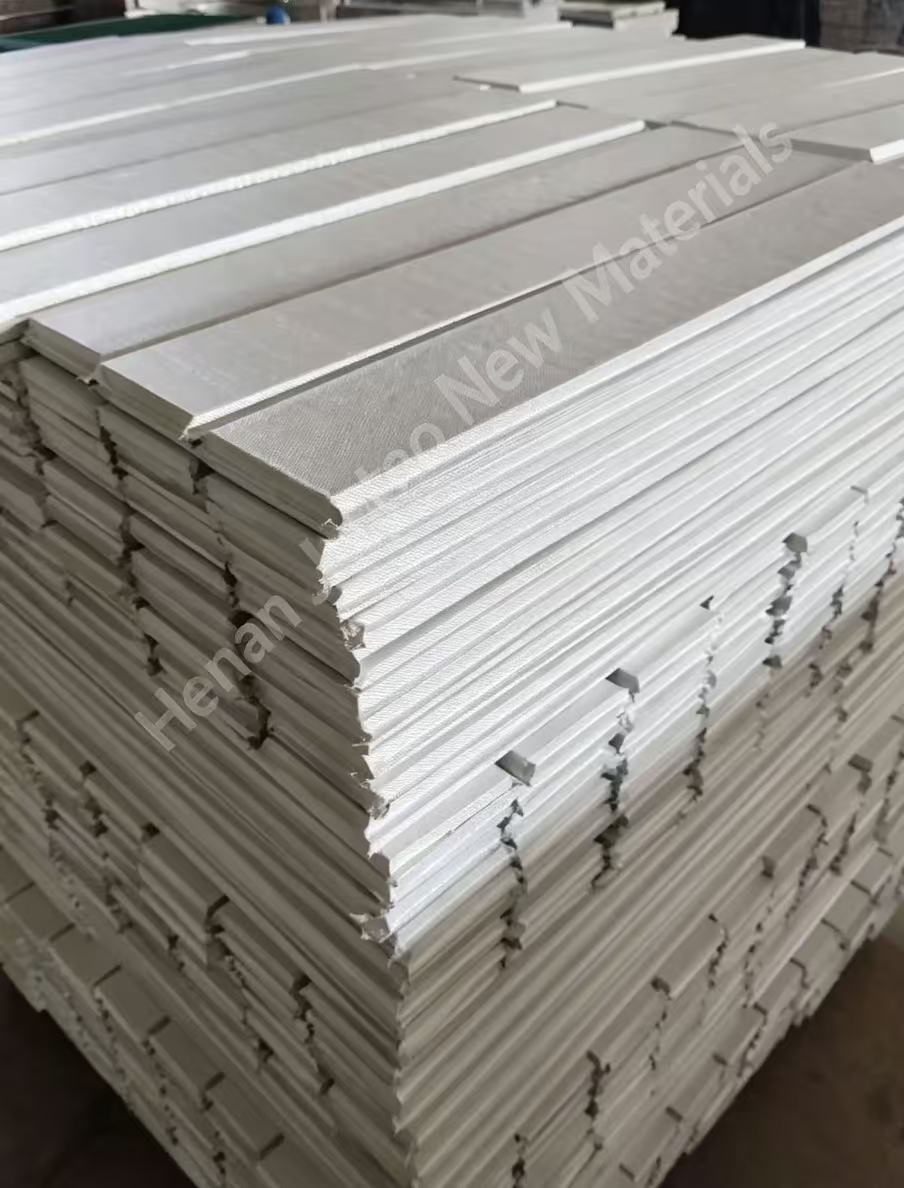
Custom China Facade Systems Vacuum Insulation Panel Manufacturer Specializing in High-Performance Building Insulation Materials
As global building energy-efficiency standards continue to evolve, building envelope systems are facing higher requirements for insulation performance, thickness, durability, and space efficiency. Vacuum Insulation Panels (VIPs) are becoming an important solution for high-performance building insulation thanks to their ultra-low thermal conductivity and high thermal resistance per unit thickness.
A Vacuum Insulation Panel combines a porous core material, a high-barrier envelope, and a vacuum structure to effectively suppress gas convection and gas-phase heat transfer. Depending on the core material, manufacturing process, and test conditions, VIP products can achieve thermal conductivity in the range of approximately 0.002–0.008 W/(m·K), offering significant insulation performance compared with many conventional insulation materials.
With higher thermal resistance in a thinner profile, VIPs can help building designers achieve insulation targets while preserving valuable usable space.
Advanced Core Materials and High-Barrier Structures
The performance of a Vacuum Insulation Panel depends not only on its initial thermal conductivity, but also on core uniformity, barrier film performance, vacuum retention, sealing technology, and long-term stability.
Common VIP core materials include fumed silica and glass fiber. Fumed silica features a stable nanoporous structure that helps reduce both solid-state and gas-phase heat transfer. Glass fiber uses a fine fiber network to limit heat transfer through the core.
The core is enclosed in a high-barrier composite film designed to minimize the penetration of oxygen and water vapor and maintain the internal vacuum environment. Some VIP designs also incorporate getters to absorb trace gases that may enter or be released during long-term service.
For this reason, building material buyers should evaluate more than the initial thermal conductivity. Core uniformity, barrier film properties, edge sealing, getter design, and accelerated aging data are all important indicators of long-term product reliability.
Thin Insulation for Flexible Building Applications
Conventional insulation materials often require relatively thick insulation layers to achieve high thermal resistance. Vacuum Insulation Panels can provide high insulation performance in a much thinner structure, making them particularly suitable for projects where space efficiency is important.
VIPs can be used in exterior walls, interior walls, roofs, cold storage facilities, and building renovation projects where insulation thickness needs to be minimized.
For external wall insulation systems, VIPs are generally integrated with other construction materials to provide mechanical protection and address practical engineering requirements such as panel joints, corners, window openings, fixing points, and thermal bridges.
Proper system design is essential to protect the vacuum structure throughout transportation, installation, and long-term service.
Installation: Protecting the Vacuum Structure Is Critical
Unlike conventional insulation boards, Vacuum Insulation Panels contain a sealed vacuum structure that must remain intact during handling and installation.
Panels should be protected from sharp objects, excessive compression, impact, and damage to the sealed edges. On-site cutting is generally not recommended because puncturing the barrier envelope can compromise the vacuum and significantly reduce insulation performance.
For this reason, accurate dimensional planning, factory prefabrication, and customized panel production can improve both installation efficiency and project reliability.
Special attention should also be given to panel joints, internal and external corners, window and door openings, and mechanical fixing locations. Where mechanical fastening is required, fixing positions should be designed in advance to avoid unnecessary penetration of the VIP surface.
Improving Building Energy Efficiency
Heating, cooling, and air-conditioning systems account for a significant share of building energy consumption. Heat transfer through the building envelope is one of the important factors affecting overall energy performance.
By significantly reducing heat transfer through walls and other building envelope components, Vacuum Insulation Panels can help improve thermal performance, reduce heating and cooling losses, and contribute to more stable indoor temperatures.
Although VIPs generally have a higher initial material cost than conventional insulation products, their high insulation performance per unit thickness can provide significant value in high-performance buildings, ultra-thin insulation systems, energy-efficient renovations, and space-constrained projects.
The reduced insulation thickness can also help optimize usable building space while meeting demanding thermal performance requirements.
How to Choose a Reliable Vacuum Insulation Panel Supplier
For international buyers, architects, contractors, and building material distributors, selecting the right VIP manufacturer requires a comprehensive evaluation of both product performance and manufacturing capability.
Key factors include:
* Thermal conductivity: Check the test temperature, test method, and testing standard rather than comparing a single numerical value.
* Core material quality: Evaluate core uniformity, density consistency, and mechanical properties.
* Barrier film performance: Pay attention to oxygen transmission rate, water vapor transmission rate, and multilayer film construction.
* Edge sealing technology: Reliable heat sealing and edge protection are essential for long-term vacuum retention.
* Long-term stability: Request accelerated aging tests and long-term thermal performance data where available.
* Dimensional accuracy: Consistent thickness and dimensions are important for precise building installation.
* Customization capability: A qualified manufacturer should be able to provide different dimensions, thicknesses, and customized shapes according to project requirements.
* Packaging and transportation: International shipping requires protective packaging to prevent puncture, compression, impact, and moisture damage.
Vacuum Insulation Panels for High-Performance Buildings
Vacuum Insulation Panels are not simply about achieving a lower thermal conductivity value. Their real engineering value comes from the coordinated performance of the core material, barrier envelope, vacuum technology, sealing process, and installation system.
For building projects that require high energy efficiency, thin insulation structures, and better space utilization, VIPs provide a competitive high-performance insulation solution.
As a manufacturer specializing in the research, development, and production of Vacuum Insulation Panels, we provide insulation solutions for building construction, cold chain, industrial applications, and energy-efficient renovation projects. Customized dimensions, thicknesses, and panel configurations are available according to project requirements.
Looking for Vacuum Insulation Panels for exterior walls, interior walls, roofs, or energy-efficient building projects? Contact us for product specifications, technical data, and customized insulation solutions.
Jutao Environmental Technology — Specialists in Aerogel Material Solutions
Stay connected with us for the latest updates, industry insights and application solutions in the aerogel sector.
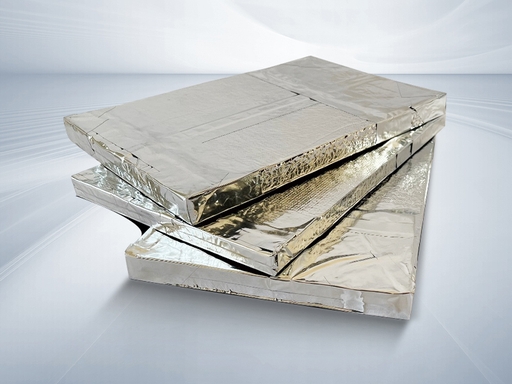
Vacuum Insulation Panel Price: Key Factors That Determine Your Final Cost
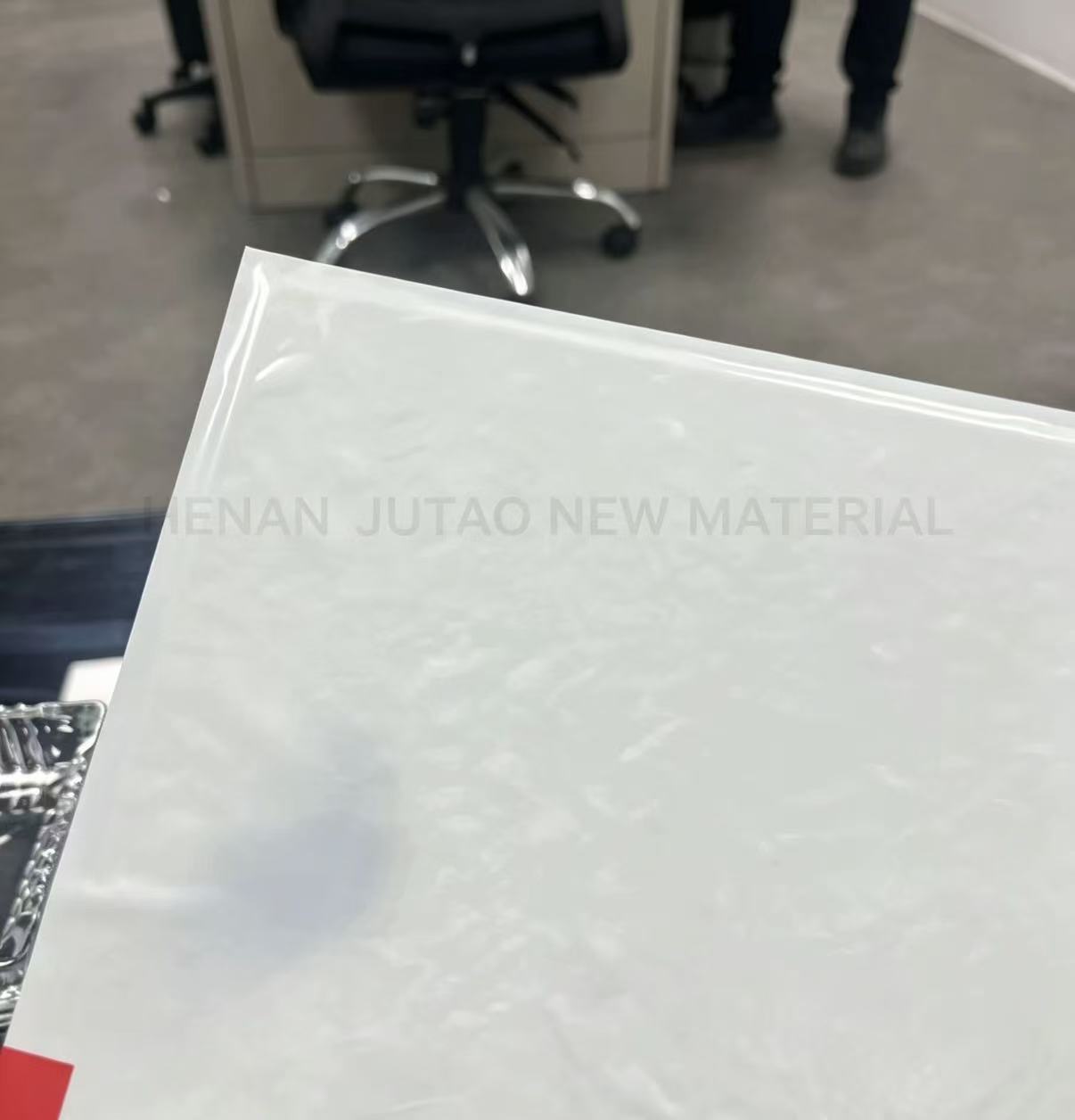
Flexible Aerogel Factories The Role of Aerogel Insulation Pads in Energy Efficiency: An Advanced Thermal Management Solution
As global energy costs continue to rise and energy-efficiency requirements become increasingly stringent, reducing heat loss in buildings, industrial equipment, transportation systems, and cold-chain applications has become an important priority for many industries.
Traditional insulation materials are widely used, but they can have limitations when applications require thinner structures, lower weight, high-temperature resistance, or efficient insulation in confined spaces.
Aerogel insulation pads provide an advanced solution for thermal management. Thanks to their unique nanoporous structure and excellent thermal insulation properties, aerogel-based pads can provide efficient insulation in relatively thin profiles while offering advantages such as low weight, high-temperature resistance, hydrophobicity, and fire resistance, depending on the product formulation and construction.
- How Do Aerogel Insulation Pads Provide High Thermal Insulation?
Aerogel is a lightweight material with a highly porous structure consisting of nanoscale particles and pores. The extremely small pore structure limits the movement of gas molecules and reduces heat transfer through both solid and gaseous pathways.
Through fiber reinforcement, composite processing, and sheet forming, aerogel can be manufactured into insulation pads with improved flexibility and mechanical strength. This makes aerogel insulation pads easier to install in industrial equipment, pipelines, battery systems, and building structures.
High-performance aerogel insulation pads can offer several key advantages:
* Low thermal conductivity: Some products can achieve approximately 0.018–0.025 W/(m·K);
* Lightweight construction: Lower weight compared with many conventional thick insulation systems;
* Thin insulation design: Suitable for applications where installation space is limited;
* High-temperature resistance: Applicable to selected high-temperature industrial environments;
* Hydrophobic properties: Helps reduce the impact of moisture on insulation performance;
* Fire resistance: Certain inorganic aerogel composite products can meet relevant fire-performance requirements depending on their construction.
Actual performance depends on the aerogel type, reinforcement method, composite structure, and manufacturing process. Engineering projects should therefore refer to the manufacturer’s technical specifications and test reports.
- Building Energy Efficiency: Reducing Heat Transfer Through Building Envelopes
Building insulation is one of the important application areas for aerogel insulation materials.
Conventional insulation materials often require greater thickness to achieve higher thermal resistance. Aerogel, with its low thermal conductivity, can provide high insulation efficiency within a relatively limited thickness.
Aerogel insulation pads can be used as supplementary insulation materials in walls, roofs, windows, curtain walls, and thermal-bridge areas to reduce localized heat transfer.
This can be particularly useful in building renovation projects where increasing the thickness of existing insulation systems is difficult or would significantly reduce usable space.
- Industrial Energy Efficiency: Reducing Heat Loss from High-Temperature Equipment and Pipelines
A significant amount of energy in industrial production is generated and transferred as heat. Boilers, steam pipelines, thermal-oil lines, industrial furnaces, storage tanks, and heat-exchange equipment can continuously lose energy when their insulation systems are insufficient.
With low thermal conductivity and good temperature resistance, aerogel insulation pads can be used for high-temperature pipelines, valves, flanges, equipment surfaces, and complex structural areas.
Compared with conventional thick insulation materials, aerogel products can provide high thermal resistance while occupying less installation space.
Typical applications include:
* Steam and hot-water pipelines;
* High-temperature oil and gas pipelines;
* Industrial furnaces and kilns;
* Storage tanks and pressure vessels;
* Valves, flanges, and other irregular components;
* Heat exchangers and industrial equipment.
For industrial users, reducing surface heat loss can help improve energy efficiency while also creating a safer thermal environment around operating equipment.
- New Energy Vehicles: Combining Thermal Insulation with Thermal Safety
With the rapid development of electric vehicles and energy-storage systems, battery thermal management has become an important part of new-energy technology.
Aerogel insulation pads can be incorporated into battery modules, between individual cells, and within battery-pack thermal protection structures. In the event of an abnormal thermal event, insulation materials can help slow the propagation of heat between adjacent cells, providing additional response time for thermal management and safety systems.
At the same time, the lightweight and thin design of aerogel materials makes them suitable for electric vehicles and energy-storage systems where weight and internal space are important considerations.
For battery applications, material selection should take into account thermal conductivity, temperature resistance, flame-retardant performance, compression properties, thickness, and long-term reliability.
- Cold-Chain Logistics: Reducing Cooling Loss
Refrigerated trucks, cold-storage facilities, refrigerated containers, and temperature-controlled packaging need to maintain stable temperatures continuously. Therefore, the insulation structure has a direct impact on refrigeration efficiency.
Aerogel insulation pads can be used for localized insulation in cold-chain equipment, including doors, joints, connections, and other areas where thermal bridges may occur. Their low thermal conductivity can help reduce external heat transfer and minimize cooling losses.
For cold-chain equipment manufacturers and operators, thin high-performance insulation materials can also help optimize usable internal space while improving thermal insulation within a limited structural thickness.
- The Key Energy-Efficiency Value of Aerogel Insulation Pads
The value of aerogel insulation pads is not limited to their low thermal conductivity. More importantly, they can provide a better balance between thermal performance, thickness, weight, and installation space.
For different applications, manufacturers and engineering users can select suitable aerogel composite insulation products based on operating temperature, insulation requirements, available installation space, mechanical strength, fire-performance requirements, and other technical factors.
From building energy efficiency and industrial thermal management to new-energy batteries and cold-chain logistics, aerogel insulation pads are becoming an important complementary solution to conventional insulation materials.
Conclusion
As global energy-efficiency requirements continue to increase, the demand for high-performance insulation materials is also growing. With low thermal conductivity, lightweight construction, thin profiles, and good temperature resistance, aerogel insulation pads provide flexible thermal management solutions for a wide range of industries.
As aerogel manufacturing technologies continue to improve and production costs become more competitive, the application of aerogel insulation materials is expected to expand further in building energy efficiency, industrial equipment insulation, electric vehicles, energy-storage systems, cold-chain logistics, and other thermal-management applications.
For overseas customers looking for high-performance, lightweight, and space-saving insulation solutions, aerogel insulation pads are worth considering as an advanced next-generation insulation material.
Jutao Environmental Technology — Specialists in Aerogel Material Solutions
Stay connected with us for the latest updates, industry insights and application solutions in the aerogel sector.
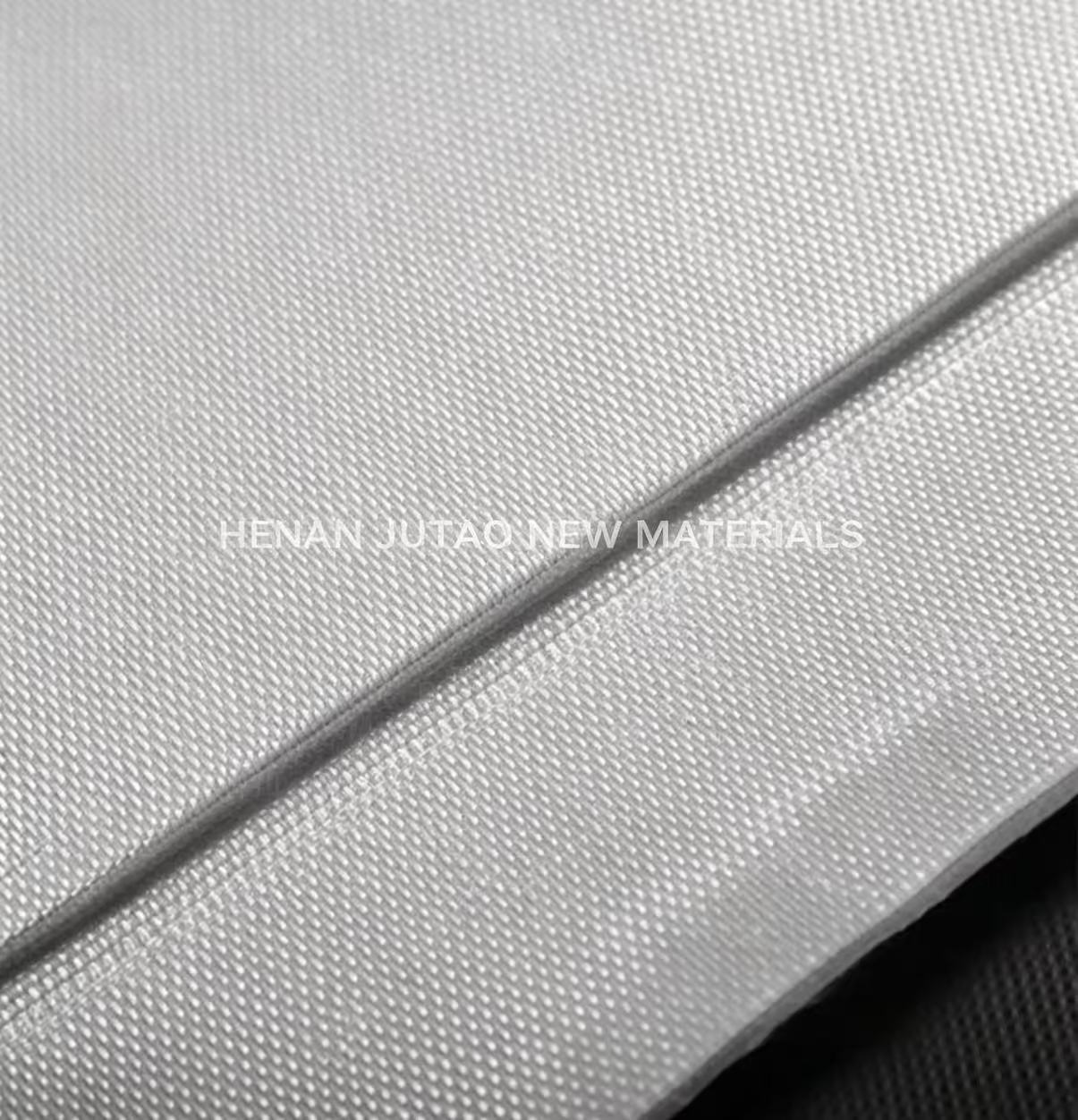
Custom China Aerogel Panels Vacuum Insulation Panel Manufacturer for Cold Storage and Industrial Building Insulation
As industries continue to demand higher energy efficiency and lower operating costs, Vacuum Insulation Panels (VIPs) have become an advanced thermal insulation solution for cold storage facilities and industrial buildings. Compared with conventional insulation materials, VIPs provide significantly higher thermal resistance while requiring much less installation space, making them ideal for projects where both insulation performance and usable space are critical.
How Vacuum Insulation Panels Work
A Vacuum Insulation Panel consists of a microporous core material sealed within a high-barrier multilayer film under vacuum conditions. By removing air inside the panel, heat transfer caused by gas conduction and convection is greatly reduced, leaving only minimal solid heat transfer through the core.
With thermal conductivity as low as 0.002–0.004 W/(m·K), VIPs outperform traditional insulation materials such as polyurethane foam and extruded polystyrene (XPS), which typically range between 0.020–0.040 W/(m·K).
This exceptional insulation performance allows a 15–20 mm VIP to achieve a similar thermal resistance as more than 100 mm of conventional polyurethane insulation, helping maximize interior space while maintaining excellent thermal efficiency.
Advantages for Cold Storage Applications
Cold storage facilities require stable internal temperatures while minimizing refrigeration energy consumption. Vacuum insulation panels reduce heat gain through walls, floors, and ceilings, enabling refrigeration systems to operate more efficiently.
Typical applications include:
* Cold storage warehouses
* Freezer rooms
* Blast freezers
* Food processing plants
* Pharmaceutical cold chain facilities
VIPs are particularly valuable for renovation projects where increasing wall thickness is not practical. Their ultra-thin design improves insulation performance without significantly reducing internal storage capacity.
Thermal Insulation Solutions for Industrial Buildings
Industrial facilities often experience significant heat transfer from production equipment or outdoor environments. Maintaining stable indoor temperatures improves manufacturing efficiency, employee comfort, and product quality.
Vacuum insulation panels can be integrated into:
* Sandwich wall panels
* Interior partition systems
* Suspended ceilings
* Equipment insulation systems
* Temperature-controlled production workshops
Industries including electronics, pharmaceuticals, laboratories, and precision manufacturing benefit from the high thermal efficiency and space-saving characteristics of VIP technology.
Installation Considerations
Because VIPs maintain their insulation performance through an internal vacuum structure, proper handling during installation is essential.
Recommended installation practices include:
* Avoid puncturing or cutting the panels.
* Protect panel surfaces from sharp objects.
* Properly seal any exposed edges using compatible sealing materials.
* Minimize thermal bridges by insulating panel joints.
* Install protective finishing layers where necessary.
Factory-direct manufactured panels are supplied in customized dimensions according to project requirements, allowing faster installation and improved construction efficiency.
Long-Term Performance
High-quality vacuum insulation panels are designed to maintain their vacuum level for more than 20 years under normal operating conditions. Compared with conventional foam insulation materials, VIPs provide more stable long-term thermal performance with significantly lower performance degradation.
Factory Direct Supply
Purchasing directly from a vacuum insulation panel manufacturer offers several advantages:
* Competitive factory pricing
* Custom panel dimensions
* Stable production capacity
* Bulk order support
* OEM and ODM manufacturing
* Technical assistance for engineering projects
When selecting a supplier, buyers are encouraged to request thermal conductivity test reports, aging test data, and quality inspection documentation to ensure reliable long-term insulation performance.
Conclusion
Vacuum Insulation Panels provide an efficient solution for cold storage facilities and industrial buildings where energy savings, thermal performance, and space utilization are equally important. With ultra-low thermal conductivity, thin profiles, and long service life, factory-direct VIP products help reduce operating costs while improving overall building performance.
Jutao Environmental Technology — Specialists in Aerogel Material Solutions
Stay connected with us for the latest updates, industry insights and application solutions in the aerogel sector.
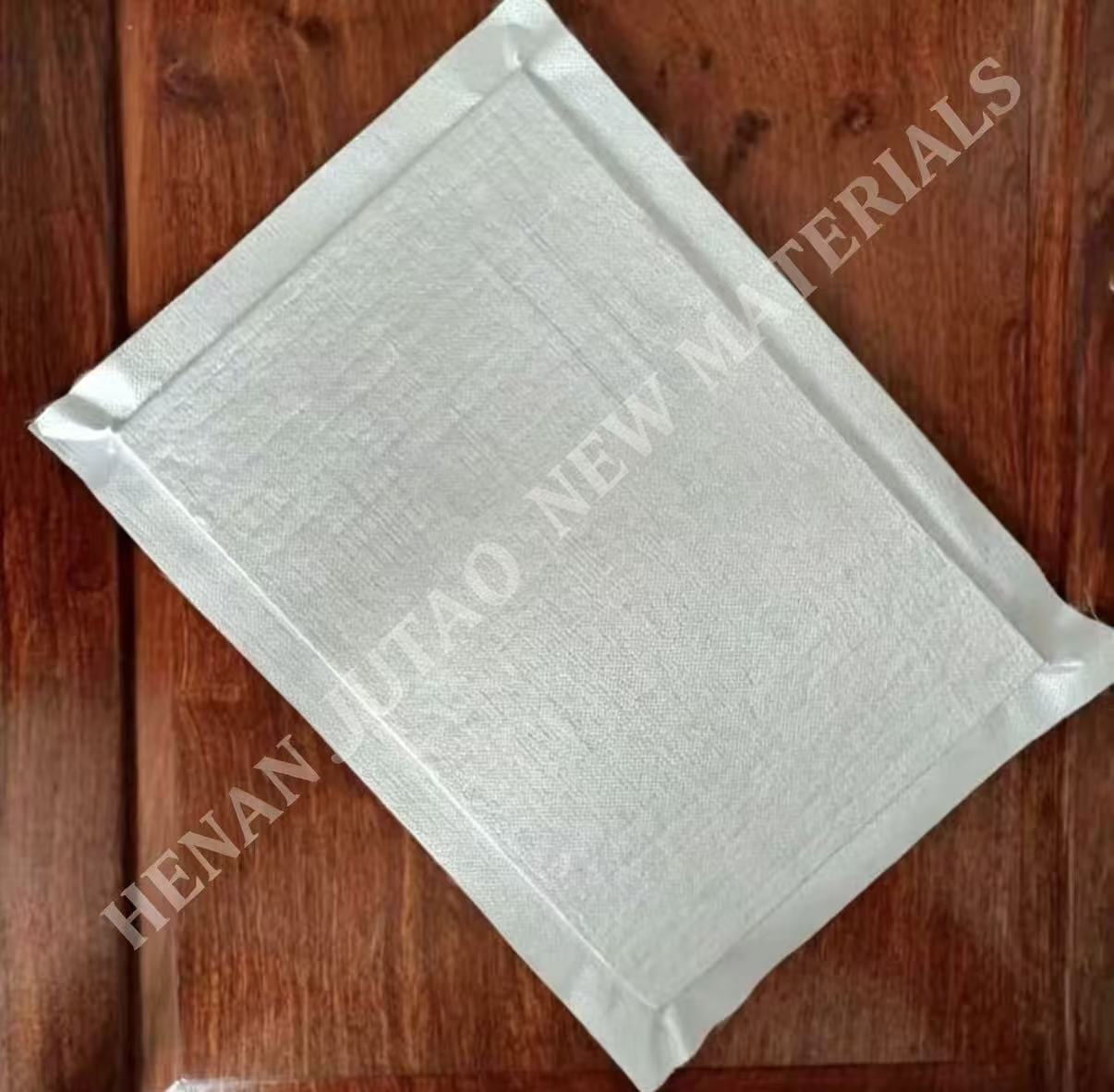
Custom China Aerogel Wall Vacuum Insulation Panel Manufacturer | Professional Thermal Insulation Solutions for Industrial Buildings
As global demand for energy-efficient construction continues to grow, industrial buildings require advanced insulation materials that combine excellent thermal performance with space-saving design. Vacuum Insulation Panels (VIPs) have become an ideal solution for industrial facilities, cold storage warehouses, clean rooms, and commercial insulation systems due to their outstanding thermal efficiency and slim profile.
As a professional Vacuum Insulation Panel manufacturer, we specialize in the development, production, and global supply of high-performance VIP solutions for industrial and construction applications.
Advanced Vacuum Insulation Technology
Vacuum Insulation Panels are manufactured using microporous core materials, high-barrier laminated films, and advanced vacuum sealing technology to minimize heat transfer through conduction, convection, and radiation.
Key product benefits include:
* Extremely low thermal conductivity for superior insulation performance;
* High thermal efficiency with reduced panel thickness;
* Increased usable building space;
* Lightweight design for easier transportation and installation;
* Long-term durability and stable insulation performance;
* Suitable for industrial buildings, cold chain logistics, household appliances, and energy-efficient construction.
Professional Manufacturing Process
Consistent product quality depends on advanced manufacturing technology and strict production control.
Core materials are carefully dried, compressed, and formed before being encapsulated with high-barrier multilayer films under vacuum conditions. Every critical production stage is monitored to ensure excellent sealing performance, dimensional accuracy, and long-term thermal stability.
Modern production facilities are equipped with professional testing equipment to inspect vacuum performance, dimensional consistency, and sealing integrity throughout the manufacturing process.
Applications Across Industrial Sectors
Vacuum Insulation Panels are widely used in various industrial and commercial applications, including:
* Industrial building walls and roofing systems;
* Cold storage warehouses and cold chain logistics;
* Food processing and refrigerated storage facilities;
* Pharmaceutical plants, laboratories, and clean rooms;
* Industrial equipment and storage tanks;
* Energy-efficient building renovation projects.
Customized panel sizes, thicknesses, and specifications are available to meet different project requirements.
Comprehensive Quality Control
Reliable products are supported by a complete quality management system.
Each Vacuum Insulation Panel undergoes comprehensive inspections before shipment, including:
* Thermal conductivity testing;
* Vacuum sealing performance inspection;
* Dimensional and appearance inspection;
* Compression strength testing;
* Aging and durability evaluation.
These quality control procedures help ensure consistent performance during transportation, installation, and long-term service.
Global Supply and Custom Manufacturing
We provide OEM, ODM, and customized manufacturing services for customers worldwide. Panels can be produced according to project drawings and technical specifications.
Professional protective packaging is used to minimize transportation risks and supports international shipping by sea, rail, and road, ensuring reliable delivery for projects around the world.
Your Reliable Vacuum Insulation Panel Manufacturer
Working with an experienced manufacturer means more than purchasing insulation materials—it means gaining dependable technical support, consistent product quality, and efficient project delivery.
We are committed to providing high-performance Vacuum Insulation Panels for industrial buildings, energy-efficient construction, and cold chain applications through advanced manufacturing, strict quality control, and reliable global supply.
Jutao Environmental Technology — Specialists in Aerogel Material Solutions
Stay connected with us for the latest updates, industry insights and application solutions in the aerogel sector.
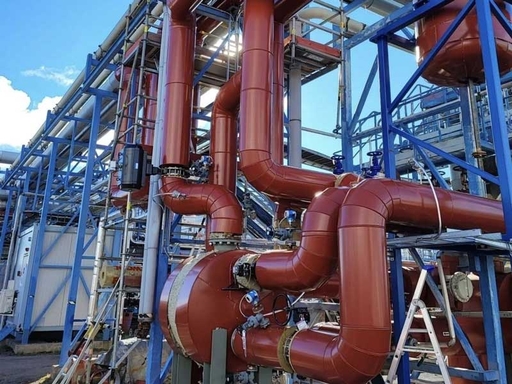
Aerogel Insulation Cost Per M²: The Complete 2026 Global Procurement Pricing Guide
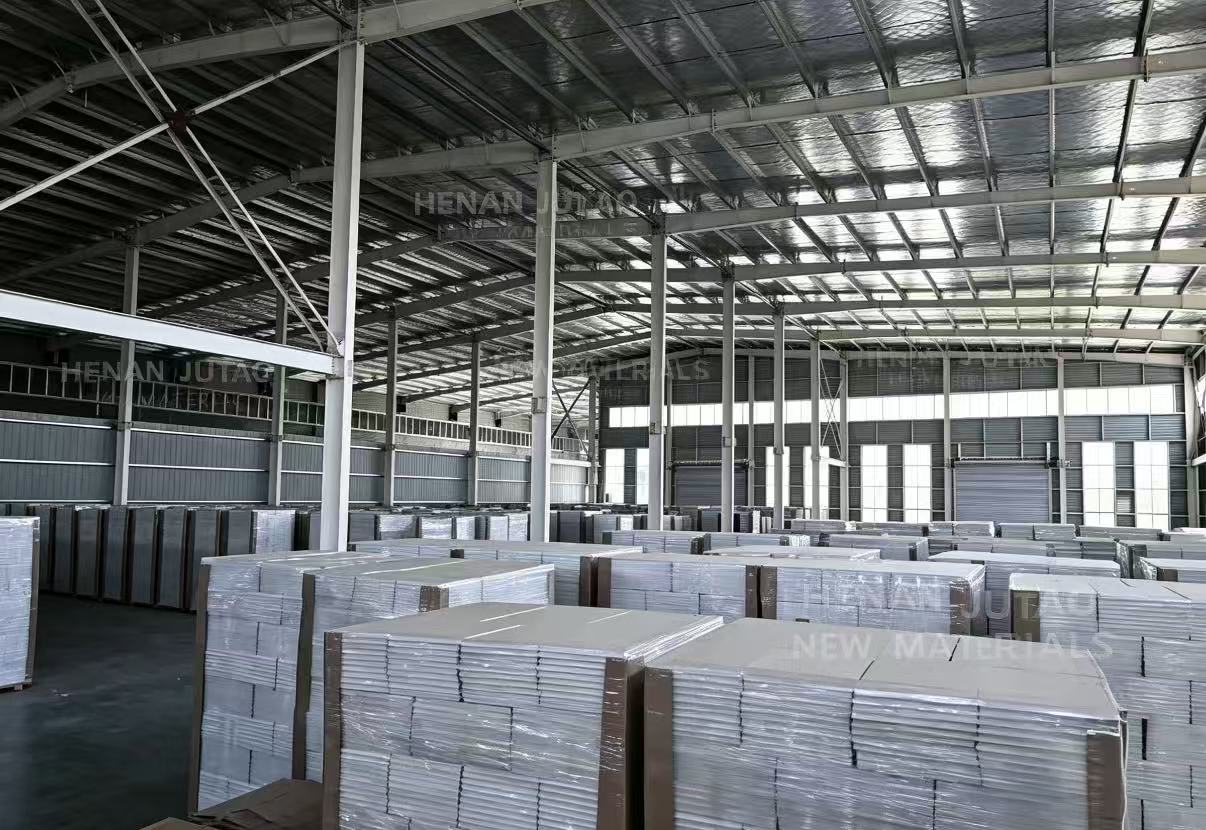
Flexible Aerogel Factories Vacuum Insulation Panel Manufacturer | Certified Production & Direct Supply for Engineering Projects
As global energy-efficiency standards continue to rise, Vacuum Insulation Panels (VIPs) have become an ideal insulation solution for buildings, cold chain logistics, industrial equipment, and high-performance thermal insulation systems. Choosing a qualified and experienced manufacturer is essential for ensuring long-term thermal performance and reliable project delivery.
Certified Manufacturing with Reliable Quality
A professional VIP manufacturer operates under a comprehensive quality management system and provides complete product documentation, including thermal conductivity test reports, fire performance certificates, product inspection reports, and other quality certifications.
Strict quality control is implemented throughout the entire manufacturing process—from raw material selection to finished product inspection—to ensure consistent product quality, dimensional accuracy, and long-term performance for international construction projects.
Advanced Vacuum Insulation Technology
Vacuum Insulation Panels are manufactured using high-barrier multilayer films, microporous core materials, and high-performance getters to maintain an ultra-high vacuum environment and minimize heat transfer.
Key product advantages include:
* Thermal conductivity as low as 0.004 W/(m·K);
* Up to 50–70% thinner than conventional insulation materials while achieving equivalent thermal performance;
* Increased usable interior space;
* Excellent fire resistance, moisture resistance, and durability;
* Suitable for buildings, cold chain applications, household appliances, and industrial insulation systems.
Stable manufacturing technology and strict quality assurance help maintain outstanding insulation performance throughout the product’s service life.
Factory Direct Supply for Efficient Project Delivery
Factory-direct supply eliminates unnecessary distribution channels and enables faster communication between customers and the manufacturing team.
From technical consultation and product selection to custom production, packaging, logistics, and after-sales support, professional engineers provide comprehensive services throughout every stage of the project.
Custom dimensions and special panel configurations can be manufactured according to project drawings and application requirements.
Comprehensive Quality Control
Each Vacuum Insulation Panel undergoes rigorous inspection before shipment, including:
* Vacuum level testing;
* Thermal conductivity testing;
* Dimensional inspection;
* Seal integrity testing;
* Compression strength testing;
* Aging and durability evaluation.
These quality control procedures help ensure stable performance during transportation, installation, and long-term service.
Secure Packaging and Global Delivery
As high-performance insulation products, VIPs require specialized protective packaging during transportation.
Customized pallets, shock-resistant packaging, and reinforced protection significantly reduce transportation damage. Multiple international shipping options are available, including ocean freight, rail, and road transportation, supporting bulk deliveries worldwide.
Your Trusted Vacuum Insulation Panel Manufacturer
When selecting a supplier, buyers should consider:
* Certified quality management systems;
* Modern automated production facilities;
* Complete product testing documentation;
* International project supply experience;
* OEM and ODM manufacturing capabilities;
* Professional technical support and responsive after-sales service.
As a professional Vacuum Insulation Panel manufacturer, we are committed to delivering high-quality products, strict quality control, efficient production, and reliable global supply for construction, cold chain, and industrial insulation projects worldwide.
Jutao Environmental Technology — Specialists in Aerogel Material Solutions
Stay connected with us for the latest updates, industry insights and application solutions in the aerogel sector.
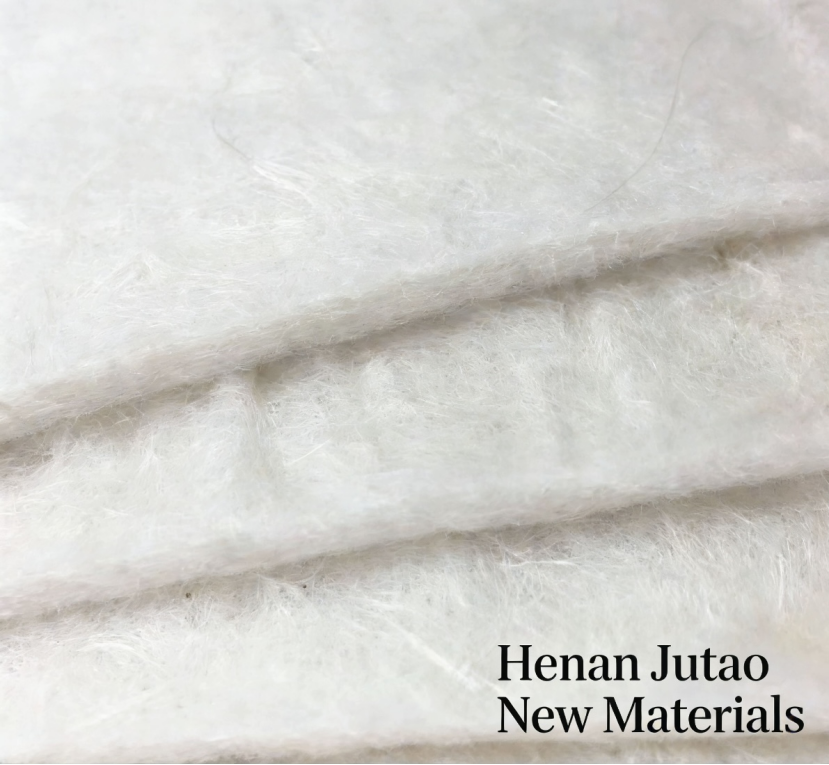
Best Aerogel Types for Oil & Gas Applications: A Procurement Guide
Custom China Aerogel Wall How to Select Vacuum Insulation Panels for Reliable Long-Term Performance
Look Beyond Initial Thermal Conductivity
When purchasing Vacuum Insulation Panels (VIPs), many buyers focus only on achieving the lowest possible thermal conductivity. However, long-term insulation performance depends on much more than the initial laboratory value.
The service life of a VIP is largely determined by its ability to maintain vacuum over time. High-quality barrier films and advanced edge sealing technology play a critical role in preserving insulation performance. Buyers are advised to request accelerated aging test reports to evaluate long-term thermal stability rather than relying solely on initial specifications.
Choose the Appropriate Core Material
The core material directly affects both insulation efficiency and durability.
Glass fiber cores are lightweight but may be more vulnerable to mechanical damage if improperly handled. Fumed silica cores generally provide better compression resistance and maintain more stable thermal performance over extended periods, making them well suited for cold chain logistics, refrigeration equipment, and other vibration-prone applications.
Suppliers should clearly specify the core material used instead of providing vague descriptions such as “inorganic nano core.”
Evaluate Edge Sealing Performance
The edge sealing area is one of the most important parts of any vacuum insulation panel. Because the barrier films are sealed together around the perimeter, the edges naturally transfer more heat than the center of the panel.
Instead of considering only center-point thermal conductivity, buyers should evaluate the overall equivalent thermal conductivity of the complete panel. Thermal imaging reports and comprehensive testing data can provide a more accurate assessment of overall insulation performance.
For projects located in humid environments, the moisture resistance and durability of the barrier film should also be carefully evaluated.
Perform Incoming Quality Inspection
Factory quality certificates should be complemented by on-site inspection after delivery.
Random sampling should include checking for punctures, scratches, wrinkles, sealing defects, or any visible damage that could compromise vacuum integrity. Early inspection helps detect transportation damage before installation begins.
Ensure Proper Transportation and Installation
VIPs should be carefully protected throughout transportation, storage, and installation. Sharp impacts, concentrated pressure, or excessive bending may damage the vacuum structure and reduce insulation performance.
Protective packaging, corner guards, layered cushioning, and proper storage methods help reduce handling risks. Installation should always follow the manufacturer’s recommendations, as most vacuum insulation panels are not intended to be bent or modified after production.
Conclusion
Selecting high-quality Vacuum Insulation Panels requires evaluating long-term vacuum retention, core material, barrier film quality, edge sealing technology, and quality control procedures rather than focusing solely on thermal conductivity. Careful supplier selection and proper project management help maximize insulation efficiency and ensure reliable long-term performance.
Jutao Environmental Technology — Specialists in Aerogel Material Solutions
Stay connected with us for the latest updates, industry insights and application solutions in the aerogel sector.
Custom China Facade Systems How to Choose Reliable Vacuum Insulation Panels: A Practical Guide Beyond Brand Rankings
As demand for energy-efficient buildings continues to grow, Vacuum Insulation Panels (VIPs) have become a preferred insulation solution thanks to their exceptional thermal performance. While many buyers begin by searching for VIP brand rankings, selecting the right product requires a comprehensive evaluation of long-term performance, product quality, and supplier reliability.
Understand the Key Performance Indicators
The outstanding insulation performance of a Vacuum Insulation Panel depends primarily on its ability to maintain a stable vacuum over time. Important technical factors include:
* Uniform and stable core material
* High-performance gas barrier film
* Effective getter material with long service life
* Low initial thermal conductivity and excellent aging resistance
For many building applications, quality VIP products are designed with an initial thermal conductivity of ≤0.008 W/(m·K) while maintaining reliable insulation performance throughout accelerated aging tests.
Brand Rankings Should Not Be the Only Decision Factor
Many published VIP brand rankings are based on market share or company size rather than verified product performance. Although reputable manufacturers often provide dependable products, purchasing decisions should rely on objective technical evidence.
Buyers are encouraged to request third-party testing reports covering:
* Long-term thermal conductivity
* Accelerated aging performance
* Expected service life
* Production consistency
Manufacturers with extensive experience in projects similar to yours can often provide stronger references than general brand rankings.
Three Practical Steps for Product Selection
Review Comprehensive Test Reports
Technical documents should include thermal conductivity, core density, moisture resistance, aging performance, and other key parameters. Complete testing reflects a more mature quality management system.
Inspect Product Condition
After delivery, inspect both the packaging and panel surfaces. Panels should remain flat and free from dents, deformation, or visible damage. Since punctures or excessive bending may destroy the internal vacuum, damaged products should not be used.
Evaluate Technical Service Capability
Because Vacuum Insulation Panels generally cannot be cut on-site, experienced suppliers should provide:
* Customized panel layouts
* Prefabricated special-size panels
* Installation guidance
* Replacement solutions for accidental damage
Professional engineering support contributes to higher installation quality and overall project success.
Common Purchasing Mistakes
Choosing Based Only on Price
Lower material prices do not always reduce total project costs. Different surface facings—including fiberglass fabric, nonwoven fabric, and aluminum foil—require compatible adhesives and installation systems. Compatibility testing is recommended before construction.
Overlooking Transportation and Storage
VIPs should be protected from puncture, impact, and excessive bending during transportation and storage. Damaged packaging or visible panel deformation may indicate vacuum loss, which can reduce insulation performance and create thermal bridges.
Consider Long-Term Building Performance
Building insulation systems are expected to perform reliably for decades. Buyers should therefore request:
* Accelerated aging test reports
* Service life prediction data
* Product traceability systems
* Quality management documentation
A lifecycle-based evaluation provides greater value than relying solely on brand rankings.
Rather than focusing only on popularity, selecting reliable Vacuum Insulation Panels should be based on verified performance, manufacturing consistency, and professional technical support. These factors help ensure long-term energy efficiency and reliable insulation performance for modern building projects.
Jutao Environmental Technology — Specialists in Aerogel Material Solutions
Stay connected with us for the latest updates, industry insights and application solutions in the aerogel sector.