



Industry News










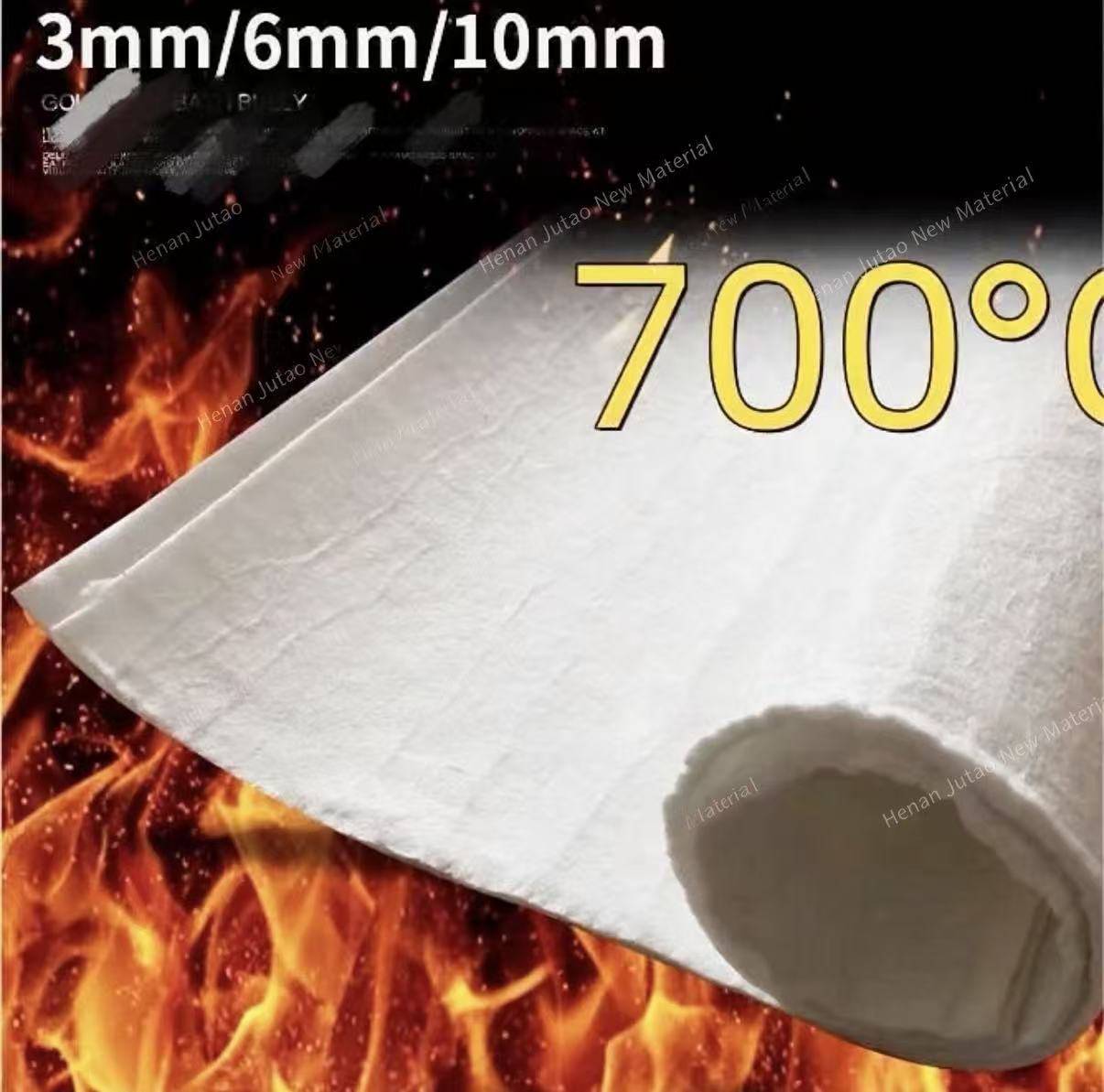
Custom China Aerogel Wall Aerogel Insulation Pads vs. Traditional Insulation Materials: Key Differences Explained
Insulation materials play an important role in improving energy efficiency, protecting components, and maintaining stable operating temperatures across industrial, automotive, electronics, construction, and energy applications.
Traditional insulation materials such as rock wool, glass wool, and polyurethane foam have been widely used for decades. However, as equipment becomes more compact and operating conditions become more demanding, conventional materials may face limitations in thickness, weight, temperature resistance, and long-term stability.
Aerogel insulation pads, particularly those based on silica aerogel, offer a high-performance alternative. With their unique nanoporous structure and extremely low thermal conductivity, aerogel pads can provide effective thermal protection while requiring less space and adding less weight.
This article compares aerogel insulation pads with traditional insulation materials across several key performance factors.
- Thermal Insulation Efficiency
Thermal conductivity is one of the most important indicators when selecting an insulation material. Generally, a lower thermal conductivity means better insulation performance.
Traditional insulation materials typically have thermal conductivities in the following ranges:
* Rock wool: approximately 0.035–0.045 W/(m·K)
* Glass wool: approximately 0.030–0.040 W/(m·K)
* Polyurethane foam: approximately 0.025–0.035 W/(m·K)
* Silica aerogel insulation pads: approximately 0.012–0.020 W/(m·K), depending on product formulation and test conditions
The low thermal conductivity of aerogel allows manufacturers and engineers to achieve a high level of thermal resistance with a relatively thin insulation layer.
For applications where installation space is limited, this can be a significant advantage. Aerogel pads can be used in areas such as battery packs, industrial equipment, pipelines, electronic devices, and other compact systems where conventional insulation may require excessive thickness.
- Lightweight Design
Weight is another important consideration in modern engineering applications.
Aerogel-based insulation materials can have a relatively low density while maintaining excellent thermal insulation performance. This makes them suitable for applications where reducing the overall weight of a system is important.
Compared with traditional mineral-based insulation, aerogel insulation pads can help reduce the weight and volume of thermal protection systems.
This advantage is particularly valuable in:
* New energy vehicles
* Battery thermal management systems
* Aerospace equipment
* Portable electronic devices
* Industrial equipment
* Lightweight building systems
By combining high thermal resistance with a compact structure, aerogel insulation can help engineers optimize both thermal performance and system weight.
- Wide Operating Temperature Range
Temperature resistance is one of the major differences between aerogel-based and polymer-based insulation materials.
Polyurethane foam, for example, has a relatively limited operating temperature range compared with inorganic insulation materials. Silica aerogel, on the other hand, is an inorganic material that can be engineered for high-temperature insulation applications.
Depending on the specific product structure, reinforcement material, and application conditions, silica aerogel insulation products can be designed for demanding temperature environments.
This makes aerogel insulation pads suitable for applications including:
* High-temperature pipelines
* Industrial furnaces and ovens
* Exhaust systems
* Thermal processing equipment
* Energy equipment
* Battery thermal protection
* Aerospace and other high-temperature applications
The actual maximum service temperature should always be determined according to the specific aerogel pad formulation and manufacturer’s technical data.
- Moisture Resistance and Long-Term Stability
Moisture can significantly affect the performance of many conventional insulation materials. When some fibrous insulation materials absorb water, their thermal insulation performance may decrease.
Aerogel materials can be surface-treated to provide hydrophobic properties, helping reduce moisture absorption and improve performance in humid environments.
This makes hydrophobic aerogel insulation pads particularly useful for applications where insulation may be exposed to:
* Humidity
* Condensation
* Outdoor environments
* Industrial moisture
* Temperature fluctuations
In addition, silica aerogel has good chemical stability and can be used in a variety of demanding industrial environments when the material is properly selected and protected.
- Safety and Environmental Considerations
Different insulation materials have different safety and environmental characteristics.
Traditional fibrous insulation materials may generate airborne fibers or particles during cutting and installation, so appropriate protective measures are generally required.
Silica aerogel itself is an inorganic material and does not rely on volatile organic compounds for its basic thermal insulation function. However, the overall safety and environmental characteristics of an aerogel insulation pad also depend on its reinforcing fibers, binders, facing materials, and manufacturing process.
For this reason, buyers should evaluate the complete product rather than looking only at the aerogel component.
For international projects, suppliers can provide relevant technical documentation, safety data, and test reports according to the requirements of the target market.
- Service Life and Total Cost of Ownership
Aerogel insulation pads usually have a higher initial material cost than conventional insulation products. However, initial purchase price is only one factor in evaluating an insulation solution.
A more complete assessment should consider:
* Energy savings
* Installation space
* Material thickness
* Transportation costs
* Equipment weight
* Maintenance requirements
* Replacement frequency
* Long-term thermal performance
Because aerogel can deliver high thermal resistance in a relatively thin layer, it may provide economic advantages in applications where space, energy efficiency, or equipment weight are critical.
The actual service life depends on the aerogel formulation, facing materials, installation method, operating temperature, mechanical conditions, and environmental exposure. Therefore, service-life claims should be based on specific product testing and application data.
Aerogel Insulation Pads vs. Traditional Materials
The key differences can be summarized as follows:
Performance Aerogel Insulation Pads Traditional Insulation Materials
Thermal conductivity Very low Generally higher
Insulation thickness Thin for high thermal resistance Often requires greater thickness
Weight Lightweight Varies by material
Temperature resistance Excellent for silica aerogel products Depends strongly on material
Moisture resistance Can be enhanced through hydrophobic treatment Varies; some materials are moisture-sensitive
Flexibility Available in flexible pad and blanket forms Depends on material
Space efficiency Excellent Moderate to good
Initial cost Generally higher Generally lower
Application range Industrial, automotive, electronics, energy, etc. Broad range of general applications
Typical Applications of Aerogel Insulation Pads
The combination of low thermal conductivity, compact thickness, lightweight construction, and temperature resistance makes aerogel insulation pads suitable for a wide range of applications.
New Energy Vehicles and Battery Systems
Aerogel insulation pads can be used as thermal barriers and insulation components in battery packs. Their thin profile and thermal resistance make them suitable for space-constrained battery systems and thermal runaway protection designs.
Industrial Pipelines and Equipment
Aerogel insulation can help reduce heat loss from hot pipelines, valves, tanks, and other industrial equipment. Its compact thickness can also simplify insulation installation where available space is limited.
Electronics and Electrical Equipment
For electronic and electrical systems, aerogel pads can provide localized thermal isolation between heat-sensitive components and high-temperature areas.
Construction and Building Insulation
Aerogel-based insulation products can be considered for applications where high thermal resistance and limited installation thickness are required, including walls, roofs, doors, and specialized building components.
Energy and High-Temperature Equipment
Aerogel insulation materials can also be used in energy systems, thermal processing equipment, exhaust systems, and other industrial applications requiring efficient thermal protection.
Conclusion
The difference between aerogel insulation pads and traditional insulation materials comes mainly from their material structure and resulting thermal performance.
With their nanoporous structure, low thermal conductivity, lightweight design, compact thickness, and potential for high-temperature and moisture-resistant applications, aerogel insulation pads provide an attractive solution for demanding thermal management requirements.
Traditional materials remain cost-effective for many conventional insulation projects. However, when space, weight, temperature, thermal efficiency, or long-term performance become critical factors, aerogel insulation can offer significant engineering advantages.
As manufacturing technology continues to develop and production costs become more competitive, aerogel insulation pads are expected to find wider applications across industrial equipment, new energy, electronics, construction, transportation, and energy systems.
For specific projects, buyers should evaluate thermal conductivity, service temperature, density, thickness, hydrophobic performance, mechanical properties, and test standards together to select the most suitable insulation solution.
Jutao Environmental Technology — Specialists in Aerogel Material Solutions
Stay connected with us for the latest updates, industry insights and application solutions in the aerogel sector.
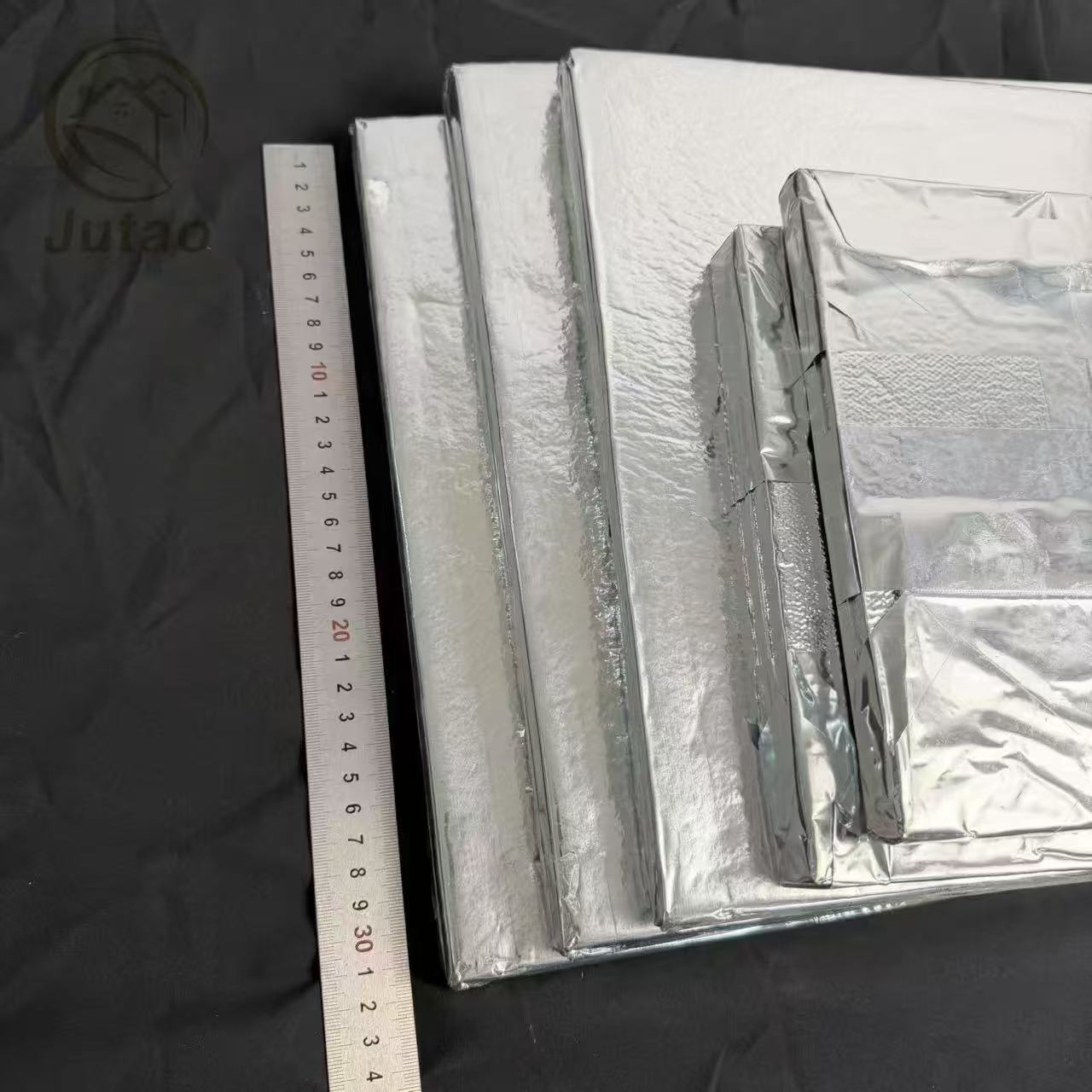
What Happens If VIP Panel Is Damaged?
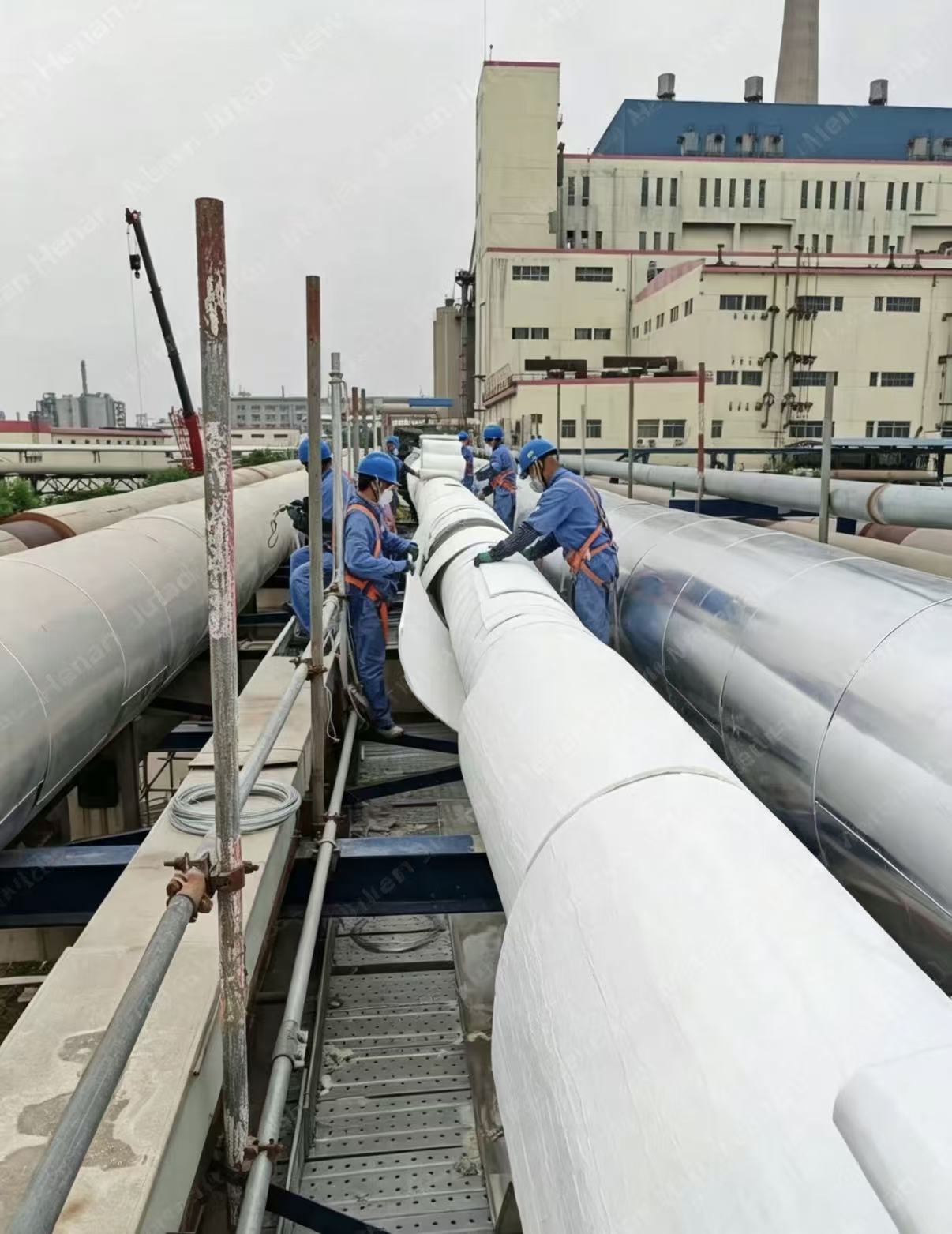
Custom China Aerogel Board How Can Aerogel Insulation Gaskets Improve Equipment Efficiency?
Aerogel Insulation Gaskets: A High-Performance Solution for Improving Equipment Efficiency
In industrial manufacturing, electronics, energy, and new energy applications, efficient equipment operation depends heavily on effective temperature management and minimizing energy loss. Aerogel insulation gaskets are gaining attention as a high-performance thermal insulation solution because of their low thermal conductivity, lightweight structure, flexibility, and excellent insulation performance.
By reducing unwanted heat transfer, stabilizing operating temperatures, minimizing thermal stress, and allowing thinner insulation designs, aerogel insulation gaskets can help improve equipment efficiency and reliability in demanding applications.
- Reduce Heat Loss and Improve Energy Efficiency
One of the key advantages of aerogel insulation is its extremely low thermal conductivity. Silica aerogel-based insulation products can typically achieve thermal conductivity in the range of approximately 0.013–0.020 W/(m·K), depending on material composition, density, temperature, and product structure.
Compared with conventional insulation materials, aerogel-based gaskets can provide excellent thermal resistance with a relatively thin profile. When installed around heat-generating components, pipes, flanges, valves, or other high-temperature areas, they help reduce unwanted heat transfer to surrounding components.
For industrial equipment, reducing heat loss means less energy may be required to maintain the desired operating temperature. This can contribute to lower heating or cooling demand and improved overall energy utilization.
- Maintain Stable Operating Temperatures
Temperature stability is critical for many industrial and electronic systems. Excessive temperature fluctuations can affect equipment performance, accelerate material aging, and increase the risk of thermal-related failures.
Aerogel insulation gaskets act as thermal barriers between components with different temperature levels. They can help limit heat transfer and reduce local temperature variations, making them suitable for applications where temperature control is important.
In battery systems, power electronics, industrial equipment, and thermal management assemblies, aerogel insulation materials can also provide an additional thermal barrier between heat-sensitive components. This helps improve thermal management and supports more stable equipment operation.
- Reduce Thermal Stress and Extend Component Service Life
Repeated heating and cooling cycles can cause thermal expansion and contraction in equipment components. Over time, these temperature changes may generate thermal stress, deformation, material fatigue, or premature component failure.
By limiting heat transfer between high-temperature and temperature-sensitive components, aerogel insulation gaskets can help reduce excessive temperature differences within an assembly.
This is particularly valuable in industrial equipment exposed to continuous high temperatures or frequent thermal cycling. Better temperature management can reduce thermal stress on surrounding components and potentially contribute to longer service life and lower maintenance requirements.
- Achieve Effective Insulation with Less Thickness
Another important advantage of aerogel insulation is its ability to provide high thermal resistance in a relatively thin layer.
Traditional insulation materials often require greater thickness to achieve the required thermal performance. Aerogel-based insulation can achieve comparable insulation performance with a thinner design, depending on the application and required temperature range.
This makes aerogel insulation gaskets especially attractive for equipment where installation space is limited.
In battery packs, electronic equipment, industrial machinery, pipelines, and compact thermal management systems, thinner insulation can help engineers optimize internal layouts while maintaining the required thermal protection.
- Lightweight Design for Modern Equipment
Aerogel is also known for its low density compared with many conventional insulation materials. When incorporated into flexible insulation sheets, pads, or gaskets, it can provide thermal protection without adding significant weight to the overall system.
This characteristic is particularly useful in applications where both thermal performance and weight reduction are important, such as electric vehicles, aerospace equipment, portable electronics, and high-performance industrial systems.
Applications of Aerogel Insulation Gaskets
Because of their combination of thermal insulation performance, lightweight construction, and thin-profile design, aerogel insulation gaskets can be considered for a wide range of applications, including:
* Industrial machinery and equipment
* High-temperature pipelines and valves
* Flanges and connection areas
* Battery thermal management systems
* EV and energy storage systems
* Power electronics and electrical equipment
* HVAC and thermal management systems
* Chemical processing equipment
* Oil and gas equipment
* Aerospace and transportation equipment
The appropriate aerogel insulation gasket structure should be selected according to the operating temperature, compression requirements, mechanical conditions, thickness limitations, and installation environment of the specific application.
Conclusion
Aerogel insulation gaskets provide more than basic thermal protection. By reducing heat transfer, supporting temperature stability, minimizing thermal stress, and enabling thinner insulation designs, they can contribute to more efficient, reliable, and compact equipment.
As industries continue to pursue higher energy efficiency, improved thermal management, and lightweight equipment design, aerogel insulation gaskets are becoming an increasingly valuable material solution for demanding industrial and engineering applications.
For projects requiring customized dimensions, thicknesses, temperature resistance, or insulation performance, aerogel insulation gasket solutions can be developed according to specific equipment and application requirements.
Jutao Environmental Technology — Specialists in Aerogel Material Solutions
Stay connected with us for the latest updates, industry insights and application solutions in the aerogel sector.
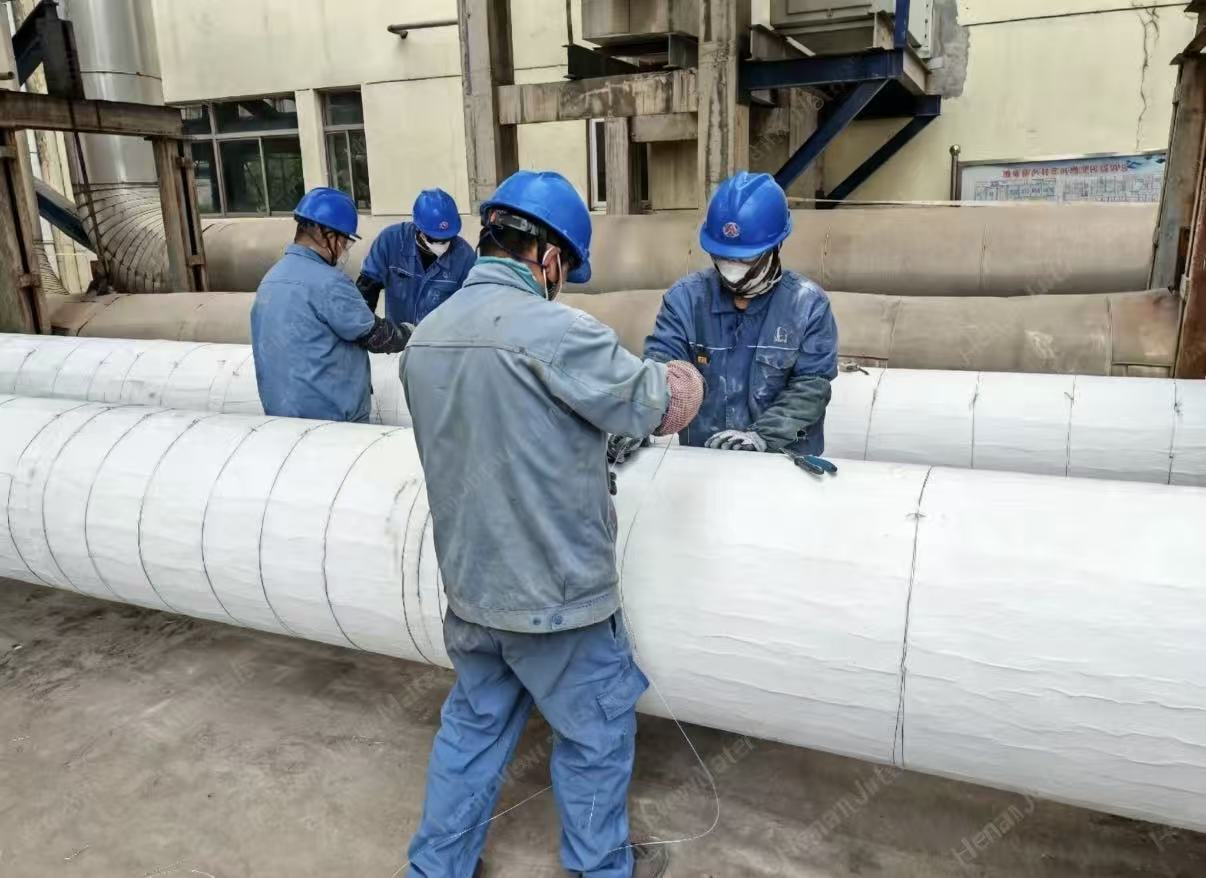
Flexible Aerogel Factory Aerogel Insulation Gaskets for Industrial Equipment: Applications and Key Benefits
Industrial equipment operating at high temperatures requires reliable thermal insulation to improve energy efficiency, protect components, and maintain stable operating conditions. Traditional insulation materials such as fiberglass, ceramic fiber, and calcium silicate can provide effective thermal protection, but they may require greater thickness and space, particularly in applications where compact insulation is important.
Aerogel insulation gaskets offer an advanced alternative. By combining the extremely low thermal conductivity of aerogel with a flexible gasket structure, these insulation components can provide efficient thermal protection in areas where conventional insulation materials may be difficult to install or maintain.
- Key Features of Aerogel Insulation Gaskets
Aerogel is a highly porous material with a three-dimensional nanoscale structure. Its unique pore structure significantly limits heat transfer through solid conduction and gas convection, resulting in excellent thermal insulation performance.
Depending on the formulation, reinforcement, thickness, and operating conditions, aerogel insulation products can achieve very low thermal conductivity, while maintaining a lightweight and compact structure.
Key advantages include:
* Excellent thermal insulation: Low thermal conductivity helps reduce heat transfer and energy loss.
* Lightweight construction: Aerogel-based materials can reduce the weight and thickness of insulation systems.
* High-temperature resistance: Selected aerogel composites can be designed for demanding high-temperature industrial applications.
* Fire-resistant properties: Inorganic aerogel-based products can provide excellent resistance to heat and flame when properly engineered.
* Chemical stability: Suitable formulations can offer good resistance to many industrial environments.
* Flexible installation: Gasket-type designs can be customized to match different equipment shapes and connection areas.
* Space saving: High insulation performance in a relatively thin profile makes aerogel suitable for compact equipment and confined spaces.
- Applications in Industrial Equipment
2.1 Oil and Gas and Petrochemical Equipment
Oil refining and petrochemical facilities contain numerous high-temperature pipes, valves, flanges, reactors, and tanks where heat loss and thermal exposure can affect equipment performance.
Aerogel insulation gaskets can be used around:
* High-temperature pipe connections
* Valves and flanges
* Reactor components
* Heat exchangers
* Storage tanks
* Equipment access points and removable insulation sections
Compared with conventional bulky insulation systems, aerogel-based gaskets can provide thermal protection while occupying less installation space. Their compact structure is particularly useful around irregular equipment geometries and components that require regular inspection or maintenance.
2.2 Power Generation and Electrical Equipment
Thermal management is also important in power generation and electrical equipment. Excessive heat can accelerate material aging and reduce the service life of insulation and surrounding components.
Potential applications include:
* Transformer thermal protection
* Switchgear insulation
* Busbar thermal barriers
* Cable connection protection
* Generator components
* High-temperature electrical enclosures
When properly specified for the electrical system, aerogel insulation materials can help limit heat transfer and protect temperature-sensitive components from nearby heat sources.
2.3 Metallurgical and High-Temperature Equipment
Steel mills and other metallurgical facilities operate under extremely demanding thermal conditions. Furnaces, casting equipment, and steel-processing machinery are exposed to high temperatures and repeated thermal cycles.
Aerogel insulation gaskets can be incorporated into:
* Furnace doors and access panels
* High-temperature equipment joints
* Continuous casting equipment
* Steel-processing machinery
* Thermal barriers around hot components
By reducing heat transfer, the insulation layer can help improve thermal stability, reduce heat loss, and protect surrounding components from excessive thermal exposure.
2.4 New Energy Equipment
Battery manufacturing, fuel cells, photovoltaic systems, and other new-energy technologies require increasingly precise thermal management.
Aerogel insulation gaskets and sheets can be considered for applications such as:
* Lithium-ion battery manufacturing equipment
* Electrode drying systems
* Battery thermal barriers
* Fuel cell systems
* Inverters and electrical enclosures
* Photovoltaic power equipment
In battery-related applications, aerogel-based insulation is especially attractive where lightweight construction, thermal protection, and limited installation space are important design considerations.
2.5 Precision and Advanced Manufacturing Equipment
Temperature stability is critical in many precision manufacturing processes. Semiconductor, laboratory, analytical, and high-temperature processing equipment often requires insulation around heating elements and thermal zones.
Potential applications include:
* Laboratory heating equipment
* High-temperature reactors
* Semiconductor processing equipment
* Heating modules
* Thermal chambers
* Precision temperature-control systems
The thin and lightweight structure of aerogel insulation can help engineers design compact thermal-management systems while maintaining effective insulation around critical components.
- Why Choose Aerogel Insulation for Industrial Equipment?
The main value of aerogel insulation is not simply its low thermal conductivity. Its advantage comes from the combination of thermal performance, low weight, compact thickness, and application flexibility.
For industrial equipment manufacturers and engineering contractors, these characteristics can provide several practical benefits:
Reduced Heat Loss
Effective insulation helps reduce unnecessary heat transfer from high-temperature equipment, potentially lowering energy consumption and improving overall system efficiency.
Improved Equipment Protection
By limiting heat exposure, insulation can help protect temperature-sensitive components, seals, cables, coatings, and structural parts from excessive thermal stress.
Compact Equipment Design
Aerogel insulation can provide high thermal resistance in a relatively thin structure, making it suitable for equipment where installation space is limited.
Easier Maintenance
Gasket-shaped insulation components can be designed for specific flanges, joints, pipes, and equipment interfaces, allowing easier installation, removal, and replacement compared with some traditional insulation systems.
Customized Solutions
Industrial equipment rarely has a one-size-fits-all geometry. Aerogel insulation gaskets can be manufactured in customized dimensions, thicknesses, shapes, and reinforcement structures according to application requirements.
- Future Development of Aerogel Insulation Gaskets
As industrial equipment becomes more compact, energy-efficient, and automated, thermal management requirements are becoming increasingly demanding.
Future aerogel insulation products are expected to focus on:
* Composite structures combining aerogel with fibers, fabrics, or other reinforcement materials
* Customized geometries designed for specific industrial components
* Improved mechanical strength for demanding installation environments
* Higher temperature resistance for advanced industrial applications
* Lower production costs through manufacturing scale and process optimization
* Application-specific formulations for oil and gas, power generation, battery manufacturing, aerospace, and other industries
These developments will help expand the use of aerogel insulation from conventional thermal insulation systems to more specialized thermal-management applications.
Conclusion
Aerogel insulation gaskets provide an efficient and flexible solution for thermal protection in industrial equipment. Their combination of low thermal conductivity, lightweight construction, compact thickness, and customizable design makes them suitable for a wide range of applications, including petrochemical equipment, power systems, metallurgical machinery, new-energy equipment, and precision manufacturing systems.
For equipment manufacturers, engineering companies, and industrial insulation contractors, selecting the appropriate aerogel insulation structure and performance grade can help reduce heat loss, protect critical components, optimize installation space, and improve the overall thermal-management performance of industrial systems.
As demand for energy efficiency and advanced thermal management continues to grow, aerogel insulation gaskets are expected to play an increasingly important role in modern industrial equipment.
Jutao Environmental Technology — Specialists in Aerogel Material Solutions
Stay connected with us for the latest updates, industry insights and application solutions in the aerogel sector.

Custom China Aerogel Panels Why Are Aerogel Insulation Gaskets Suitable for Extreme Environments?
Aerogel Insulation Gaskets: High-Performance Thermal Protection for Extreme Conditions
Extreme operating environments often involve high temperatures, cryogenic conditions, vacuum, high pressure, corrosive media, or rapid temperature fluctuations. Under these demanding conditions, conventional insulation materials may experience thermal degradation, cracking, deformation, moisture absorption, or reduced mechanical stability.
Aerogel insulation gaskets offer an advanced alternative. With their highly porous nanostructure, low thermal conductivity, lightweight design, and excellent thermal stability, aerogel-based insulation materials can provide reliable thermal protection for demanding industrial applications.
- High-Temperature Applications: An Effective Thermal Barrier
High-temperature applications such as industrial furnaces, thermal processing equipment, exhaust systems, and aerospace components require insulation materials that can withstand elevated temperatures while minimizing heat transfer.
Silica aerogel is particularly attractive because of its inorganic structure and excellent thermal stability. Its nanoporous network significantly reduces heat transfer through both solid conduction and gas-phase conduction.
With thermal conductivity typically in the range of approximately 0.013–0.025 W/(m·K), silica aerogel can provide excellent insulation performance with a relatively thin material layer.
When incorporated into gasket or sheet structures, aerogel insulation can help reduce heat transfer between components, protect temperature-sensitive parts, and improve thermal management efficiency.
- Cryogenic Applications: Reliable Thermal Insulation at Low Temperatures
Cryogenic systems, LNG equipment, liquid nitrogen storage, superconducting devices, and low-temperature processing equipment require insulation capable of minimizing heat leakage under extremely low temperatures.
Aerogel-based insulation materials have very low thermal conductivity, helping reduce heat transfer from the surrounding environment into cryogenic systems.
Flexible aerogel composites can also be engineered for applications where thermal cycling and limited installation space are important considerations. Compared with some conventional foam materials that may become brittle at low temperatures, properly designed aerogel composites can provide better dimensional stability and adaptability.
This makes aerogel insulation gaskets suitable for selected cryogenic equipment, pipelines, valves, flanges, and thermal-management systems.
- Vacuum Applications: Minimizing Thermal Transfer in Low-Pressure Environments
Vacuum environments present different thermal-management challenges because convection is greatly reduced and radiation becomes increasingly important.
Aerogel’s nanoporous structure can effectively reduce conductive heat transfer. Depending on the formulation and composite structure, aerogel materials can also be engineered to reduce radiative heat transfer.
For aerospace and vacuum equipment, material selection is particularly important. Low outgassing, dimensional stability, temperature resistance, and compatibility with the surrounding components should all be evaluated according to the specific operating conditions.
Aerogel insulation materials can therefore be considered for thermal protection in aerospace equipment, vacuum systems, scientific instruments, and other specialized environments.
- High-Pressure Applications: Lightweight Thermal Protection
High-pressure environments such as subsea equipment, pressure vessels, and specialized industrial systems require insulation materials with both thermal and mechanical stability.
Pure aerogel is extremely lightweight but can be mechanically fragile. For engineering applications, fiber reinforcement or composite structures can significantly improve handling strength, compression resistance, and dimensional stability.
Fiber-reinforced aerogel insulation gaskets can combine low thermal conductivity with improved mechanical performance, making them more suitable for demanding applications where both insulation and structural stability are required.
The lightweight nature of aerogel-based materials is also beneficial where reducing the overall weight of insulation systems is an important design objective.
- Corrosive Environments: Thermal Insulation for Chemical Processing
Chemical processing equipment, pipelines, tanks, and industrial machinery may be exposed to moisture, salt spray, acids, alkalis, and other aggressive media.
Silica-based aerogel is an inorganic material with good chemical and thermal stability. However, the actual corrosion resistance of an aerogel insulation gasket depends on its complete formulation, reinforcement material, surface treatment, binder, and protective layer.
For this reason, material compatibility should always be verified against the specific chemical medium and operating temperature before installation.
When properly engineered and protected, aerogel insulation gaskets can provide an effective thermal insulation solution for chemical processing equipment and other harsh industrial environments.
Why Choose Aerogel Insulation Gaskets for Extreme Conditions?
The key advantage of aerogel insulation is not simply its low thermal conductivity. Its value comes from the combination of several properties:
* Low thermal conductivity for efficient heat-loss reduction
* Excellent thermal stability for demanding temperature conditions
* Lightweight structure for weight-sensitive applications
* Thin insulation design where installation space is limited
* Flexible composite options for complex equipment and component geometries
* Good dimensional stability when properly reinforced and engineered
* Wide application potential across industrial, energy, aerospace, transportation, and thermal-management sectors
Applications of Aerogel Insulation Gaskets
Depending on the product formulation and performance requirements, aerogel insulation gaskets can be used in:
* Industrial furnaces and thermal processing equipment
* Heat exchangers and pipelines
* Valves, flanges, and pipe connections
* LNG and cryogenic equipment
* Aerospace and aviation thermal management
* Battery thermal management systems
* Chemical processing equipment
* High-temperature exhaust systems
* Vacuum and specialized thermal-control equipment
Conclusion
Extreme environments place higher demands on insulation materials. Conventional insulation may not always provide the required combination of thermal performance, thickness, flexibility, mechanical stability, and temperature resistance.
Aerogel insulation gaskets utilize advanced nanoporous materials and composite reinforcement technologies to deliver efficient thermal protection in demanding operating conditions. Their combination of low thermal conductivity, lightweight construction, thermal stability, and flexible design makes them a promising solution for industrial thermal management.
As aerogel technology continues to evolve, reinforced aerogel composites and customized insulation gasket solutions are expected to find broader applications in aerospace, energy, chemical processing, cryogenic systems, transportation, and advanced manufacturing.
For projects requiring customized aerogel insulation gaskets, material composition, operating temperature, pressure, chemical exposure, compression requirements, dimensions, and installation conditions should be evaluated together to select the appropriate insulation solution.
Jutao Environmental Technology — Specialists in Aerogel Material Solutions
Stay connected with us for the latest updates, industry insights and application solutions in the aerogel sector.
Custom China Aerogel Panels What Are the Advantages of Aerogel Insulation Gaskets in High-Temperature Applications?
High-temperature operating conditions are common in industries such as metallurgy, chemical processing, energy, aerospace, automotive manufacturing, and industrial equipment. Applications including molten metal processing, high-temperature reactors, engine components, exhaust systems, and thermal processing equipment all require reliable insulation to control heat transfer and maintain equipment performance.
Traditional insulation materials such as ceramic fiber, rock wool, and calcium silicate can provide basic thermal protection. However, they may require relatively large thicknesses and can experience performance degradation under prolonged thermal cycling or extreme temperatures.
Aerogel insulation gaskets provide an advanced alternative. Combining a highly porous nanostructure with low thermal conductivity, lightweight construction, and flexible composite designs, aerogel-based gaskets can deliver efficient thermal insulation in demanding high-temperature environments.
- Extremely Low Thermal Conductivity for Efficient Heat Blocking
The outstanding thermal insulation performance of aerogel comes primarily from its nanoporous structure. The pores are extremely small, which significantly suppresses gas-phase heat transfer and reduces the effective paths for solid heat conduction.
Silica aerogel can achieve very low thermal conductivity at ambient temperature, while properly engineered aerogel composites can maintain relatively low thermal conductivity as operating temperatures increase.
Compared with conventional insulation materials, aerogel insulation gaskets can provide a higher thermal resistance within a much thinner layer. This helps reduce heat loss from high-temperature equipment and can also lower the temperature of adjacent components and surrounding surfaces.
For industrial equipment, this means better thermal management, reduced energy loss, and improved operating efficiency.
- Excellent High-Temperature Stability
High-temperature insulation must maintain its structure and thermal performance over long operating periods. Some conventional insulation materials may experience shrinkage, sintering, embrittlement, or other forms of degradation after prolonged exposure to elevated temperatures.
Aerogel insulation systems can be engineered for high-temperature applications by selecting appropriate aerogel chemistry, reinforcement fibers, binders, and surface treatments.
Silica-based aerogels are widely used for thermal insulation, while alumina and other high-temperature ceramic aerogel systems can be considered for applications requiring higher service temperatures.
The actual maximum operating temperature depends on the aerogel formulation, reinforcement system, atmosphere, thermal cycling conditions, and gasket construction. Therefore, selecting the appropriate grade according to the actual working temperature is essential.
- Lightweight Construction
Weight reduction is another important advantage of aerogel-based insulation.
Aerogel materials typically have a much lower density than many traditional ceramic insulation systems. When used as a thin insulation gasket, they can reduce the overall weight of an insulation assembly while maintaining effective thermal resistance.
This is particularly valuable in:
* Aerospace and aviation equipment
* Automotive exhaust systems
* Battery and energy systems
* High-temperature machinery
* Portable industrial equipment
* Space-constrained thermal management systems
Lower insulation weight can simplify installation and reduce the mechanical load placed on supporting structures.
- Thin and Space-Saving Design
One of the most significant advantages of aerogel insulation is its ability to provide high thermal resistance in a relatively thin profile.
In applications where installation space is limited, conventional insulation may require a thick layer to achieve the required thermal performance. Aerogel-based gaskets can achieve comparable thermal protection with less material thickness, depending on the specific application and temperature conditions.
This thin-profile design can help engineers:
* Reduce equipment insulation thickness
* Save valuable installation space
* Improve component integration
* Support more compact equipment designs
* Protect nearby temperature-sensitive components
For industrial equipment and thermal management systems where space is a critical design factor, this can provide a major engineering advantage.
- Flexible and Adaptable Composite Structure
Pure aerogel can be relatively brittle. For practical industrial applications, aerogel is therefore commonly combined with reinforcing fibers or other substrates to create flexible insulation blankets, sheets, pads, and gaskets.
Fiber-reinforced aerogel insulation can offer improved handling strength and better resistance to thermal cycling, vibration, and installation stresses.
This makes aerogel insulation gaskets suitable for applications where equipment experiences:
* Thermal expansion and contraction
* Mechanical vibration
* Repeated heating and cooling
* Limited installation space
* Complex component geometries
The exact mechanical performance depends on the reinforcement material and gasket construction, so the product should be selected according to the actual mechanical requirements.
- Good Chemical and Environmental Resistance
High-temperature equipment may also be exposed to moisture, chemicals, process gases, oils, or other aggressive operating environments.
Silica-based aerogel materials generally provide good chemical stability, although their resistance depends on the specific chemical environment. For example, silica is susceptible to attack by hydrofluoric acid, so material compatibility must be evaluated before use in highly corrosive environments.
Properly engineered aerogel insulation gaskets can therefore provide both thermal protection and material stability in a wide range of industrial applications.
For demanding environments, manufacturers can select different aerogel compositions, reinforcement materials, and surface treatments to meet specific application requirements.
- Suitable for a Wide Range of High-Temperature Applications
The combination of low thermal conductivity, lightweight construction, thin profile, and high-temperature capability makes aerogel insulation gaskets suitable for many industrial applications.
Typical applications include:
Automotive and Transportation
Aerogel gaskets and insulation components can be used around exhaust systems, turbochargers, engine compartments, and other high-temperature components to reduce heat transfer to surrounding parts.
Chemical and Process Equipment
Aerogel insulation can be applied to high-temperature reactors, pipes, valves, flanges, and thermal processing equipment to reduce heat loss and protect adjacent components.
Metallurgy
High-temperature insulation solutions can be used around furnaces, molten-metal processing equipment, heat-treatment systems, and other equipment exposed to extreme thermal conditions.
Energy and Battery Systems
Aerogel-based thermal insulation can help control heat transfer in energy storage systems, battery components, and other applications where thermal management and space efficiency are important.
Aerospace
The lightweight and high-performance characteristics of aerogel make it attractive for aerospace thermal management, where insulation performance must be balanced against weight and available space.
- Supporting Energy Efficiency and Equipment Protection
The value of an aerogel insulation gasket is not limited to simply reducing temperature.
By controlling heat transfer, the material can help maintain more stable operating temperatures, reduce unnecessary heat loss, protect temperature-sensitive components, and improve overall thermal management.
For industrial manufacturers and equipment operators, these benefits can contribute to:
* Reduced energy consumption
* Improved thermal efficiency
* Better component protection
* Lower surface temperatures
* Reduced insulation thickness
* Easier installation in confined spaces
* Potentially lower maintenance requirements
The actual energy savings and service life depend on the equipment design, operating temperature, insulation thickness, installation method, and environmental conditions.
How to Select the Right Aerogel Insulation Gasket?
When purchasing aerogel insulation gaskets for high-temperature applications, thermal conductivity should not be the only consideration.
A reliable selection process should also evaluate:
- Operating temperature – Determine both continuous and peak temperatures.
- Thermal conductivity – Check performance at the actual operating temperature rather than relying only on room-temperature data.
- Material composition – Silica, alumina, and other aerogel systems have different temperature capabilities.
- Thickness and dimensions – Match the gasket to the available installation space and required thermal resistance.
- Mechanical requirements – Consider compression, vibration, thermal cycling, and installation conditions.
- Chemical compatibility – Confirm compatibility with gases, liquids, oils, and other process media.
- Reinforcement structure – Fiber-reinforced constructions can provide better handling and mechanical performance.
- Testing and certification – Request technical data sheets, thermal conductivity data, temperature ratings, and relevant test reports from the supplier.
Conclusion
Aerogel insulation gaskets offer a high-performance approach to thermal management in demanding high-temperature environments. Their nanoporous structure provides low thermal conductivity, while their lightweight and thin-profile design helps engineers achieve efficient insulation without significantly increasing equipment size or weight.
With appropriate material selection and engineering design, aerogel insulation gaskets can be used in automotive, chemical processing, metallurgy, energy, aerospace, and other high-temperature applications.
As aerogel manufacturing technology continues to develop, these advanced insulation materials are expected to play an increasingly important role in energy efficiency, equipment protection, thermal management, and high-temperature industrial applications.
Jutao Environmental Technology — Specialists in Aerogel Material Solutions
Stay connected with us for the latest updates, industry insights and application solutions in the aerogel sector.

What Is Aerogel Material? A Complete Guide for Buyers
China Custom Vacuum Panels Advantages of Aerogel Insulation Gaskets in High-Temperature Environments
High-temperature insulation is critical in industries such as metallurgy, chemical processing, energy, automotive manufacturing, and aerospace. Equipment operating under extreme temperatures can experience significant heat loss, thermal stress, and energy consumption if adequate insulation is not provided.
Aerogel insulation gaskets are attracting increasing attention as a high-performance insulation solution. With their nanoporous structure, low thermal conductivity, lightweight design, and excellent thermal stability, aerogel-based gaskets can provide efficient thermal protection in demanding high-temperature applications.
- Extremely Low Thermal Conductivity for Efficient Heat Insulation
One of the key advantages of aerogel insulation gaskets is their exceptionally low thermal conductivity.
Silica aerogel contains a highly porous nanoscale structure that limits gas-phase heat transfer and reduces the pathways for solid conduction. As a result, aerogel materials can provide significantly better thermal insulation performance than many conventional insulation materials.
In high-temperature applications, this property helps reduce heat transfer from hot surfaces to surrounding components. By minimizing thermal losses, aerogel insulation gaskets can contribute to improved energy efficiency and better temperature control.
This makes them suitable for applications such as:
* High-temperature industrial equipment
* Furnace and kiln components
* Chemical processing equipment
* Exhaust systems
* Thermal protection systems
* High-temperature pipelines
- Excellent High-Temperature Stability
High-temperature insulation materials must maintain their structural integrity and thermal performance during prolonged exposure to heat.
Silica-based and other inorganic aerogel systems can offer good thermal stability when properly formulated for the intended operating temperature. Depending on the composition, reinforcement and manufacturing process, different aerogel products can be designed for different temperature ranges.
Compared with some conventional insulation materials that may shrink, sinter, or experience performance degradation at elevated temperatures, properly engineered aerogel insulation gaskets can maintain effective thermal protection over extended operating periods.
For this reason, aerogel gaskets are increasingly considered for demanding thermal management applications where long-term reliability is important.
- Lightweight Design Reduces Equipment Weight
Aerogel is well known for its low density.
Compared with many traditional insulation materials, aerogel-based insulation products can achieve high thermal resistance without adding significant weight. This is particularly valuable in applications where weight reduction is an important design requirement.
For example, in automotive, aerospace and other transportation applications, lightweight insulation can help reduce the overall weight of thermal protection systems while maintaining effective insulation performance.
In addition, lightweight gasket materials are easier to handle, install and replace, which can help simplify maintenance operations.
- Flexible and Adaptable to Complex High-Temperature Applications
Pure aerogel can be relatively fragile, but commercial aerogel insulation gaskets are typically reinforced or combined with fibers and other materials to improve mechanical strength and handling characteristics.
Fiber-reinforced aerogel gaskets can better adapt to practical installation requirements and thermal cycling. They can also be designed in different thicknesses, dimensions and shapes according to equipment geometry.
This makes them suitable for applications involving:
* Thermal expansion and contraction
* Mechanical vibration
* Limited installation space
* Irregular equipment surfaces
* Repeated heating and cooling cycles
The combination of aerogel insulation and reinforcement technology allows manufacturers to balance thermal performance with mechanical durability.
- Good Chemical and Environmental Resistance
High-temperature equipment may also be exposed to moisture, gases, chemicals, dust and other harsh environmental conditions.
Inorganic aerogel materials, particularly silica-based systems, generally offer good chemical stability in many industrial environments. Their resistance to many common chemicals can help maintain insulation performance during long-term operation.
However, chemical compatibility should always be evaluated according to the specific medium, concentration and operating temperature before selecting an aerogel gasket.
This is particularly important in chemical processing, energy, metallurgy and industrial thermal equipment.
- Thin Insulation Saves Valuable Installation Space
Another important advantage of aerogel insulation is its ability to provide high thermal resistance with relatively low thickness.
In applications where installation space is limited, replacing a thicker conventional insulation layer with a thinner high-performance aerogel insulation gasket can help reduce the overall size of the thermal protection system.
This is especially useful for:
* Compact industrial equipment
* Automotive exhaust systems
* Battery thermal management
* Chemical processing equipment
* High-temperature pipes and valves
* Electronic and electrical components
A thinner insulation structure can also provide greater design flexibility and make equipment integration easier.
- Non-Asbestos and Environmentally Responsible Insulation Solution
Modern industrial insulation increasingly requires materials that meet environmental, safety and regulatory requirements.
Aerogel insulation gaskets can be manufactured using inorganic and non-asbestos materials, helping reduce concerns associated with hazardous traditional insulation materials.
Depending on the specific product formulation and manufacturing process, aerogel insulation products can be designed to meet relevant environmental and regulatory requirements. For international projects, buyers should request appropriate material safety data, test reports and compliance documentation from suppliers.
Applications of Aerogel Insulation Gaskets
Thanks to their combination of thermal performance, lightweight construction and compact design, aerogel insulation gaskets can be used across a wide range of industries.
Typical applications include:
* Industrial furnaces and kilns
* Metallurgical equipment
* Chemical reactors and processing systems
* Oil and gas pipelines
* Automotive exhaust systems
* Battery thermal management
* Power generation equipment
* Aerospace thermal protection
* High-temperature valves and flanges
* Heat-resistant equipment and components
The exact material composition and temperature rating should be selected according to the operating temperature, pressure, chemical environment, mechanical requirements and installation conditions.
Why Choose Aerogel Insulation Gaskets?
For high-temperature applications, insulation performance is not determined by thermal conductivity alone. Material stability, thickness, weight, mechanical properties and environmental resistance also play important roles.
Aerogel insulation gaskets combine several of these advantages in a compact material solution:
* Low thermal conductivity for efficient heat insulation
* High-temperature stability for demanding thermal environments
* Lightweight construction for easier installation and reduced system weight
* Thin-profile design for space-constrained applications
* Fiber-reinforced structures for improved mechanical handling
* Good chemical stability for many industrial environments
* Non-asbestos options for modern insulation requirements
Conclusion
Aerogel insulation gaskets are becoming an important high-performance insulation option for high-temperature industrial applications. Their nanoporous structure enables efficient thermal insulation while their lightweight and thin-profile characteristics provide greater flexibility in equipment design.
As aerogel manufacturing and reinforcement technologies continue to develop, aerogel insulation gaskets are expected to find broader applications in industrial energy saving, automotive thermal management, chemical processing, power generation, aerospace and other high-temperature industries.
For international buyers, the most suitable aerogel gasket should be selected based on actual operating temperature, required thermal conductivity, mechanical conditions, chemical exposure, thickness and service life requirements. Working with an experienced aerogel insulation manufacturer can help ensure that the material specification matches the actual application.
Jutao Environmental Technology — Specialists in Aerogel Material Solutions
Stay connected with us for the latest updates, industry insights and application solutions in the aerogel sector.
Aerogel Wall Manufacturer Why Can Aerogel Insulation Pads Improve Equipment Performance?
Aerogel Insulation Pads: An Efficient Solution for Equipment Thermal Management
In industrial manufacturing, electronics, new energy, automotive, aerospace, and precision instrumentation, temperature management has become an increasingly important factor affecting equipment performance and reliability. Excessive heat, frequent temperature fluctuations, and unwanted heat transfer between components can lead to energy loss, performance degradation, and premature aging.
With their unique nanoporous structure and low thermal conductivity, aerogel insulation pads provide a thin, lightweight, and highly efficient solution for equipment thermal management. By reducing unnecessary heat transfer, minimizing thermal interference, and helping maintain a more stable local temperature environment, aerogel insulation pads can improve equipment performance in several ways.
- Precise Temperature Control for Better Equipment Operation
The performance of many types of equipment is closely related to operating temperature. Electronic components, battery modules, sensors, and precision instruments may experience performance degradation or accelerated material aging when exposed to excessive heat or frequent temperature fluctuations.
Aerogel insulation pads can be used as a thermal barrier between heat sources and temperature-sensitive components, helping reduce unwanted heat transfer and control local temperature conditions. Thermal isolation between different functional areas can also minimize the impact of external temperature changes on critical components.
For applications such as electric vehicle batteries, electronic equipment, and industrial control systems, maintaining a more stable thermal environment can support consistent and reliable operation.
- Reduce Heat Loss and Improve Energy Efficiency
For industrial furnaces, refrigeration equipment, cold-chain transportation systems, and other applications that need to maintain a specific operating temperature, reducing heat loss is essential for improving energy efficiency.
Aerogel insulation pads feature low thermal conductivity and can reduce heat exchange between equipment and the surrounding environment. When applied to equipment interfaces, housings, pipe connections, or localized high-temperature areas, they can help minimize heat loss and reduce the energy required to maintain the desired temperature.
For industrial customers seeking to reduce energy consumption, aerogel insulation materials offer an efficient thermal insulation solution where installation space is limited.
- Minimize Thermal Interference and Improve Equipment Stability
Laboratory instruments, testing equipment, sensors, and electronic control systems can be highly sensitive to temperature variations. Localized temperature changes may affect component performance and, in some cases, influence measurement accuracy and overall equipment stability.
Aerogel insulation pads help create a more stable thermal environment by reducing heat conduction. When installed around temperature-sensitive components or between different heat zones, they can minimize thermal interference and help maintain more consistent operating conditions.
This makes aerogel insulation pads particularly suitable for electronics, industrial equipment, precision instruments, and other applications requiring effective thermal isolation.
- Thin and Lightweight Design for Space-Saving Applications
Traditional insulation materials may require relatively large thicknesses to achieve the desired thermal resistance. However, modern equipment increasingly requires compact structures, lightweight designs, and efficient use of internal space.
Aerogel materials combine low density with excellent thermal insulation performance, allowing effective thermal isolation within a relatively small installation area. Aerogel insulation pads are therefore suitable for applications such as electric vehicle batteries, electronic devices, aerospace equipment, and other products where weight and available space are critical considerations.
For equipment manufacturers, achieving efficient insulation in a limited space can help optimize product structures and provide greater flexibility for compact equipment design.
- Reduce Thermal Stress and Improve Equipment Reliability
Long-term exposure to high temperatures and repeated heating and cooling cycles can cause thermal expansion and contraction, increasing thermal stress within equipment and accelerating the aging of certain components and structures.
Aerogel insulation pads can reduce heat transfer between adjacent components and help minimize temperature fluctuations. This thermal isolation effect can help reduce the impact of temperature changes and thermal stress on equipment.
For industrial equipment, electronic products, and new energy systems that require long-term stable operation, aerogel insulation pads can provide additional support for overall system reliability.
Key Benefits of Aerogel Insulation Pads
Aerogel insulation pads are more than conventional thermal insulation materials. They provide a functional thermal management solution for modern equipment.
Their key advantages include:
* Low thermal conductivity to reduce unwanted heat transfer;
* Nanoporous structure for efficient thermal insulation;
* Thin profile for space-constrained applications;
* Lightweight construction to minimize additional equipment weight;
* Thermal isolation to reduce heat interference between components.
Today, aerogel insulation pads are used in a wide range of applications, including electric vehicle batteries, electronic equipment, industrial machinery, piping systems, precision instruments, and other thermal management applications.
As equipment continues to develop toward higher power density, compact structures, lightweight design, and greater reliability, aerogel insulation materials are expected to play an increasingly important role in thermal management, providing global industrial customers with more efficient and flexible insulation solutions.
Conclusion
Aerogel insulation pads improve equipment thermal management by reducing heat transfer, minimizing thermal interference, and helping maintain a more stable local temperature environment. For industrial applications requiring efficient insulation, limited installation space, lightweight construction, and reliable thermal management, aerogel insulation pads are a high-performance insulation solution worth considering.
Jutao Environmental Technology — Specialists in Aerogel Material Solutions
Stay connected with us for the latest updates, industry insights and application solutions in the aerogel sector.
Flexible Aerogel Factories Why Can Aerogel Insulation Pads Improve Equipment Efficiency?
The Core Mechanism and Applications of Aerogel Insulation Pads in Equipment Efficiency
In industrial manufacturing, electronics, new energy, chemical processing, and high-temperature equipment, system efficiency depends not only on the performance of core components, but also on effective heat loss control, temperature stability, space utilization, and long-term reliability.
Aerogel insulation pads are designed to provide efficient thermal barriers in critical areas of equipment. With their nanoporous structure, low thermal conductivity, lightweight design, and excellent thermal insulation performance, aerogel pads can help reduce unnecessary heat transfer and support more stable and efficient equipment operation.
- Ultra-Low Thermal Conductivity Helps Reduce Heat Loss
Aerogel features a unique nanoporous structure that effectively suppresses gas convection and solid-state heat transfer. Compared with conventional insulation materials, aerogel can provide high thermal resistance while maintaining a relatively thin profile.
For thermal equipment such as reactors, industrial pipelines, furnaces, and heating systems, effective insulation can reduce heat loss during operation. This allows heating systems to maintain the target temperature more efficiently and may help reduce unnecessary energy consumption.
Aerogel insulation pads are particularly suitable for localized thermal management around flanges, joints, interfaces, equipment housings, and areas between heat sources and temperature-sensitive components.
- Stable Operating Temperatures Improve Equipment Reliability
Many industrial and electronic systems require relatively stable operating temperatures.
When ambient temperatures fluctuate significantly or high-temperature areas exist inside equipment, heat can continuously transfer to surrounding components and potentially affect their normal operation.
Aerogel insulation pads can be customized according to equipment structures and installed between heat sources and components that require thermal protection. By creating an effective thermal barrier, they help reduce unwanted heat transfer and improve local temperature management.
In applications such as new energy batteries, electronic modules, power systems, and industrial control equipment, this localized thermal management capability can help protect surrounding components from excessive heat exposure.
- Reduced Temperature Gradients Help Minimize Thermal Stress
During continuous heating, cooling, or frequent start-up and shutdown cycles, significant temperature differences may develop between different components of equipment.
Long-term thermal expansion and contraction can place additional stress on metal structures, sealing materials, connectors, and electronic components, potentially affecting long-term equipment reliability.
Aerogel insulation pads can provide thermal isolation around critical areas, reducing the rate of heat transfer to non-target areas. This can help control local temperature differences and reduce the impact of thermal stress.
For industrial equipment designed for continuous operation, improved thermal management can contribute to more stable operation and potentially reduce maintenance requirements.
- Thin and Lightweight Design Supports Compact Equipment
In addition to thermal insulation performance, lightweight and thin-profile design is another important advantage of aerogel insulation materials.
Conventional insulation materials may require considerable thickness to achieve the desired thermal resistance. Aerogel insulation pads can provide effective thermal protection in relatively limited spaces.
This makes them suitable for applications including:
* New energy battery packs
* Electronic devices and power modules
* 5G and communication equipment
* Industrial machinery
* Pipes, valves, and flanges
* Automotive thermal management systems
* High-temperature equipment and furnaces
For space-constrained equipment, thin aerogel insulation pads can reduce the space occupied by insulation and provide greater flexibility for structural optimization and system integration.
- Typical Applications of Aerogel Insulation Pads
With their efficient thermal insulation capability and flexible form factor, aerogel insulation pads are increasingly used across various industries.
Industrial Equipment
Aerogel pads can be used around reactors, industrial furnaces, pipelines, flanges, valves, and heat-exchange equipment to reduce heat transfer and improve localized temperature control.
New Energy Vehicles
Aerogel insulation pads can be integrated into battery packs and thermal management systems to provide thermal isolation between cells, modules, and surrounding components.
Electronic Equipment
They can be used in servers, power modules, controllers, and other electronic systems to provide thermal protection for temperature-sensitive components located near heat sources.
Chemical and Energy Equipment
Aerogel insulation pads can be applied to high-temperature pipelines, tanks, equipment interfaces, and other areas where efficient thermal management is required.
Conclusion
The value of aerogel insulation pads goes beyond simply “providing insulation.” By reducing heat loss, improving temperature distribution, minimizing thermal stress, and saving valuable equipment space, aerogel materials can contribute to more efficient thermal management throughout an entire system.
For equipment manufacturers seeking energy efficiency, lightweight construction, compact designs, and long-term operational stability, aerogel insulation pads are becoming an increasingly attractive high-performance insulation solution.
With the right combination of material properties and equipment design, aerogel insulation pads can provide efficient thermal isolation within limited spaces, offering flexible insulation solutions for industrial equipment, new energy, electronics, and other high-performance applications.
Jutao Environmental Technology — Specialists in Aerogel Material Solutions
Stay connected with us for the latest updates, industry insights and application solutions in the aerogel sector.