



Company News










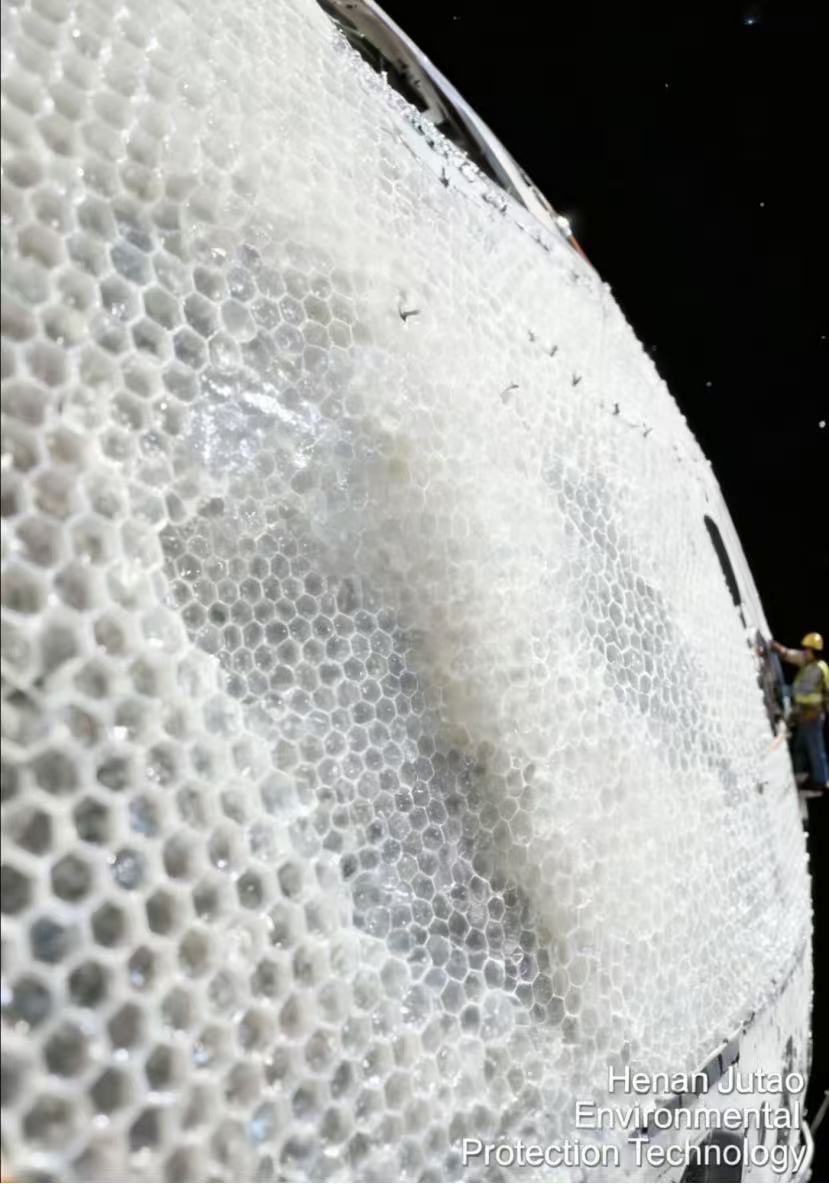
Aerogels – Advanced Thermal Insulation for Building Energy Efficiency, Aerospace and New Energy Systems
With the rapid advancement of materials science, aerogels have emerged as a groundbreaking insulation material. Owing to their exceptionally low thermal conductivity, ultralight weight, high strength and environmental compatibility, aerogels are increasingly applied in building energy conservation, aerospace engineering and new energy technologies. They effectively address thermal management challenges under extreme temperatures, improve energy efficiency and actively support global objectives for low-carbon and sustainable development.
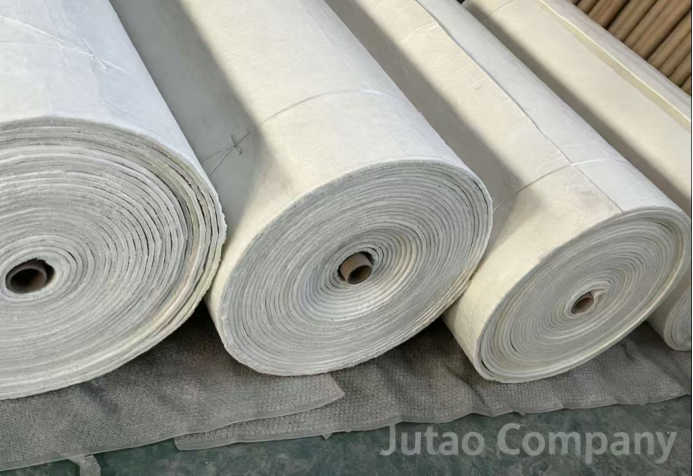
Aerogels — A New Chapter in Enhancing Energy Efficiency
As global energy demand continues to rise and environmental awareness grows, the construction industry—one of the major energy consumers—faces increasingly stringent requirements for energy conservation and emission reduction. Against this backdrop, aerogels have emerged as a high-performance, next-generation material that is playing an increasingly important role in improving building energy efficiency.
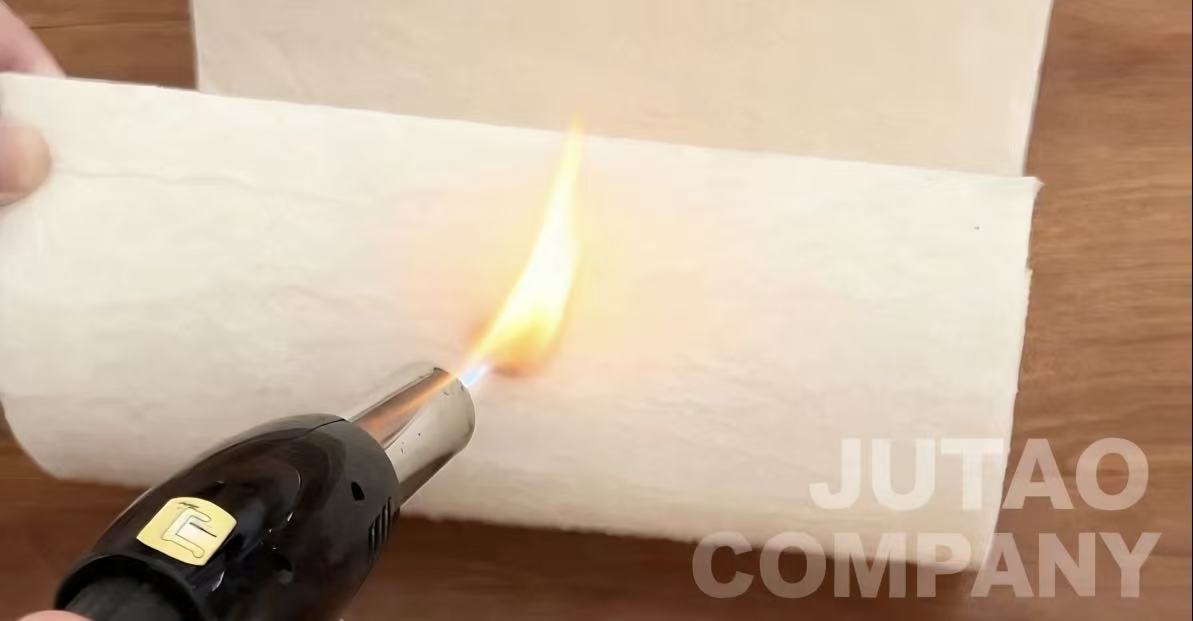
Applications of Aerogels in the Fire Protection Sector
In China’s current construction sector, external wall insulation mainly relies on organic materials such as extruded polystyrene (XPS), expanded polystyrene (EPS) and polyurethane foam (PU), as well as inorganic alternatives such as mineral wool and vitrified microbeads. Traditional organic insulation materials are generally flammable, whereas many inorganic materials have high density and are prone to losing insulation performance once they absorb moisture. This makes it difficult to simultaneously achieve both effective thermal insulation and fire resistance.
Against this challenge, researchers have increasingly proposed the use of aerogels as next-generation fire-resistant insulation materials.
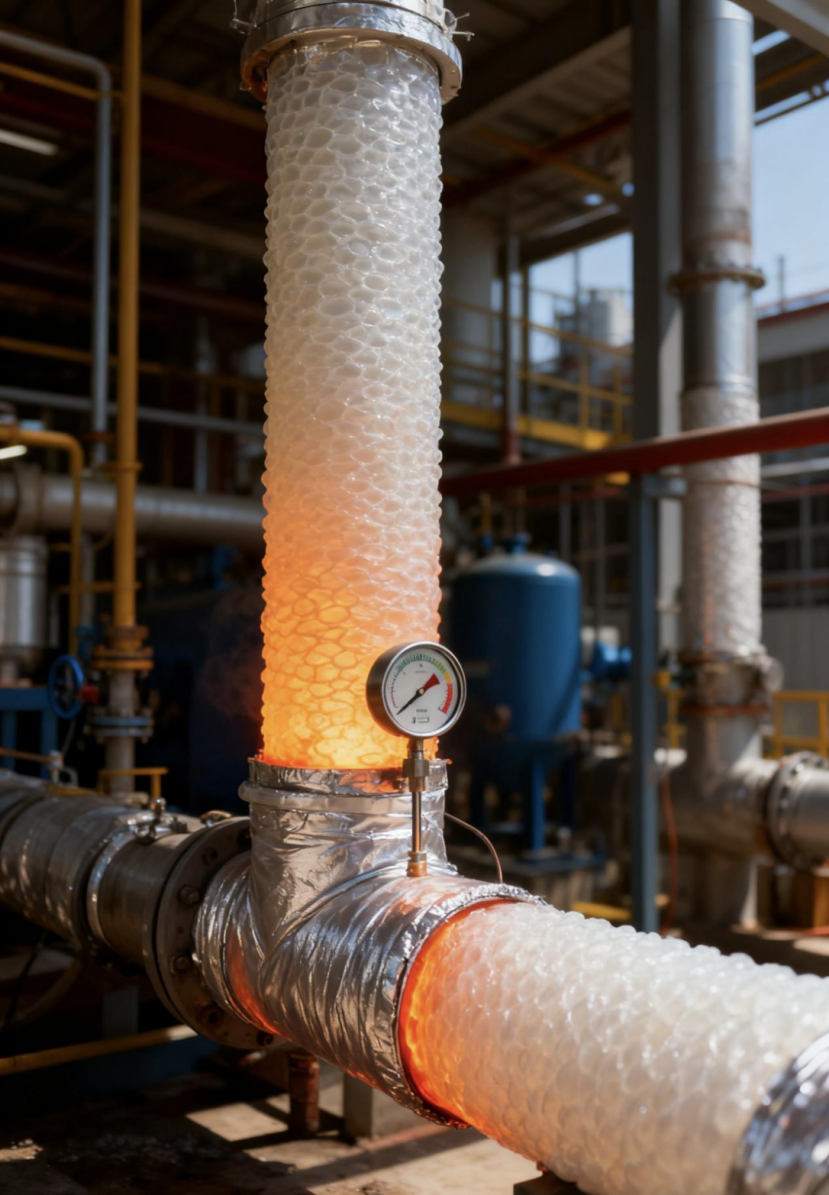
Aerogel – A Game-Changer for Thermal Pipeline Insulation
Aerogel insulation materials have become a focal point in the field of pipeline thermal protection. As a lightweight, highly porous and exceptionally efficient insulating material, aerogel offers outstanding thermal performance and is now widely applied in industrial pipeline insulation.
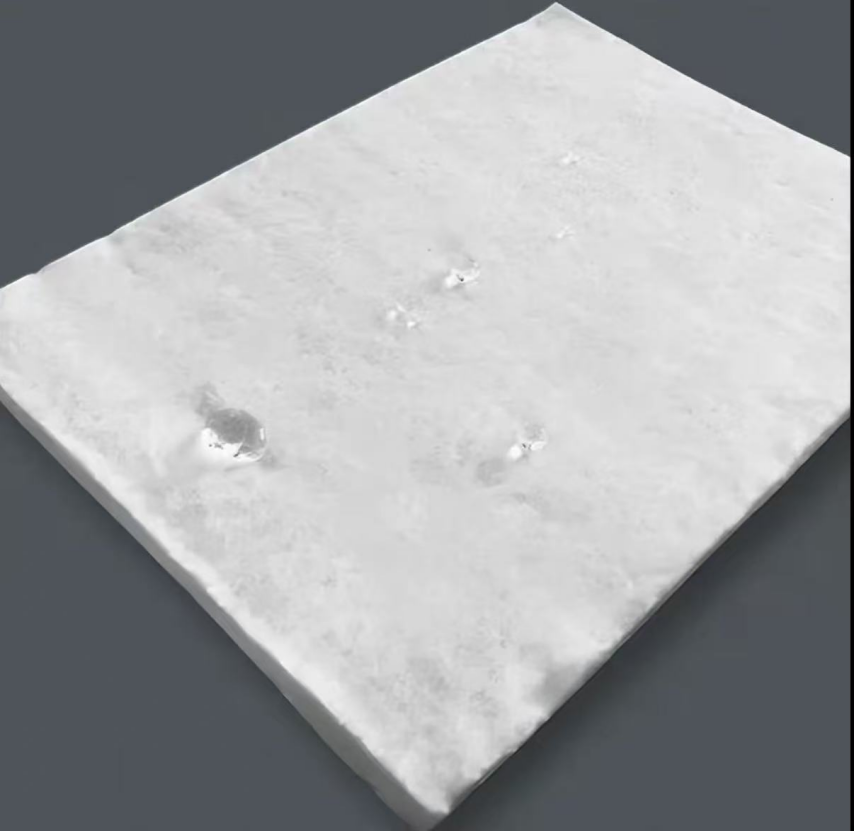
Aerogel – Enhancing Thermal Network Efficiency and Securing Winter Heating Supply
Aerogel is a highly efficient thermal-insulation material that plays a significant role in improving the energy efficiency of district heating networks and ensuring stable heat supply during winter. Its advantages are reflected in several key aspects:
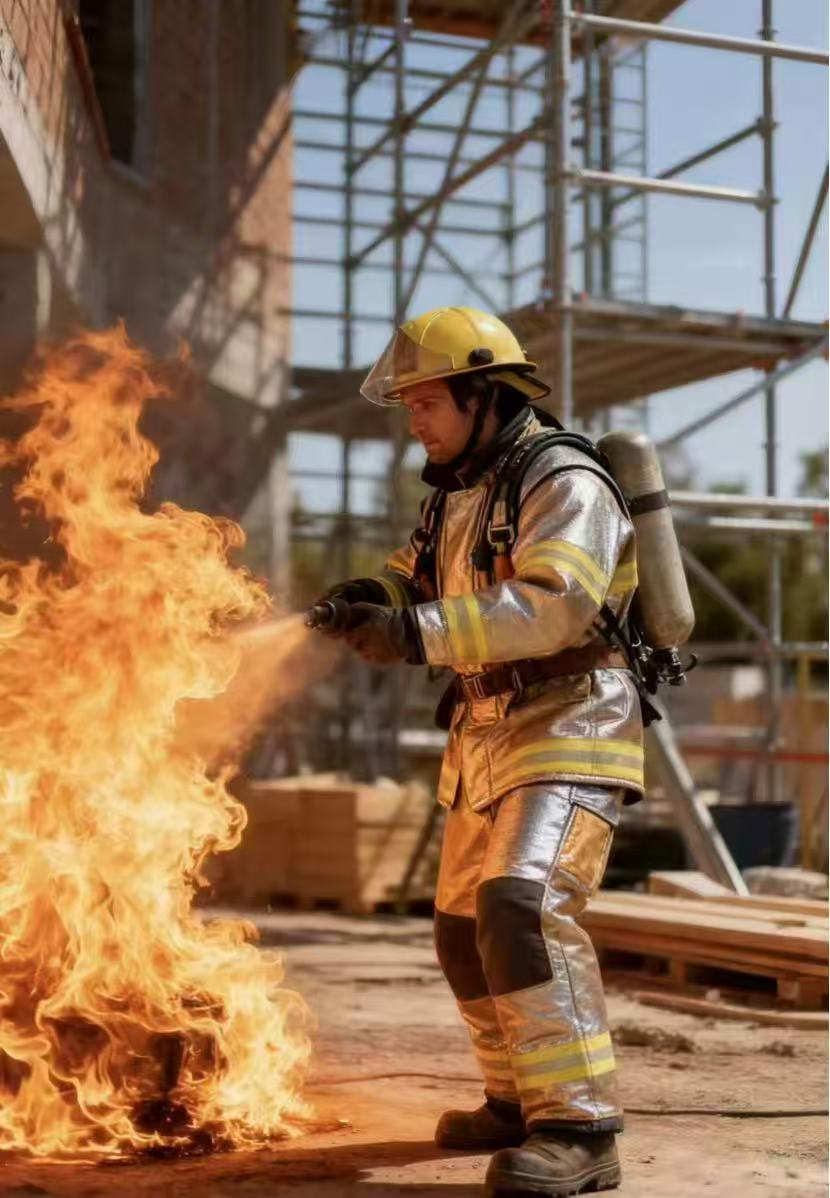
Aerogel: The "Black Technology New Material" Lighter Than Air and Resistant to 1400°C High Temperatures
When north winds howl, the limitations of traditional thermal equipment become increasingly apparent; in space exploration, bulky gear hinders interstellar missions — and aerogel, this magical material known as "solid air," is revolutionizing applications across multiple fields with its
feather-light weight and resistance to extreme temperatures.
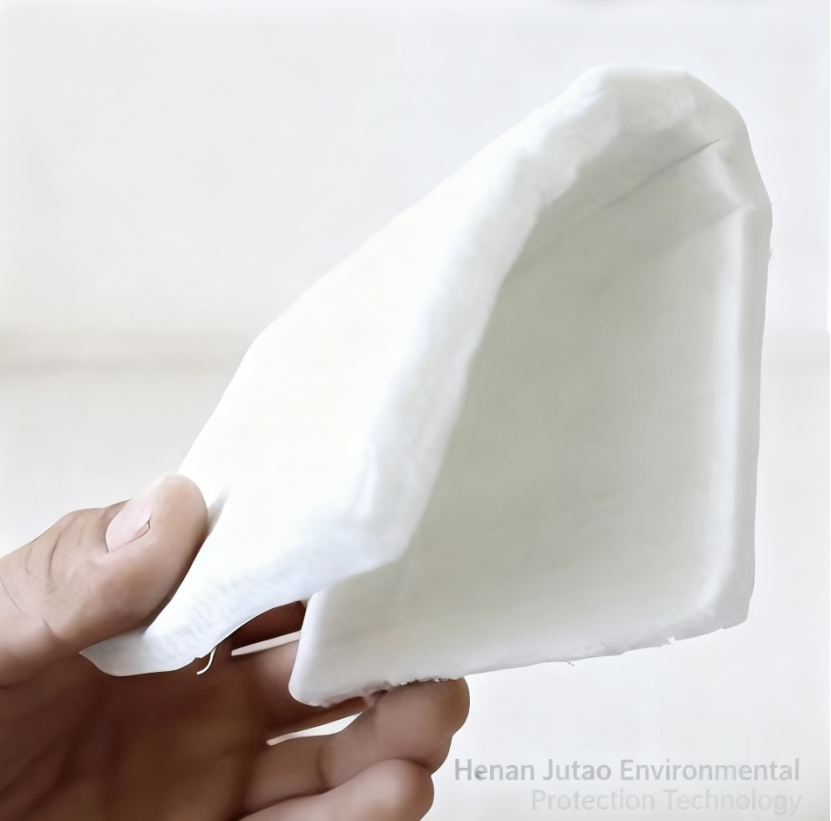
Classification of Aerogel Technologies and Their Application Fields.
With continuous advancements in science and technology, aerogel technology has emerged as a significant force within the field of advanced materials. Its broad application prospects in the energy sector are becoming increasingly evident. Aerogel technologies encompass various categories and demonstrate wide-ranging applicability. The following sections provide a detailed overview of their classification and application areas.
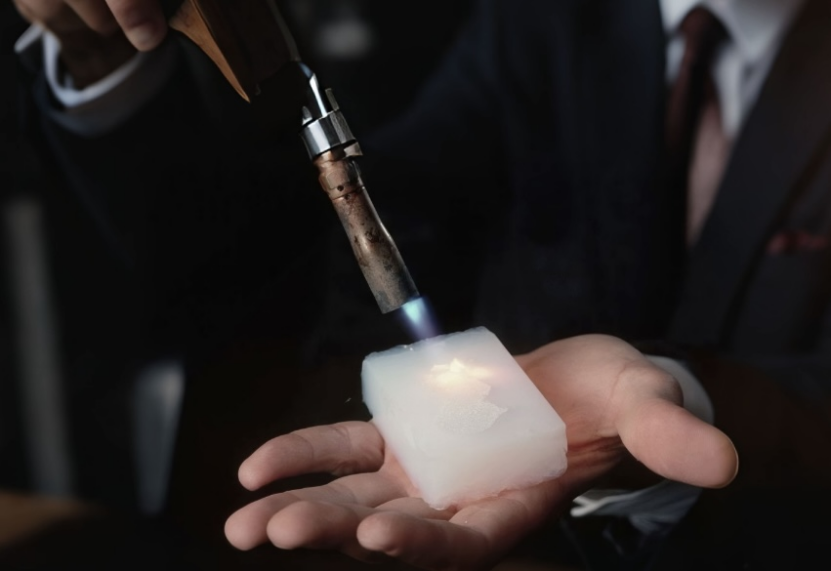
Overview of Aerogel Technology
Driven by the global energy transformation and the "double carbon" goal, new energy technology is reshaping the world's energy landscape at an unprecedented speed. And the core of this change is the continuous breakthrough of new energy materials - from the photoelectric conversion layer on the photovoltaic panel to the electrode material of the battery pack, From catalysts for hydrogen energy production to composite materials for wind turbine blades, every iteration of material technology is driving a leap in energy efficiency and expanding application scenarios, becoming a solid foundation for technology leading the future.
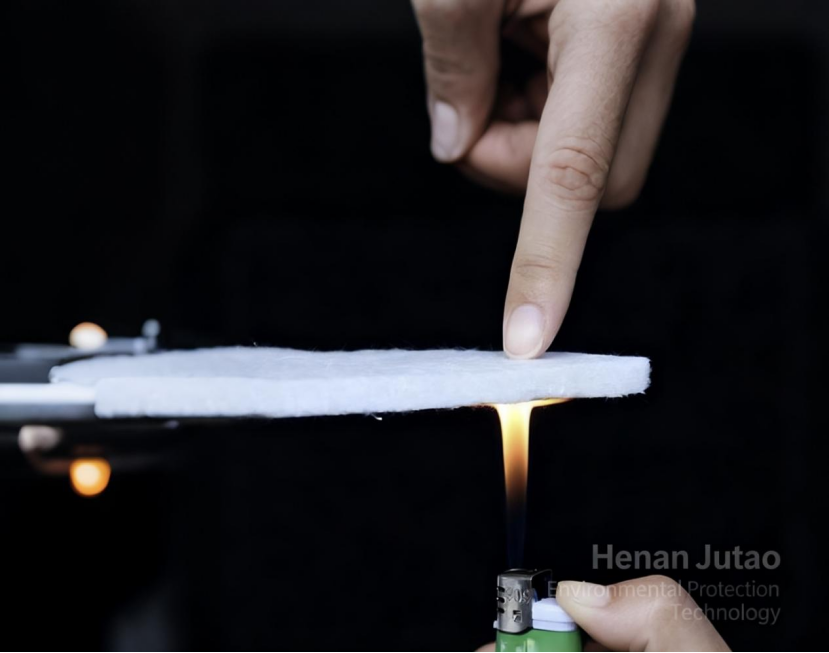
Technology Leading the Future — The Role and Applications of Aerogels in Energy Conservation and Emission Reduction
With the rapid development of the global economy, humanity’s demand for energy continues to grow. However, the excessive consumption of traditional energy sources such as coal, oil, and natural gas has resulted in serious environmental issues, including climate change, air pollution and ecological degradation. In response, governments, enterprises and research institutions worldwide are striving to identify sustainable energy solutions. Against this backdrop, energy conservation and emission reduction have become top priorities.
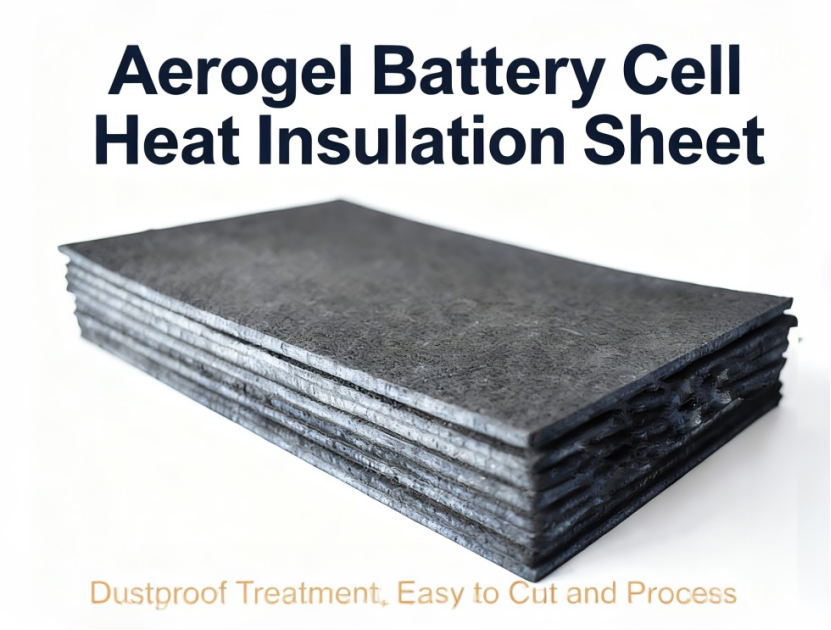
The Role of Aerogel Layers in Power Batteries
Aerogel layers—applied as thin thermal and protective films—play an increasingly important role in modern power battery systems. When bonded onto battery cells or modules, aerogel materials provide critical thermal insulation, mechanical protection and safety enhancement.